BY ALEX ALAGON
July 2026
Beyond the Health Divide: A Quest for a Healthier Philippines and Stronger Filipinos
Part I: Health Begins with People
HEALTH, in essence, is the first wealth of every nation.
There is perhaps no greater aspiration shared by every Filipino family than the simple hope of living a healthy and fulfilling life. Whether in the crowded streets of Metro Manila, the fishing villages of the Visayas, the rice fields of Luzon or the farming communities of Mindanao, parents begin each day with the same quiet prayer—that their children grow up healthy, that illness does not rob them of their livelihood, and that old age can be lived with dignity rather than worry.
Yet for many Filipinos, good health is still not something they can take for granted.
The jeepney driver who starts work before sunrise continues driving despite an aching back because every missed trip means less money for food, rent, or a child’s education. The farmer spends long hours under the scorching sun even when fever and exhaustion tell him he should be resting, because crops cannot wait and neither can hungry mouths at home. The market vendor, the fisherman, the construction worker and the factory employee all understand how one unexpected illness can wipe out years of hard-earned savings.
For a young mother, the greatest worry may not simply be childbirth, but whether quality care will be available when she needs it most. For parents, a child’s persistent cough or high fever can become a sleepless night of anxiety—not only because of the illness itself, but because of the cost of consultations, medicines and transportation to the nearest health facility. For many elderly Filipinos, growing old should be a time of peace and fulfilment. Instead, it is too often accompanied by concerns about chronic illness, expensive medicines and frequent journeys in search of specialised care.
These are not isolated stories. They are the lived experiences of millions of Filipinos. Behind every health statistic lies a human face, a family and a dream.
Health, therefore, is far more than a medical issue. It is about the confidence of families, the resilience of communities and the opportunities available to every citizen. It is about whether children can grow, learn and flourish; whether adults can work productively and provide for their families; and whether senior citizens can enjoy the dignity and security they have earned after a lifetime of contribution.
When Illness Becomes a Family Crisis
For families with comfortable incomes, illness is often an inconvenience. For poor and vulnerable households, it can become a crisis.
A single medical emergency can force parents to borrow money, sell productive assets or postpone important household expenses. Some delay seeking treatment because they simply cannot afford the consultation, the medicines or the journey to a hospital. Others continue working despite illness because taking a day off means losing the income needed to keep food on the table.
No family should have to make such choices.
No parent should ever have to choose between buying medicines for a sick child and paying school fees. No elderly person should hesitate to seek treatment because it might become a financial burden on the family. No expectant mother should worry that the quality of care she receives depends on where she lives or what she earns.
Health care should offer reassurance, not anxiety. It should protect families from hardship rather than deepen their vulnerability.
Health is the Foundation of Development
For many years, discussions on national development have rightly focused on economic growth, infrastructure, investment and employment. These remain vital priorities. But there is another foundation upon which all lasting development depends—the health of the people.
A nation cannot fully realise its potential if millions of its citizens remain vulnerable to preventable illness, poor nutrition or inadequate access to quality healthcare. Every day lost to sickness is a day of lost productivity, lost income and lost opportunity. Conversely, every healthy child who grows to full potential, every healthy mother, every productive worker and every senior citizen who continues to participate actively in family and community life becomes a powerful contributor to national progress.
Health is not merely another sector competing for public resources. It is one of the wisest investments a nation can make. Healthy children learn better. Healthy workers are more productive. Healthy families are more financially secure. Healthy communities are more resilient. Together, they create a stronger and more inclusive economy.
The Philippines has made important strides in expanding healthcare, and the country’s commitment to Universal Health Care reflects a bold and compassionate vision. Yet important gaps remain. For many families, especially in poorer households and geographically isolated communities, quality healthcare is still not always within easy reach. Distance, affordability, shortages of healthcare professionals and uneven access to services continue to create a health divide that limits opportunities and weakens human potential.
Bridging that divide is not simply a task for the health sector. It is a national development priority.
A healthier Philippines will not be built only through more hospitals or better technology. It will be built by placing people at the centre of public policy—by ensuring that every mother receives safe maternity care, every child enjoys the nutrition needed for a healthy start in life, every worker can seek timely treatment without fear of financial hardship, and every older Filipino can age with dignity, respect and security.
For ultimately, the strength of a nation is measured not only by the size of its economy but by the health, hope and human dignity of its people.
Part II: Giving Every Filipino a Fair Chance at a Healthy Life
If the strength of a nation ultimately rests on the well-being of its people, then building a healthier Philippines must begin with those who are most vulnerable.
Every child deserves the best possible start in life. Yet the journey towards good health begins even before birth. Every expectant mother should have access to quality prenatal care, skilled medical assistance during childbirth, and proper care after delivery, regardless of where she lives or how much her family earns. A safe pregnancy is not merely a personal blessing; it is an investment in the nation’s future.
The earliest years of life are equally important. The first one thousand days, from conception to a child’s second birthday, shape physical growth, brain development, and future learning. Good nutrition during this period is one of the greatest gifts a nation can offer its children.
Conversely, malnutrition and stunting quietly rob children of opportunities long before they step into a classroom. They diminish not only individual potential but also the country’s future productivity, creativity and prosperity.
Every Filipino child deserves the opportunity to grow, to learn and to dream without being held back by hunger or poor nutrition. Every peso invested in maternal and child health today yields immeasurable dividends for decades to come.
As children grow into adulthood, the country’s health challenges also evolve. Infectious diseases remain important, but another silent epidemic is steadily spreading across communities. Diabetes, hypertension, heart disease, stroke, kidney disease, cancer, and other non-communicable diseases are affecting increasing numbers of Filipinos, often during their most productive working years. These illnesses do not merely burden hospitals; they place enormous emotional and financial strain on families and reduce the nation’s productive capacity.
Fortunately, many of these conditions can be prevented or detected early.
Encouraging healthier diets, regular physical activity, routine medical check-ups and timely screening is not simply good medical practice; it is sound economic policy. Prevention almost always costs less than cure, and it spares families the emotional and financial hardship that serious illness often brings.
Health, however, is not only physical.
Across the country, many young people quietly struggle with anxiety, depression and the pressures of modern life. Workers cope with financial stress, long working hours and uncertainty about the future. Older persons often experience loneliness and isolation after a lifetime of caring for others. Mental health deserves the same understanding, compassion and attention as physical health. A society that cares for emotional well-being is a society that becomes stronger, kinder and more resilient.
At the other end of life’s journey stand the country’s senior citizens. They have spent decades building families, communities and the nation itself. They deserve to spend their later years with dignity, independence and peace of mind. Accessible healthcare, affordable medicines, rehabilitation services and community support are not acts of charity; they are expressions of gratitude and respect.
Health in a Changing Climate
The Philippines is also among the world’s most climate-vulnerable countries. Typhoons, floods, heatwaves and other climate-related events not only destroy homes and livelihoods; they also threaten public health by disrupting health services, contaminating water supplies, increasing the spread of infectious diseases and placing additional burdens on already vulnerable communities. Building climate-resilient healthcare systems must therefore become an integral part of building a healthier Philippines.
Protecting people’s health from the growing impacts of climate change is no longer only an environmental priority; it is an essential investment in sustainable development and national resilience.
Bringing Healthcare Closer to Every Community
For many Filipinos, the greatest challenge is not simply the quality of healthcare but the ability to reach it.
Families living in remote islands, mountainous communities, and geographically isolated barangays often travel long distances simply to consult a doctor or obtain essential medicines. For daily wage earners, seeking medical attention may also mean sacrificing a day’s income. Sometimes the cost of transportation, diagnostic tests, or prescribed medicines becomes as daunting as the illness itself.
Healthcare should never feel distant.
For most families, good healthcare begins not in a large tertiary hospital but in a trusted barangay health centre where familiar healthcare workers provide timely advice, preventive care, vaccinations, maternal services and early treatment close to home. Strengthening primary healthcare, expanding community-based services and embracing telemedicine and digital health can bring quality care closer to where people live rather than requiring people to travel great distances in search of it.
Equally important is investing in the country’s healthcare workforce. Doctors, nurses, midwives, barangay health workers and countless other frontline professionals form the backbone of the health system. Their dedication was demonstrated so powerfully during the COVID-19 pandemic, often under extraordinarily difficult circumstances. They deserve continued investment in training, better working conditions and opportunities for professional growth. Ensuring that underserved communities have access to skilled healthcare professionals is essential if the promise of equitable healthcare is to become a reality.
A healthier Philippines will not emerge from government programmes alone. It will be built through shared responsibility. Families who choose healthier lifestyles, communities that support one another, businesses that promote employee well-being, local governments that prioritise preventive healthcare, and civil society organisations that reach the most vulnerable all become partners in building a healthier nation.
When communities come together in this spirit, they demonstrate one of the Philippines’ greatest strengths: the enduring belief that progress is achieved not by individuals acting alone, but by people working together for the common good.
That shared commitment will become even more important as the nation seeks to address perhaps the greatest concern facing millions of Filipino families today—not only whether healthcare is available, but whether it remains affordable when it is needed most.
Part III: A National Compact for Health, Hope and Human Dignity
The dream of a healthier Philippines cannot be realised by government alone. Nor can it rest entirely on doctors, nurses, hospitals or health insurance providers. It must become a national compact—a shared commitment that places people at the very heart of development.
Every Filipino has a role to play. Families, communities, local governments, businesses, schools, faith-based organisations, civil society and the private sector all have a stake in building a healthier nation. When every sector moves in the same direction, the journey beyond the health divide becomes not only possible but achievable.
Yet if there is one concern that echoes most strongly across Filipino households, particularly among the poor and the vulnerable, it is this: Can we afford to fall sick?
For millions of families, illness is not only a medical challenge. It is also a financial shock.
A prolonged hospital stay, an emergency operation or the long-term treatment of diabetes, kidney disease, heart disease or cancer can consume years of hard-earned savings. Some families borrow heavily. Others sell productive assets or postpone their children’s education. Many delay seeking medical care altogether because they fear the cost almost as much as the illness itself.
No compassionate society should accept such choices as inevitable.
No parent should have to decide between buying life-saving medicines and putting food on the family table. No elderly couple should spend their retirement worrying that the next medical bill will become a burden on their children. No worker should continue suffering in silence because missing a day’s wages is simply not an option.
Healthcare should provide security, not uncertainty. It should protect families from poverty rather than push them deeper into it.
This is why affordability must become as important as accessibility. A hospital that cannot be afforded is no more accessible than one that cannot be reached.
Quality healthcare should be available not only to those with financial means but also to the jeepney driver, the farmer, the fisherman, the market vendor, the domestic worker, the factory employee, and every Filipino family striving to build a better future.
The Philippines has taken an important step through Universal Health Care, reflecting the nation’s commitment to equitable healthcare. The challenge now is to ensure that its promise is experienced by every Filipino. Health insurance and financial protection should not exist merely on paper. They should give every family confidence that when illness strikes, help will be available without driving them into financial distress. People should also find it easier to understand and access the benefits already available to them. A health system inspires trust when it is not only effective, but also simple, responsive and compassionate.
Equally important is continuing to strengthen the country’s first line of defence—primary healthcare. A well-equipped barangay health centre, staffed by dedicated health professionals, can often prevent small health problems from becoming life-threatening emergencies.
Early diagnosis, timely treatment, regular health screening, immunisation, maternal care and nutrition programmes not only save lives but also reduce long-term healthcare costs for families and for the nation.
The Philippines must also continue investing in its remarkable healthcare workforce. Doctors, nurses, midwives, barangay health workers and other frontline professionals are among the nation’s greatest assets. Their compassion and dedication touch lives every day, often under demanding circumstances. Supporting them through better training, modern facilities, opportunities for professional growth and incentives to serve underserved communities is not simply an investment in the health sector; it is an investment in the country’s future.
Technology, too, can become a powerful force for inclusion. Telemedicine, electronic health records, mobile health services and digital innovations can bring specialist advice and quality healthcare to communities that have long remained beyond the easy reach of major hospitals. Used wisely, technology can narrow inequalities and make quality care more accessible to every Filipino.
Ultimately, however, the strongest health system begins not inside hospitals but inside homes.
Healthy eating, regular exercise, childhood immunisation, routine medical check-ups, cleaner surroundings, responsible lifestyles and greater awareness of mental well-being all begin with everyday choices made by families. Communities that encourage healthy living, businesses that care for the well-being of their workers and local governments that invest in prevention rather than merely treatment all contribute to building a healthier nation.
The rewards of such a commitment extend far beyond the health sector.
Healthy children are better prepared to learn and fulfil their dreams. Healthy mothers build healthier families. Healthy workers are more productive, innovative and financially secure. Healthy older persons continue to enrich communities with their wisdom and experience. Businesses benefit from a stronger workforce. Communities become more resilient. The economy grows not simply because investment increases, but because its people are healthier, more confident and better equipped to seize opportunities.
History has shown that nations achieve lasting progress by investing in their people. Roads connect cities. Bridges connect communities. Digital networks connect businesses. But good health connects people to opportunity. It enables every Filipino to learn, to work, to care for loved ones and to contribute meaningfully to society.
The Philippines possesses all the ingredients needed to build such a future: a young and dynamic population, dedicated healthcare professionals, resilient communities and an enduring spirit of compassion and solidarity. By making healthcare more accessible, more affordable and more equitable, the country can build not only a healthier population but also a stronger economy, a fairer society and a more hopeful future.
A Final Reflection
Imagine a Philippines where every expectant mother receives safe and compassionate care. Where no child begins life at a disadvantage because of malnutrition or stunting. Where every barangay has dependable primary healthcare close to home. Where a jeepney driver no longer postpones treatment because he fears losing a day’s income. Where an elderly couple grows old with dignity instead of worrying about the next medical bill. Where no family is forced into poverty because a loved one falls ill.
This is not an impossible dream. It is a national choice.
Building a healthier Philippines is not simply about constructing more hospitals or purchasing more medical equipment. It is about protecting hope, preserving dignity, and unlocking the full potential of every Filipino.
Healthy people build healthy families. Healthy families build resilient communities. Resilient communities build prosperous economies. And prosperous economies create even greater opportunities for future generations.
In the final analysis, the true wealth of the Philippines will not be measured only by the size of its economy or the pace of its growth. It will be measured by something far more enduring—the health of its children, the security of its families, the dignity of its senior citizens and the confidence of its people. Investing in health, therefore, is not merely an expenditure. It is one of the wisest, most compassionate and most enduring investments the nation can ever make.
Indeed, the road to a stronger Philippines begins with healthier Filipinos.
- 8-year-old’s death after reported school bullying draws police attention
LOCAL authorities have launched an investigation into the death of an eight-year-old student following an alleged altercation inside a public school in Davao City.
The Davao City Police Office (DCPO) confirmed the probe after the victim’s mother formally reported the incident on July 22—five days after the alleged incident on July 17.
The young student succumbed to her injuries while receiving medical treatment at the Southern Philippines Medical Center (SPMC).
Police investigators are currently coordinating with school administrators, education officials, and relevant government agencies to establish a precise timeline, gather physical and testimonial evidence, and determine the exact circumstances surrounding the tragedy.
Initial findings and timeline
Speaking at the Davao Peace and Security Press Corps media briefing at The Royal Mandaya Hotel on Thursday, July 23, Sta. Ana Police Station commander PMAJ Marc Hedssel Culaste disclosed that initial medical findings indicated the victim died of brain failure and traumatic brain injury.
Initial police investigation showed that an altercation between two Grade 3 students occurred around 3 p.m. on July 17 inside the school premises.
“What happened is that the two children quarreled, and the subject [the victim] was allegedly hit,” Culaste told reporters. “As of this time, what is confirmed is that the other boy hit the girl on the head with a notebook. Other allegations that she was elbowed, punched, or kicked in other parts of her body are still subject to further investigation. All other claims remain allegations, so we ask the public to refrain from making premature conclusions.”
Culaste detailed that the victim went home at 5 p.m. on the day of the incident and informed her mother that she had been bullied and was experiencing head and stomach pain. Instead of bringing the child to the doctor immediately, the mother brought her for a traditional massage on July 17.
Two days later, as the child continued to complain of severe pain, the family traveled to Nabunturan, Davao de Oro, to consult another traditional practitioner. Upon returning to Davao City, the child’s condition deteriorated, prompting the family to finally bring her to the hospital on the morning of July 21. The child tragically passed away at 2 p.m. that same day.
“Our initial finding from the attending physician lists the cause of death as brain failure and traumatic brain injury,” Culaste said. “We are still awaiting the official medical report and the results of the ultrasound conducted on her stomach.”
Culaste added that both students involved are eight-year-old Grade 3 pupils.
While social media posts regarding the child’s death have gone viral, Culaste said, “We will not give a premature conclusion; we will wait for all supporting documents and official medical declarations.”
Investigators asked the mother on Wednesday if she was willing to have an autopsy conducted on her child, but she declined.
In an official statement, DCPO chief PCOL Peter Madria expressed his sympathies to the victim’s family and committed to a comprehensive inquiry.
“We extend our deepest condolences to the bereaved family during this painful time,” Madria said. “We assure the public that the Davao City Police Office will conduct a thorough, relentless, and completely impartial investigation to uncover the truth and ensure the case is handled strictly in accordance with the law.”
The DCPO also appealed to the public and social media users to refrain from circulating unverified claims or speculative reports, emphasizing the need to protect the family’s privacy and safeguard the integrity of the ongoing investigation.
THE 10TH Infantry Division (10ID) is set to deploy the 28th Infantry Battalion to the Bangsamoro Autonomous Region in Muslim Mindanao (BARMM) to bolster security for the upcoming regional elections in September.
Speaking at the Davao Peace and Security Press Corps media briefing at The Royal Mandaya Hotel on Thursday, July 23, 10ID Public Affairs Office chief Major Ruben Gadut stated that the unit recently completed its comprehensive battalion evaluation certification.
The evaluation program is designed to retrain and refresh entire army battalions in combined arms and territorial defense operations, transitioning them from traditional counter-insurgency and guerrilla warfare tactics previously used against local communist armed groups and terrorists.
“[The battalion] just concluded the certification program, which aligns with the Philippine Army’s goal to train and refresh entire units in combining arms and military operations,” Gadut said. “With that, the division is very confident they will perform beyond expectations during their deployment in BARMM.”
Gadut emphasized that the unit’s operational readiness extends beyond tactical defense. “This unit has also served in continuing humanitarian assistance and disaster response operations, showing how well-prepared the battalion is,” he added.
While the exact deployment timeline remains undisclosed for operational security reasons, Gadut confirmed that the unit will consist of three infantry companies, totaling roughly 400 troops.
MAYA, the Philippines’ leading digital financial services platform, won two accolades at the PR Awards Asia-Pacific 2026—Gold in the Best Brand Collaboration category and Silver in the Consumer Launch category. Its Welcome to Maya Black campaign was also shortlisted in the PR Event category.
Maya took home Gold in the Best Brand Collaboration category, a new award under the Effectiveness track, for its 2025 campaign, Save a Housemate. Save with Maya.
As young Filipino fans rallied behind their favorite housemate on Pinoy Big Brother—the Philippines’ longest-running reality show and local version of the global franchise—Maya saw an opportunity to encourage better financial habits.
By replacing the legacy SMS voting system with a seamless in-app experience, Maya introduced “Save-to-Vote,” where users first deposit money into their accounts, then cast a vote.
Integrated into weekly on-air segments and amplified through fan content, Maya became an essential part of the Pinoy Big Brother experience. The campaign generated strong engagement while making saving a natural part of how fans participated in the show, strengthening brand affinity and encouraging better money habits.
Maya also won Silver in the Consumer Launch category for its 2025 Welcome to Maya Black campaign.

Maya Black is a Visa Platinum travel and lifestyle credit card designed for aspirational, everyday spending. Powered by an AI-driven underwriting framework and integrated into a fully digital application experience, the Maya Black Credit Card gives more people the opportunity to qualify for premium credit from day one, including customers who have previously been underserved by traditional credit models.
From its first-person black-and-white launch film to its synchronized “Blackout” takeover, the Welcome to Maya Black campaign captured attention across platforms and reframed premium credit for a new generation. Apart from winning Silver, the campaign was also shortlisted in the PR Event category.
“These awards recognize the kind of work we believe in—building products and campaigns that address real customer needs in ways people genuinely connect with,” said Maya Group chief marketing officer Pepe Torres. “For us, creativity only matters if it creates real impact, and that’s the standard we continue to hold ourselves to.”
This marks Maya’s fourth consecutive year of recognition at the PR Awards Asia-Pacific, following awards for the PayMaya-to-Maya rebrand campaign launched in 2022, My Money, My Bank, My Way in 2023, and Get Banked with Maya in 2024.
The PR Awards Asia-Pacific, organized by Campaign Asia, honors impactful and creative public relations work across the region. It recognizes excellence in storytelling, brand communication and campaign effectiveness, while spotlighting standout talent and innovation in the industry.
Agright Technologies and Agerpoint Partner to Advance AI-Powered, Regenerative Agriculture in Mindanao
A NEW chapter in agricultural transformation is taking shape in Mindanao. Agright Technologies, a Philippine agritech and regenerative agriculture company pioneering Regeneration-as-a-Service (RaaS), has partnered with Agerpoint, a U.S.-based AI and spatial intelligence technology company headquartered in Research Triangle Park, North Carolina, one of America’s leading research and innovation ecosystems.
Recognized as a Technology Pioneer by the World Economic Forum, Agerpoint is advancing how agriculture and the natural world can be understood through artificial intelligence, spatial intelligence, and next-generation digital field technologies.
The partnership combines Agerpoint’s advanced field intelligence capabilities with Agright’s expertise in tropical agriculture, agritech, regenerative systems, biological innovation and on-the-ground implementation. The collaboration begins with Mindanao’s banana industry, one of the Philippines’ most important agricultural export sectors and part of a globally significant tropical fruit supply chain. But banana is only the beginning. From Seeing Farms to understanding them. Agriculture has always depended on the ability of farmers to read the land. Technology is giving them a new way to see it. Agerpoint’s capabilities can bring together AI, smartphones, LiDAR, satellite imagery and spatial data to build increasingly precise digital intelligence about crops and agricultural landscapes.

A farmer cannot effectively manage what cannot be seen. A business cannot improve what cannot be measured. And regeneration becomes meaningful when change can be demonstrated.
Why Mindanao. Why Now.
Mindanao is one of Southeast Asia’s most important tropical agricultural production regions. It also faces some of agriculture’s most complex challenges—from crop disease and climate pressures to rising production costs, resource constraints, productivity demands and the growing need to demonstrate sustainability with evidence.
No single technology can solve these challenges.

Agerpoint adds a critical intelligence layer: helping agriculture better see, map, measure and understand what is happening on the ground. Agright helps turn that understanding into action. Global intelligence meets local agricultural intelligence—where it matters most: on the farm. From Field Intelligence to Agricultural Impact
For farmers, better intelligence can help answer practical questions: Where is the problem? How serious is it? Where should I act first? Did it work?
For agricultural enterprises managing hundreds or thousands of hectares, it can provide greater visibility to support smarter decisions around crop health, productivity, resources, risk and sustainability.
For government, research and development institutions, better agricultural intelligence can strengthen evidence-based approaches to food security, climate resilience, biodiversity and sustainable agricultural development.

Mindanao Can Help Build the Future of Tropical Agriculture
The partnership starts with banana, but its potential extends far beyond a single crop.
Mindanao brings together large-scale commercial agriculture, experienced growers, scientific talent, diverse tropical crops and complex real-world agricultural challenges—making the region a potential proving ground for how AI, agritech and regenerative agriculture can work together at scale.
It creates an opportunity for global technologies to meet local science, for innovation to be tested against real agricultural problems, and for solutions proven under Philippine conditions to potentially scale across crops and other tropical agricultural regions.
Mindanao should not simply adopt the future of agriculture. It can help build it.
For Agright and Agerpoint, success will ultimately not be measured by how many technologies are deployed. It will be measured by what changes on the farm.
More resilient production. Smarter use of resources. Stronger agricultural businesses. Healthier agricultural ecosystems. Better livelihoods—and a more resilient and sustainable food future. See better. Understand deeper. Act smarter. Regenerate measurably.
Agright Technologies × Agerpoint
Global Intelligence. Local Science. Regenerative Impact.
DEPARTMENT of Public Works and Highways (DPWH) Secretary Vince Dizon assured that construction of the flagship Samal Island–Davao City Connector (SIDC) Bridge project will be completed before President Ferdinand Marcos Jr. finishes his term.
Speaking to reporters on Thursday, July 23, following an on-site inspection of a collapsed road section in Barangay Marahan, Marilog District, Dizon dismissed concerns that the long-awaited infrastructure project might stall.
“I am confident that the Davao-Samal bridge will be completed and passable before the end of President Marcos’ term,” Dizon said. “Initially, completion was targeted for late 2028, but after discussing with the project contractors and engineers, we are confident that it can be finished sooner.”
While DPWH XI initially proposed a ₱4.87-billion budget allocation for the mega-bridge under the National Expenditure Program (NEP) for this fiscal year, only ₱314 million was ultimately approved in the final General Appropriations Act (GAA).
Despite the significant reduction, regional public works officials confirmed they have already submitted requests for supplemental funding from the national government to maintain construction momentum.
Dizon reassured local stakeholders that the executive branch remains firmly committed to delivering the cross-gulf span as promised.
“I am assuring the people of Davao and Samal that we will finish this project before the end of the President’s term,” Dizon stressed. “That is the personal commitment of the President to the people of Davao and Samal.”
Archers Mateusz Vaughn Johnson and Abigail Jane Lim presented their medals won in the 2026 Singapore Youth Archery Championships on Thursday’s 23 July Davao Sportswriters Association (DSA) Forum. (LPP/DSA)
Davao City – Davao City-based archers who are currently seeing action for the National Youth training pool are eyeing to reap medals in the coming 2026 BIMP-EAGA (Brunei, Indonesia, Malaysia, Philippines East Asian Growth Area) Games this coming 23-27 November in Malaysia.
Mateusz Vaughn Johnson and Abigail Jane Lim who recently saw action in the 2026 Singapore Youth Archery Championships garnered podium finishes in the U18 Compound Men and Women’s divisions.
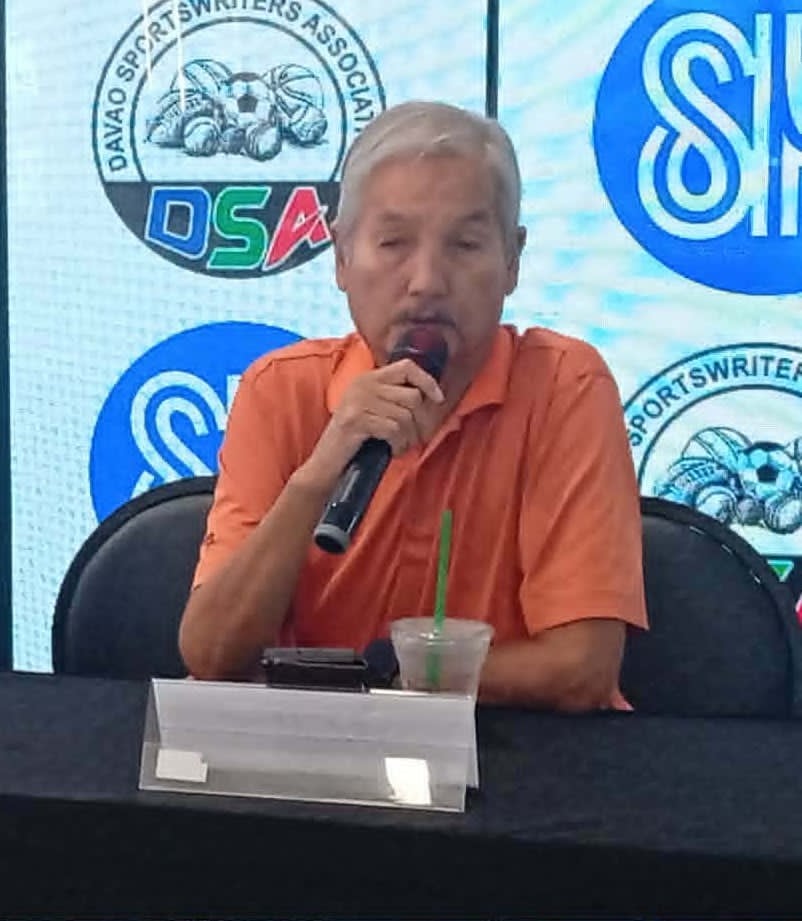
“We will be competing in the coming 2026 Kadayawan Philippine Archery Davao Leg Championships this August 18 to 23 at the Tionko field. It will be part of our preparation for the international tournament,” said Lim on Thursday, 23 July at the weekly Davao Sportswriters Association (DSA) Forum.
“This will be a good preparation for us as we expect other archers from the country to also compete,” added Johnson.
Prior to the 2026 Singapore Youth Archery Championships, both archers took part in last year’s Batang Pinoy Games in General Santos wherein Davao City placed third overall as they channeled the city’s gold medal haul in come from behind fashion.
By Jon Develos
DPWH to rush temporary repairs on collapsed Davao-Bukidnon highway; permanent fix underway
THE DEPARTMENT of Public Works and Highways (DPWH) is set to mobilize emergency engineering works on Monday to restore access along a collapsed 100-meter section of the crucial Davao–Bukidnon Road in Sitio Marahan, Barangay Marilog Proper.
Inspecting the ground collapse on Thursday morning, July 23, DPWH Secretary Vince Dizon stated that the national government is prioritizing a temporary bypass for light vehicles and passenger buses to relieve stranded commuters along the vital inter-provincial corridor.
The road damage currently forces commuters to navigate a grueling 9-kilometer detour along narrow local roads, compared to the standard 3-kilometer highway route.
“Commuters are suffering because the detour is narrow and long. People have to get off buses, carry heavy baggage on foot, and transfer to other rides. We will not allow that situation to linger,” Dizon told reporters, adding that engineers are aiming to make the remaining 6-meter width of the damaged highway safely passable within a few weeks.

Immediate Relocation and Relief Support
The slope failure severely threatened nearby residential structures in Sitio Marahan.
Dizon confirmed that President Ferdinand Marcos Jr. instructed cabinet agencies to immediately extend humanitarian aid to displaced families.
The DPWH is coordinating directly with the Department of Social Welfare and Development (DSWD) and the Department of Human Settlements and Urban Development (DHSUD) to provide financial assistance, emergency shelter, and permanent relocation for affected homeowners.
“We will talk with the affected residents first and try to protect their homes while exploring all viable engineering interventions,” Dizon assured.
Japanese expertise
The DPWH is also preparing a permanent engineering solution for the landslide-prone segment.
Unlike typical mountain highways that sit adjacent to solid rock slopes on one side, Dizon pointed out that the damaged 100-meter stretch in Marilog is flanked by deep ravines on both sides, requiring dual-slope stabilization.
To address the complex terrain, the department has engaged Japanese structural consultants who previously engineered similar critical slope stabilization projects in Quezon, Bukidnon. Soil investigations and structural design testing will precede heavy civil works on the permanent structure.
“Our immediate priority is opening the road to traffic in a few weeks. Repairs begin on Monday, and we will announce the full construction timeline then,” Dizon said.
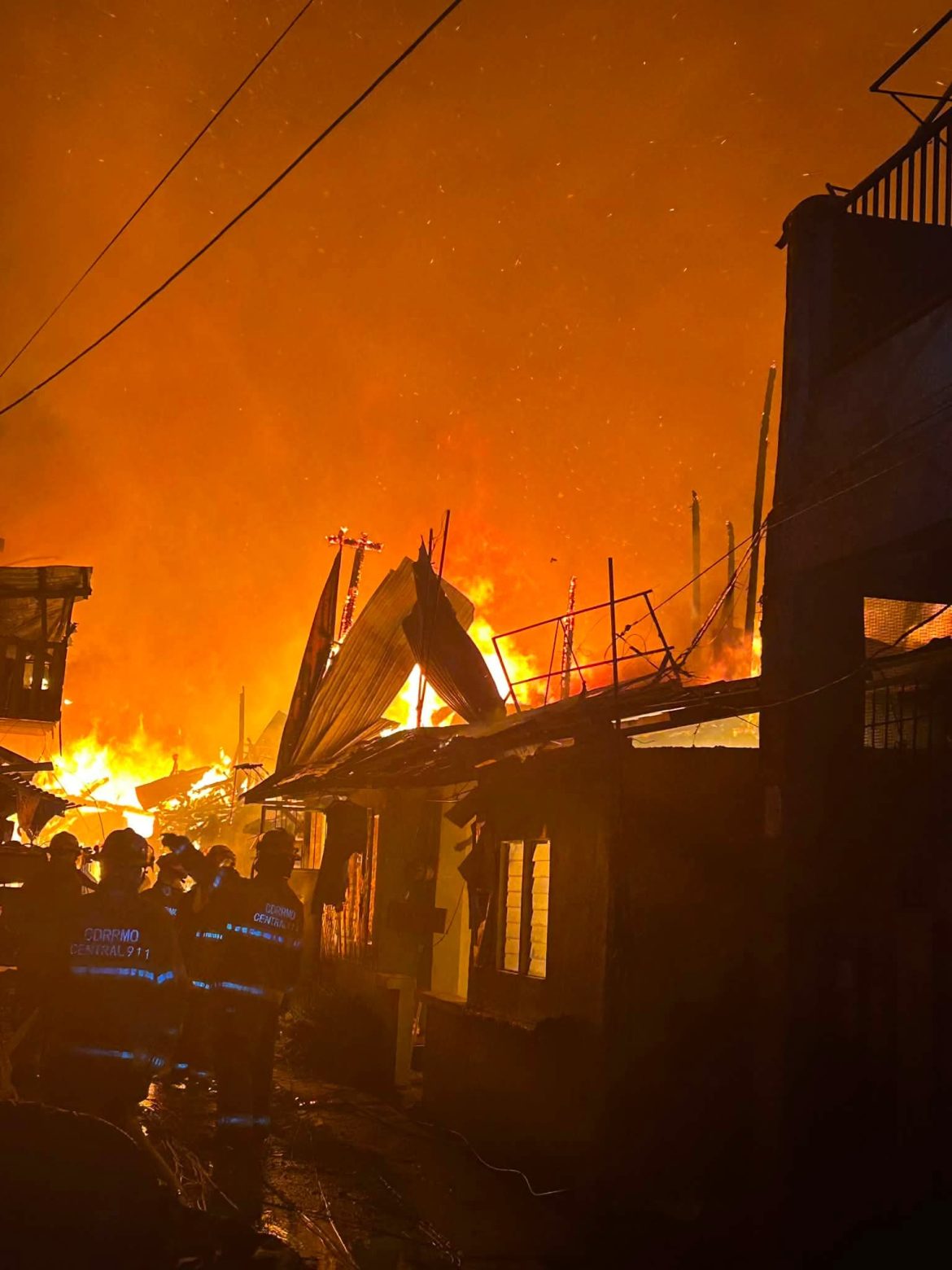
The Davao–Bukidnon Road is currently not passable to all types of vehicles at Purok 39, Sitio Marahan, Brgy. Marilog Proper, Davao City following a road slip that occurred on the evening of July 17, 2026, due to heavy rains.
For light vehicles, a temporary alternative route is available via:
Davao–Bukidnon Road – Datu Ladayon – Katipunan – Campo Uno.
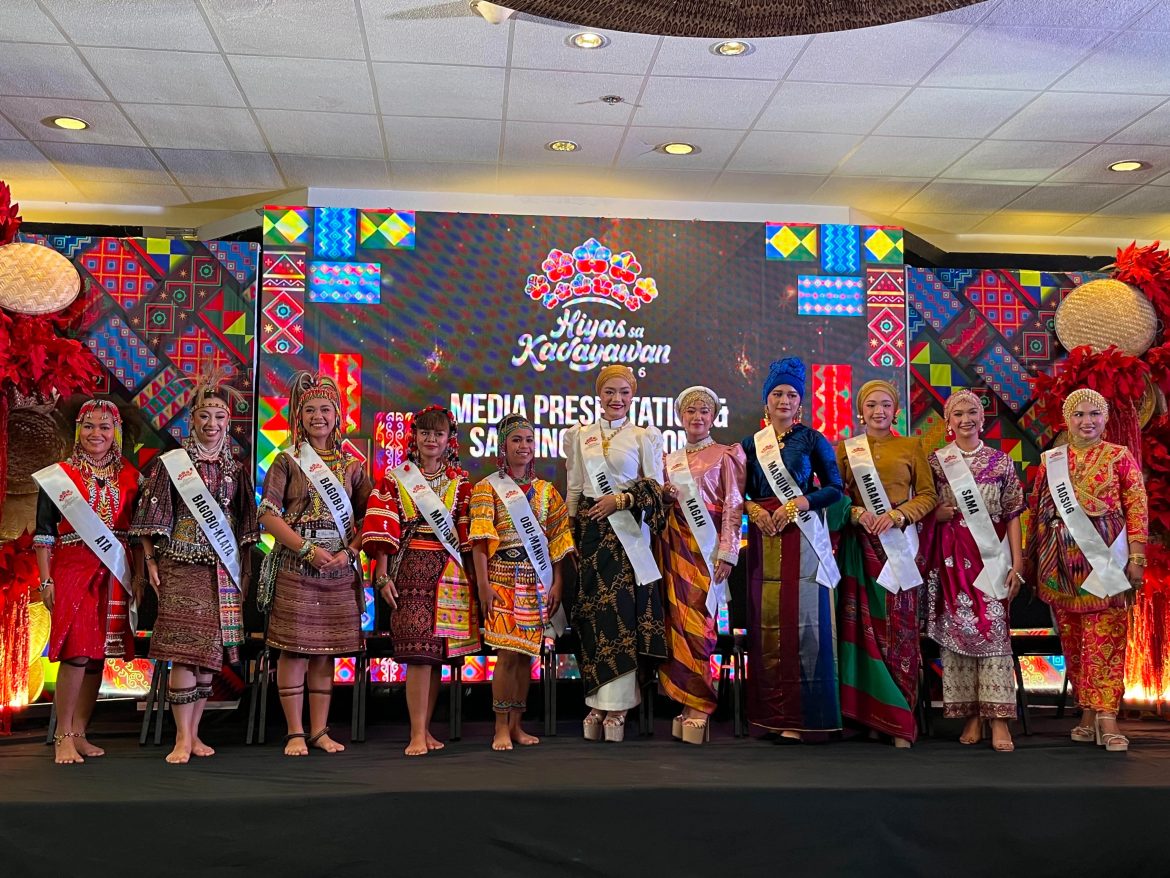
THIS YEAR’S Kadayawan Festival 2026 will bring back the live presentation of the “Subang Sinugdanan ug Panagtabo” to highlight the unity of the 11 ethnolinguistic tribes in Davao City.
The live reenactment is one of the most culturally significant traditions of the Kadayawan Festival, making a full return after seven years, since its last run in 2019.
Subang Sinugdanan this year will feature a spectacular boat parade and a reenactment of pre-colonial barter traditions.
Sheirelle Anino, Bagobo-Tagabawa deputy mayor, said this year will be an actual presentation, unlike last year, when it was just a visual presentation.
“Makita ninyo nga nag meet ang Moro ug IP, from the land to the sea, makita ninyo nga magsabay ang mga 11 tribes nga magnaog,” Anino told TIMES.
She confirmed that the historical event, which showcases the peaceful convergence and early trading between Davao’s Indigenous Peoples (IPs) and Moro communities along the Davao River, will feature actual boat presentations.
Scheduled for early morning at Magsaysay Park on August 7, the event will be a key highlight of the opening leg of the Kadayawan festival.
Anino said that two primary vessels representing the Moro and Lumad groups will take to the water to symbolize the historic arrival and meeting of the 11 tribes.
The Subang reenactment was previously replaced with video presentations due to safety measures and pandemic restrictions in 2020.
Gabriel Nakan, deputy mayor of the Maguindanao tribe, said returning to its live, physical format marks a major milestone for the city’s cultural celebration.
He emphasized that the return of the live reenactment goes to show the enduring peace and harmony among the city’s recognized ethnolinguistic tribes—consisting of five Lumad and six Moro groups.
“Most Muslims, except for the Kagan tribe, arrived as immigrants from other regions. We came from other cities and the indigenous peoples warmly welcomed us to live in Davao City,” he said.
“Since then, there has been no conflict among the 11 ethnolinguistic tribes. This event highlights how that peaceful welcome took place,” he added.