

DAVAO’S agricultural products generated an initial P3.41 billion in sales and business opportunities at the 23rd China-ASEAN Expo (CAEXPO) 2026, the Department of Agriculture XI reported on Tuesday.
Six agribusiness enterprises from Davao Region participated in CAEXPO 2026 held from September 17 to 21 at the Nanning International Convention and Exhibition Center, Nanning, China.
The five-day expo showcased various agricultural products from the region, including fresh, processed, and frozen durian; Cavendish banana to banana-based products; mango products; and coconut charcoal.
DA XI initial sales recorded that participating enterprises have reached P1.54 million in retail sales; P32.13 million in booked sales, and P3.38 billion in sales under negotiation.
The agency cited a successful deal secured by a Davao-based exporter with a Chinese trader.
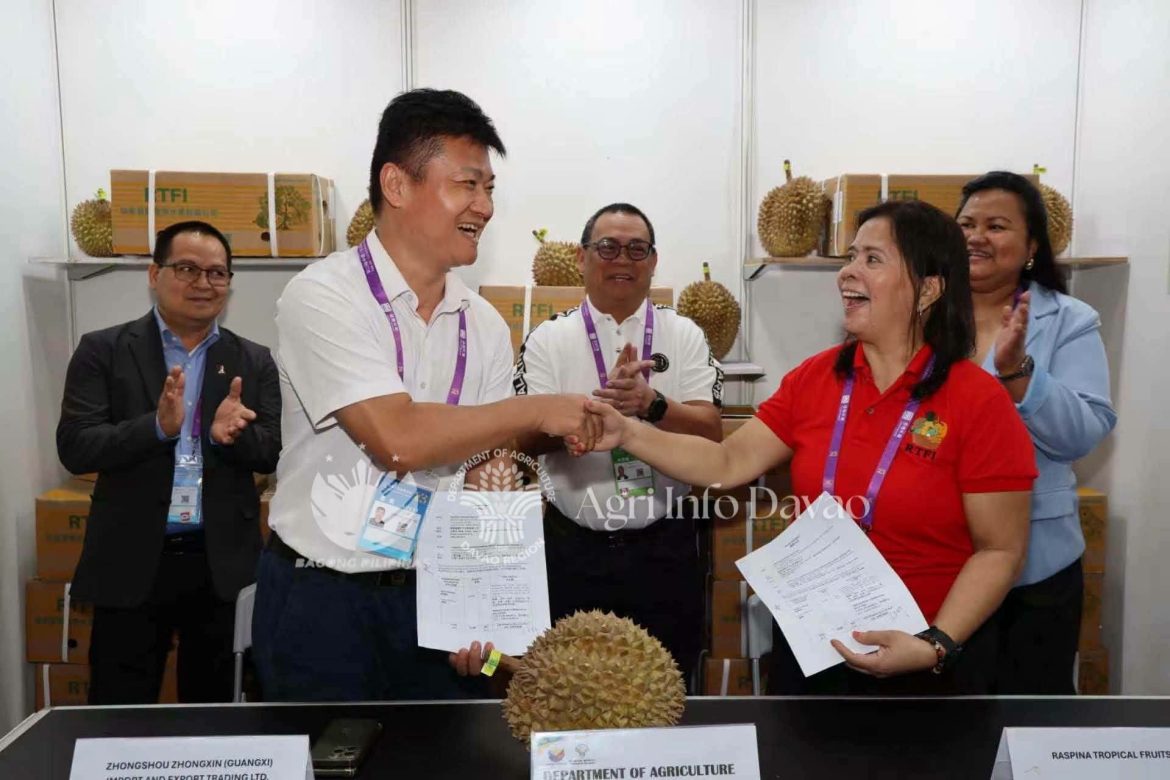
Raspina Tropical Fruits Inc., a Davao Region-based exhibitor supported by the Department of Agriculture XI, signed a sales contract with Zhongshou Zhongxin (Guangxi) Import and Export Trading Ltd. during the expo.
The agreement covers the purchase of 14 metric tons of fresh durian valued at RMB 130,000, opening another market opportunity for Philippine durian producers and exporters.
Raspina Tropical Fruits Inc. was among the representatives for Davao Region, along with KF Nutri-Foods International Inc., Engseng Food Products, Huanghou Fruits Corp., Maylong Enterprises Corp., and SG Charcoal Copra Trading.
Through its Agribusiness and Marketing Assistance Division (AMAD), DA XI said it continues to support Davao farmers and agribusiness enterprises to connect local products to domestic and international markets.
Based on the total reported amount, with a reported DA support of P1.98 million for participation and expenses, the initial figures translate to approximately P1,725 in sales and business opportunities for every P1 invested by the government.
“The results highlight the potential of international trade platforms such as CAEXPO in connecting Davao’s farmers and agribusiness enterprises with global markets,” the agency said.
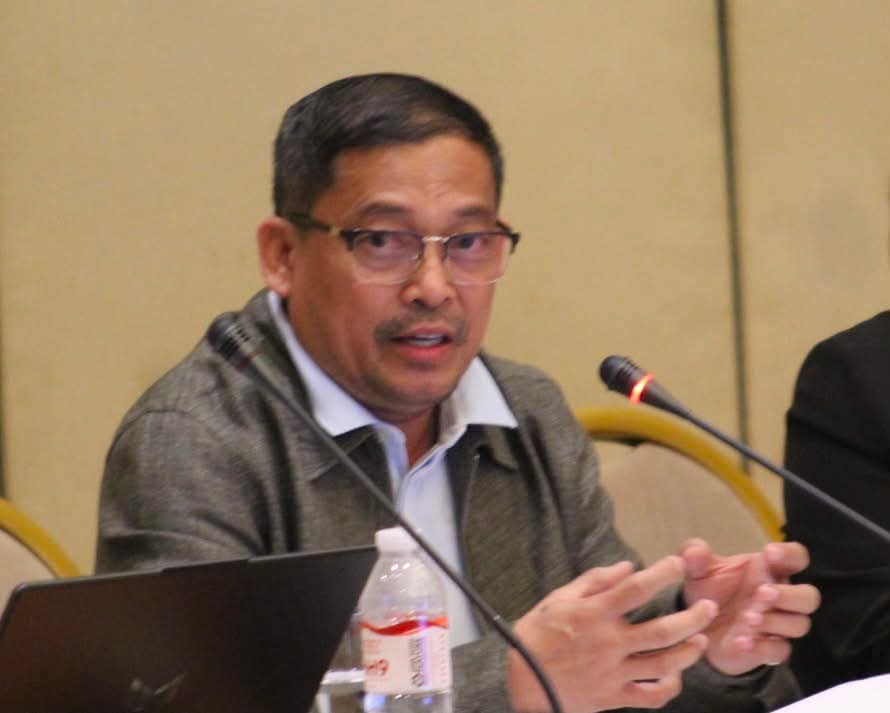
Macario Gonzaga, DA XI regional executive director, took part in a series of strategic engagements in the expo and highlighted opportunities to expand market access for Davao Region agricultural products and deepen agricultural cooperation with China.
Gonzaga joined the Business-to-Business (B2B) matching sessions with China-based importers, exploring potential market opportunities and strengthening connections between Chinese buyers and fruit exporters from the Davao Region.
He highlighted the potential benefits of the ongoing development of the Pinglu Canal, particularly in enhancing logistics, trade connectivity, and access between Guangxi Province and the ASEAN region.
The official also met with Jojie Dinsay, Vice Commercial Consul of the Philippine Trade and Investment Center (PTIC)–Shanghai, and discussed opportunities for agricultural trade and cooperation between the Davao Region and Shanghai.