
BY ALEX ALAGON
BY ALEX ALAGON

Davao City – Some 140 entries are expected to join the 2nd Davao-Japan Friendship Golf tournament set this July 25, 2026 at the Rancho Palos Verdes Golf and Country Club in nearby Mandug.

“This year’s tournament has been officially recognized and certified as an event of the 70th Anniversary Japan-Philippines Friendship Year by the 70th Anniversary of Diplomatic Relations,” said Liza Gamo, President of the co-organizing Hotel and Resorts Sales and Marketing Association (HRSMA) on Thursday’s 16 July Davao Sportswriters Association (DSA) Forum.
Tournament director Paul Garcia added that the one-day tournament will follow the Modified Stableford mode of play with shotgun starts at 10 a.m. The awarding ceremonies will be held on that evening, 6 p.m. at the Rogen Inn ballroom.
Backing the event are Consulate General of Japan Davao, Davao City Tourism Operations Office, City Government of Davao and Department of Tourism Office Davao Region.
By Jon Develos
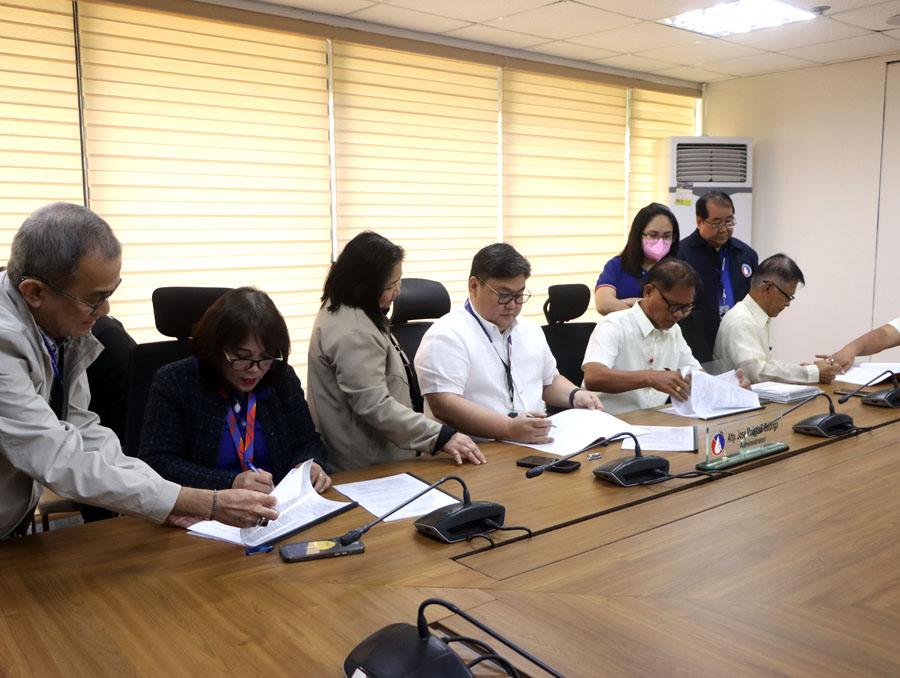
Local Water Utilities Administration (LWUA) Administrator Atty. Jose Moises “Joy” F. Salonga (3rd from right, seated) during a meeting with Metro Siquijor Water District officials to finalize a financial package rehabilitating the latter’s water system. In 2025, LWUA helped ensure the operations of water pumps in Siquijor, which has been suffering from extended power blackouts, by providing much-needed power generators.
The Local Water Utilities Administration (LWUA) has released nearly P32 billion in cumulative loans, significantly aiding local water districts across the nation to improve and expand water access in far more communities than before.
As of April 2026, LWUA’s cumulative loan releases have reached ₱31.741 billion, supporting local water districts across the country in developing new water sources, expanding distribution systems, rehabilitating aging infrastructure, and improving service reliability.
Since 2024 alone, cumulative loan releases have increased by more than ₱2.6 billion, reflecting an intensified effort to help local water districts address growing demand and modernize their facilities.
“Every local water district has the potential to do more for the communities it serves. Our role at LWUA is to provide the financing and support that help turn those opportunities into reality—whether through new water sources, expanded service coverage, or infrastructure that improves the daily lives of Filipino families,” said LWUA Administrator Atty. Jose Moises “Joy” F. Salonga.
These investments have translated into completed projects that bring water closer to households, businesses, schools, and communities. To put this into perspective: to date, 114 LWUA-financed projects have been completed nationwide, contributing to improved service delivery and long-term water security.
From source development projects that increase water availability to network expansions that reach previously underserved areas, these LWUA-backed investments provide the foundation for stronger and more resilient local water systems.
By helping local water districts access financing, complete infrastructure projects, and improve their financial sustainability, LWUA contributes directly to the administration’s and President Ferdinand R. Marcos, Jr.’s goal of strengthening water security nationwide.
Financing Growth, One Water District at a Time
In an archipelago like the Philippines, despite the clear abundance of water all around, water infrastructure is hardly built overnight.
New water sources, treatment facilities, transmission lines, reservoirs, and distribution networks require years of planning and, more importantly, substantial investment. And for many local water districts, particularly those serving smaller cities and municipalities, accessing affordable financing can be one of the biggest obstacles to improve water service delivery and expand coverage.
This is where LWUA plays one of its most important yet underrated roles – financing.
For over five decades, LWUA has served not only as a regulator and technical adviser but also as a critical source of financing for water districts nationwide. Through loans, project assistance, and other financing mechanisms, the agency helps local utilities undertake infrastructure investments that would otherwise be difficult to fund on their own.
Less Water Lost, More Communities Served
The beneficiaries are substantial, if not far-reaching. Today, local water districts under LWUA’s provide water service through approximately 6.06 million service connections, reaching an estimated 24.8 million Filipinos nationwide. Behind every new connection is a Filipino family that gains more reliable access to safe water, reducing the burden of securing this essential resource, and improving quality of life.
The impact of financing can also be seen in operational improvements.
In Mindanao, where water supply has always been a challenge, 61 out of 117 local water districts improved their non-revenue water (NRW) performance as of December 2025. This means there is now less water wasted, and more water actually flowing through household pipes.
Of these, 29 reduced NRW levels to below the 20% acceptable benchmark. Nationwide, 149 water districts now maintain NRW levels of 20%or lower. These gains mean less treated water is lost through leaks, theft, or inefficiencies, allowing utilities to maximize existing resources and serve more customers without necessarily developing new water sources.
Importantly, these achievements reflect the combined efforts of local water districts and LWUA. Local utilities have invested in improving operations and implementing projects, while LWUA has provided the financing, technical support, and institutional assistance needed to make those improvements possible.
Recent reforms have further strengthened this partnership between LWUA and local water districts.
Faster Tariff Approval Requests, Faster Progress
Historically, local water districts often faced lengthy tariff approval processes that limit their ability to finance much-needed public investments. Under the current administration, LWUA significantly streamlined this process.
Under the current LWUA administration, the average processing period is now more efficient at just 32 working days—well within LWUA’s target of resolving applications within 45 days.
These reforms matter because financially sustainable water districts are better positioned to invest in infrastructure, improve service quality, and respond to future challenges. Faster approvals mean projects can move forward sooner, and communities can benefit more quickly from needed improvements.
The Southern Tagalog Association of Water Districts (STAWD), representing 76 member local water districts, formally acknowledged LWUA’s support in accelerating loan releases, facilitating infrastructure investments, and improving tariff processing.
“Your presence and commitment to strengthening the water sector have been evident in the swift approval and processing of LWUA loans, enabling our member-water districts to accelerate critical infrastructure projects and improve service delivery to the communities we serve. Your decisive action has also significantly contributed to the realization of long-awaited projects that directly benefit our concessionaires,” STAWD Secretary-General Edit Joyce Sagaral-Geba said in a May 29 letter to LWUA Administrator Salonga.
Baliwag Water District in Bulacan similarly cited LWUA’s responsiveness and assistance in helping local utilities address operational and financial challenges. These endorsements reinforce a simple but important reality: financing works best when it is paired with strong partnerships and responsive institutions.
Every completed project, every expanded service area, and every new household connection represents LWUA’s investment in public welfare.
Investments in new water sources, expanded distribution systems, and improved service reliability help ensure that more Filipinos have access to safe and dependable water services.
Through its financing programs and continuing support for local utilities, LWUA continues to provide a lifeline that enables water districts not only to grow, but to thrive.

Manila – Picture this: you’re wrapping up another workday when the skies begin to form dark and heavy rain clouds. Almost instinctively, you check the weather forecast, calculate how much time you have left before it pours, and wonder whether you should leave as soon as possible
It’s a routine many Filipinos know by heart.
While many commuters still rely on public transportation, digital mobility has quietly changed one thing: how to start their commute even before stepping outside.
The travel starts even before leaving
One of the biggest shifts in commuter behavior isn’t what happens during the rain but what happens before it. Many commuters now check the weather forecast, leave earlier than usual, or plan their ride in advance to avoid the rush hour commuting armageddon. As dramatic as that scene may be, it’s a reality that way too many Filipinos are familiar with during the rainy season.
As commuting habits evolve, so do Filipinos’ expectations on mobility. Rather than simply finding a ride, many now value knowing when, where, and how it will arrive.
For inDrive, these everyday habits are supported through features designed to help its passengers plan ahead. Things like seeing a driver’s estimated time of arrival at the pick-up point and choosing an available vehicle model build more confidence during the most unpredictable seasons.
When Everyone Suddenly Shares the Same Idea
Rain has a funny way of putting everyone almost on the same page.
The moment dark clouds form, group chats come alive, and friends start asking, “Uuwi ka na ba?” Thousands of commuters seem to make similar decisions at nearly the same time. This is not because we planned it, but because we are responding to the same weather condition. From there, those shared ideas can become shared rides.
Whether it’s getting home with a colleague, picking up a sibling along the way, or travelling with friends to avoid getting caught in the rain, rainy day commutes are no longer a solo journey. They have become more connected, so they naturally adapt to changing weather conditions.
Features like multiple stops make those shared experiences easier to manage—from accommodating each person’s destination to giving the group the freedom to choose which vehicle to ride in.
Convenience and control come hand in hand
The rainy season will always bring traffic, delays, and changing road conditions. While no app can change the weather, Filipino passengers seek transparency, flexibility, and control over their trip.
Knowing a driver’s ETA, choosing the vehicle that suits your needs, or planning a route with multiple stops are no longer just convenient features. They have become part of how many Filipinos plan and navigate their rainy-day commute with greater confidence.
To support this, inDrive is constantly growing its partner driver base, with the number of active drivers rising by 100.73% between May 2025 and June 2026. Combined with features that allow passengers to flexibly manage their ride, inDrive continues to evolve along with the changing routines of many Filipino commuters. The rainy season will always bring unexpected showers. Today, getting home isn’t just about finding the fastest route but about having more options, transparent information, and greater confidence for a safe journey ahead. For more information on inDrive’s efforts to ensure seamless rides, regardless of the weather, visit www.inDrive.com or follow @inDrive.ph on social media.
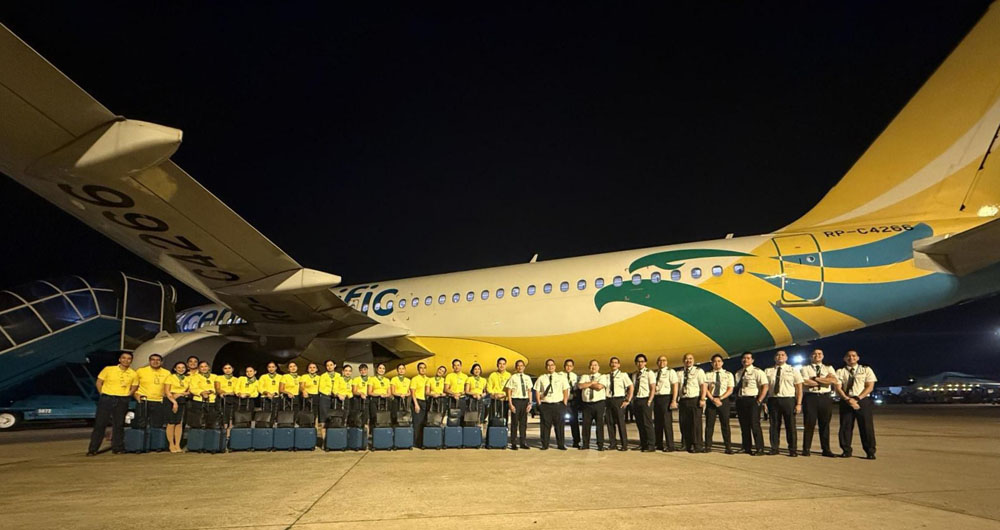
Cebu Pacific flight and cabin crew arrive in Ho Chi Minh City, Vietnam on July 13, 2026 aboard the A320neo aircraft under the wet lease agreement with Vietnam Airlines. Photo courtesy of Capt. Lawrence Ben/Cebu Pacific.
Cebu Pacific has entered into an agreement to provide wet lease services to Vietnam Airlines, the flag carrier of Vietnam.
The agreement covers the deployment of one Airbus A320neo aircraft powered by Pratt & Whitney engines which Vietnam Airlines will utilize for its flight operations between July 15 and September 7, 2026.
The aircraft will be based in Ho Chi Minh City and will be operated by Cebu Pacific pilots and cabin crew. The operation will cover domestic routes from Ho Chi Minh City to Cam Ranh, Phu Quoc, Vinh, Da Nang, and vice versa.
“Vietnam and the broader Southeast Asian market continue to see strong growth in air travel, creating opportunities for airlines to collaborate more closely in meeting demand. As Cebu Pacific’s fleet continues to expand, we are well positioned to deploy our capacity where it is needed most, including through strategic wet lease partnerships during periods of lower demand in the Philippines,” said Mark Cezar, Cebu Pacific Chief Financial Officer.
“This collaboration with Vietnam Airlines enables Cebu Pacific to broaden its role beyond passenger operations by providing operational support to airlines across the region. It also creates new opportunities to diversify our revenue streams while expanding our presence in one of the world’s fastest-growing aviation markets,” he added.
This agreement further demonstrates Cebu Pacific’s strong capability to enter wet lease arrangements with other airlines, both as a lessor and a lessee. In 2023, Cebu Pacific signed a damp lease agreement with Bulgaria Air for two A320ceo aircraft to meet the growing travel demand in the Philippines amid the post-pandemic travel recovery. Cebu Pacific also successfully provided wet lease services to Saudi Arabian low-cost carrier flyadeal, which utilized two A320 aircraft to strengthen the Middle Eastern airline’s fleet during its peak summer flying season in 2025.
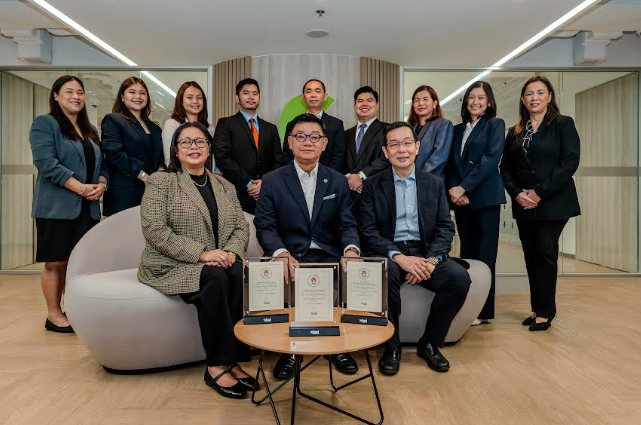
SINGAPORE — Security Bank Corporation and its investment banking arm, Security Bank Capital Investment Corporation, secured a total of nine recognitions at The Asset Triple A Sustainable Infrastructure Finance Awards 2026, highlighting the Group’s role in financing landmark infrastructure projects that expand clean energy supply, strengthen water access, and improve transport connectivity across the Philippines.
The awards recognize the Group’s role in structuring complex transactions across energy, water, and transport, showing its capability to deliver large-scale, multi-sector infrastructure funding in the country.
Among the top recognitions, Security Bank and Security Bank Capital received Asia-Pacific Deal of the Year and Project Finance Deal of the Year for the PHP150 billion Terra Solar Philippines Inc. term loan. Security Bank participated as a lender, while Security Bank Capital acted as co-arranger.
The transaction is the largest project financing in Philippine history and supports the development of the MTerra Solar Project (also known as the Meralco Terra Solar Project), which is poised to become the world’s largest integrated solar and battery storage facility. The project will expand the country’s clean energy supply and help accelerate the Philippines’ renewable energy transition while delivering reliable power to millions of households.
The Group also received Renewable Energy Deal of the Year – Hydro for the Olympia Violago Water & Power Inc. term loan, where Security Bank Capital acted as co-arranger and Security Bank as lender. The project is a 600MW pumped hydro facility in Rizal that improves grid stability and supports the integration of renewable energy.
Security Bank Capital also received a Highly Commended recognition under the same category for the Ahunan Power Inc. project, where it served as co-arranger. The project will fund a 1,400MW pumped storage hydro facility that is expected to play a key role in supporting renewable integration and strengthening energy security. The Bank also participated in the transaction as lender.
Together, these energy projects support both renewable energy generation and large-scale storage, strengthening the country’s ability to integrate clean energy reliably.
In water infrastructure, Security Bank Capital was awarded Water Deal of the Year for its role as domestic co-lead underwriter in the PHP34.3 billion Maynilad Water Services Inc. IPO. The transaction is the first Green Equity issuance in the water sector in Southeast Asia and one of the largest IPOs in the Philippines. Proceeds will support investments to expand water supply, reduce system losses, and improve sewerage coverage, benefiting millions of customers.
In transport infrastructure, Security Bank Capital won Transport Deal of the Year for the PHP20 billion Metro Pacific Tollways Corporation bond issuance, where it served as lead underwriter and bookrunner. The proceeds will support the development and maintenance of key toll roads such as CAVITEX, CALAX, and LLEX, improving connectivity and reducing travel time across key corridors. The deal attracted strong investor demand, with subscriptions nearly three times the offer size.
“These recognitions from The Asset reflect our continued focus on supporting corporate clients in financing projects that drive real impact,” said Yvonne Marcelo, EVP and corporate banking group head of Security Bank. “Through our lending relationships, we enable investments in clean energy, water, and transport that strengthen essential infrastructure and support long-term growth.”
“Our ability to consistently execute complex transactions reflects both the discipline of our structuring approach and the trust our clients place in us,” said Virgilio Chua, president and CEO of Security Bank Capital. “By combining capital markets expertise with strong execution, we help bring critical infrastructure projects to market and support the country’s energy transition.”
The Asset Triple A Awards recognize outstanding transactions across Asia’s capital markets. Through these award-winning transactions, Security Bank and Security Bank Capital continue to support sustainable infrastructure in the Philippines and contribute to a more resilient, low-carbon, and inclusive economy.

FILIPINO cuisine continues to find a confident new audience abroad, with flavors that once felt deeply personal now appearing on global menus and the FYPs of millions all over the world. We all know ube leads the way, celebrated for its striking color and comforting earthiness, while cheese and avocado follow with their quiet richness and unexpected appeal. With the new Sorbetes Fiesta collection, DQ brings these Filipino favorites into the modern spotlight, capturing the comforting tastes of your sweetest memories while giving them world-class magic!
“Sorbetes Fiesta is the newest innovation of DQ. We’re very proud of it because usually we come up with American flavors, but this time around, we asked ourselves, ‘What is very iconic in the Philippines?'” said PPI Holdings, Inc. chief operating officer Chacha Juinio. “I hope everyone gets to try and appreciate how we reimagined iconic sorbetes flavors, which are ube, avocado, and cheese.”
“Sorbetes Fiesta brings a proudly Pinoy twist to the iconic DQ Blizzard. It’s “OG ice cream indulgence” meets “Pinoy OG ice cream,” said DQ Philippines marketing manager Jane Sace.
During the launch of the new offer at Dairy Queen Gateway 2 Mall in Araneta City on July 14, 2026, guests were treated to a sampling session of the Sorbetes Fiesta Blizzards. Filipino-inspired streetwear set the creative tone for the event, with guests also testing their wits in a game of bugtong-bugtong. A high-energy dance number by the DQ crew marked the intermission, followed by a complimentary lunch care of Taco Bell featuring Crispy Chicken and Chalupa meals. The celebration continued with a Fiesta Handaan of pancit, lechon, and kakanin, closing the launch on a festive and flavorful note.
DQ’s Sorbetes Fiesta is crafted to feel familiar the moment you take your first scoop. Featuring three irresistible creations, each Blizzard blends local flavors deeply woven into Filipino culture with DQ’s smooth vanilla base, creating something nostalgic yet exciting. It’s a celebration of creative reinvention and the simple happiness of indulging together!

If ube has always been your flavor, you are someone drawn to depth and quiet indulgence. You appreciate balance and the sense of comfort that lingers long after the last spoonful. For that, there’s the new Ube-st Graham, which blends vanilla soft serve with real ube halaya and crunchy graham pieces, finished with even more ube and graham on top. The result feels rich yet gentle, like a beloved ube dessert thoughtfully reimagined for today!

If quezo has never scared you off, you likely enjoy the dance of sweet and salty, where every scoop is a fun little plot twist. You are playful with your choices, so you’ll surely love the new Klasik Quezo, which mixes vanilla soft serve with cheese sauce and shredded real cheese, then crowns it with an extra layer of cheesy goodness. Each bite delivers that nostalgic savory sweetness that feels bold and distinctly Filipino!

If avocado is your instinctive choice, you are drawn to flavors that feel calm and quietly luxurious. You enjoy richness that unfolds slowly rather than demanding attention. That’s why you’ll never go wrong with the new Avocashew, which blends vanilla soft serve with real avocado puree and crunchy cashew nuts, topped with more avocado and cashews for added depth. It is smooth and nutty, the kind of indulgence that feels effortlessly satisfying!
So, what’s your pick? Whatever it may be, you can have it as your favorite classic Blizzard (starts at P119), served upside-down as always, or get it swirled into a crispy waffle cone (P99), just like the good old times!

Enjoy these treats for dine-in or take-out by visiting any of DQ’s 146 stores nationwide! You can also get them delivered straight to your doorstep by ordering through DQ’s official delivery partners GrabFood, foodpanda, and Pickaroo (prices may vary).

JOLLIBEE, the Philippines’ number one fast food chain, is giving fans another reason to enjoy their favorite meals with the launch of the exclusive JolliBINI Bundles. Available for a limited time, the new promotion pairs Jollibee’s best-loved menu favorites with exclusive collectibles inspired by the nation’s biggest P-pop girl group, BINI.
Available from July 15 to Aug. 31, the JolliBINI Bundles let customers enjoy iconic Jollibee favorites while collecting limited-edition merchandise featuring all eight BINI members. Every bundle comes with random member collectibles, while lucky customers also have the chance to receive a rare Special Group Photocard.
“At Jollibee, we always look for new ways to make every meal more joyful and memorable for our customers,” said Dorothy Ching, vice president for marketing of Jollibee Philippines. “With the JolliBINI Bundles, fans can enjoy their Jollibee favorites while collecting exclusive BINI-inspired merchandise. Every visit becomes an opportunity to discover a new collectible, celebrate their favorite member, and create moments worth sharing with fellow BLOOMs. We hope this campaign brings even more joy as fans collect, trade, and complete their JolliBINI collection together.”
Customers can enjoy two bundle options during the promotional period. The JolliBINI Bundle A, starting at ₱269, includes a choice of an Original or Special Cheesy Yumburger, one-piece Chickenjoy with rice, a regular drink, and one random JolliBINI Collectible Set consisting of a Bag Charm and Photocard. Meanwhile, the JolliBINI Bundle B, starting at ₱399, comes with a choice of an Original or Special Double Cheesy Yumburger, one-piece Chickenjoy with rice, a large drink, and two random JolliBINI Collectible Sets.
By pairing exclusive collectibles with Jollibee’s iconic menu favorites, the latest Jollibee and BINI collaboration transforms every meal into an exciting unboxing experience that fans can enjoy and share.
The launch is expected to spark another wave of online excitement, with BLOOMs sharing unboxing videos, collection reveals, photocard trades, and bag charm styling across social media as they race to complete the full JolliBINI collection and find the coveted Special Group Photocard.
The JolliBINI Bundles will be available in all Jollibee stores nationwide from July 15 to August 31 for dine-in and takeout.
BY ARIEL JAMES P. MERO, KIRSON CASTAÑOS, LINDON ABAPO, AND JERRYHL LOQUINARIO | DSSC Interns
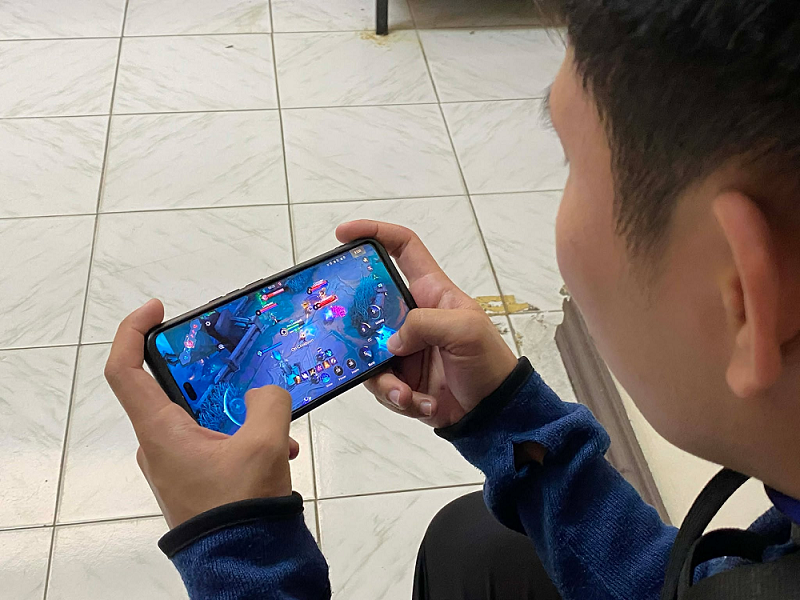
FROM EXCITING virtual adventures and strategic battles to connecting with friends across the globe, online games have become a regular, deeply integrated part of modern youths’ lives.
With just a smartphone, tablet, or computer and a stable Internet connection, young people can spend hours completely immersed in virtual worlds.
While many view online gaming as a valuable source of entertainment and cognitive skill development, others worry about its long-term effects on children’s behavior, academic performance, and overall well-being.
To explore these contrasting perspectives, we sat down with local students, parents, and community members to discuss whether online games do more harm than good.
For many older students, online games are far more than a simple distraction, offering a vital way to relax after school, socialize with peers, and build critical problem-solving skills.
Board exam reviewer Zarina Mae Dipamandan explained that gaming can be an effective stress-reliever when kept under strict control: “Para saakoa kanang ga review nako for board exam, di man jud ma-iwasan na maka-dula’g online games para pangpawala’g stress sa gamay na score (For me, as someone reviewing for the board exam, you really can’t avoid playing online games sometimes to relieve stress from getting a low score).”
Dipamandan also noted that tactical games can even align with real-world career paths, provided they do not interfere with daily responsibilities.
“Regarding sa skills, depende pud kung unsa na games ang iyang gina dula, kunyare siguro kung aspiring siya na maging police, so pwede siya makadula’g mga pusil-pusil, pero dapat to the point na dili na siya maka harm sa imoha and dili maka affect sa imohang activities of daily living (Regarding skills, it depends on the game, like if someone is an aspiring police officer, they can play shooting games, but it shouldn’t reach a point where it harms you or affects your daily activities).”
This perspective is strongly supported by a major National Institutes of Health (NIH) study, which found that children who play video games for three or more hours a day perform significantly better on cognitive tests involving working memory and impulse control compared to those who do not play (Chaarani et al., 2022).

Despite these cognitive benefits, many parents observe a distinct, negative shift in their children’s behavior and temperament when screen time is not actively managed.
Parent Agnes Luna highlights how easily children can become completely absorbed, leading to daily friction and defiance.
“Usahay mag-away namo, kay kung imo siyang sugo-un mo raise naman ang voice kay wala padaw siya nahuman ug dula because kailangan napud nila kay championship na (Sometimes we end up fighting, because when you ask them to do chores, they raise their voice saying they aren’t done playing yet because it is already the championship round),” she said.
Grandmother Jeroline Rafill shared her deep worry after observing that excessive screen time directly alters a child’s character: “Online games man jud, mostly jud baya kanang makada-ot, maka pa usab sa batasan sa bata or character sa bata (Online games, for the most part, are really damaging and can change the behavior or character of a child).”
Psychologists warning about modern Internet gaming behavior note that sudden screen-time interruptions often trigger intense irritability, resistance, and emotional distress in children who struggle with gaming boundaries (Király et al., 2020).

Beyond behavioral shifts, the age at which children are exposed to advanced, highly stimulating gaming environments is a major point of concern.
Zarina Mae Dipamandan cautioned against exposing very young minds to modern, high-tech game designs: “For me, kanang online games sakong perspective, dili dapat siya i-exposed early sa mga bata lalo na karon na high-tech ang mga gaming, dili na siya like katong mga traditional games, naa na’y mga virtual reality (For me, from my perspective, children shouldn’t be exposed to online games early, especially that gaming is so high-tech and unlike traditional games of the past, even featuring virtual reality now).”
Justine Cabriole agreed with this concern, emphasizing that adults must guide children to prevent virtual violence from spilling over into the real world:
“Sa mga games okay ra siya, naa man jud na’y mga violence, pero i-guide lang ang bata ba na dili na i-apply sa tinoud na buhay (With games, it is okay; they really have violence, but we just need to guide the child so they do not apply it in real life),” she said.
Recent developmental research highlights that early exposure to aggressive or mature digital content remains highly problematic, as young children lack the cognitive maturity to process violent themes, potentially leading to behavioral desensitization (Coyne et al., 2021).
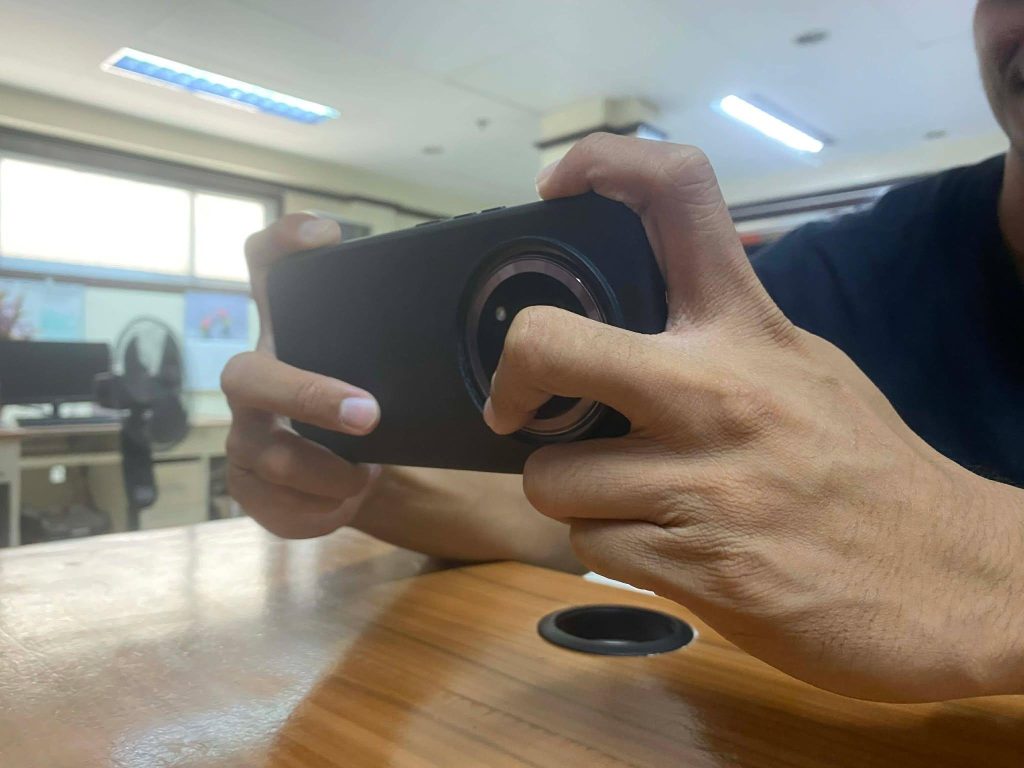
The shift from outdoor physical play to sedentary indoor screen time has also created a quiet health crisis among today’s youth.
Agnes Luna recalled her own generation’s active childhood, contrasting it sharply with today’s indoor-centric lifestyles.
“Lagom kaayo ang mga bata sauna pero mga kusgan kay, naga-dula, naga sipa-sipa, naay exercise. Karon wala na, bata pa naa nay mga sakit kay wala man sila’y physical activities (Kids would get dark under the sun before, but they were very strong—playing, running around, and getting exercise. Now, that is gone, and even at a young age, they have illnesses because they lack physical activities),” she said.
Furthermore, extreme gaming often leads to the neglect of basic physical needs like eating and sleeping, as noted by parent Dhodz Dionaldo: “Pareha anang ML, di jud na maayo kay di naman maka ka-on. Hantod moabot sa oras na lampas na 12 to 1 na, maka daot jud sa tinoud lang walay maka-ayo (Like with Mobile Legends, it is really not good because they won’t even eat… up to the point that they stay awake past 12 or 1 a.m., which truly causes harm and does no good).”
A comprehensive meta-analysis confirms that high screen and gaming duration in children is directly associated with physical health risks, including severe sleep deprivation, poor sleep quality, and externalizing behavior problems (Eirich et al., 2022).
To address these growing challenges, community members and experts agree that strict time limits and active adult supervision are necessary.
Dhodz Dionaldo advised parents to maintain firm boundaries and avoid overindulging their children: “Atong jud ng i-minimize, dili nato babyhon ang isa ka bata (We really need to minimize it; we should not spoil a child),” he said.
Barangay peace officer Jim highlighted how much the media landscape has changed since the 1980s, urging both parents and educators to cooperate.
“Dapat unta more education sa mga bata ug ang mga teacher pud i-educate nila kung unsay bawal (There should be more education for children, and teachers must also educate them on what is harmful),” he told TIMES.
Contemporary pediatric research proves that active parental mediation—where caregivers consistently set rules, discuss content, and limit hours—is a powerful protective factor that improves overall adolescent well-being and reduces screen-related conflicts (Karaca et al., 2020).
Ultimately, online games are neither purely beneficial nor entirely destructive; rather, their impact is shaped entirely by how they are used, how much time is spent playing, and the quality of guidance children receive.
By working together, parents, educators, and communities can foster responsible gaming habits that support a child’s healthy growth while protecting them from the pitfalls of unregulated screen time.
Chaarani, B., Ortigara, J., Yuan, D., Alarcon, G., Owusu, P. N., Montgomery, A., … & Garavan, H. (2022). Association of video gaming with cognitive performance among children. JAMA Network Open, 5(10), e2235711.
Coyne, S. M., Stockdale, L. A., Warburton, W., Gentile, D. A., Yang, C., & Rogers, A. A. (2021). Pathological video game symptoms from adolescence to emerging adulthood: A 6-year longitudinal study of trajectory, predictors, and outcomes. Developmental Psychology, 57(7), 1098–1109.
Eirich, R., McArthur, B. A., Anhorn, C., McGuinness, C., Christakis, D. A., & Madigan, S. (2022). Association of screen time with internalizing and externalizing behavior problems in children: A systematic review and meta-analysis. JAMA Psychiatry, 79(11), 1105–1114.
Karaca, S., Karakoc, A., Can, G., Bektas, H., Okumus, F., & Kaya, M. (2020). The sibling bond, caregiver-child interaction, and parental mediation: Key elements in managing children’s excessive screen exposure. Journal of Pediatric Nursing, 54, e93–e101.
Király, O., Potenza, M. N., Stein, D. J., King, D. L., Hodgins, D. C., Saunders, J. B., … & Demetrovics, Z. (2020). Preventing problematic Internet use during the COVID-19 pandemic: Consensus guidance. International Journal of Environmental Research and Public Health, 17(10), 3679.
KRISTINE CATAMORA & ANGEL NONOL | DSSC Interns
THE LOCAL government is inching closer to institutionalizing an incentive system for establishments hiring persons with disabilities (PWDs), as the proposed ordinance is now at the committee level
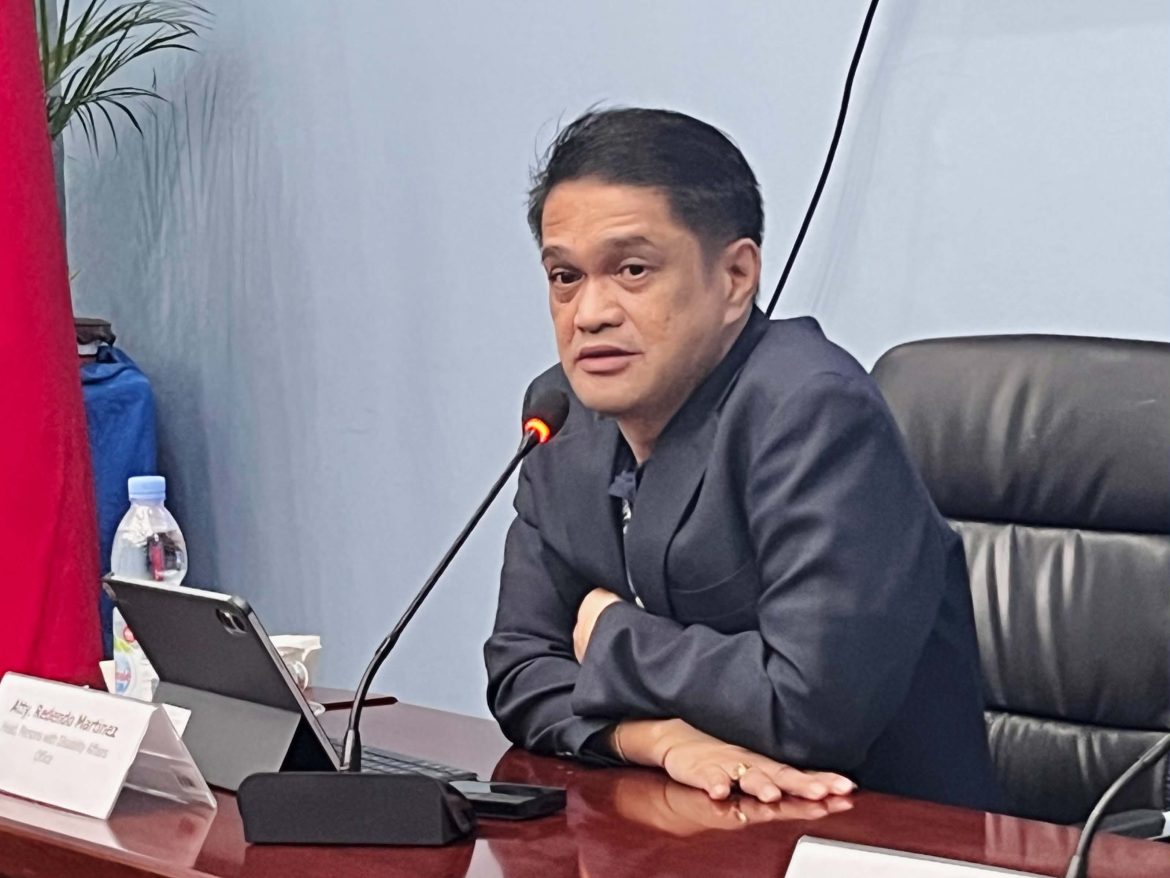
During the iSpeak media forum on Thursday, July 16, Atty. Redendo Martinez, head of the Persons with Disability Affairs Office (PDAO), said that under the measure, establishments that actively hire PWDs will receive a discount when they apply for their business permits.
He said that hopefully, the measure encourages inclusive employment across the city.
Martinez said the ordinance has already been approved in principle, but its finer details, particularly the exact discount rate, are still being refined to ensure the incentive does not compromise the city’s revenue base or its existing programs.
The original proposal called for a full 100% tax reduction on the business permit, equivalent to the salary of the PWD employee. However, concerns were raised that this could significantly deplete the city’s tax revenue, prompting the committee to scale back the proposed rate to a more sustainable level.
“We have to be careful. If we grant a 100% tax reduction, the city might run out of revenue to fund our other programs. That’s why we’re pushing for a more reasonable rate that still gives establishments a real incentive to hire PWDs,” Martinez said.
To help determine the appropriate rate, the City Treasurer’s Office has been tasked with preparing a comparative impact study covering three possible discount levels: 10%, 20%, and 50% of the business tax.
Martinez said the data will be presented at the next committee hearing, giving lawmakers a clearer basis for deciding on a rate that balances support for PWD employment with the city’s fiscal sustainability.
“This is a welcome development for our PWD sector. Employment is one of the biggest challenges our constituents face, and this ordinance opens more doors for them while still being fair to the city’s finances,” Martinez added.
Barring further delays, the ordinance is targeted for implementation by August.
Currently, Jollibee and McDonald’s are among the establishments in the city recognized for consistently hiring senior citizens and PWDs.
Jollibee Foods Corporation, which includes Chowking, Greenwich, and Burger King, has employed PWDs from the deaf and hard-of-hearing sector under the city’s special employment program.
Jollibee’s inclusive hiring practice extends to its sister company, Chowking, while Yakult and SM have also been cited as employers of PWDs in the city.