

BY ALEX ALAGON

BY ALEX ALAGON

THE LATEST assessments of the World Bank, the International Monetary Fund and the Asian Development Bank suggest that the defining challenge of the coming decade is not merely sustaining economic growth, but improving its quality, inclusiveness and resilience.
A More Resilient World, but a More Complex One – Every economy tells two stories.
One is captured in statistics—GDP growth, inflation, employment, trade, and public finance. It is the language of economists, investors, and policymakers.
The other is experienced by people in their daily lives.
It is reflected in whether a young graduate finds a worthwhile job, whether a small entrepreneur can expand a business, whether a farmer can withstand an erratic monsoon, and whether families feel confident that the next generation will enjoy greater opportunities than their own.
The real purpose of economic policy is to connect these two stories.
This is why the latest assessments of the World Bank, the IMF, and the ADB deserve to be read together. Individually, they provide updated forecasts for the global and regional economies.
Collectively, they offer a broader narrative: the world economy has proved more resilient than many expected, but it has also entered a period in which long-term structural challenges are becoming more important than short-term cyclical fluctuations.
The encouraging news is that the global economy has continued to expand despite an extraordinary succession of shocks. Inflation has moderated in many countries, labour markets have generally remained resilient, supply chains have adjusted more quickly than anticipated, and fears of a prolonged global recession have receded. Although growth is expected to remain below the exceptionally strong pace seen immediately after the pandemic, the world economy has demonstrated a capacity to adapt that few would have predicted only a few years ago.
Yet resilience should not be confused with stability.
The global economy is now navigating an environment shaped by profound structural change. Advances in artificial intelligence are transforming production and employment. Climate change is imposing rising costs on agriculture, infrastructure, and public finances.
Demographic transitions are altering labour markets and consumption patterns. At the same time, technological competition and the reconfiguration of global value chains are reshaping international trade and investment.
A World Still Living with Geopolitical Uncertainty
These economic transformations are unfolding against a backdrop of continuing geopolitical uncertainty. The prolonged Russia–Ukraine conflict and the unresolved tensions in West Asia continue to cast a shadow over the global economy. Beyond their grave humanitarian consequences, these conflicts have affected energy markets, shipping routes, commodity prices, investor sentiment, and supply chains. Although the global economy has thus far displayed considerable resilience, these risks remain significant and could alter the economic outlook if they intensify. They also reinforce an important lesson: economic resilience today depends not only on sound domestic policies but also on a stable and cooperative international environment.
Against this backdrop, the policy message emerging from the three flagship reports is remarkably consistent.
Governments can no longer rely solely on short-term macroeconomic management. Controlling inflation, maintaining fiscal discipline, and preserving financial stability remain essential, but they are only the starting point. The more fundamental task is to strengthen the long-term foundations of growth through higher productivity, better infrastructure, stronger institutions, technological innovation, human capital, and climate resilience.
In many respects, this marks an important evolution in development thinking.
For much of the post-war period, economic success was judged primarily by the rate of GDP growth. That focus was understandable. Faster growth generated employment, raised incomes, and lifted millions of people out of poverty, particularly across Asia.
Today, however, policymakers are asking a more demanding question.
How can growth become more productive, more inclusive, and more sustainable?
That question lies at the heart of the latest global assessments.
A Snapshot of the Emerging Outlook
Economy/Region
Broad Outlook
The Larger Message
Global Economy
Asia
ASEAN
South Asia
China
India
The table summarises broad trends rather than individual forecasts. The precise numbers will inevitably change with every update. The larger narrative, however, is becoming increasingly clear.
The center of gravity of the global economy continues to move towards Asia. But the defining question is no longer whether Asia will remain the world’s fastest-growing region. It is whether the region can convert economic dynamism into lasting improvements in productivity, employment, resilience, and human well-being.
That is the challenge to which we now turn.
If the global economy is entering a new phase, Asia remains at the centre of that transformation. The latest assessments leave little doubt that the region will continue to account for the largest share of global economic growth over the medium term. Rising domestic demand, expanding middle classes, technological progress and continued investment in infrastructure are expected to keep Asia as the principal engine of the world economy.
Yet, the nature of Asia’s growth is changing.
For much of the past four decades, the region’s remarkable success rested on export-led industrialisation, abundant labour and deeper integration into global markets. Those foundations remain important, but they are no longer sufficient. The next chapter of Asia’s development will increasingly depend on innovation, productivity, digital transformation, climate resilience, and the quality of public institutions.
Within Asia, ASEAN offers an instructive example. Often overshadowed by the size of China and India, Southeast Asia has quietly emerged as one of the world’s most resilient and dynamic regional economies. Expanding intra-regional trade, a rapidly growing digital economy, recovering tourism, and the diversification of global supply chains have strengthened the region’s prospects.
Continued investment in infrastructure, education, and technology will determine whether ASEAN can convert this momentum into sustained long-term development.
South Asia, too, enters this period with considerable strengths. It remains among the fastest-growing regions of the world, supported by favorable demographics and expanding domestic markets. But demographic advantage is not automatic. It must be supported by quality education, healthcare, skills, productive employment, and adequate infrastructure. Without these, the demographic dividend could become a missed opportunity rather than an enduring strength.
China and India, the region’s two largest economies, will continue to shape not only Asia’s future but also that of the global economy.
China’s economy is now transitioning from an era of exceptionally rapid expansion to one that places greater emphasis on productivity, technological innovation, domestic consumption, and higher-quality development. Although its growth rate has moderated, the sheer size of the Chinese economy means that it will continue to make a substantial contribution to global output and global growth for years to come.
India presents a different, but equally significant, story. It remains among the fastest-growing major economies, supported by robust domestic demand, demographic strength, digital transformation and continuing structural reforms. The challenge now is to ensure that this momentum is translated into productive employment, higher manufacturing competitiveness, stronger agricultural productivity, better human capital, and broader regional inclusion.
The comparison between China and India should therefore not be reduced to a simple race over annual growth rates. China’s significance lies primarily in the scale of its economy and its continuing influence on global production, trade, and investment. India’s importance lies in its growth momentum, demographic profile, and expanding role in the world economy. Together, they will remain central to Asia’s and the world’s economic future.
From Managing Growth to Building Development
The deeper message emerging from the latest global assessments is that the development agenda itself is evolving.
Macroeconomic stability, prudent fiscal management, and low inflation will always remain essential. But they are increasingly being viewed as the foundations upon which broader development objectives must be built, rather than as ends in themselves.
The next generation of economic reforms will need to focus on raising productivity, encouraging innovation, investing in education and healthcare, strengthening institutions, accelerating the transition to cleaner energy, and preparing societies for rapid technological change. Economies that succeed in these areas are likely to prove more resilient, more competitive, and more inclusive.
This represents an important shift in emphasis.
For decades, GDP growth served as the principal measure of economic success. It remains indispensable, providing a vital indicator of production and economic activity. But experience has also demonstrated its limitations.
An economy can grow rapidly without creating sufficient quality jobs.
National income can rise while inequality widens.
Industrial expansion can occur alongside environmental degradation.
Technological progress can leave many people behind if skills and institutions fail to keep pace.
These realities remind us that GDP is an important measure of economic performance, but it is not a complete measure of development.
Development is ultimately about people.
It is about expanding opportunities, strengthening capabilities, and improving the quality of life. It is reflected in better education, accessible healthcare, productive employment, resilient infrastructure, environmental sustainability, and institutions that inspire confidence.
Viewed through this broader lens, the message from the World Bank, the IMF, and the ADB is remarkably consistent. The challenge before governments is no longer simply to achieve faster growth. It is to ensure that growth becomes more productive, more inclusive, more sustainable, and more resilient.
That is the next frontier of economic policy.
Conclusion
Economic forecasts will continue to change as circumstances evolve. Growth projections for 2026, 2027, or 2028 will inevitably be revised. That is the nature of economic forecasting.
What is less likely to change is the broader direction of development policy.
The world is moving towards an economic framework in which resilience matters as much as expansion, productivity as much as production, and opportunity as much as output.
For Asia, this transition presents an extraordinary opportunity. The region already drives much of the world’s economic growth. Its next challenge is to ensure that this growth generates better jobs, stronger human capital, cleaner technologies, more innovative enterprises, and more inclusive societies.
If it succeeds, Asia will contribute not only to global GDP but also to a richer and more sustainable model of development.
Perhaps that is the most enduring lesson from the three flagship reports.
They are not simply forecasting the future of the global economy.
They are pointing towards the future of development itself.
The future will belong not merely to the economies that grow the fastest, but to those that develop the best.
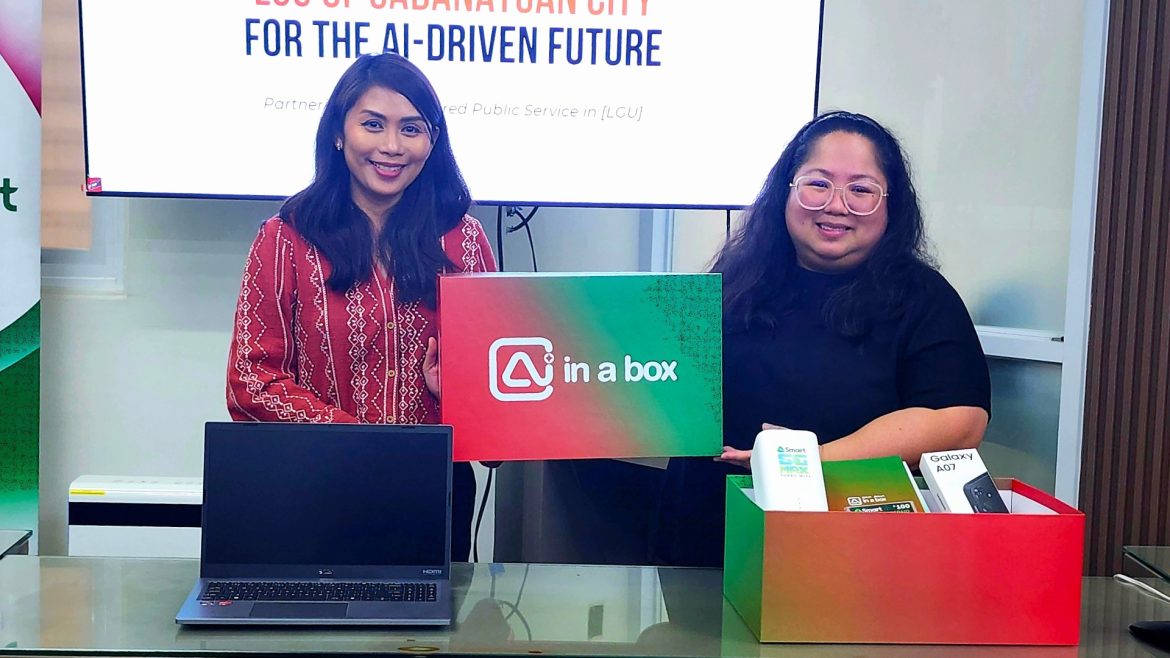
CABANATUAN City takes a huge leap into a smarter future with PLDT and Smart’s AI-in-a-Box program. Under the initiative, the city government will develop its own AI-powered solution aimed at making public services smarter and more efficient.
“We see artificial intelligence as a practical tool for improving governance and delivering better outcomes for our people,” said Mayor Myca Elizabeth R. Vergara of Cabanatuan City. “We are committed to institutionalizing this initiative and integrating it into our operations. This is part of our broader vision of building a smarter, more responsive city government that listens, acts, and serves more effectively.”
With support from PLDT-Smart Foundation and Microsoft Philippines, AI-in-a-Box is the PLDT Group’s initiative to make artificial intelligence more accessible to communities, combining digital tools, connectivity, and training to help organizations and local governments turn emerging technologies into practical solutions. Each kit includes a laptop, a smartphone, a connectivity device, and premium access to AI tools.
“AI-in-a-Box is about helping communities turn innovation into tangible benefits for the people they serve. By giving local governments access to practical AI tools and training, we hope to support more responsive public services, strengthen digital capabilities, and create more opportunities for Filipinos to thrive in an increasingly digital world,” said Roby A. Alampay, FVP and Head of Public Engagement at PLDT and Smart.
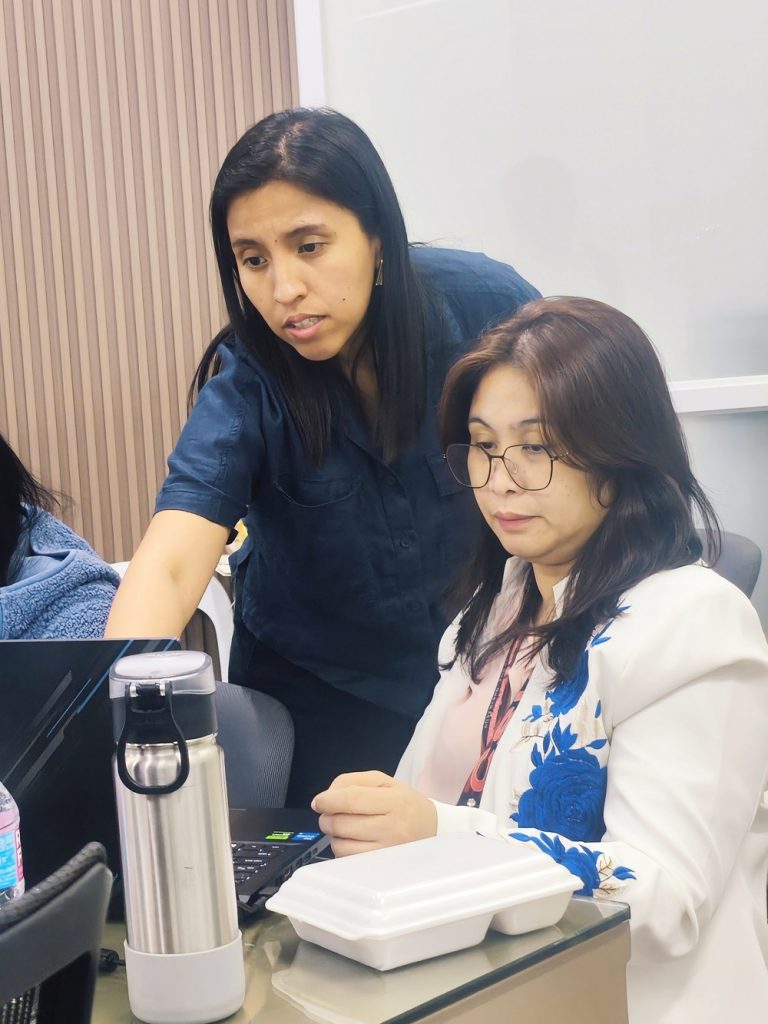
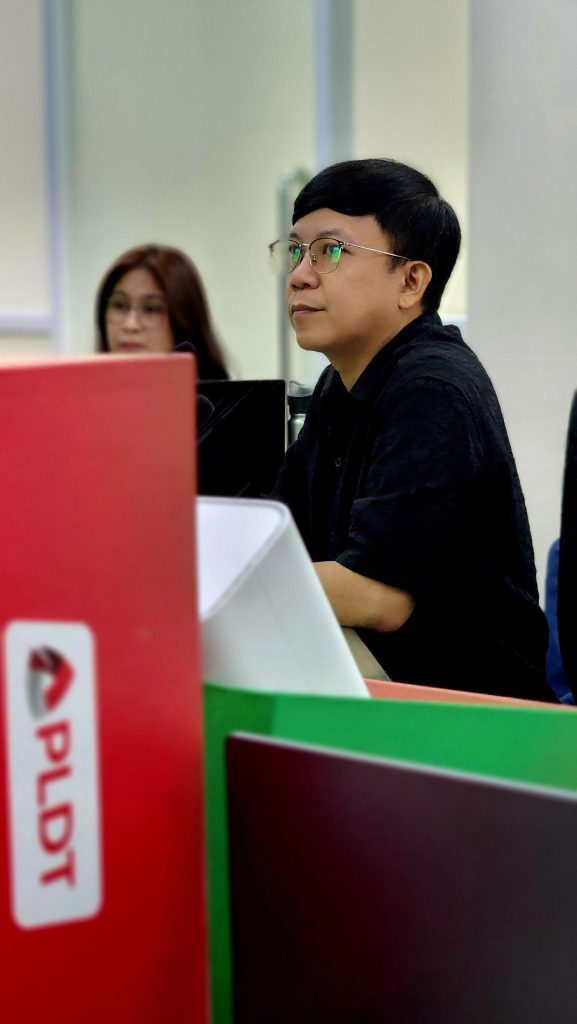
Key personnel from different city government offices have been brought in for the AI mentorship and acceleration program. In the next few months, these Cabanatuan City LGU personnel will develop a centralized query platform that will receive citizen concerns and route them to the appropriate office. Powered by AI, the system is expected to streamline public feedback management and help shorten response times for requests and inquiries. The city plans to integrate the solution into the existing ‘MyCabanatuan’ application.
As Cabanatuan City begins its AI Mentorship journey together with PLDT and Smart, it becomes one of several local government units exploring how technology can help make public services more responsive and accessible.
The city joins Baguio City, Cebu City, and the province of Lanao del Sur, which have likewise partnered with PLDT and Smart to tap AI-enabled solutions for local governance.
Through AI-in-a-Box, PLDT and Smart provide participating communities with access to digital tools, training, and mentorship as they build solutions designed to address local concerns. The initiative supports the PLDT Group’s much broader efforts to expand digital inclusion and encourage innovation in line with the UNSDG 9 on Industry, Innovation, and Infrastructure.

MANILA, Philippines — OPM mainstays Moonstar88, composed of Maysh Baay (vocals, guitars), Herbert Hernandez (guitars), and Bon Sundiang (drums), are set to release their heartwarming new single, “Kape Tayo,“ on July 10 across all major digital streaming platforms.
Known for creating songs that resonate with listeners through honest storytelling and memorable melodies, the band returns with a track that celebrates the beauty of slowing down and reconnecting with the people who matter most. Inspired by the simple act of sharing coffee, “Kape Tayo” reminds listeners that some of life’s most meaningful conversations happen in the quietest moments. Whether it’s catching up with an old friend, spending time with a loved one, or simply taking a break from the demands of everyday life, the song serves as an invitation to pause, listen, and be present.
“Kape Tayo” was born from Moonstar88’s own experiences of gathering over coffee, where conversations naturally flow, and genuine connections are formed. For the band, the phrase “Kape tayo” has become much more than an invitation for a drink—it is their way of saying, “I want to spend time with you.” Inspired by these shared moments, the song captures the laughter, reflection, comfort, and healing that often happen around a cup of coffee.
It celebrates the simple yet meaningful pauses in everyday life, reminding listeners that some of the most honest conversations and lasting memories are created in the company of people who matter most. As the song unfolds, coffee becomes a quiet witness to life’s changing seasons, from celebrating milestones and chasing dreams to finding strength and comfort during difficult times.

Musically, “Kape Tayo” embraces a laid-back and comforting atmosphere that perfectly complements its heartfelt message. The band intentionally crafted the track to recreate the familiar feeling of sitting inside a cozy café while the world continues to move outside, allowing listeners to slow down and simply enjoy the moment.
During the recording process, Moonstar88 focused on delivering a relaxed and natural performance, with vocalist Maysh even recording some of her vocal takes while seated on the studio floor to capture the song’s intimate vibe. Further elevating the track is its lush string section, which features real strings arranged by Ria Osorio, adding warmth, depth, and emotional texture that beautifully complements the song’s reflective and heartfelt message. “Kape Tayo” also brings together a talented team of collaborators, including Rye Sarmiento of 6cyclemind as producer and songwriter Darwin Hernandez, whose contributions helped shape the song’s rich and heartfelt sound.
To celebrate the release of “Kape Tayo,” Moonstar88 is bringing the experience directly to fans through the “Kape Tayo” Coffee Tour, an intimate series of acoustic performances in cafés across Metro Manila and Antipolo. Instead of traditional concert venues, the band chose coffee shops that embody the spirit of the song, creating spaces where music, coffee, and meaningful conversations naturally come together. Fans will have the opportunity to hear the new single performed live while enjoying the cozy atmosphere that inspired its creation. The tour reflects the band’s belief that music is best experienced in places where people can relax, connect, and create lasting memories with one another. The tour will culminate with a special performance at the Manila Coffee Festival 2026 at SM Megamall on July 18, bringing together coffee lovers and music fans for the celebration of the “Kape Tayo.”


As “Kape Tayo” makes its debut on July 10, Moonstar88 hopes listeners will embrace the song as a reminder to slow down in an increasingly fast-paced world. The band encourages everyone to make time for the people they love, appreciate the conversations that matter, and find comfort in life’s quiet moments. Whether enjoyed over a morning cup of coffee, during a late-night catch-up with friends, or while taking a peaceful break alone, “Kape Tayo” is meant to be the soundtrack to meaningful connections. Through this release and the Coffee Tour, Moonstar88 continues to prove that sometimes the most unforgettable memories begin with two simple words: “Kape tayo.”
“Kape Tayo” will be available on Spotify, Apple Music, YouTube Music, Deezer, and all major digital streaming platforms beginning July 10.
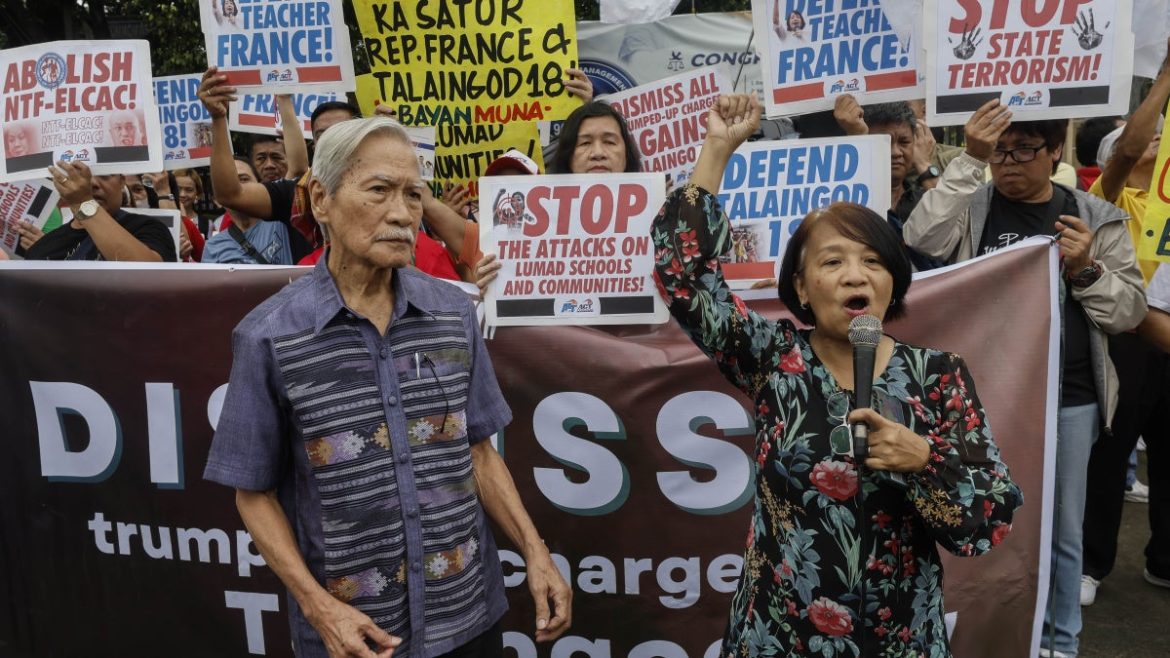
THE NATIONAL Task Force to End Local Communist Armed Conflict (NTF-ELCAC) has rejected ongoing efforts to revoke the child abuse conviction of former lawmaker Satur Ocampo, former ACT Teachers Partylist representative France Castro, and 11 others, calling the moves a “coordinated campaign” to escape legal accountability.
In a statement, Undersecretary Ernesto C. Torres Jr., NTF-ELCAC executive director, said they support the Ata-Manobo Tribal Council of Elders and the Indigenous Political Structure of Talaingod, which have condemned the actions of the accused.
The statement follows a July 2024 ruling by the Tagum City Regional Trial Court that found Ocampo, Castro, and their co-defendants guilty of child abuse stemming from a November 2018 incident in Talaingod, Davao del Norte.
Supporters of the accused have since petitioned to overturn the conviction, framing the court’s decision as “lawfare” and a “criminalization of care.”
‘Exploitation, plain and simple’
The NTF-ELCAC strongly disputed the defense’s narrative that the 2018 incident was a humanitarian “rescue mission” of IP students.
According to the task force, the defendants transported minors in the middle of the night through treacherous terrain and heavy rains without securing parental consent or informing ancestral tribal leaders.
“The defendants’ actions… are antithetical to genuine care,” the statement read. “This was exploitation, plain and simple.”
The task force raised critical questions regarding the group’s motives, challenging why established indigenous governance structures were bypassed, and why the children were taken to the politically charged UCCP Haran evacuation center in Davao City instead of being turned over to official state welfare agencies like the Department of Social Welfare and Development (DSWD) or the Department of Education (DepEd).
The Salugpungan School Controversy
Central to the state’s argument is the nature of the Salugpungan Ta’Tanu Igkanogon Community Learning Center schools, where the children were enrolled.
The NTF-ELCAC reiterated testimonies from former rebels, teachers, and students given during Senate inquiries, alleging that these alternative learning centers were operated by the Communist Party of the Philippines-New People’s Army-National Democratic Front (CPP-NPA-NDF) as recruitment and indoctrination pipelines.
The task force further claimed that international investigations by the United Nations since 2023 have recognized the vulnerability of isolated indigenous youth to child recruitment, urging governments to prosecute those responsible.
“Overturning the conviction of Ocampo, Castro, and their cohorts would not only ignore these grave findings but also embolden efforts to resurrect these dangerous pipelines under a false banner of legitimacy,” Torres warned.
Legitimate Educational Alternatives
The NTF-ELCAC emphasized that the local Ata-Manobo elders are fiercely resisting the reopening of these alternative schools to prevent a return of armed conflict in their ancestral domain.
In place of the shuttered institutions, the government highlighted its commitment to delivering accredited, state-run education to the region, citing the recent completion of a legitimate school in Sitio Nalubas, Barangay Palma Gil.
The task force called on the public and human rights advocates to stand with the Talaingod community and reject attempts to undermine the judiciary’s verdict.
“Stand firm for accountability, stand with Talaingod, and stand for the future of our indigenous youth,” the statement concluded.
Meanwhile, Castro and Ocampo have yet to respond regarding the matter.

THE DEATH toll from the devastating flash flood that struck Barangay Tanuman in this municipality on Friday, July 10, 2026, has risen to three, local officials confirmed.
In an update released by Jose Abad Santos Mayor Jason John Joyce as of 6 p.m. on Sunday, July 12, search and retrieval teams have recovered three bodies from the disaster site.
Meanwhile, emergency responders are racing against time as six individuals remain missing. One resident was reported injured and is currently receiving medical treatment.
The tragedy occurred after intense, localized heavy rains triggered a sudden rush of floodwaters, catching residents by surprise and sweeping away several homes.
Joint rescue teams—composed of personnel from the Provincial and Municipal Disaster Risk Reduction and Management Offices (PDRRMO/MDRRMO), the Philippine Army, the Philippine National Police, and local volunteers—are actively scouring the affected areas and coastlines to locate the six missing residents.
Local authorities continue to conduct a Rapid Damage and Needs Assessment (RDANA) to determine the full extent of the displacement and structural damage in Barangay Tanuman and neighboring areas.
Mayor Joyce has urged residents in low-lying and landslide-prone areas to stay vigilant and cooperate with evacuation orders as weather monitoring persists.

THE DEPARTMENT of the Interior and Local Government (DILG) XI plans to institutionalize a rigorous infrastructure auditing program to mitigate casualties and property damage ahead of projected high-magnitude earthquakes in Mindanao.
Henry Villanueva, Engineer III at the DILG XI Project Development Management Unit, said the initiative aligns with the department’s role as vice chair for disaster preparedness at the national level.
The agency is currently collaborating with academic institutions, including the University of Mindanao and Ateneo de Davao University, to roll out specialized training programs for civil engineers and local building auditors.
Following an initial training phase last month, DILG XI has scheduled a targeted training session from August 25 to 27 for LGU engineers who will head the building inspection teams.
“Yung na-train namin na engineers as focal, kasama dun sa mga team nila, i-train din namin locally dun sa LGUs mismo para makita nila yung mga minimum at basic requirements para makita yung ano ang dapat gawin kung sa isang building kung merong problema,” Villanueva told reporters during Kapehan sa Davao on Monday, July 13.
The trained engineers will serve as regional focal persons to instruct local teams on basic structural safety requirements.
The program stemmed from growing concerns over seismic vulnerabilities in the region, and while Metro Manila frequently prepares for “The Big One,” the DILG warned that a potential “Bigger One” or “Biggest One” will hit Mindanao.
Villanueva referenced the past 7.8-magnitude quake in Davao Oriental and Cotabato, and the recent June 8 earthquake offshore Sarangani, which claimed several lives due to a distinct lack of structural preparedness.
The official added that the infra audit aims to pinpoint buildings susceptible to collapses at Intensities 7 and 8, and to prioritize critical public facilities for engineering interventions like retrofitting.
“Makita na namin after the audit kung sa ganitong klaseng lindol ilan ba yung building mag-collapse, then yung mga highly essential facilities i-re-recommend namin na i-retrofit kung talagang mababa yung quality. Ito yung mga program na pino-focus namin ngayon sa DILG,” he said.
DILG- XI is coordinating with the Department of Public Works and Highways, the Association of Structural Engineers of the Philippines, and various civil engineering societies for the updating of guidelines.
He said that following the infra audit, the audit findings will be reintegrated into updated national building codes and push for local ordinances, including building geo-tagging, to legally mandate retrofitting.
When asked about non-compliance of local government units, he said that the agency is discussing specific provisions to ensure strict compliance with audit recommendations.
The agency aims to fully transition from regional capacity-building to actual local deployment within the year to ensure local assessment teams are equipped to audit their respective municipalities.

FOR OVER a decade, Maui’s horizon was hemmed in by the jagged ridges and dense, unforgiving canopies of Davao’s mountain ranges.
To the 27-year-old former combat medic, the world was cut strictly down the middle: there was “the movement,” and there was the government—the enemy.
Today, that worldview has completely shattered. Sitting across from peace program officers in Davao City, Maui (real name withheld for security) holds a single, newly minted sheet of paper that has legally altered her trajectory: a Safe Conduct Pass (SCP).
“For me, it feels like we’ve been given a completely new life,” Maui said, her relief palpable. “We are free now. We don’t have to constantly worry about being arrested anymore. We finally have a document that proves we have returned to the folds of the law.”
Maui is just one of 87 former rebels who were formally awarded SCPs by the Local Amnesty Board (LAB) Davao during a ceremonial handover at the 1003rd Infantry Brigade.
For these returnees, the document is a critical legal shield, granting total immunity from arrest while their permanent, official amnesty applications are processed by the state.
The bait of education

Maui’s descent into the underground armed struggle began in 2015. Like thousands of youth across far-flung, impoverished communities in Mindanao, she harbored a simple, urgent ambition: finish college and lift her family out of poverty.
When communist recruiters approached her, they didn’t just offer political ideology—they offered a way out. They promised to finance her education.
“They promised me that if I joined the movement, they would send me to school,” she recalled.
Instead, the promise turned out to be a tactical deception. Upon arriving in the mountains, she was never handed textbooks. Instead, she was handed a medical kit and a rifle. Thrust into the grueling, transient life of a combatant, she spent the next five years running from military operations while treating the casualties of conflict.
Motherhood under bombardment
The weight of the movement’s broken promises shifted from heavy to terrifying when Maui became a mother.
In 2019, seven months pregnant with her first child, she was forced to hike down the mountains to give birth in secret. Just two months later, she had to leave her newborn infant behind with relatives to report back to her unit in the field.
Her breaking point came during her second pregnancy. Six months pregnant and heavy with her child, her unit was caught in the crossfire of an intense military bombardment.
“Things change when you have a family already,” Maui said, recalling the sound of explosions ripping through the mountain silence. “You keep on thinking about going home. You start asking yourself: If I die today, who will raise my two kids?”
In December 2020, Maui was captured by government troops. Prepared for harsh treatment or retaliation, she was instead met with immediate medical care and safety. It was the turning point that permanently de-radicalized her. The soldiers she had been trained to hate became the very people who guaranteed her survival.
A new legacy
Because she possessed a clean legal record prior to her capture, Maui’s application was fast-tracked by the Office of the Presidential Adviser on Peace, Reconciliation and Unity (OPAPRU) and LAB-Davao.
While her transition has been smooth, her household remains in a delicate limbo; her husband’s SCP remains pending due to ongoing legal cases tied to his time in the underground.
Nevertheless, Maui says the immediate protection she holds has allowed them to step out of the shadows.
Now safely integrated into the civilian community of Asuncion, Davao del Norte, Maui is focused entirely on securing the one thing stolen from her 11 years ago: a proper education—not for herself, but for her children.
In a stark twist of irony, when asked what they want to be when they grow up, both of her young children eagerly state they want to enlist as soldiers.
“We do not discourage them because that is their prerogative,” Maui smiled. “We just want their perspective of the world to be different from what ours used to be.”
A warning to urban youth
Now working alongside peace advocacy groups, Maui is using her story to issue a stark warning to students in urban “white areas” who are actively targeted by legal fronts and underground recruiters.
While she emphasizes that expressing grievances through democratic means is a fundamental right, she urges the youth to recognize the line between activism and armed manipulation.
“It is okay to stand up for your rights and express your grievances through rallies; that is your right,” Maui stated firmly. “But please, do not let it reach the point where you take up arms against the government. Do not reach the point where we, as Filipinos, are killing one another. Life on the inside is incredibly bitter, and there is absolutely no future for you there.”
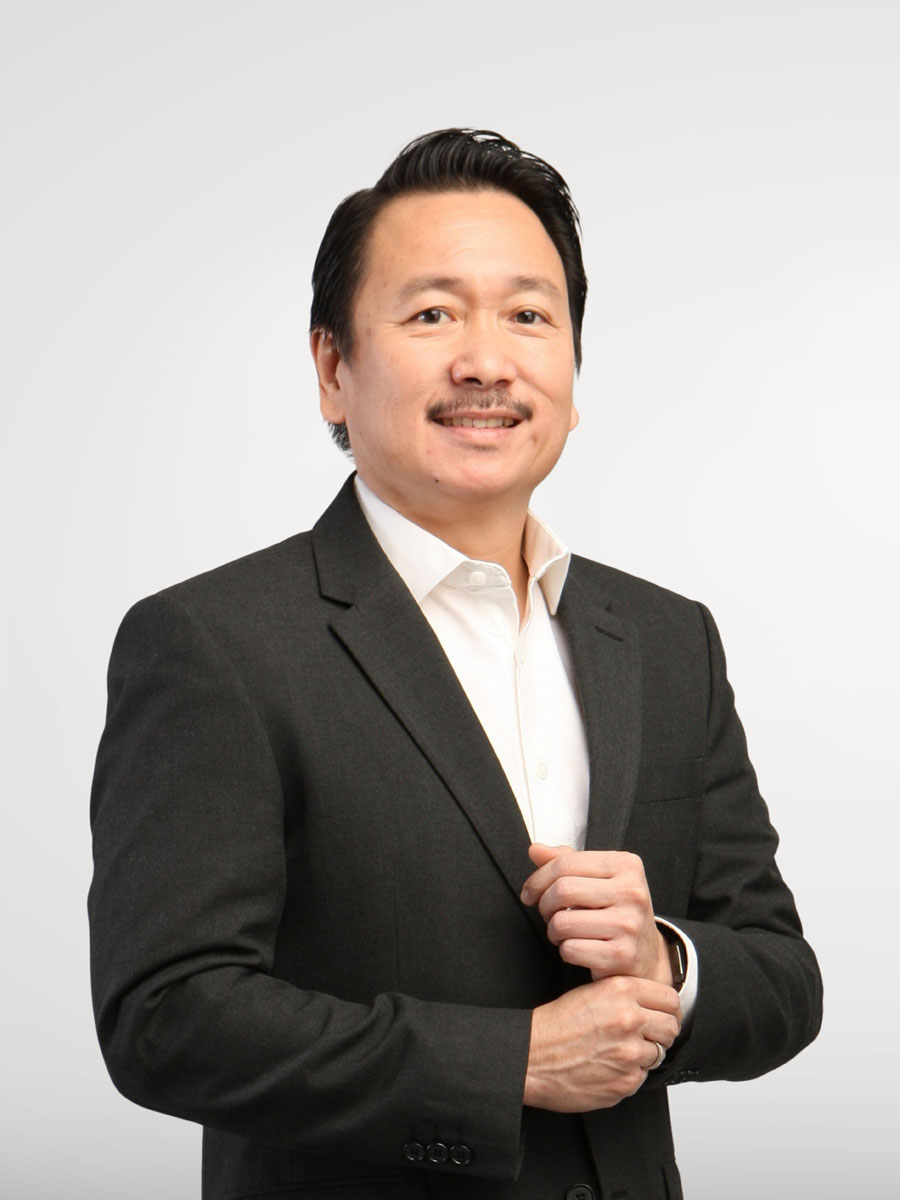
Go joins the insurer’s executive committee, reinforcing Manulife’s focus on expanding corporate solutions and multi-channel growth
MANILA—Manulife Philippines, the local arm of leading international financial services provider Manulife, has appointed Erwin Go as Chief Corporate Solutions and Alternative Distribution Officer. In this role, he joins the company’s executive committee.
Go will lead the development and execution of Manulife Philippines’ corporate solutions and alternative distribution strategy, strengthening capabilities across group insurance, partnerships, and emerging distribution channels. His appointment underscores the company’s focus on diversifying growth and enhancing customer and partner experiences.
“Erwin has been instrumental in advancing our Corporate Solutions and Alternative Distribution business, bringing strong commercial leadership and deep industry expertise,” said Rahul Hora, President and Chief Executive Officer, Manulife Philippines. “His ability to drive growth while building high-performing teams and strong client relationships positions us to capture new opportunities and deliver greater value to our customers and partners.” “I’m honored to take on this role at an exciting time for Manulife Philippines,” said Erwin Go, Chief Corporate Solutions and Alternative Distribution Officer, Manulife Philippines. “We see strong opportunities to deepen partnerships, expand our corporate solutions portfolio, and deliver more relevant, customer-focused offerings that help Filipinos live longer, healthier, and more financially secure lives. I look forward to working closely with our teams and partners to accelerate growth and innovation across the business.”
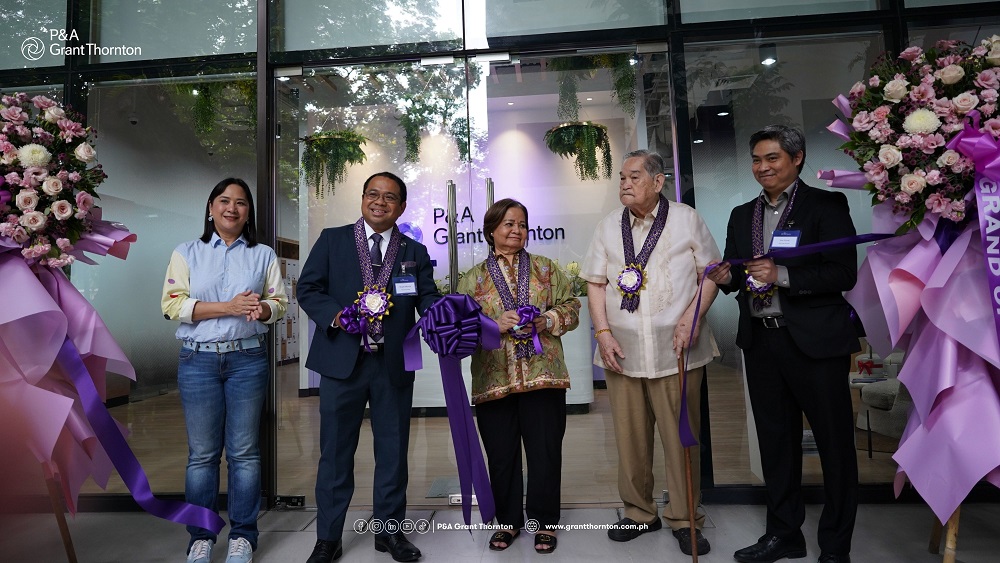
P&A Grant Thornton officially opens its new office in Pampanga, June 26, 2026. At the ribbon-cutting ceremony are Punongbayan & Araullo’s Co-Founder, Jose G. Araullo, P&A Grant Thornton’s Chairman and Managing Partner Romualdo V. Murcia III, Vice Chairman and Deputy Managing Partner Atty. Olivier D. Aznar, Pampanga Governor Lilia Pineda, and Pampanga Senior Provincial Board Member Fritzie David-Dizon.
FOR MORE than three decades, P&A Grant Thornton has continued to empower businesses with expert insights, superior service, and a trusted partnership built to last. From its little home in Makati, the Firm made its way across the Philippines as more offices opened in Davao, Cebu, and Cavite.
And now, P&A Grant Thornton is expanding its reach to the north with the opening of its new office in Pampanga, bringing world-class professional services closer to businesses in Central Luzon and beyond, supporting the region’s continued economic growth.
Located within the Clark Freeport Zone, a premier business and investment hub, P&A Grant Thornton’s new office is positioned to serve a growing number of enterprises across various industries. This strategic expansion reflects the firm’s confidence and its potential as a key driver of regional development while fostering local talent and creating new employment opportunities.
With the expansion in Pampanga, this milestone reflects the vision, values, and courage of P&A Grant Thornton’s founders. During the inauguration ceremony on June 26, 2026, the firm’s Co-Founder, Mr. Jose Araullo, emphasised how the firm’s journey has been driven by a steadfast commitment to its core values, enabling it to reach milestones while staying true to its purpose.
“When Ben Punongbayan and I started the firm in 1988, at the very start, we inculcate our work with dedication and integrity. I remember the time when other firms were saying that we would not last three months. But today, we are still here bringing our expertise to businesses and serving communities and our people for more than 30 years. I am so happy that our virtues of dedication and integrity continue to be the compass of the present generation of P&A leaders until now,” Araullo said.
Chairman and Managing Partner Romualdo V. Murcia III highlighted the strategic expansion of the firm and their commitment to delivering quality service within and beyond the region.
“Today is more than the opening of a new office. It’s a meaningful step forward in our journey as a firm, bringing us closer to the clients we serve, the communities we support, and the people who will shape our future. By establishing our presence here in Pampanga, we reaffirm our commitment to be more accessible, more expansive, and more deeply connected to the needs of organisations across Central and Northern Luzon and beyond,” Murcia said.
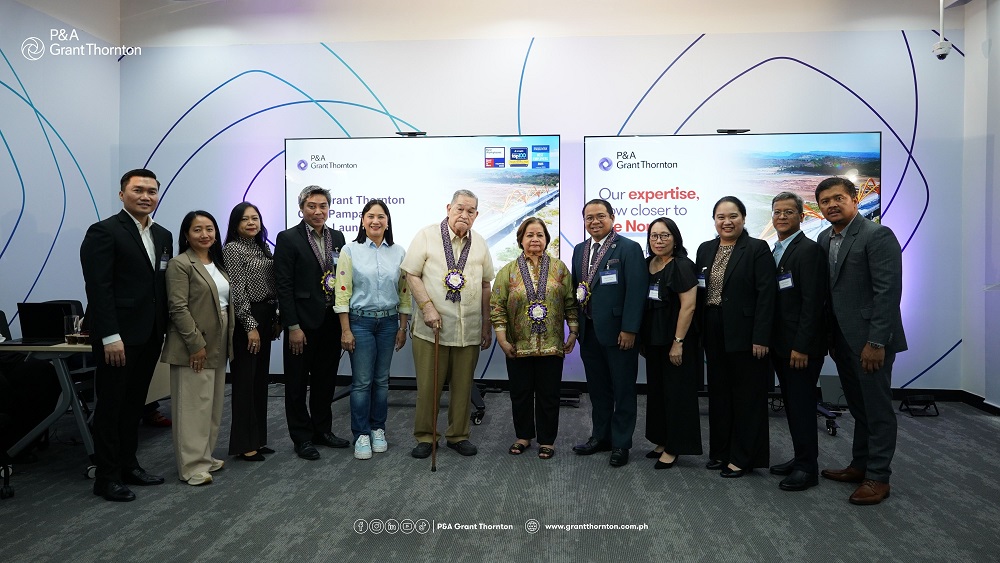
For Elano Marcelo, P&A Grant Thornton’s Partner and Business Process Solutions Practice Leader, the Clark Office launch provides an opportunity to strengthen the firm’s local presence and aid in the growth of organisations.
“Bringing P&A Grant Thornton to the northern region reflects our commitment to expanding accessible, trusted, and high-quality services for existing and potential clients. Strengthening our local presence means that we are better positioned to understand evolving needs, deliver tailored support, and help organizations operate more efficiently and grow with confidence,” he said.
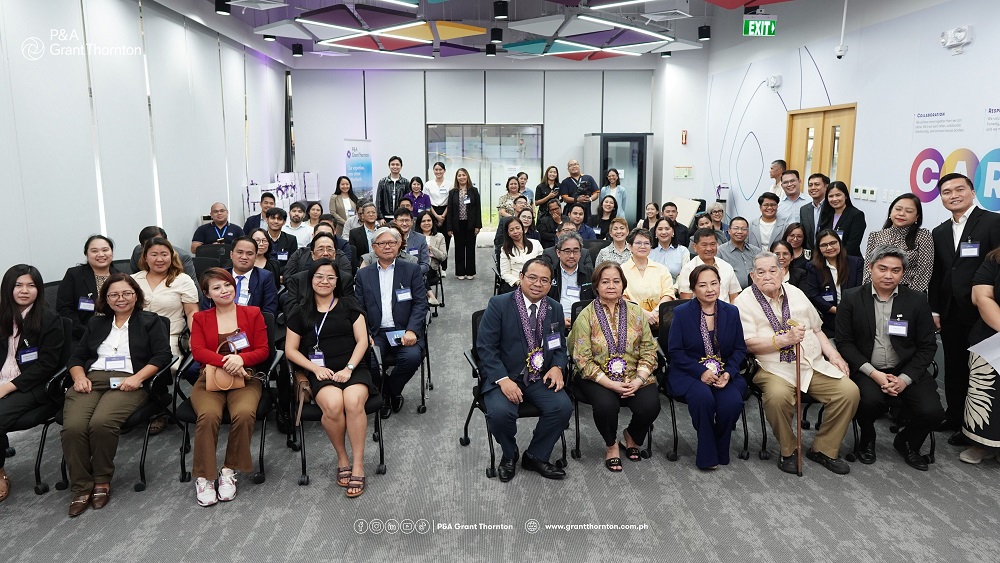
With more than 1,500 skilled talents, P&A Grant Thornton’s expansion in the north underscores its commitment to creating meaningful career opportunities in the region while strengthening its capacity to deliver consistently excellent service.
“By building and growing diverse teams closer to clients, we aim to provide more responsive, high-quality support and draw on deep local insight to better serve organisations not just in Central Luzon but in neighboring regions as well,” Atty. Olivier Aznar, P&A Grant Thornton’s Vice Chairman and Deputy Managing Partner, highlighted.

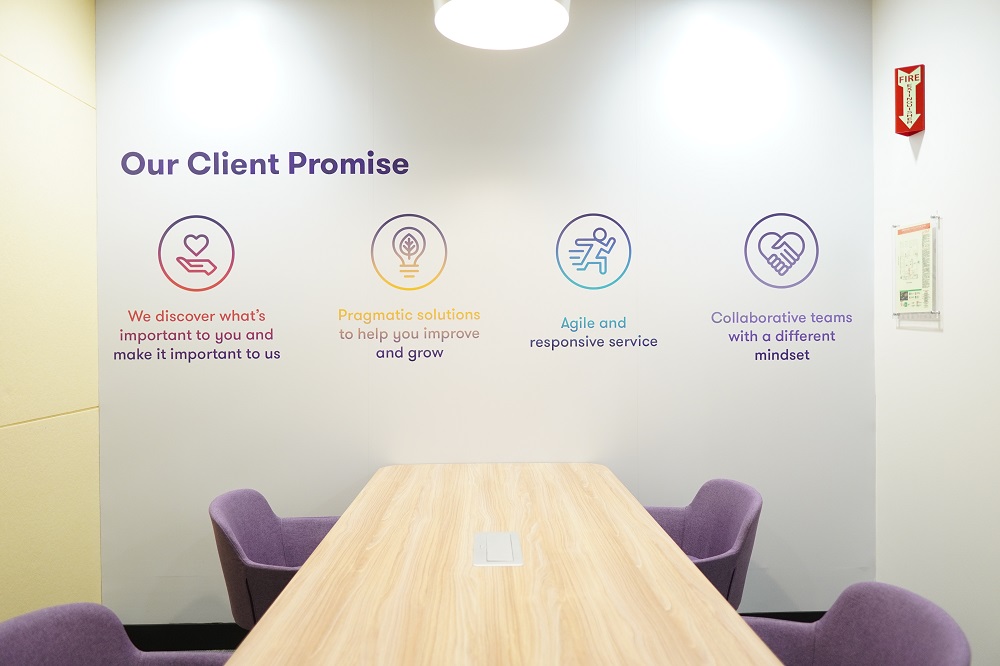
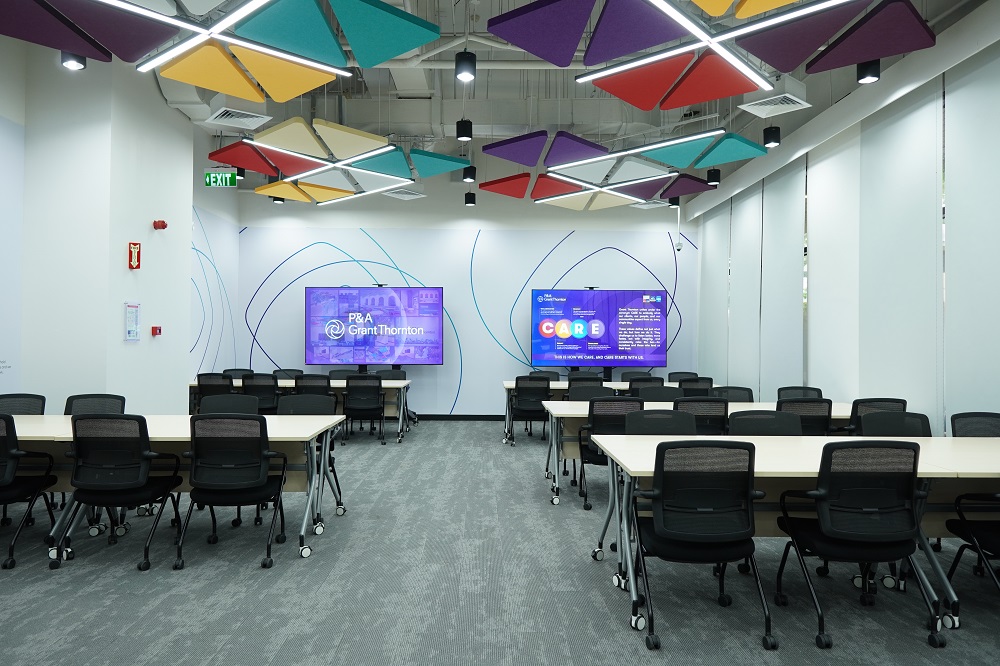
The Pampanga Office will offer the firm’s full suite of services, including audit and assurance, tax advisory and compliance, advisory services, and outsourcing services. Staffed by a team of experienced professionals, the office is equipped to deliver high-quality, client-focused service aligned with global standards.
Discover opportunities and explore what’s next for you and your organisation. Visit P&A Grant Thornton’s Pampanga Office at Units 5 and 6 Ground Floor, 4Workplus, Filinvest Mimosa Leisure Estate, Clark Freeport Zone, Pampanga.