

BY ALEX ALAGON

BY ALEX ALAGON
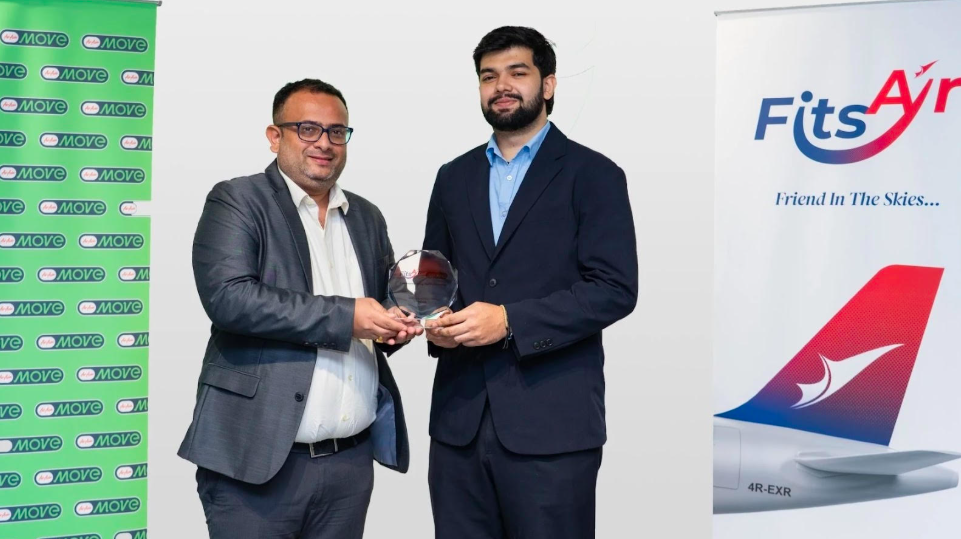
KUALA LUMPUR – AirAsia MOVE (MOVE), Asia’s leading travel booking app, expanded its global connectivity in the second quarter of 2026 with the addition of four direct airline partners–Oman Air, Uzbekistan Airways, FitsAir and Hainan Airlines–strengthening its network across the Middle East, Central Asia, South Asia, and China, while giving travelers greater choice and seamless access to emerging destinations.
The additions signal growing airline confidence in MOVE as a preferred distribution channel to reach the region’s fast-growing traveller base, as the platform continues to deepen its flights inventory across full-service and low-cost carriers.
Nadia Omer, CEO of MOVE, said, “Travel across ASEAN is evolving rapidly, with travellers demanding greater choice and seamless control all on one platform. As a flights-first OTA, expanding our network offering is core to our mission. Securing the trust of major carriers like Oman Air, Uzbekistan Airways, FitsAir, and Hainan Airlines, particularly amidst ongoing macroeconomic headwinds and volatility, is a powerful testament to the commercial strength of the MOVE ecosystem and the regional reach we deliver to our partners.”
Each new partnership unlocks meaningful new corridors for MOVE users. Oman Air adds premium connectivity to the Sultanate and its broader global network. Uzbekistan Airways opens Central Asian routes via Tashkent, tapping surging traveller interest in Silk Road destinations.
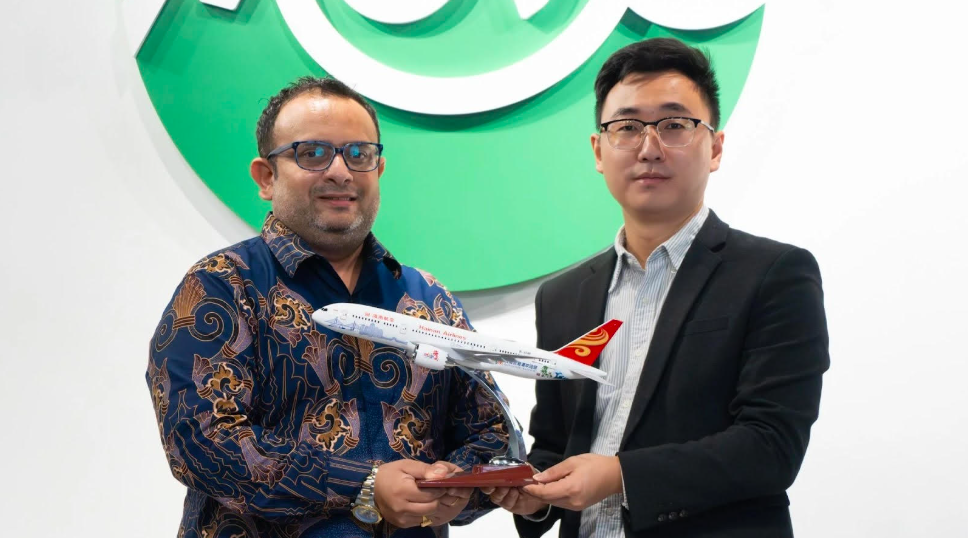


FitsAir strengthens affordable connectivity between Kuala Lumpur and Colombo, with onward reach to Lahore, Dubai, Dhaka and Chennai. Hainan Airlines, one of China’s largest full-service carriers, expands domestic access from hubs in Haikou, Beijing, Chongqing, Shenzhen, and Xi’an, alongside international routes across Asia, Europe, and North America.
With these latest additions, MOVE continues to scale its airline partnerships as part of its broader strategy to offer unrivalled flight choices across Asia and beyond.
Oman Air, Uzbekistan Airways, FitsAir, and Hainan Airlines join 75 other notable global carriers who has partnered directly with MOVE. Complementing these direct partnerships, MOVE also has a selection of about 700 other airlines through its authorised suppliers for travellers to choose from. Beyond flights, the platform offers access to over a million hotels, airport transfers, attractions, online duty-free shopping, travel insurance and more.
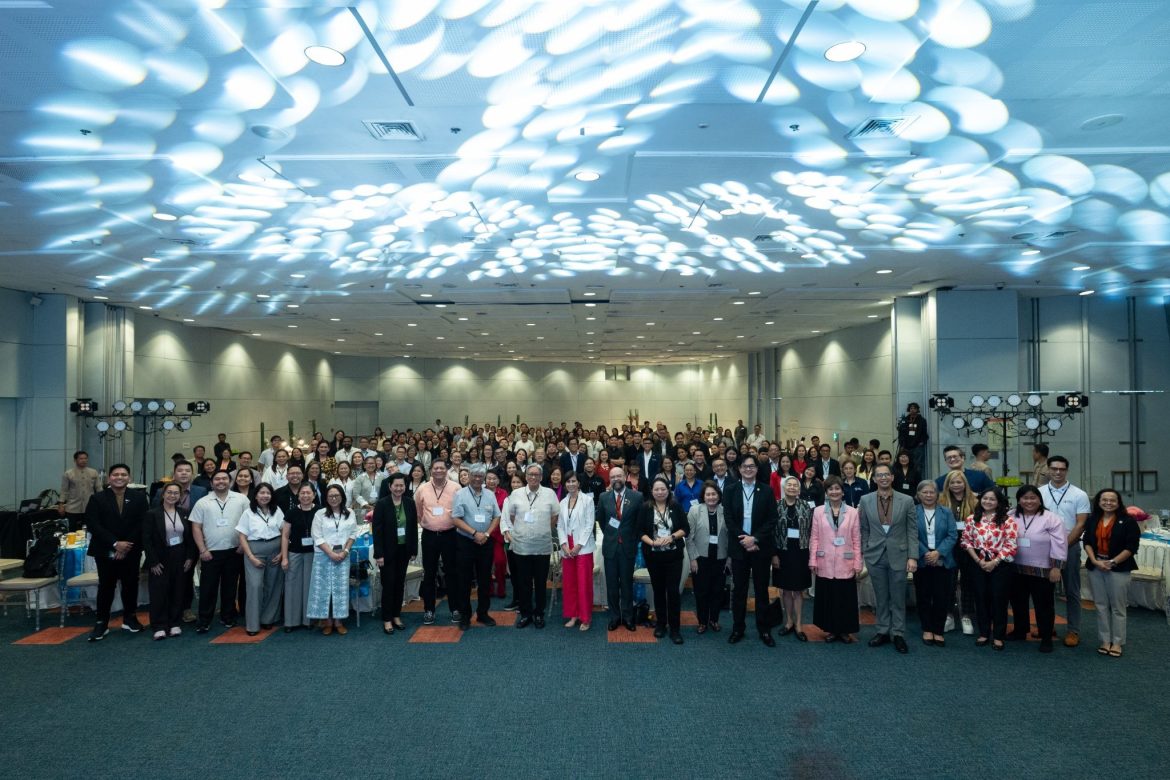
MANILA, Philippines — The League of Corporate Foundations (LCF) marked its 30th year with a message to Philippine business: corporate social responsibility (CSR) must evolve from isolated, add-on initiatives to collective action, or risk losing its credibility altogether.
Thirty years is a milestone for LCF, but the organization used the occasion to call for reckoning, not celebration. CSR as it has long been practiced — siloed, add-on, intent-driven — is no longer adequate for the scale of today’s challenges, from climate change to widening social inequality. Held July 1 to 2, 2026, at the Bayanihan Center, Pasig City, the 2026 Conference on Good Corporate Citizenship convened business, government, foundations, and development partners around a single argument: the sector must shift from awareness to action.
The conference theme Adapt. Align. Accelerate. served as a framework for how organizations can respond to today’s sustainability and development challenges. Adapt means rethinking systems that no longer serve communities or businesses. Align means tying corporate action to institutional standards, including the Sustainable Development Goals, the Philippine Development Plan, and Environmental, Social, Governance (ESG) commitments such as carbon neutrality. Accelerate means scaling results through partnership and technology, at the pace the challenges demand.
“Working in silos is a luxury the country can no longer afford. Because when we do, our interventions, no matter how well-intentioned, risk becoming irrelevant,” said Shem Jose Garcia, LCF Chairperson and Executive Director of Vivant Foundation, Inc., adding that achieving impact takes more than any single business or sector can do on its own.
The conference opened with a keynote from Edgar O. Chua, Lead Independent Director of Shell Philippines Corporation, Chairman of the Makati Business Club, and former Country Chairman of Pilipinas Shell Petroleum Corporation, who reflected on three decades of CSR evolution in the Philippines and called on organizations to meet the scale of today’s challenges. “Given the magnitude of the issues the country is currently facing, we must all accelerate the various programs that each and every one of you are planning or even defending,” he said.
Day one’s sessions covered inclusive livelihood programs for informal workers, with Maria Fe J. Avila, Division Chief for Strategy Management Division of the Department of Trade and Industry of the Philippines–Philippine Trade Training Center; disaster resilience and financial inclusion, which examined how behavioral finance can make preparedness the default for underserved communities; and a plenary on Executive Order 117 and donee institution accreditation, led by Megan Manahan, Standards Bureau Director of the Department of Social Welfare and Development.
Day two opened with a session on personal and organizational commitments to living and working on a NET ZERO carbon footprint, followed by a session marking LCF’s 30th anniversary that spotlighted the mental wellbeing of social development professionals and frontliners. The program also included Accelerate NOW!, where foundations like Ayala Foundation, Manila Water Foundation, and Schneider Electric pitched active programs for partnership.
The conference closed with remarks from Jaton Zulueta, Executive Director of AHA Learning Center, who challenged delegates to move corporate citizenship beyond “doing good” toward “being good.” “This country does not need more programs. It needs more foundations willing to be changed by the people they came to serve,” he said.
Over three decades, LCF has built a network of member foundations, a track record of CSR programming, and frameworks now used across the sector. That history, LCF says, gave this gathering its credibility.
LCF positioned the 2026 Conference on Good Corporate Citizenship as a platform for corporate citizenship and extended the same challenge to every organization not yet in the room. The frameworks exist, the network is here, and the bar has been raised. The question now is whether the rest of the Philippine business will act, while CSR still has the momentum to matter.

“JUST A kid with a big dream.” Four simple words. They were more than a caption or a personal motto—they were a declaration of hope. They reflected the life of Rene Clert “Bobet” Baterbonia, a young man who dared to believe that dreams could travel far beyond the boundaries of his hometown. Today, those words resonate more deeply than ever, reminding us that while dreams may begin with one person, they often inspire an entire community.
By the time we learn the names of extraordinary young people, they have often already overcome battles we never witnessed. We see the highlights, the championships, the medals, the applause, and the recognition. What we seldom see are the early mornings, the sacrifices of parents, the bruises hidden beneath jerseys, the tears shed in silence, and the countless moments when giving up seemed easier than pressing on. The life of Rene Clert “Bobet” Baterbonia reminds us that every remarkable journey begins long before the cameras arrive. His passing is not merely the loss of a promising athlete; it is the interruption of a dream that belonged not only to him, but also to his family, his hometown, and every young Filipino who believed that greatness could emerge from humble beginnings.
Bobet’s story resonated because it reflected the aspirations of countless Filipino children. Coming from Agusan del Sur, he proved that geography does not define destiny. Through discipline, perseverance, and unwavering commitment to his craft, he earned the opportunity to wear the colors of Ateneo de Manila University and became one of the country’s promising young basketball players. Before reaching collegiate basketball, he had already inspired many through his outstanding performances for the Davao Region in the Palarong Pambansa, demonstrating that dreams nurtured in small communities can eventually find their place on the national stage. His success became a source of pride not only for his family but also for an entire community that watched one of its own rise through determination and hard work.
Perhaps that is why news of his passing struck so many people with unexpected intensity. Many who mourned him had never met him personally. Some knew him only through photographs, news reports, or basketball highlights. Yet grief spread rapidly across communities because Bobet had become more than an athlete. He represented possibility. He embodied hope. He stood as living proof that perseverance could open doors that once seemed impossible to unlock. His journey reminded young people that dreams remain attainable regardless of where they begin.
Whenever a young life is cut short, our sorrow extends beyond the person we lose. We grieve for the future that will never unfold. We mourn the milestones that will never be celebrated, the championships that will never be played, the graduation ceremonies that parents longed to witness, and the countless ordinary moments that suddenly become impossible. Parents do not simply lose a child; they lose every tomorrow they had imagined together. Behind every public tribute lies a private grief that words can scarcely describe. Somewhere, a bedroom remains untouched. Somewhere, a dining chair sits empty. Somewhere, a family is learning to live with a silence that no amount of public sympathy can erase.
In moments like these, society is presented with a choice. We can honor a life with dignity, or we can consume tragedy as spectacle. Unfortunately, the digital age has increasingly blurred the line between compassion and content. Before condolences are fully expressed, cameras are already recording. Before prayers are offered, photographs are uploaded. Funerals become livestreams, grief becomes trending content, and mourning families find themselves navigating not only unbearable loss but also the relentless curiosity of strangers. The desire to know every detail often overshadows our responsibility to protect the dignity of those left behind.
This is perhaps one of the most painful realities of modern communication. We have become accustomed to witnessing grief through our screens instead of experiencing it through empathy. The pursuit of engagement sometimes replaces genuine compassion. We refresh our social media feeds in search of updates, forgetting that behind every headline is a family whose world has been permanently changed. Public figures may belong to the public imagination, but their grief never does. Their families deserve privacy, respect, and the freedom to mourn without becoming subjects of public consumption.
Bobet’s passing challenges us to reconsider how we define tribute. A meaningful tribute is not measured by the number of posts we share or the videos we record. It is measured by the respect we show, the prayers we offer, and the lessons we choose to carry forward. The best way to honor someone is not by endlessly discussing the tragedy of their death, but by remembering the values they embodied while alive. Bobet’s determination, humility, discipline, and commitment to excellence deserve far greater attention than the circumstances that brought his journey to an untimely end.
His story also reminds us to celebrate people while they are still with us. Too often, we reserve our loudest praises for eulogies and our deepest appreciation for memorials. We assume there will always be another opportunity to say thank you, another chance to express admiration, another tomorrow to tell people how much they matter. Yet life repeatedly teaches us that tomorrow is never guaranteed. The flowers we place on graves, no matter how beautiful, can never replace the kindness we failed to extend while someone was still alive.
As a society, we must also remember that our young athletes carry far more than the expectations of winning games. They carry the dreams of parents who sacrificed endlessly, the hopes of communities that believe in them, and the weight of representing something greater than themselves. While we celebrate their victories, we must never forget that beneath every jersey is a young person navigating the same uncertainties, pressures, and vulnerabilities that accompany growing up. They deserve not only our applause when they succeed but also our compassion simply because they are human.
The legacy of Rene Clert “Bobet” Baterbonia should not end with mourning. It should inspire communities to continue supporting young dreamers, encouraging aspiring athletes, and believing in children whose greatest resource is determination. His life reminds us that extraordinary journeys often begin in ordinary places, nurtured by families whose sacrifices are seldom recognized and communities whose quiet support makes remarkable achievements possible.
In the end, perhaps Bobet leaves us with a lesson that reaches far beyond basketball. A meaningful life is not measured solely by championships won or trophies displayed. It is measured by the hope we inspire, the people we encourage, and the kindness we leave behind. Some lives are brief, yet they illuminate countless others. Some dreams are interrupted, yet they continue to inspire generations that follow.
The final buzzer may have sounded far too soon for Bobet, but his story does not end there. It continues in every child who dares to dream despite limited opportunities, in every parent who sacrifices for a better future, in every community that believes greatness can emerge from the most humble beginnings, and in every person who chooses compassion over curiosity when confronted with another family’s grief.
Perhaps that is the true measure of a legacy, not how long a person lived, but how deeply they continue to move the hearts of those who remain. Bobet may no longer step onto the basketball court, but the hope he represented will continue to echo wherever young Filipinos believe that dreams, no matter how distant they seem, are always worth pursuing.
–
Kethelle I. Sajonia is a college instructor at the University of Southeastern Philippines, Mintal Campus. She is currently in the final phase of her Doctor of Communication degree at the University of the Philippines. Her research interests include inclusivity, education, communication, and social development. She actively engages in scholarly research and community-based initiatives that advocate for inclusive and transformative communication practices.

“ADULTING” has become a popular term among the younger generation, first noted as early as 1921, but widely popularized in the 2010s through social media and Kelly Williams Brown’s book Adulting: How to Become a Grown-Up in 468 Easy(ish) Steps, to describe the transition into maturity: paying bills, making decisions, and taking responsibility for one’s life. For parents, this stage is both rewarding and challenging. Parenting adult children requires wisdom: drawing boundaries, guiding without overstepping, and giving wings while keeping them grounded.
My youngest daughter just moved into her rental studio apartment close to her workplace in a big city. I am as excited as she is, watching her step into independence, yet I cannot stop thinking about her living alone.
At the same time, my other daughter just got proposed to, a milestone that fills our family with joy and anticipation. Although we joked about keeping her until she’s 30, we knew we couldn’t do that once she decided to say yes to the man she’s going to marry. These moments remind me that parenting adult children is a journey of release and trust. As the saying goes, “children are arrows in a warrior’s hand” (Psalm 127:4). Arrows are meant to be released, not kept in the quiver forever.
Drawing boundaries
Early in our marriage, my husband and I agreed on the same vision for our new family. It was then that we also clarified boundaries for our children. Boundaries are not barriers. They are like fences we build around our house. They are not limitations but protections. They are fences of love, not walls of control.
When children are growing up, these fences are for them, guiding and keeping them safe. But then I realized these fences have also become ours, reminding us as parents not to cross the line. Boundaries are markers that define where responsibility begins and ends. Boundaries also protect relationships. They allow parents to shift from managers to mentors, offering wisdom without micromanaging.
Guiding without overstepping
Guidance doesn’t end when children turn eighteen. One Proverb reminds us to train up a child (22:6), but training looks different in adulthood. It’s less about instruction and more about influence. Parents guide through prayer, encouragement, listening, and example.
Overstepping, such as by imposing opinions or manipulating choices, can fracture trust. Instead, guidance should be gentle, like a hand on the shoulder rather than a grip on the arm. Adult children thrive when they know their parents trust them to navigate life, even through mistakes.
Giving wings but keeping them grounded
The tension every parent feels is between letting go and holding on. Wings symbolize freedom, the ability to pursue careers, relationships, and vocations. Roots symbolize grounding in values and resilience. Parents give wings by affirming independence and celebrating milestones. They keep children grounded by reminding them of their heritage, the lessons learned, and the strength of family ties. Too much wing without root leads to instability; too much root without wing leads to stagnation or, worse, suffocation.
Releasing as an act of trust
Parenting adult children is less about holding on tightly and more about letting go gracefully. It means listening more than lecturing, supporting more than steering, and trusting more than worrying. Parents can rest in the assurance that giving wings while keeping children grounded is the art of parenting in adulthood: a balance of freedom and foundation. Releasing a child is also a call to trust God, believing that the guidance and prayers sown will bear fruit under His care.
Ruth Sitchon Morales is a full-time instructor at a state university in Mindanao, specializing in foreign language education. She is a resource speaker, freelance writer, and textbook author, and is currently pursuing doctoral studies in applied linguistics. Along with her husband and their three children, Ruth served as a cross-cultural worker and as an ESL teacher in China, Malaysia, Thailand, and Africa. Her formal studies in foreign languages, enriched by immersion in diverse foreign and local cultures, have given her a broad perspective on life and a wealth of stories to share with her readers.
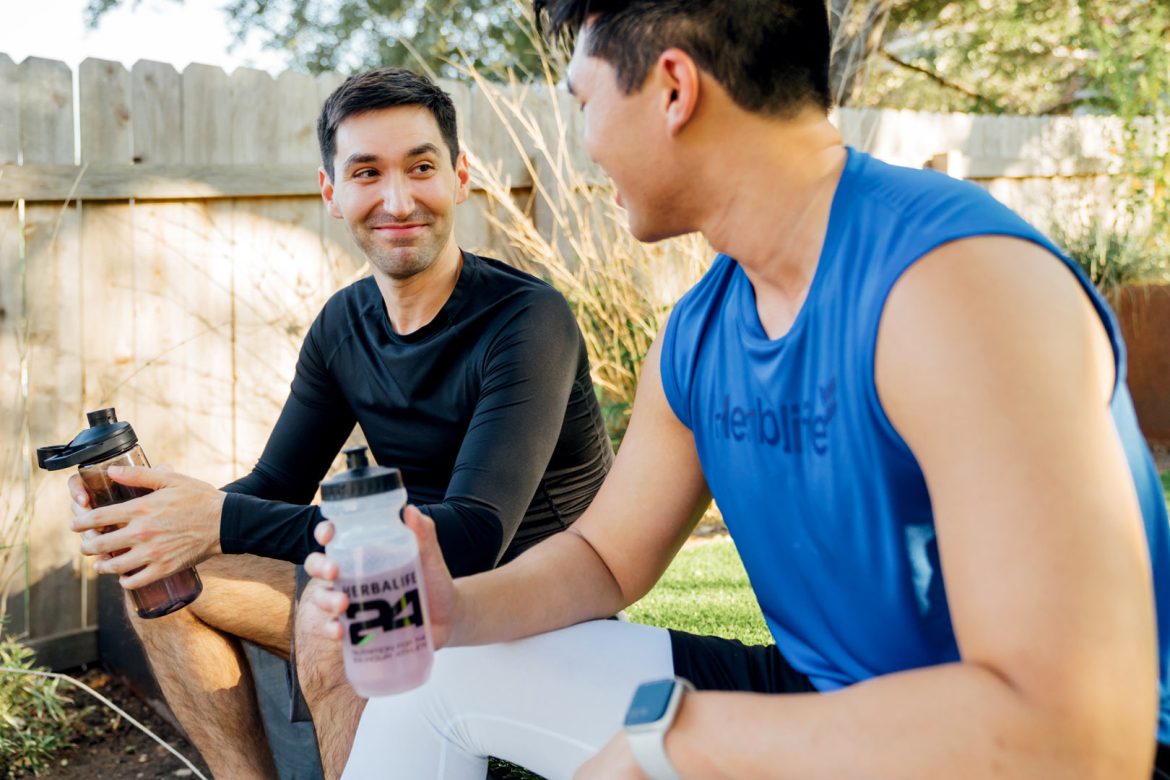
MANILA, Philippines — Ask most people what elite athletes eat, and they will describe the pre-match meal. The pasta the night before. The banana before warmups. The sports drink on the sidelines.
Almost no one talks about what happens after the final whistle. And that is a problem, because according to Dr. Krissy Ladner, director of sports performance and nutrition education at Herbalife, the first hour after training is one of the most important hours in sports nutrition.
“It is where the damage of the workout gets repaired, where energy stores get refilled, and where the body starts preparing for the next session,” said Dr. Ladner
As a sports dietitian working with professional soccer players, Dr. Ladner spends as much time on recovery nutrition as she does on pre-match fueling – maybe more.
To help athletes recover effectively, Dr. Ladner uses a simple mnemonic that any player, at any level, can remember: the 4 Rs.
R #1: Replenish
The first job is to refill muscle glycogen. During a match or a hard workout, your body pulls from stored carbohydrate in the muscles to power high-intensity work — sprinting, jumping, changing direction. If you could not hold a conversation mid-workout because you were breathing too hard, you used stored carbs, and you need to refuel.
The Department of Science and Technology – Food and Nutrition Research Institute (DOST-FNRI) 2023 study shows that rice remains the main source of energy for Filipinos, accounting for more than half (58%) of the daily calories consumed[1]. For measurements, the target is 30 to 60 grams of carbohydrate in the first hour after training. A bowl of rice with lean protein, a turkey sandwich on whole grain bread, or a recovery smoothie with fruit and oats all get you there.
R #2: Repair
The second job is repairing the muscle tissue that was broken down during training. Protein provides the building blocks for that process, so we want to keep amino acid levels in the bloodstream elevated to support repair and recovery. The target is 15 to 30 grams of high-quality protein — chicken, fish, eggs, dairy, or a protein shake. This matters most after strength work, but every hard training session creates some muscle damage, and protein helps repair it.
A useful ratio elite players use for their immediate post-match meal or shake is 3:1 carbs to protein. That translates to roughly 60 to 120 grams of carbs and 20 to 40 grams of protein. It is a simple framework to build a recovery smoothie around. Frozen fruit, oats, milk or a plant-based alternative, and a scoop of protein is all it takes.
R #3: Reinforce
This one gets skipped more than any of the others, but it’s the one athletes should care most about in the long run. Reinforce means supporting muscle cells, immune function, and the nervous system with colorful, anti-inflammatory whole foods: fruits and vegetables, whole grains, nuts, fish, and olive oil.
This is where tart cherries come in. There is solid evidence that tart cherry juice can help reduce muscle soreness, support recovery after hard training, and may also help with sleep. Turmeric, specifically curcumin, has similar benefits when it comes to reducing inflammation and soreness.
That said, these are not to be regarded as magic recovery tools or something that’s going to build muscle faster. They are more about helping one feel better and recover between sessions. And like anything else, they work best as part of an overall routine versus a standalone fix.
R #4: Rehydrate
Water is the start, not the finish. During a hard session, you do not just lose water; you lose sodium, potassium and magnesium through sweat, and rehydration requires replacing all of them. For less intense exercise that does not produce much sweat, water is usually enough. But if you have been sweating heavily, you need electrolytes in your post-workout meal or drink. Sodium is especially important because it holds fluid in the body and helps pull it back into your cells.
The simplest test of rehydration status is urine color, which should look like pale lemonade, not apple juice.
The 5th R: Rest
This is the easiest one to do and the easiest one to forget. Recovery is not just about what you eat and drink. Your body needs time to heal and repair before you get back out there. Sleep is when growth hormones are released and when muscle tissue rebuilds. Despite this, more than half (56%) of Filipinos get less than the recommended seven hours of sleep nightly[2]. Rest is part of training. It is what allows your body to recover, reduce injury risk, and actually perform at a higher level over time.
The elite-to-everyday translation
The 4 Rs are not just for pros. If your last session challenged you, where you were working with intent and not just going through the motions, this same framework applies. The portions scale with your body and your workload, but the logic does not change. Replenish, Repair, Reinforce, Rehydrate — and then Rest.
The match may be over when the whistle blows. Your recovery is just beginning.

SAN JOSE DEL MONTE, Bulacan — P.A. Alvarez Properties and Development Corporation (P.A. Properties) successfully turned over a commercial lot to One JD Enterprises, which, on the same day, marked another milestone by breaking ground for The Igay Place, a new commercial development within SanJos Square Bulacan.
Strategically located along Igay Road in San Jose del Monte City, Bulacan, The Igay Place will rise along a major provincial road in the northern part of the city. The road serves as a vital access route connecting several barangays and communities in the area.
With a total land area of 137 square meters and proximity to surrounding residential developments, the site offers an ideal location for commercial establishments. It is envisioned to accommodate businesses, create economic opportunities, and support trade and other commercial activities.
“When I saw the place, I really wanted it because the area is very nice. It is right in front of a very big subdivision, and I just like the concept; it’s a good investment opportunity,” said Jimmy Disquetado, CEO of One JD Enterprises.
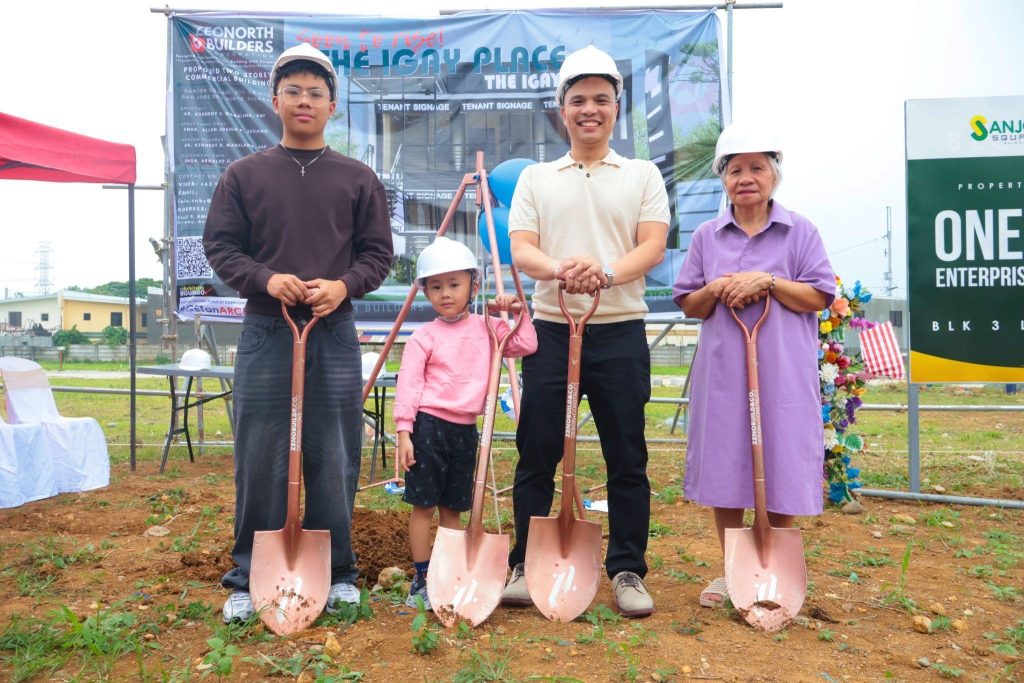
The location of The Igay Place within SanJos Square, Bulacan, also provides convenient access to nearby barangays, including Santo Cristo, San Roque, San Isidro, and Paradise, as well as communities along Quirino Highway and neighboring towns.
Designed to support business growth, The Igay Place offers an ideal commercial space for entrepreneurs and tenants looking to expand their ventures while serving the needs of the surrounding communities.
The turnover and groundbreaking ceremony further underscore P.A. Properties’ commitment, now in its 31st year, to delivering accessible, high-quality developments while fostering meaningful partnerships with homebuyers and business partners.
For more information about available commercial spaces, visit www.paproperties.com.ph or contact P.A. Properties today.
MINDANAO’s mango industry has lost its footing in the international arena due to sluggish production, an agribusiness expert said.
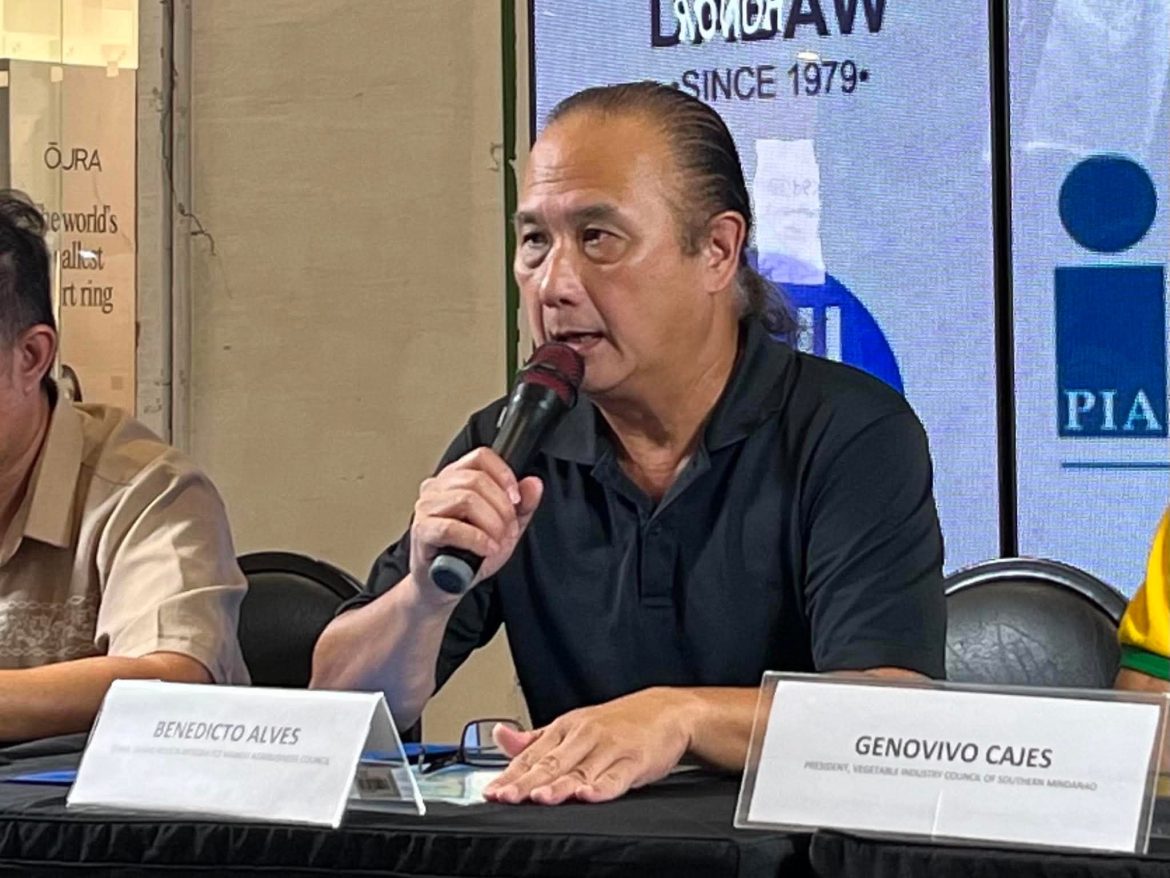
During the Kapihan sa Dabaw on Monday, July 6, Benedicto Alves, president of the Davao Region Integrated Mango Agribusiness Council, said, “We lost the competition. We lost to countries that used to be not very popular before, so it’s about time that we do something about it,” he said.
He noted that the country used to be a major international mango supplier, supplying 90% of its exports to Hong Kong and ranking second or third to Japan in terms of volume.
But the country was overtaken by Thailand, Vietnam, Cambodia, among others, and practically disappeared from the international scene.
Alves said the downward spiral was the result of several factors, like pests and diseases, and rising production costs.
He reported that Mindanao in total produces an estimated 400,000 metric tons annually, but on fresh mangoes, he said the exportation has shrunk drastically and has reached “almost none.”
“Right now, almost none, in fresh form, but they have been processed into dried mangoes and exported also,” he said.
But he said even with dried mangoes, the country is already losing competitiveness. While the Philippine dried mangoes are known as the best tasting, they are also one of the most expensive. As a result, Cambodia has stepped in to fill the market vacuum. In fact, Philippine processors even branch out to Cambodia to secure a piece of the pie.
Davao City is set to host the 2nd Mindanao Mango Congress 2026, a three-day gathering scheduled for Aug. 12–14, 2026, at the Grand Regal Hotel.
Organized by the Mindanao Integrated Mango Stakeholders Association, Inc. (MIMSA) and the DRIMACO in collaboration with the Department of Agriculture XI, the congress will bring mango farmers, industry leaders, government agencies, researchers, and agribusiness stakeholders from across Mindanao and the country.
The event will allow collaboration, knowledge-sharing, and discussions on strategies to strengthen and sustain the Philippine mango industry.
Technology demonstrations on the application of fertilizer through drone spraying, agribusiness exhibits, farm visits, among others, are expected during the forum.
The congress aims to put Mindanao on the map of the national mango industry, considering the dearth of promotion, unlike Luzon and Guimaras, which feature nationally publicized mango festivals annually.
OFFICIALS of the Davao Region Athletic Association (DAVRAA) are anticipating a stronger performance at the Palarong Pambansa 2027 due to the longer preparation they have with the competing athletes.
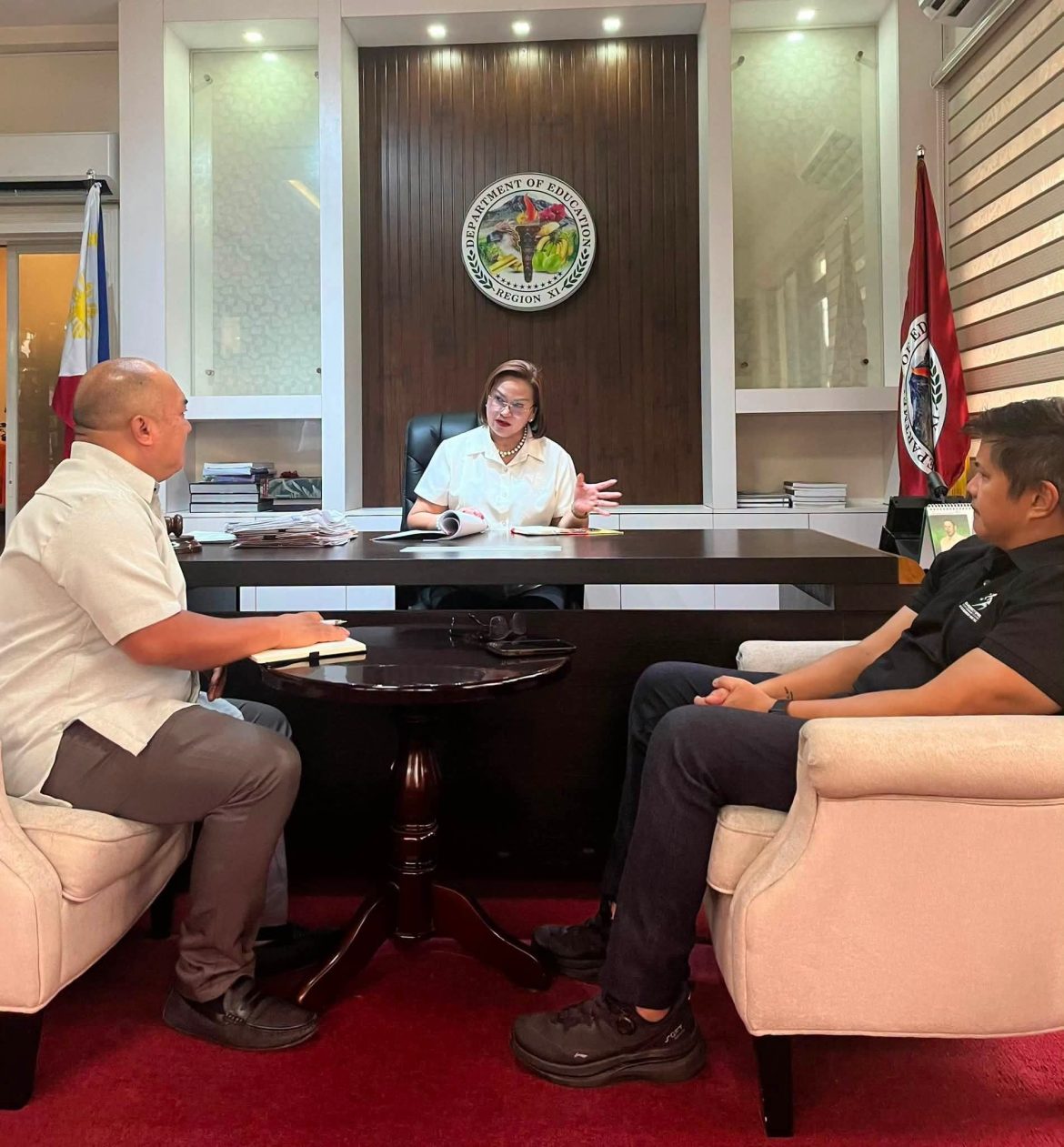
Maria Ines C. Asuncion, DAVRAA regional director, met with Mikey Aportadera, head of the Davao City Sports Development Division, to discuss the possibility of a partnership to develop the local talent.
In a statement on Monday, July 6, the Department of Education (DepEd) XI said it will establish a year-round training program to enhance the competencies of sports coordinators and training directors and provide specialized support for various sporting events.
“Through this collaboration, DepEd Davao Region and the City Government of Davao seek to develop a sustainable program that will better prepare athletes for regional and national competitions,” the statement said.
“With preparations beginning this early, RD Asuncion is already setting her sights on a stronger performance at the 2027 Palarong Pambansa,” it added.
Asuncion emphasized that it’s critical to invest in long-term athlete development, empower coaches and trainers, and create more opportunities for Davao Region to excel on the national stage.
“Every medal begins with careful planning, dedicated training, and meaningful partnerships, all in pursuit of helping young athletes reach their fullest potential,” she added in the press release.
The Davao Eagles secured 34 gold medals, 32 silver medals, and 34 bronze medals, making it the highest-ranking delegation in Mindanao and the third strongest region in the country at the Palarong Pambansa 2026 in Prosperidad, Agusan del Sur, from May 24-31.
The Davao City Sports Development Division was the 5th Best-Performing Schools Division Office nationwide among 220 Schools Division Offices.
Among the sports that delivered medals for Davao City were Arnis, Basketball, Chess, Dancesport, Pencak Silat, Tennis, Swimming, Gymnastics, Volleyball, Wrestling, Wushu, Billiards, Archery, Karatedo, Athletics, and Para Games events.
While Davao Region’s standing surpassed its fourth-place finish in 2025, its gold medal haul is fewer than last year’s 43. Notably, DAVRAA bagged 28 silvers and 36 bronzes last year. The next national games, the 67th Palarong Pambansa, will be hosted by Quezon City in 2027.

“Tiis ganda” has long been worn like a badge of honor—an everyday test of endurance where women are expected to look composed, stay productive, and push through discomfort as if it’s part of the job description. From long days at school or work to back-to-back responsibilities, it’s a quiet culture of kaya pa, even when the body is clearly asking for a pause.
But nowhere does this expectation feel more real than during menstruation. Period pain becomes another layer of “tiis”—the kind that can turn reviewing for an exam, finishing a presentation, or even simply getting out of bed into a full-on challenge.
Yet despite how common it is, menstrual pain is still often brushed off as something to simply endure. Somewhere along the way, women were made to believe that suffering in silence is just part of being capable and productive. But when did pain become part of the honor roll checklist?
The “Tiis Ganda” culture around period pain
“Tiis ganda” has long been woven into everyday womanhood—not just as a cultural phrase, but as an unspoken standard of strength and self-control. It often gets framed as resilience, yet it can also mean normalizing discomfort that goes unseen, unspoken, and unquestioned.
One of the most common—but least openly discussed—forms of this is period pain, or dysmenorrhea, the medical term for painful menstrual cramps that can seriously disrupt everyday life. For many, it could mean throbbing cramps, lower back pain, nausea, headaches, and energy levels so low that even getting through a one-hour lecture feels like a major achievement.
Still, many young women simply power through. Why? The study by the National Library of Medicine found that period pain has been normalized for so long that it barely gets questioned. Add to that the fear of being labeled “dramatic,” the pressure to stay productive, and the long-standing idea that pain is just part of womanhood—and silence becomes the default response.
The result? A culture of tiis ganda around period pain, where resilience sometimes looks like suffering in silence. But while pushing through may seem admirable, painful periods can quietly take a toll: losing focus during exams, zoning out in class, skipping org activities, feeling drained before the day even starts, or missing out on enriching experiences that are part of student life.
Managing period pain more effectively
The truth is, period pain is common—but it shouldn’t be normalized to the point of neglect.
Health experts emphasize that menstrual discomfort that disrupts daily life deserves attention, not dismissal. It is not something students or women in general should be expected to “just live with” as part of being productive or resilient. For many young women, managing menstrual cramps often means continuing through discomfort that may warrant greater attention and care.
There is growing recognition that enduring pain should not be treated as an expected part of being productive or resilient. Menstrual discomfort, particularly when it interferes with daily activities, should be managed proactively. Measures such as adequate rest, hydration, heat therapy, and light physical activity may help alleviate symptoms. More importantly, seeking appropriate relief and support should be considered a routine part of self-care, not an afterthought.
For women students navigating busy school months, Hyoscine N-butylbromide + Paracetamol (Buscopan Venus) helps treat dysmenorrhea at the source, works in as fast as 15 minutes for relief that can last throughout the day, and helps reduce the intensity of future period pain. It can be taken as 1–2 tablets, up to 3 times daily, or as prescribed by a physician.
Ultimately, managing student life should not mean ignoring physical discomfort. Menstrual pain is not a requirement for discipline, achievement, or strength. While resilience remains valuable, it should never come at the cost of unnecessary suffering.
The conversation is evolving—from silent endurance to active care. And in that shift, a clearer message emerges: women and students can pursue their goals fully, without having to “tiis” pain as part of the process.