
BY ALEX ALAGON

BY ALEX ALAGON

AbaCore Capital Holdings, Inc. (PSE:ABA) is moving forward with the development and commercialization of its strategic assets as the company continues its transformation from an investment holding firm into a diversified operating enterprise.
During the Company’s 2026 Annual Stockholders’ Meeting held on July 9, AbaCore president Atty. Antonio Victoriano F. Gregorio III said the company is now focused on unlocking the value of its portfolio through disciplined development, strategic partnerships, prudent capital management, and sound execution.
In the company’s report to its shareholders, AbaCore ended 2025 with net income of Php 1.732 billion. Total assets increased by 5 percent to Php 28.009 billion, while total equity rose by 8 percent to Php 23.655 billion, supported by higher investment property values. Total liabilities declined by 9 percent to Php 4.354 billion as the company continued settling obligations and reducing related-party advances.
Despite recording earnings per share of Php 0.2447 in 2025, AbaCore’s shares were valued at Php 0.315 per share, reflecting a price-to-earnings ratio of approximately 1.29x – below industry averages for holding companies. The market price also represented only about 10 percent of the company’s Php 3.05 book value per share. Management believes this gap highlights the importance of its strategy to unlock asset value.
Despite recording earnings per share of Php 0.2447 in 2025, AbaCore’s shares currently trades at Php 0.315 per share, reflecting a price-to-earnings ratio of only 1.29 – way below industry average. The market price also represented only about 10 percent of the company’s Php 3.05 book value per share. Management believes this gap highlights the importance of its strategy to unlock asset value.
“For many years, AbaCore patiently assembled a diversified portfolio of strategic assets. While we continue to pursue attractive investment opportunities, our equally important task at this stage is to unlock the value of these assets,” Gregorio said.
Among AbaCore’s flagship developments is Montemaria in Batangas, which is anchored by the Mother of All Asia–Tower of Peace. The company intends to further develop Montemaria from an established pilgrimage destination into an integrated tourism estate supported by additional attractions, hospitality facilities, commercial establishments, and related infrastructure.
“We believe that Montemaria has the potential to become one of the Philippines’ premier faith tourism destinations while creating sustainable long-term value for our shareholders,” said Gregorio.
AbaCore is also advancing its renewable energy initiatives through Simlong Energy Development Corporation (SEDC) and its collaboration with the Philippine National Oil Company (PNOC). The initiative forms part of the company’s effort to participate in industries expected to play an important role in the country’s development while further diversifying its long-term investment portfolio.
Looking Forward
Beyond Montemaria and energy, AbaCore continues to evaluate joint ventures, strategic property developments, infrastructure, logistics, and natural resource opportunities that complement its broader investment strategy. The company also intends to generate revenues through the sale, lease, joint venture, or other forms of monetization involving its land bank and investment properties.
Following the meeting, the board elected independent director Omar T. Cruz as non-executive chairman, while Gregorio was elected vice chairman, president, and chief executive officer (CEO). SEDC president Engr. Arturo V. Magtibay was elected executive vice president (EVP) and chief operations officer (COO).
AbaCore said the composition of its board and committees supports its commitment to stronger governance, accountability, risk management, and disciplined execution as the company enters its next stage of development.
“The true measure of success is not simply the value of the assets we own, but the lasting value we create from them,” Gregorio said. “These principles will continue to guide every decision we make as we build the next chapter of the company’s growth.”
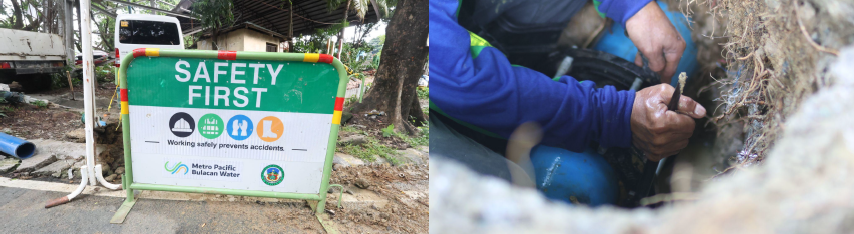
Metro Pacific Water (MPW), which operates in San Jose del Monte, Bulacan as Metro Pacific Bulacan Water (MPBW), has improved water supply for more than 3,500 households during its first two weeks as the city’s interim operator by repairing leaks and clearing critical pipelines, addressing longstanding infrastructure problems ignored by the previous operator’s eight-year management.
Since beginning operations on June 5, 2026, MPBW has repaired 29 pipeline leaks and continues to address a backlog of more than 200 reported leaks left by the previous operator across the city’s distribution network.
Some of the initial repairs restored a 24-hour water supply to 507 households in the upper portion of Harmony Hills Subdivision, increased water availability to as much as 20 hours daily for 450 households in Phases 2 and 4 of Dela Costa Homes 3 in Barangay Graceville, and up to 16 hours daily for 1,205 households in Barangay Gumaoc. Another 1,386 households in Phase 5, Towerville, Minuyan benefited from improved water supply following the repair of a major transmission-line leak.
“The results of the initial repairs are encouraging, but we recognize that restoring the distribution network will take time. These problems accumulated over nearly a decade, and addressing them will require sustained work. Nevertheless, the repairs completed so far represent a significant first step,” MPW President and CEO Andrew Pangilinan said.
Repair works are focused on the barangays most severely affected by recurring water interruptions. The interventions aim to reduce water losses, improve distribution efficiency, and address sanitation risks associated with damaged and exposed pipelines.
MPW’s initial technical assessment also uncovered a leak in the raw water inlet of Water Treatment Plant 2 that was causing an estimated P150,000 in monthly bulk-water expenses paid to the Metropolitan Waterworks and Sewerage System (MWSS). The discovery underscored the financial impact of inadequate preventive maintenance under the previous water operations.
“At a time when water supply must be carefully managed, we cannot afford to pay for water that is lost before reaching households. Repairing these leaks is essential to conserve available supply, reduce unnecessary costs, and improve service reliability,” Pangilinan added.
Based on the City Government’s audit, only 10 of the 37 water pumping stations of the former operator were functioning. The baseline water quality testing and a treatment-process audit also identified unsafe practices requiring correction.
MPBW has begun implementing recommended treatment protocols to help ensure that water quality complies with the Philippine National Standards for Drinking Water.
To strengthen the City Government’s Task Force Tugon and its free water-rationing operations across 62 barangays, MPBW has deployed 12 additional water lorries, augmenting the city’s existing fleet of 22 trucks and increasing the total number of water tankers serving affected communities to 34. The deliveries benefit around 600 families daily in areas where water service has been disrupted by long-standing infrastructure deficiencies.
The company has also established essential customer-service functions, including meter reading and complaint processing. It has likewise begun correcting meter-related issues following consumer complaints regarding questionable billing that did not correspond with actual water consumption.
These emergency repairs, water-delivery operations, and technical assessments are being carried out while MPBW and the City Government evaluate long-term investments in pipelines, pumping stations, and other critical water infrastructure needed to permanently improve San Jose del Monte’s water system.
MPW signed an Operations and Maintenance Agreement with the City Government on May 20, 2026, covering an initial two-month consultancy engagement to assess local water operations and support efforts to stabilize the city’s water service.
MPBW is encouraging San Jose del Monte residents to report suspected leaks and damaged pipelines through its official Facebook page, Metro Pacific Bulacan Water.
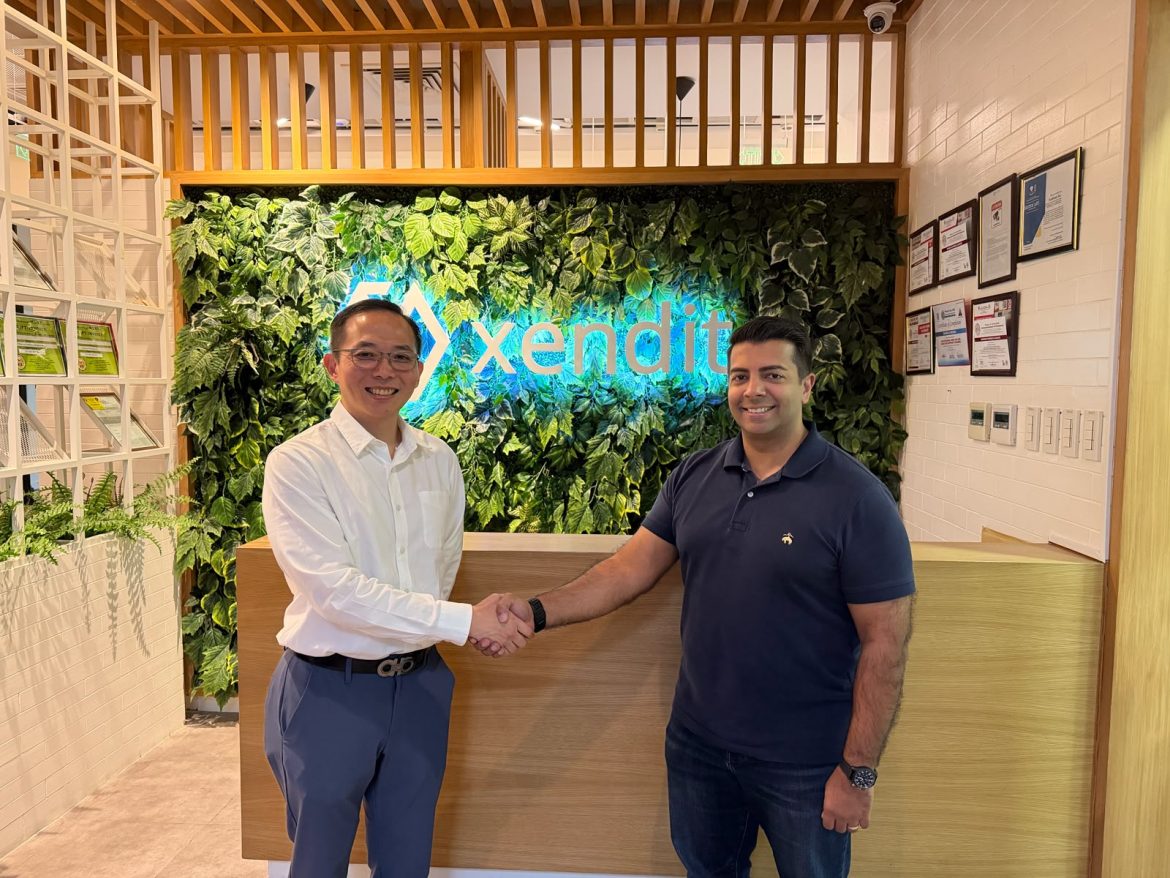
MANILA, Philippines – Xendit, Southeast Asia’s leading payments infrastructure company, announced the integration of Dragonpay Corporation (“Dragonpay”), the Philippines’ pioneer in alternative payments, building on a strategic partnership that began in 2021. This brings together Dragonpay’s trusted local payment network with Xendit’s regional infrastructure, growing geographical footprint and continuously enhanced payments platform.
Dragonpay merchants can now leverage Xendit’s platform, including more than 100 payment methods, payouts, cross-border payments and financing. For local businesses, this means more ways to accept payments, send payouts, simplify payment operations and support customers beyond the Philippines, while benefiting from Xendit’s continued investment in platform enhancement and security.
Dragonpay currently supports 905 merchants and works with 44 partners, including banks, non-bank financial institutions, e-wallets, and over-the-counter partners. The companies will work together to support business continuity, accelerate product innovation and build on the strong foundation established by Dragonpay in the Philippines.
The announcement comes as the Philippines’ digital economy accelerates, supported by the Bangko Sentral ng Pilipinas’ push to digitalise payments across the country. For merchants, the combination of Dragonpay’s deep local roots and Xendit’s Southeast Asia payments infrastructure can help businesses meet evolving customer payment preferences while preparing for cross-border growth.
The formal announcement builds on a relationship that began in August 2021, when Xendit made a strategic investment in Dragonpay. Founded in 2010, Dragonpay pioneered alternative digital payments in the Philippines, enabling millions of Filipinos, including those without bank accounts or credit cards, to transact online through online banking, e-wallets and over-the-counter channels at banks, convenience stores and remittance outlets nationwide.
“Dragonpay wrote the first chapter of digital payments in the Philippines. Bringing Dragonpay into Xendit gives Filipino businesses the best of both worlds: Dragonpay’s trusted local network and Xendit’s regional infrastructure, technology and growing cross-border capabilities. Our focus is to help Philippine merchants unlock more opportunities, serve more customers and scale beyond borders,” said Moses Lo, co-founder and chief executive officer of Xendit.
“We started Dragonpay in 2010 so that every Filipino, banked or unbanked, could take part in the digital economy. As part of Xendit, our merchants and partners can expect the same trusted local service, now supported by a stronger technology platform, broader regional capabilities, continued product innovation and robust security. This is the natural next step in a partnership that has worked from day one,” said Robertson Chiang, founder of Dragonpay.
Dragonpay’s addition is part of Xendit’s continued effort to build a unified payments network across Southeast Asia, following its full acquisition of Malaysia’s Payex in 2025 and its expansion into Thailand in 2024. Xendit now operates across Indonesia, the Philippines, Malaysia, Thailand, Vietnam, Singapore and Hong Kong.
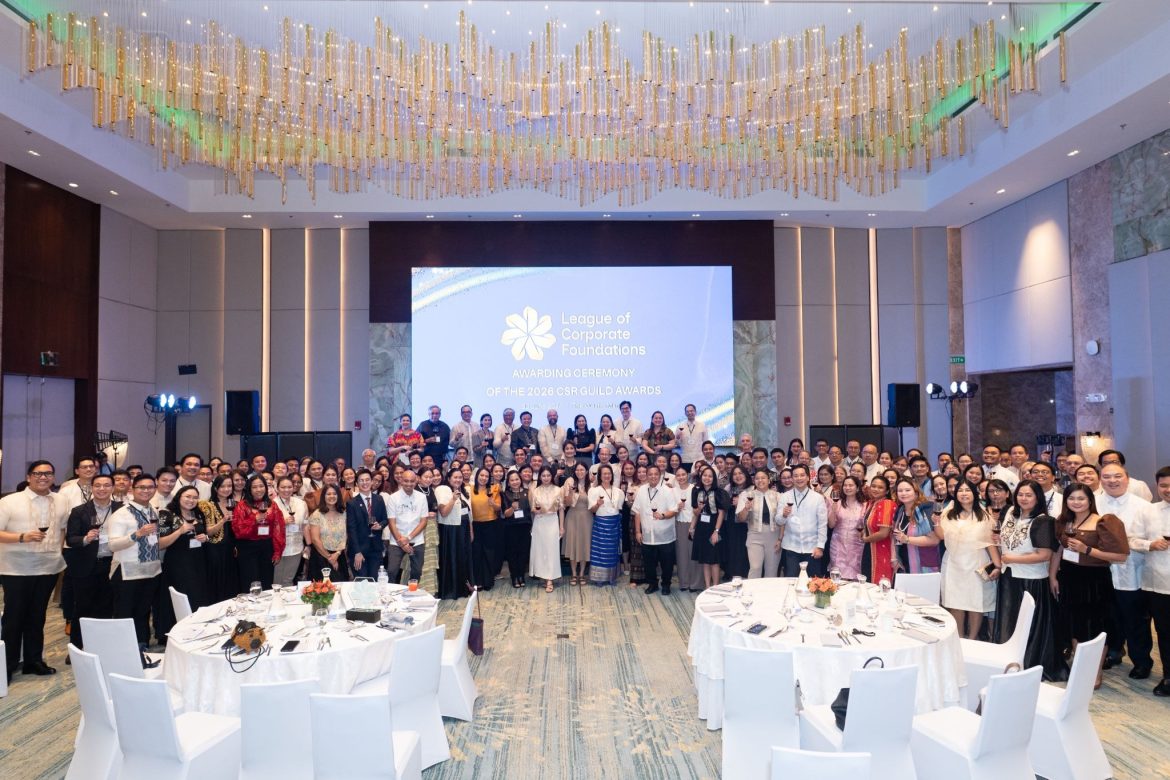
MANILA, Philippines — In celebration of Corporate Social Responsibility (CSR) Week, the League of Corporate Foundations (LCF) presented the Guild Awards and Medal of Recognition consecutively on June 30 and July 1, 2026, marking a new standard: CSR that moves beyond isolated initiatives to programs that tackle real-world problems at scale.
On its 30th year, LCF is naming what the moment requires: companies must contribute measurably to the systems they operate within. Climate change, stunting, education, and widening inequality, among other issues, have made the need explicit: companies cannot just give back.
“What we’re seeing now is the most consequential shift in corporate citizenship. From isolated giving to programs that last, scale, and move the needle on issues that matter,” shared Shem Jose Garcia, LCF chairperson and executive director of Vivant Foundation, Inc.
The Guild Awards recognize CSR projects across seven thematic areas: Arts and Culture, Disaster Resilience, Education, Enterprise Development, Environment, Financial Inclusion, and Health, alongside the Outstanding CSR Collaboration Award for cross-sector initiatives and the Best Emerging Project Awards for new entrants already delivering results.
This year’s winners were recognized for programs that demonstrate precision in identifying community needs, alignment with development priorities, and a commitment to systems change.
For the first time, the CSR Guild Awards introduced the Best Emerging Project Award, given to projects that show promise for replication, scaling, and sustainability. Below are the recipients:
Alongside the Guild Awards, LCF conferred the Medal of Recognition to non-member organizations whose programs demonstrate good practice and results in specific focus areas. This year’s winners were:
LCF’s 2026 Conference theme is anchored in a three-part framework drawn from three decades of advancing corporate citizenship: Adapt. Align. Accelerate.
Adapt means rethinking programs that no longer serve — BACK-to-BAKuna closed gaps in childhood immunization follow-through; the Agri-Tech Facilitators Program brought technology directly to smallholder farmers. Align means connecting CSR work to the Sustainable Development Goals, the Philippine Development Plan, and corporate commitments to ESG and carbon neutrality. Accelerate is what cross-sector alignment makes possible — Rebuilding Homes, Rebuilding Lives brought organizations together to achieve what none could have done alone.
The recognition at this year’s CSR week celebration carries a message for the broader business community: the frameworks are in place, the network is here, and the bar has been raised.

TAGUIG CITY, Philippines | July 8, 2026 – As Filipino families prepare for the new school year, back-to-school shopping is in full swing. And among the list of other essentials are learning devices such as laptops, smartphones, and tablets, which have now become important tools for completing schoolwork, conducting research, accessing educational resources, and staying connected throughout the academic year. As a trusted lifestyle partner, Home Credit helps make these back-to-school essentials more accessible, allowing students to stay equipped for the year ahead and families to invest in their children’s education with confidence.
Making Back-to-School Shopping Easier with Home Credit
Until July 31, 2026, customers can enjoy deals with as low as 0% interest and zero down payment on select learning devices. Families can choose from a wide range of learning devices available through Home Credit, with installment deals starting at just ₱27 per day. Whether upgrading an existing gadget or purchasing a new one for school, these offers make it easier to find a device that fits both academic needs and budget requirements.
Get it with Home Credit
Families can enjoy Home Credit’s back-to-school offers at more than 18,000 partner stores nationwide. With only one valid ID needed to get started and approvals possible in as fast as one minute, upgrading to essential learning devices is made simple and convenient. Customers can also download the Home Credit App, available on Google Play, the App Store, and Huawei AppGallery, to get it pre-approved and discover deals that fit their needs and budget.
Top Tech Picks This Back-to-School
Shop for back-to-school essentials with Home Credit today! Discover Home Credit’s offers on essential learning devices and find a financing option that works for you.
For the latest updates from Home Credit Philippines, visit its official website, www.homecredit.ph, or follow its official Facebook, Instagram, and TikTok accounts.
Home Credit Philippines is a financing company duly licensed and supervised by the Securities and Exchange Commission (SEC) and the Bangko Sentral ng Pilipinas (BSP).
MANILA — Philippine retailers are making measurable progress on cage-free egg sourcing, with three major chains already having completed their full shift to cage-free and the majority of the sector expanding sales of cage-free eggs, according to the 2026 Philippine Retailer Industry Cage-Free Egg Progress Report released by Lever Foundation, an international NGO advancing humane and sustainable protein supply chains across Asia.
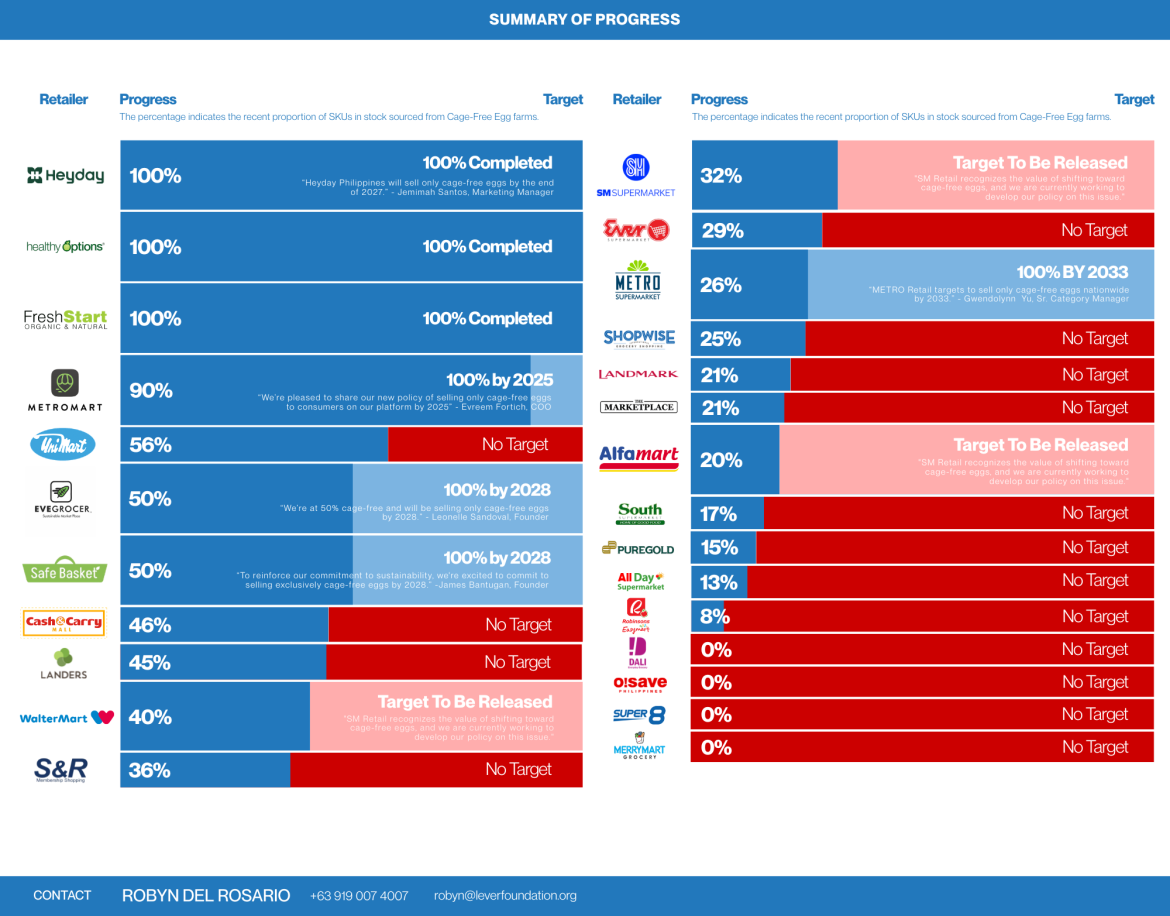
Among the 23 leading retail brands evaluated, 7 have already set a timeline for ending the sale of caged eggs across all operations. Three stand out for having already shifted to sourcing 100% cage-free eggs across all stores: Heyday, Healthy Options, and FreshStart, while e-commerce pioneer MetroMart follows closely, with 90% of its egg options cage-free. These retailers have marked the leading edge of a sector moving with increasing confidence toward responsible sourcing.
The sector also saw new commitments take shape. EveGrocer, an e-commerce retailer operating in key cities including Metro Manila and Cebu, has, in coordination with local government units, expanded the share of cage-free eggs it sells to 50%, with a pledge to source 100% cage-free eggs by 2028. METRO Retail, which operates more than 70 stores across Metro Manila, Luzon, and Visayas, has reached 26% cage-free eggs across its egg brands and has committed to reaching 100% cage-free eggs by 2033. Meanwhile, all brands under SM Retail—including Walter Mart, SM Supermarket, and Alfamart—have now transitioned 20%-40% of their egg SKUs to cage-free, as the group works on its own broader cage-free egg policy.
“The Philippine retail sector is taking meaningful steps toward more humane and sustainable sourcing,” said Robyn Del Rosario, sustainability program lead at Lever Foundation, which collaborated with several retail groups to develop their sourcing policies. “The progress we are seeing across the sector, from brands that have already completed their transition to cage-free to those that have set a target timeline for shifting 100% of their eggs to cage-free and are steadily building toward that goal, reflects a growing recognition that animal welfare, food safety, and sustainability are essential business priorities.”
The remaining retailers that have so far failed to set a timeline for ending the sale of caged eggs include Unimart, Cash&Carry, Landers, S&R, Ever Supermarket, Shopwise, Landmark, The Marketplace, South Supermarket, Puregold, All Day Supermarket, Robinsons Easymart, Dali, O! Save, Super8, and MerryMart. A growing body of peer-reviewed research suggests that well-managed cage-free egg production can help reduce the risk of Salmonella contamination compared with conventional caged systems. The Philippine government recognized the importance of shifting toward cage-free systems in 2020, when the Bureau of Agriculture and Fisheries Standards developed comprehensive animal welfare guidelines for cage-free egg production. Beyond sourcing standards, a growing number of consumers are choosing to leave eggs off their plates entirely, reflecting a broader shift in how Filipinos think about food and its impact.
“We’re encouraged by the momentum we’re seeing, and we’re confident that more retailers will set their own policy goals for shifting to 100% cage-free egg sourcing,” said Del Rosario. “We at Lever Foundation are eager to collaborate with additional retailers and share the learnings from those who have already begun or made the transition successfully. Cage-free sourcing is fast becoming the baseline expectation from consumers and the competitive standard in the Philippine market.”
The 2026 Philippine Retailer Industry Cage-Free Egg Progress Report evaluates retail brands on two dimensions: the proportion of egg SKUs currently sourced from cage-free farms, and the existence of a policy commitment to reach 100% cage-free sourcing within a specific timeframe. The retail sector’s progress also reflects the broader trajectory of the Philippines’ food industry. Nearly 80% of leading restaurant chains and nearly 85% of leading hotel groups across the country have already set timelines for phasing out the use of caged eggs, placing the retail sector’s advances in step with an industry-wide shift spanning the country’s food landscape.
MANILA, Philippines – Learning how to set rates is one of the hardest parts of freelancing. It can be difficult to know whether you’re charging too much, too little, or just enough. If you’re a young freelancer trying to figure it out, here’s an expert guide to pricing your work from three seasoned professionals.
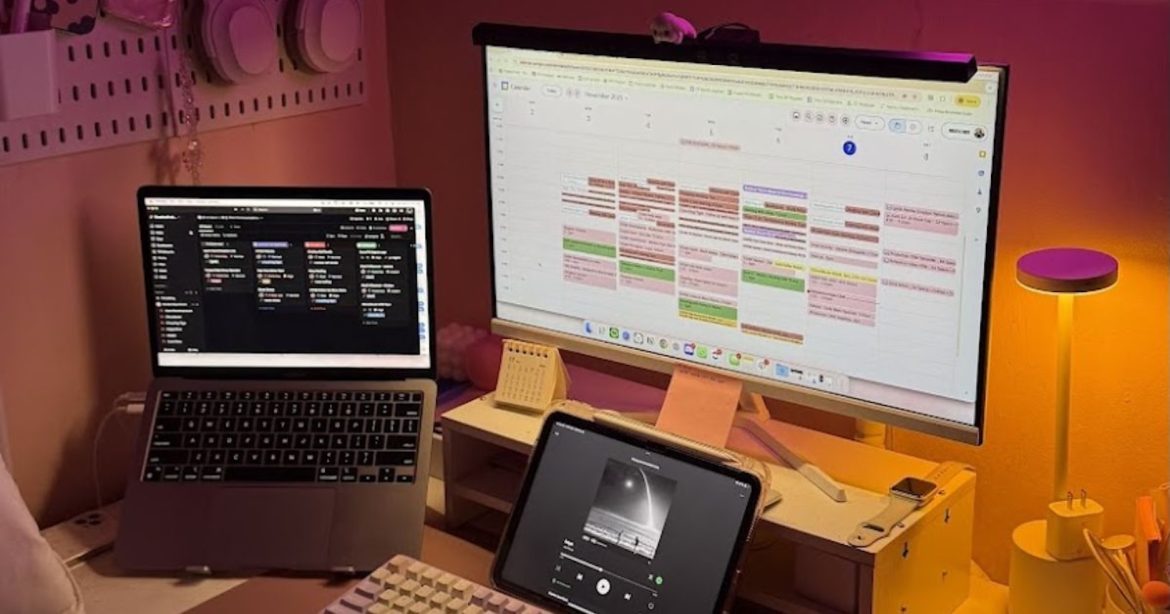
For many new freelancers, the first step in pricing starts with an important personal consideration: How much do you actually need to earn to make freelancing sustainable? For finance expert Arnel Legaspi, this means building a baseline rate that reflects the minimum needed to sustain both your personal and work expenses.
A freelancer’s organized workspace, showing the planning behind setting a sustainable baseline rate.
“I studied freelance platforms to understand what clients were typically willing to pay and what other editors were charging. This became my minimum rate and gave me a realistic starting point,” he recounts.
Meanwhile, for social media manager Kyla Dizon, that baseline becomes clearer when you also factor in the costs of running your freelance business. “From internet bills and electricity to software subscriptions, tools should be taken into account because these things help you do your work,” she explains. Once these expenses are identified, freelancers can identify a true minimum rate that ensures every project contributes to financial sustainability.
Pricing should reflect the value you bring to a client’s business. According to content creator Rini Mendoza, many freelancers fall into the trap of accepting underpaid work just to build experience, but this often leads to undervaluing their own growth. ”The biggest lesson I’ve learned about pricing as a freelancer over the years is that not every work project is to be accepted or considered, especially when the clients are lowballing. That’s why, as they always say, know your worth as a freelancer!” she shares.
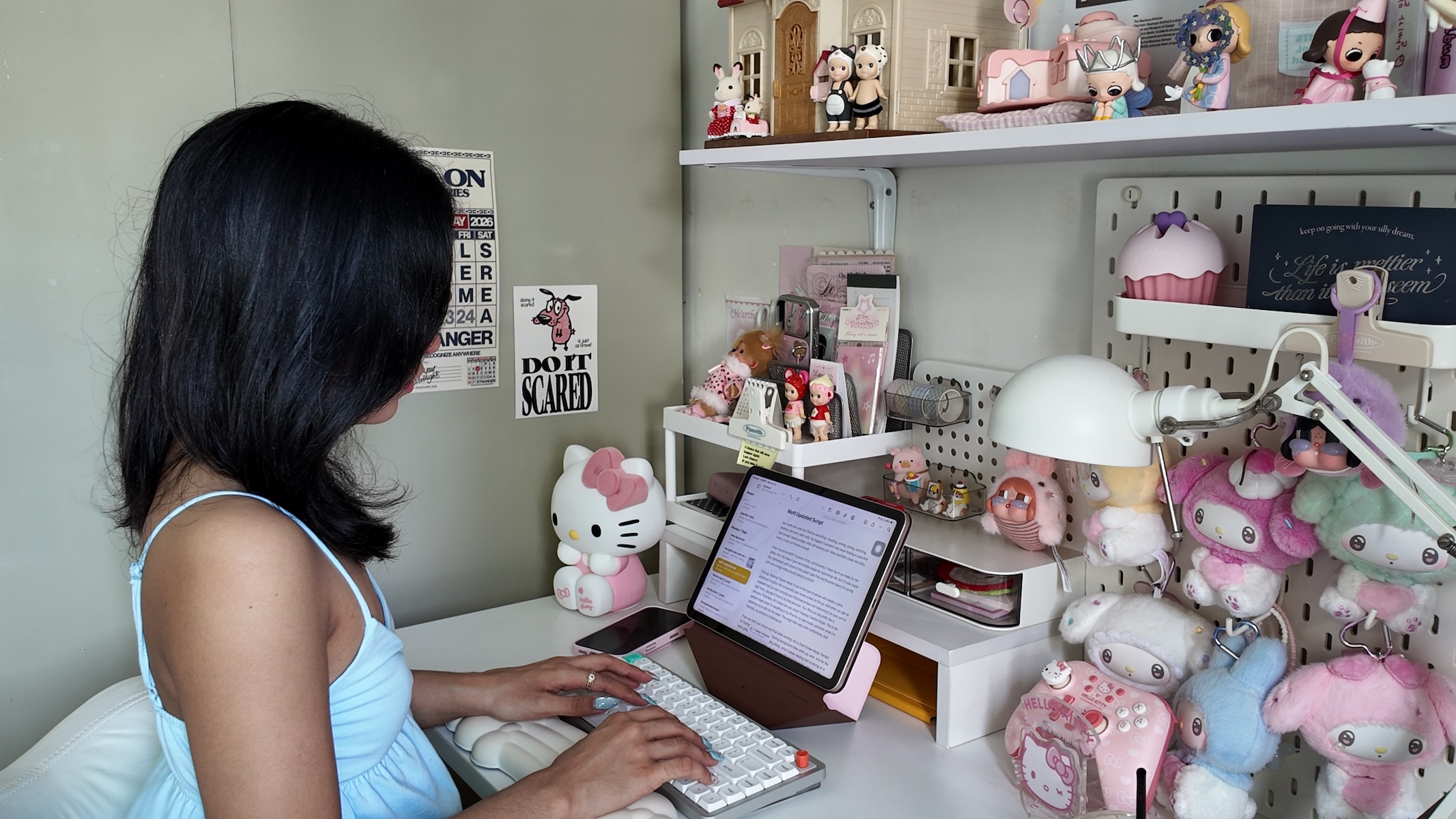
When pricing your work as a freelancer, it helps to present yourself as a partner in your client’s growth. Regardless of whether you are a social media manager, virtual assistant, financial planner, graphic designer, or writer, you are being hired because your work creates outcomes, not just output.
For Kyla, this shift in mindset is what also builds your confidence when pricing your work, so she encourages freelancers to ask: By doing your job, what do you offer your client? How much time are you saving your client? When you understand the value you bring to the table, it becomes easier to price your services with confidence.
Freelancers have to deal with transfer fees, platform charges, taxes, software subscriptions, and payment delays. For freelancers working with international clients and earning in currencies like USD, exchange rates and conversion timing can also make earnings unpredictable.
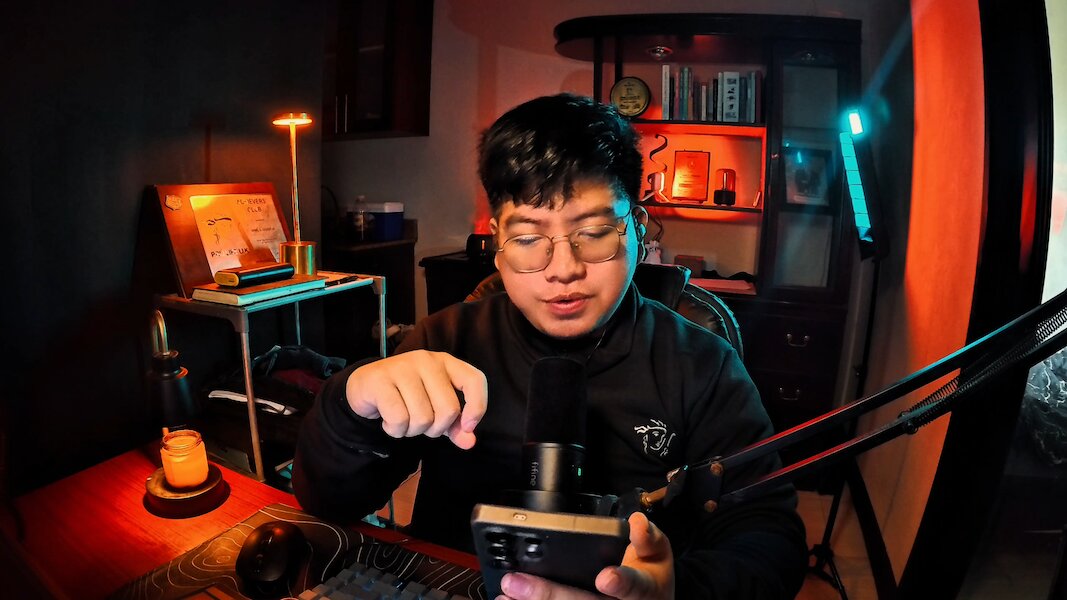
Because of this, Arnel, Kyla, and Rini think beyond just setting rates. They also consider how effectively they can manage what they earn. They use the GCash Virtual US Account, a new feature in the GCash app that lets freelancers receive USD payments from clients directly and convert earnings to PHP when it makes the most sense for them. Once withdrawn, funds can be used directly for bills, savings, and other everyday expenses.
For freelancers, pricing confidently goes beyond setting a rate and involves understanding how that rate is affected by fees, timing, and conversions. Follow these three tips for pricing your work and be sure to use the right tools to support you, like the GCash Virtual US Account.
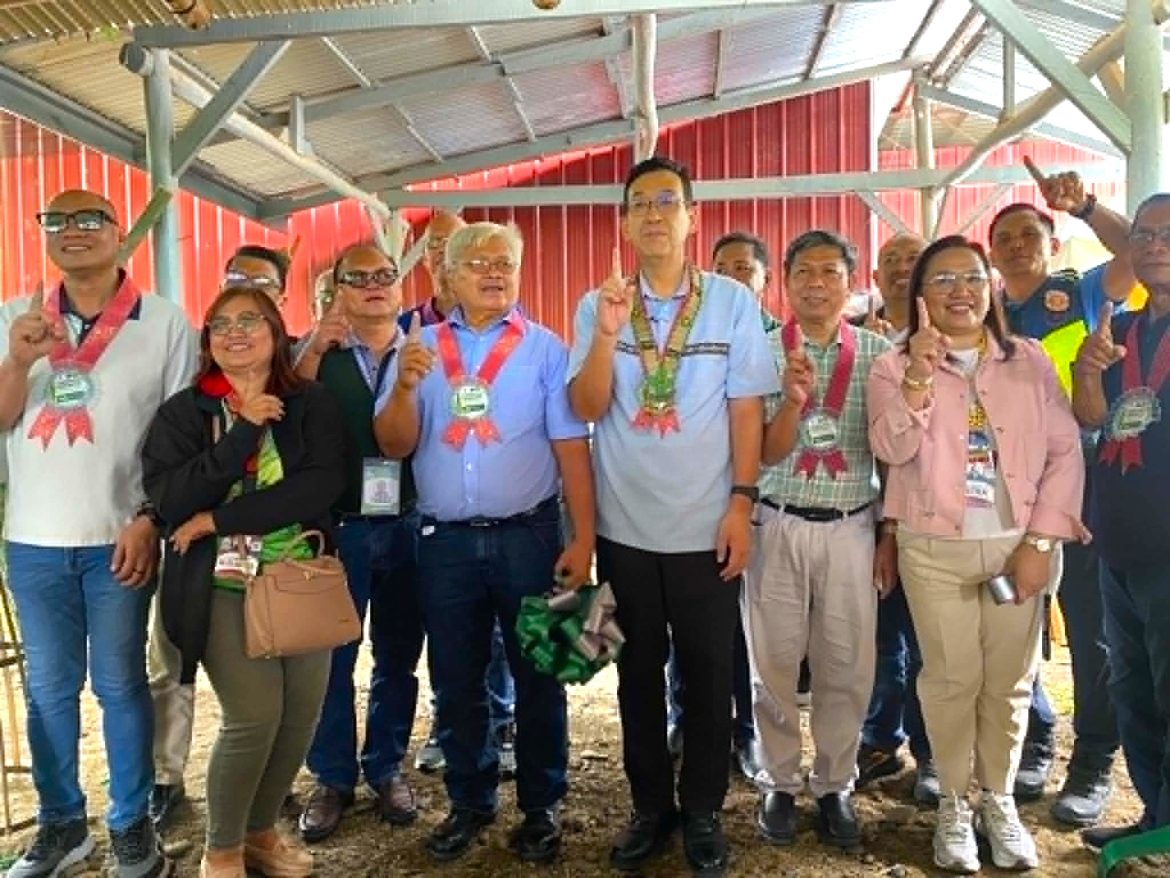
CONSUL General ONO Hirotaka attended the turnover ceremony for “The Project for the Provision of Bamboo Processing Equipment in Santo Tomas, Davao del Norte,” funded under the Government of Japan’s Official Development Assistance (ODA) through the Grant Assistance for Grassroots Human Security Projects (GGP) on July 9, 2026.
The project, with a grant amount of approximately PHP 3.2 million, provided bamboo processing equipment to local farmers and members of the Bobongon Tree Planters Association Inc. (BTPAI), a community-based organization engaged in tree planting and bamboo-related livelihood activities.
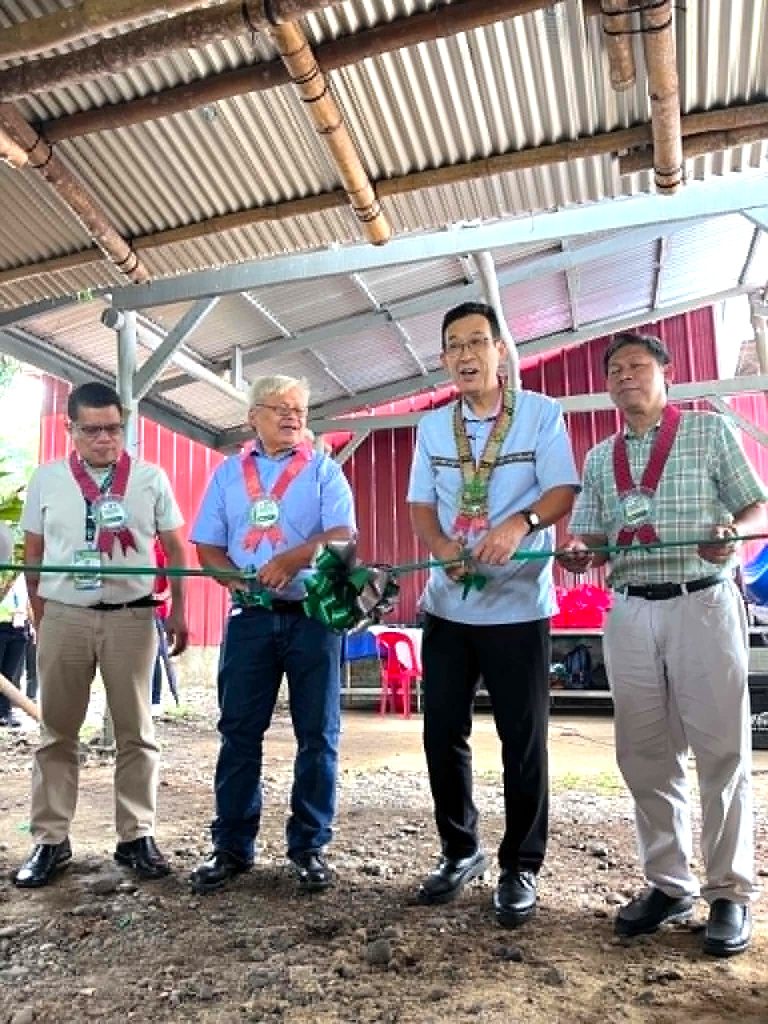
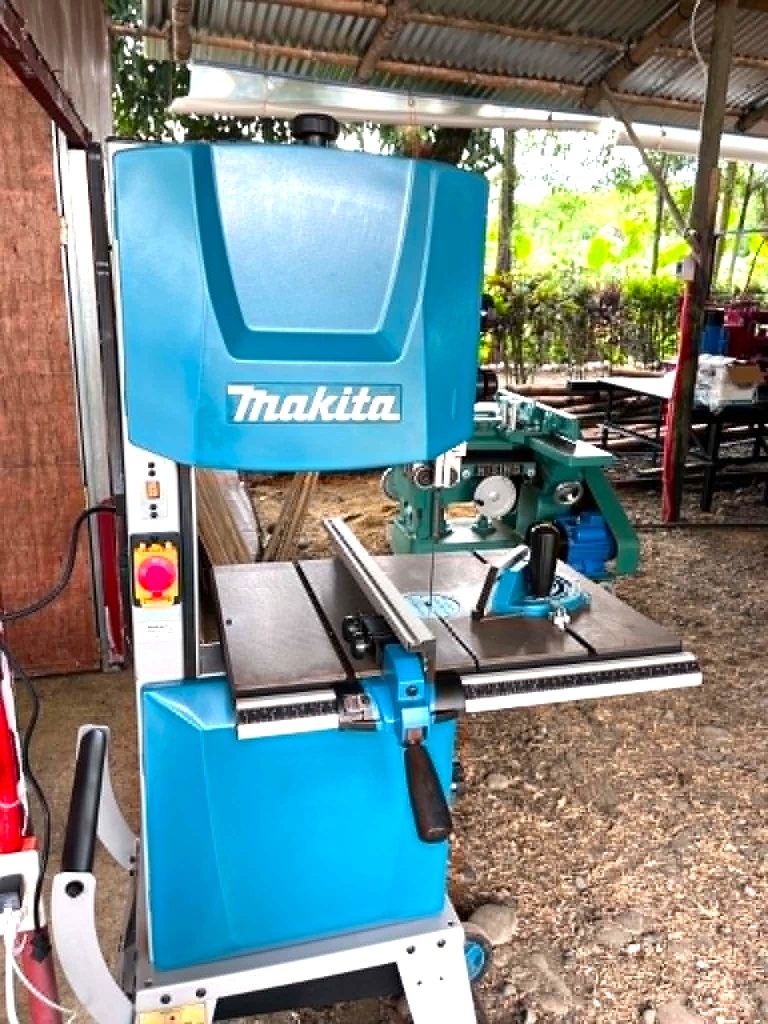
The newly provided equipment is expected to enhance the capacity of local bamboo farmers to produce higher value-added bamboo products and promote the efficient utilization of bamboo resources, including the proper harvesting of previously unharvested bamboo. Through these efforts, the project aims to contribute to the socio-economic development of the local community while supporting environmental sustainability.
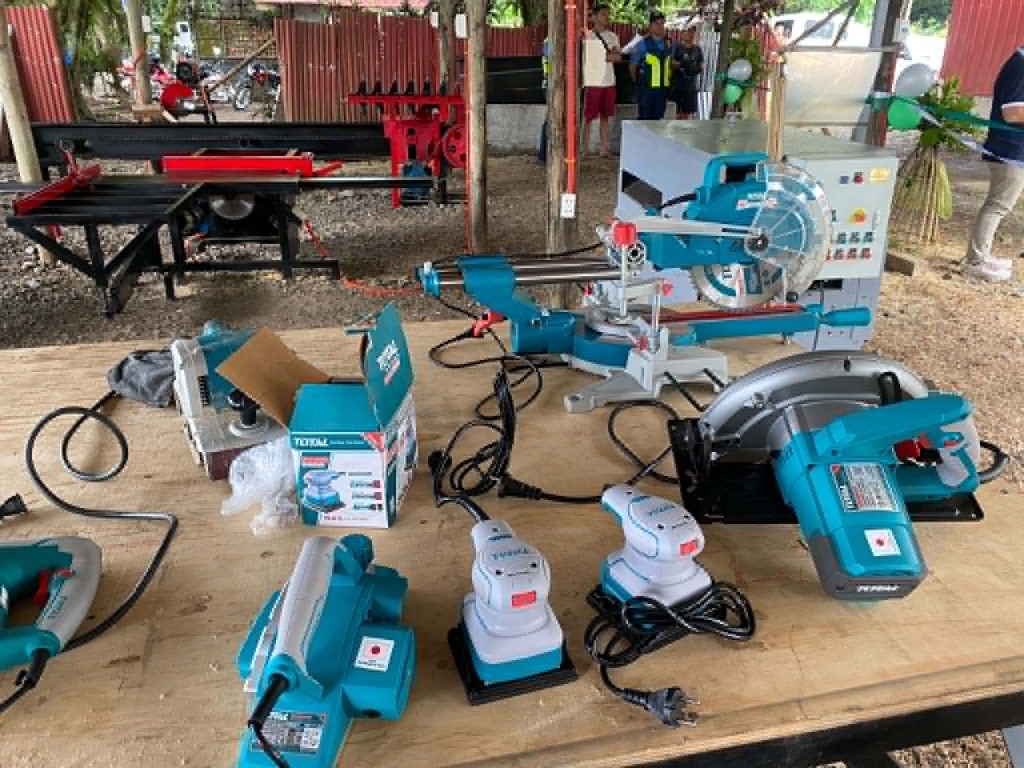
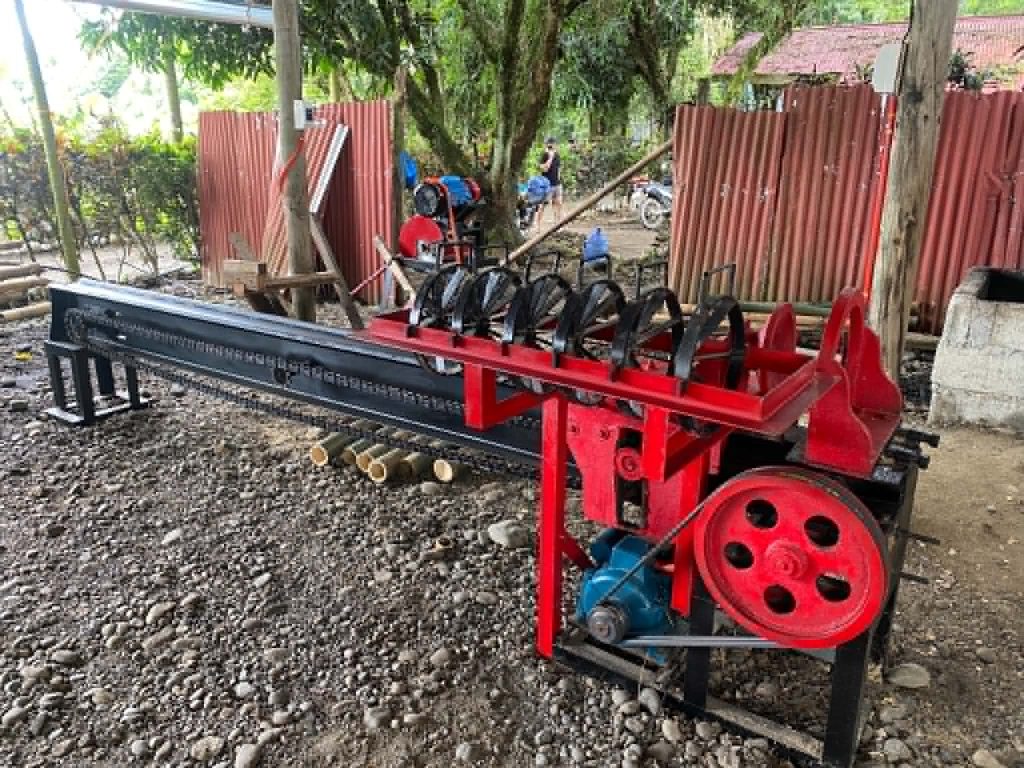
The Grant Assistance for Grassroots Projects (GGP) was established in 1989 to support small-scale development projects that directly benefit communities at the grassroots level and contribute to local socio-economic development. Eligible recipients include local government units, educational, research and medical institutions, non-governmental organizations, people’s organizations, and cooperatives. Further information can be obtained through the Consulate General’s Official Website: https://www.davao.ph.emb-japan.go.jp/itpr_ja/11_000001_00229.html.

IMAGINE walking into a supermarket and seeing Megastar Sharon Cuneta working as a clerk, helping shoppers fill their carts. One moment, she’s at the checkout counter recommending must-have essentials; the next, she’s strolling through the aisles, sharing practical tips and chatting with shoppers like everyone’s trusted Ate.
This is the premise of InLife’s latest campaign featuring InLife’s Dreamweaver Sharon Cuneta, which encourages Filipinos to rethink what truly belongs on their essentials list. Through familiar grocery staples and relatable life moments, the campaign delivers a timely reminder that insurance is no longer just a luxury but an essential part of protecting the people and future we value most.
Everyday Choices, Meaningful Insights
In the video, Ate Shawie meets a young woman picking out groceries for her family, from fruits for her mom and coffee for her dad to cookies for bunso and a few self-care treats, a familiar glimpse of the Filipino Sandwich Generation quietly holding everything together. With a knowing smile, she suggests a loaf of bread as a simple pan-sigurado that reflects being a smart breadwinner, then adds milk to “fortify” her health, a gentle reminder that caring for her health is just as essential as caring for those who depend on her.
Elsewhere, a couple rushing to complete their list gets timely suggestions from Ate Shawie, who points them to a coffee blend and canned goods, staples that reflect the madiskarte and sulit mindset of Filipino “all-around” parents, while hinting at the importance of protecting the income that sustains the family, especially for families relying on an OFW breadwinner supporting loved ones from afar.
Meanwhile, a well-heeled retiree lingers by the vitamins aisle, accomplished yet contemplative after decades of success, and is gently reminded that it’s never too late to secure his future, because true retirement freedom comes from protecting and sustaining what he has earned.
Beyond The Grocery Cart
What begins as a lighthearted grocery run reveals a deeper message, as Ate Shawie’s suggestions mirror the quiet questions Filipinos ask when filling their carts: will this sustain my family, bring lasting value, and prepare us for the future? These same questions apply to life and health insurance, yet many still prioritize immediate needs over long-term protection. Bridging this gap, the campaign cleverly connects everyday staples to InLife’s solutions:
Through these simple, relatable parallels, financial protection becomes easier to understand, leading to one clear message from Ate Shawie: “insurance isn’t a luxury; it is essential.”
A Timely Reminder for Filipino Families
Many Filipinos still see insurance as optional, often viewed as too complex, too costly, or only for the wealthy, reflecting the country’s low insurance penetration. It is still treated as a luxury rather than a basic need, even as recent events such as the pandemic and economic uncertainties have shown the real cost of being unprepared. Like the essentials we place in our grocery carts, life and health protection, along with financial security, deserve a place in every family’s everyday budget.
Reinforcing this message, Gae L. Martinez, chief marketing officer of InLife, said, “We buy essential items not because they are trendy. We buy them because they protect our family’s well-being. They safeguard our health. They give us peace of mind, knowing we are able to provide for our family’s needs. It’s the same with financial protection. They help us secure everything else inside our grocery cart.”
Making InLife Part of Every Checklist
With over 115 years of service, InLife continues to help Filipinos secure their future with solutions designed for every stage of life, providing security in uncertainty and protection for the family when it matters most. As the country’s first and largest life insurer that is proudly 100 percent Filipino, for Filipinos, it has grown alongside generations, understanding their needs and standing by them with trusted solutions for protection, savings, investments, and retirement, making it an essential part of every Filipino family’s checklist.
Learn more about how InLife can help secure your family’s future at www.inlife.com.ph/mag-sharon-para-sa-kinabukasan