



DAVAO’S cacao industry is moving to strengthen its position in the domestic and global markets with Kakaw Konek 2026, set on Nov. 11-12 at the Seda Hotel.
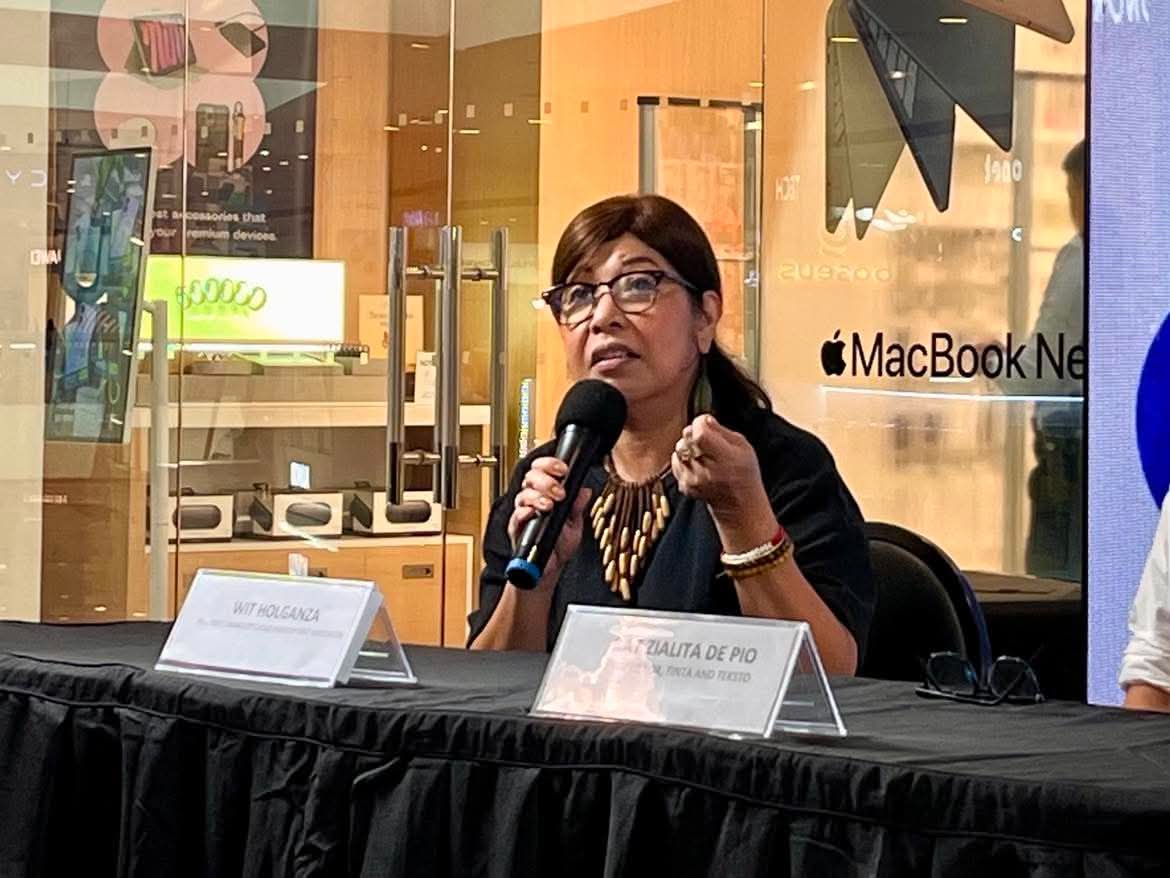
Wit Holganza, Davao City Cacao Industry Development Association president, said that while Region XI accounts for the largest share in the country’s total production, it remains a net importer of cocoa powder.
For instance, she reported that of the Philippines’ total annual cacao production of about 18,000 metric tons, Davao Region accounts for roughly 70%.
“We really need to have an annual conference. Otherwise, we will not be able to keep up with the demand, much less expand in the areas where we have opportunities to grow more cacao,” Holganza said during the Kapehan sa Dabaw on Monday.
She noted the need to support domestic consumption rather than continuously relying on imported inputs from Indonesia and Malaysia.
This year’s Kakaw Konek 2026: Davao Region Cacao Congress and Tsokolate Fiesta will put the spotlight on industry collaboration, innovation, market opportunities, and the people behind Davao cacao.
She said these activities complete the 2026 celebration of Kasadya sa Kulturang Kakaw, emphasizing cacao not only as an agricultural commodity but also as a source of livelihood, enterprise, cultural identity, and sustainable development.
The Tsokolate Fiesta, happening Nov. 11-12 at the Abreeza Mall Activity Center, will also showcase local chocolate makers, value-added products, and the creativity of the region’s cacao entrepreneurs.
Stakeholders across the cacao value chain will convene to examine what the region needs to do to strengthen its position in the domestic and global cacao markets.
The discussions will address five important areas: productivity, processing and quality, traceability, digitalization and innovation, market access, agritourism and business intelligence, and supply chain, capital, and infrastructure.
A Cacao Innovation Lab will also be featured in the congress, where researchers, technology developers, industry partners, institutions, and potential investors will present proposed solutions.
The congress is also set to formulate recommended priority actions for the region’s cacao development agenda for 2027-2030.
Holganza said the congress will also discuss the shift toward regional self-sufficiency, training local farmers to transition away from chemical-based fertilizers, pesticides, and herbicides in favor of natural microbes and regenerative soil management.
“Stop feeding the trees with chemical fertilizer and instead make use of natural microbes; make use of waste resources so that you can bring back food to the soil so that the soil becomes healthy again and the soil feeds the tree,” she said.
She noted that continuous reliance on chemical fertilizers has driven up operational costs and degraded soil health, making local production vulnerable to global market fluctuations.
As part of ongoing initiatives, the cacao council has collaborated with city agriculture offices and regional offices to conduct training workshops on regenerative farming protocols.
She said diversifying farm crops alongside cacao production is deemed critical to securing stable incomes and long-term agricultural resilience for local growers.

