



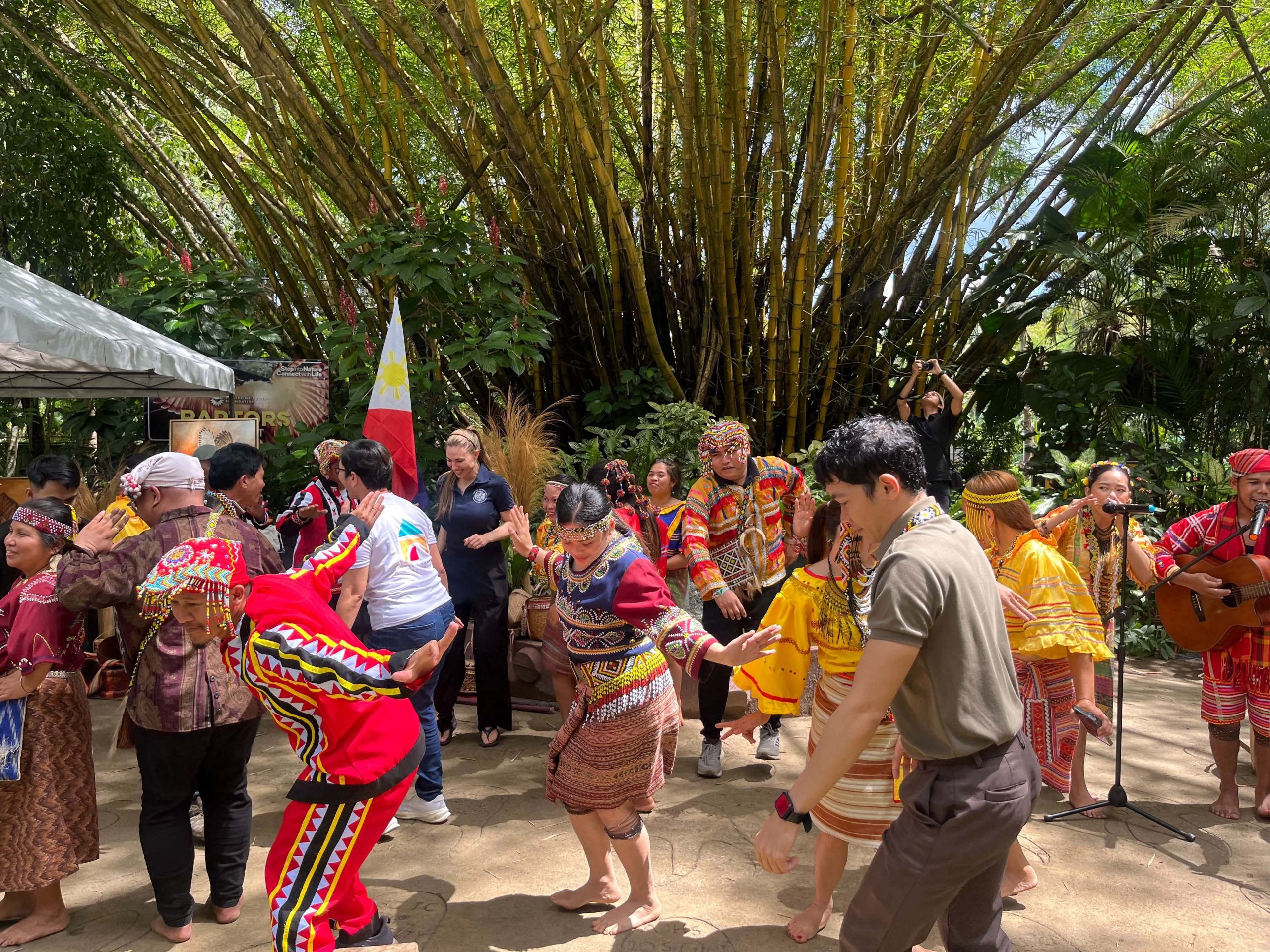
THE FUTURE of the country’s national bird depends on the indigenous peoples who have long protected its forest home, the Philippine Eagle Foundation (PEF) said as it marked Indigenous Peoples’ Month.
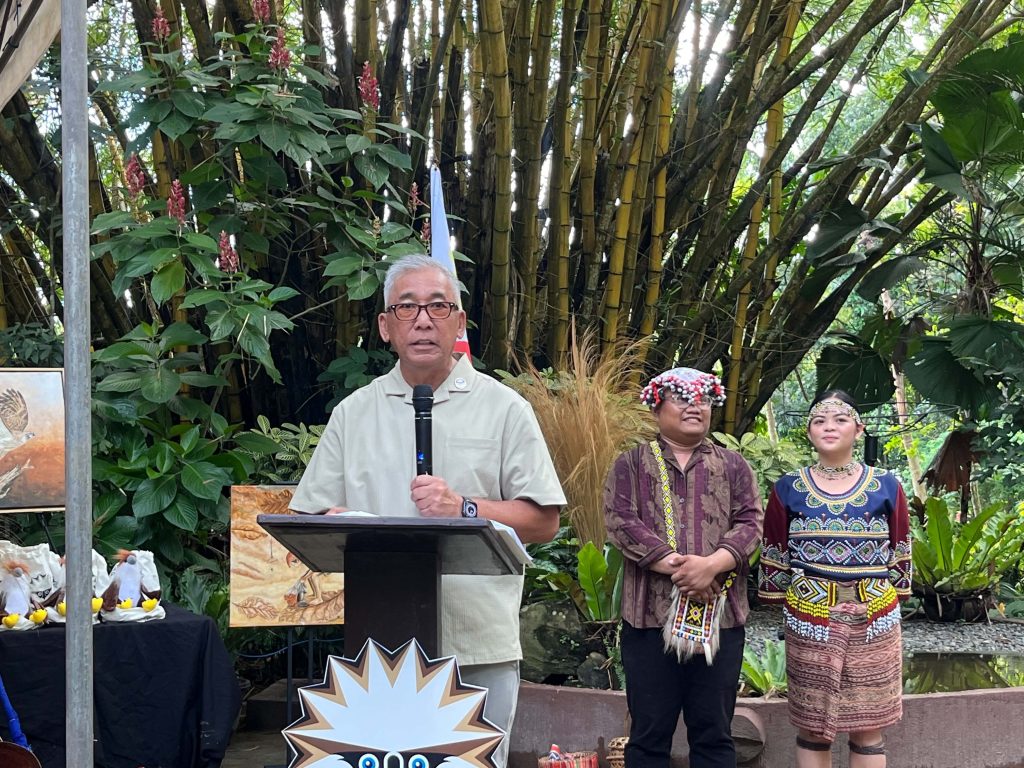
“Long before biodiversity conservation became a buzzword, protecting the forests and wildlife was already part of your lifestyle,” PEF executive director Dennis Salvador told indigenous participants.
PEF held “KATUTUBO: Guardians of Ancestral Domains,” a festival of Indigenous culture, biodiversity, and conservation, at the Philippine Eagle Center in Malagos, Baguio District, on Friday, Oct. 30, 2026.
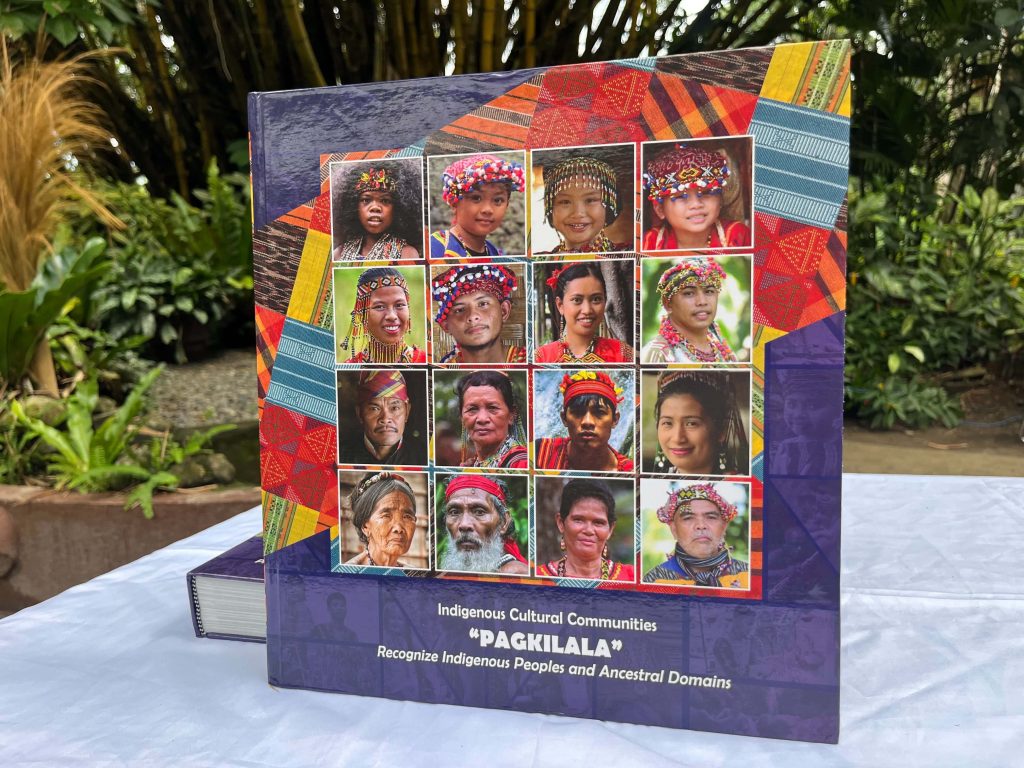
The event recognized PEF’s 16 Indigenous partner communities, emphasizing their role in protecting forests and wildlife, as their ancestral domains are critical habitats for the critically endangered Philippine Eagle.
The IP groups present were Obu Manuvu (Tambobong); Bagobo Klata (Sirib); Matigsalug (Datu Salumay); Unified Bagobo Tagabawa (Sibulan); Bagobo Tagabawa (Toril); Ata (Paquibato) from Davao City; Mansaka and Mandaya (Maragusan, Davao de Oro); Ata-Manobo (Talaingod, Davao del Norte); and Mandaya (Caraga, Davao Oriental).
Meanwhile, other partner communities are the Higaonon from Malaybalay, Bukidnon; Higaonon-Bukidnon (Guilang-Guilang, Bukidnon); Tigwahanon Indigenous Cultural Community and Ancestral Domain (San Fernando, Bukidnon); Kibongcog Tigwahanon Ancestral Domain (Kibongcog, San Fernando, Bukidnon); Manobo Tinonanon (Arakan, North Cotabato); and Mamanwa (Gigaquit, Surigao del Norte).
Salvador said the eagle’s survival “is closely tied to the protection of the ancestral lands and the continuity of living traditions.”
For the foundation, he said, caring for the eagle “must go hand-in-hand” with respecting indigenous rights, listening to their knowledge, and supporting their leadership.
Community-based conservation
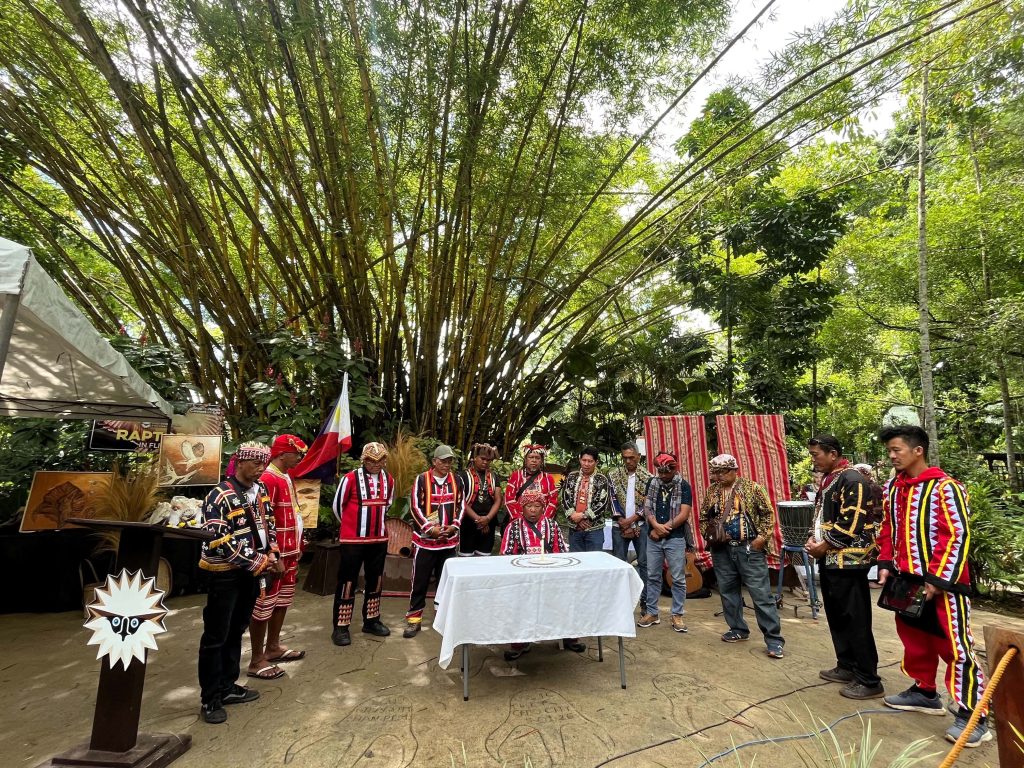
Jayson Ibañez, PEF director for operations, traced the community-based conservation approach to an education campaign in Bukidnon about 30 years ago.
He said an elder asked if the eagle was so important and endangered, whether indigenous people could also be considered endangered so their welfare would be looked after too.
“The only way for the Philippine Eagle and biodiversity to thrive is if its human neighbors and the owners of the same ancient forest habitat are also thriving well,” Ibañez said.
PEF began community-based conservation in 1995 within an ancestral domain in Salaysay, home to the Obu Manuvu.
The nesting site there, which Ibañez described as possibly the third oldest in the Philippines, has produced 16 eaglets according to PEF records.
Ibañez said PEF’s experience points placed indigenous communities at the center of conservation.
Ancestral domains have established decision-makers, which is the indigenous political structure, and conservation groups must work with these legitimate leaders.
He added that it is not enough to value indigenous knowledge but also to acknowledge and support the bearers of that knowledge.
“The best way to nurture knowledge is to engage the knowledge bearers as either forest guards, as elders in governance, as local community organizers, as restoration officers, and other roles,” he said.
At the forefront
Warnit Lumista, tribal chieftain and leader of the Bukidnon-Higaonon Tribal Association in Bukidnon, emphasized the importance of protecting the ancestral domain and wildlife, including the critically endangered Philippine Eagle.
Their ancestral domain spans approximately 36,547 hectares, with a territory covering 12 barangays in Malaybalay City, two barangays in Cabanglasan, and over 1,700 hectares within Impasug-ong.
The domain contains three major watershed areas: the Pulangui, Tagoloan, and Lower Sawaga watersheds.
“To safeguard these critical environmental zones, tribal forest patrollers and guards have undergone specialized training conducted in partnership with PEF,” Lumista said.
Similarly, Belhel Lumilang from the Tighuanon tribe in San Fernando highlighted the protection of virgin forests within their ancestral lands, which serve as crucial nesting and release habitats for the Philippine Eagle.
Alongside environmental monitoring, tribal organizations have integrated community-based economic projects to secure sustainable livelihoods while upholding indigenous traditions.
Guided by the belief “Ang kultura nanukad sa kinaiyahan” (Culture springs from nature), Hernan Ambe, IPS Head of the Unified Bagobo Tagabawa of Sibulan, recognized nature as the foundation of their identity and traditions.
Their ancestral forests, rivers, and mountains sustain their livelihoods and cultural heritage, inspiring continued stewardship for future generations.
Tribal leaders, by combining indigenous governance with institutional support, ensure the continuous defense of forest habitats against environmental degradation.
Technology and indigenous cultural knowledge
PEF is expanding its collaborative conservation frameworks to integrate advanced geographic mapping tools with indigenous ecological knowledge, reinforcing habitat protection for the country’s critically endangered national bird.
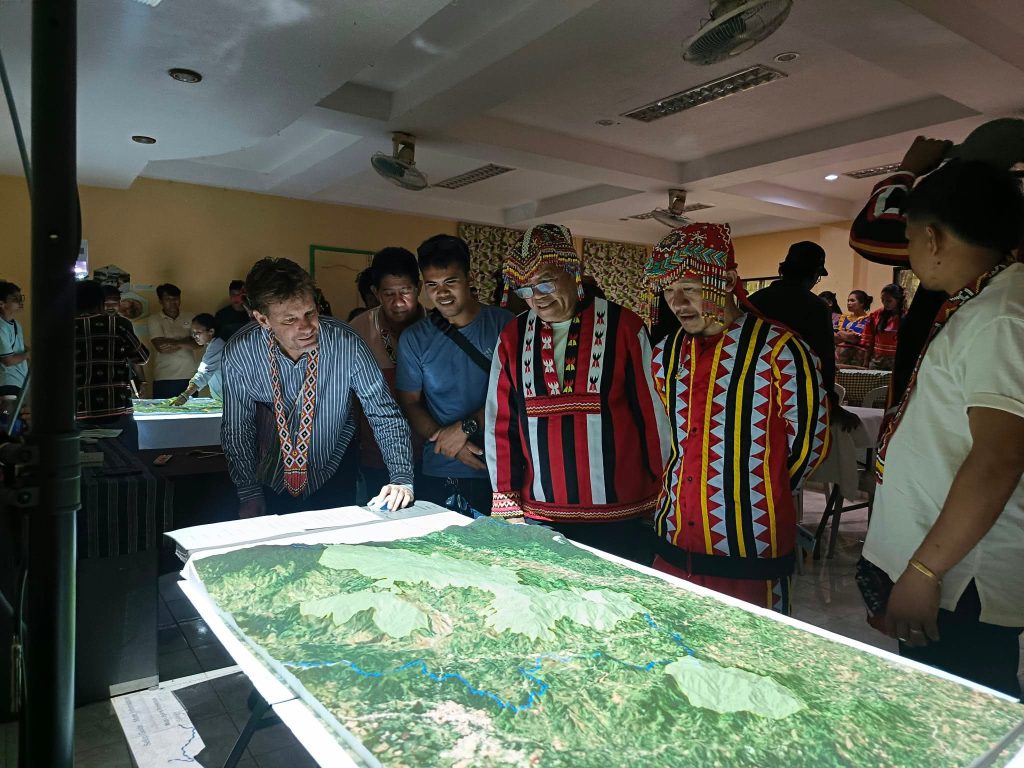
During the event, PEF formally turned over Participatory Landscape Mapping (PALM) and 3D landscape models to the Higaonon–Buhita and Ata Manobo–Talaingod communities.
These were received by Datu Warnit Lumista of the Higaonon community in Malaybalay, Bukidnon, and Datu Andigao Agay of the Ata Manobo community in Talaingod, Davao del Norte.
These were the second and third models provided to indigenous communities. The Indigenous Obu Manuvu community of Tambobong, Davao City, served as one of the pioneering pilot communities for participatory 3D landscape visualization.
The 3D landscape maps were developed by Rohan Fisher, senior research fellow at Charles Darwin University, and funded by Catholic Relief Services.
Fisher described the models as “performance spaces,” as they allow the communities to share and interact with landscapes in a tactile and highly visual manner.
“The maps are stories of the land. Who holds the map and who creates the map are the people that have power over that story of the land,” Fisher said.
PALM combines high-resolution physical 3D terrain models with projected digital spatial information and simulations.
The maps are intended to support Indigenous-led landscape planning and forest protection and identify crucial areas for forest management and potential species reintroduction.
PEF said the initiative aligns with ongoing scientific assessments by the foundation, emphasizing that ancestral domains significantly overlap with core high-quality nesting habitats across the country.
Fisher said bridging scientific data collection with local community stewardship is critical for sustaining forest ecosystems and safeguarding biodiversity.

