
BY ALEX ALAGON

BY ALEX ALAGON
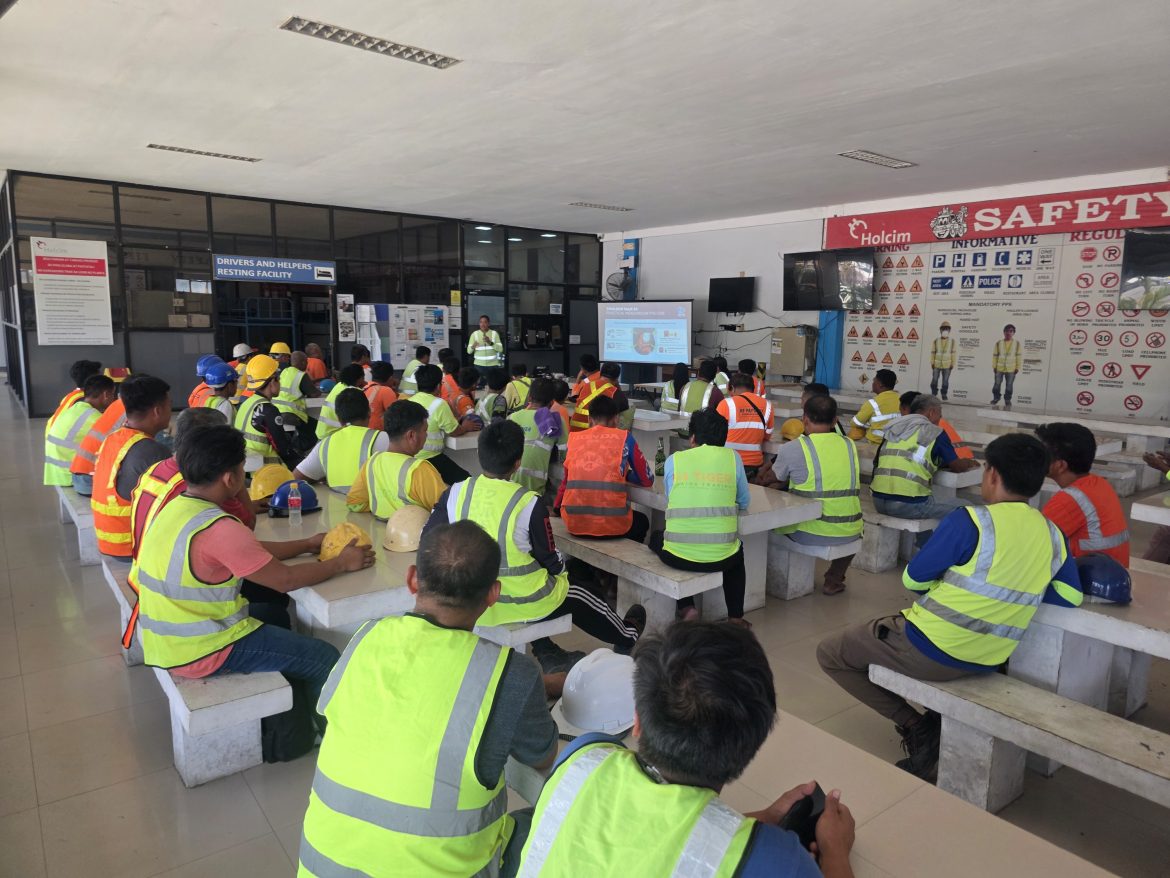
MANILA, Philippines – Holcim Philippines reinforced its commitment to safer roads and communitiesthrough the rollout of its annual road safety campaign, with this year’s theme: “See Me, Save Me,”engaging more than 2,300 employees, contractors, drivers, educators, and host community membersacross Bulacan, La Union, Davao, and Misamis Oriental during the first week of June.
Implemented in partnership with host communities and schools alongside this year’s Brigada Eskwelaactivities, the campaign raises awareness on the dangers of blind spots and limited visibility – keyfactors behind many road incidents involving vulnerable road users such as pedestrians, cyclists, andmotorcyclists.
The initiative forms part of Holcim’s participation in the United Nation’s Decade of Action for RoadSafety (2021-2030) that calls for road safety awareness.
This reflects Holcim Philippines’ ongoing commitment to protecting people both within and beyond its operations.
Through a series of road safety orientations, toolbox talks, demonstrations, and communityengagements, participants learned practical behaviors that can help prevent accidents. Key messagesfocused on understanding vehicle blind spots, conducting proper mirror checks, maintaining safedistances from cyclists and pedestrians, taking extra time before moving from a stop, and anticipatingunexpected road situations.
These behaviors are critical for both truck drivers and private vehicledrivers, whether on-site or on public roads.”Road safety is a shared responsibility.
Through the See Me, Save Me campaign, we arestrengthening awareness among drivers and road users that simple actions —such as checking blindspots, slowing down, and staying visible—can help save lives,” said Mohit Kapoor, CEO of HolcimPhilippines.
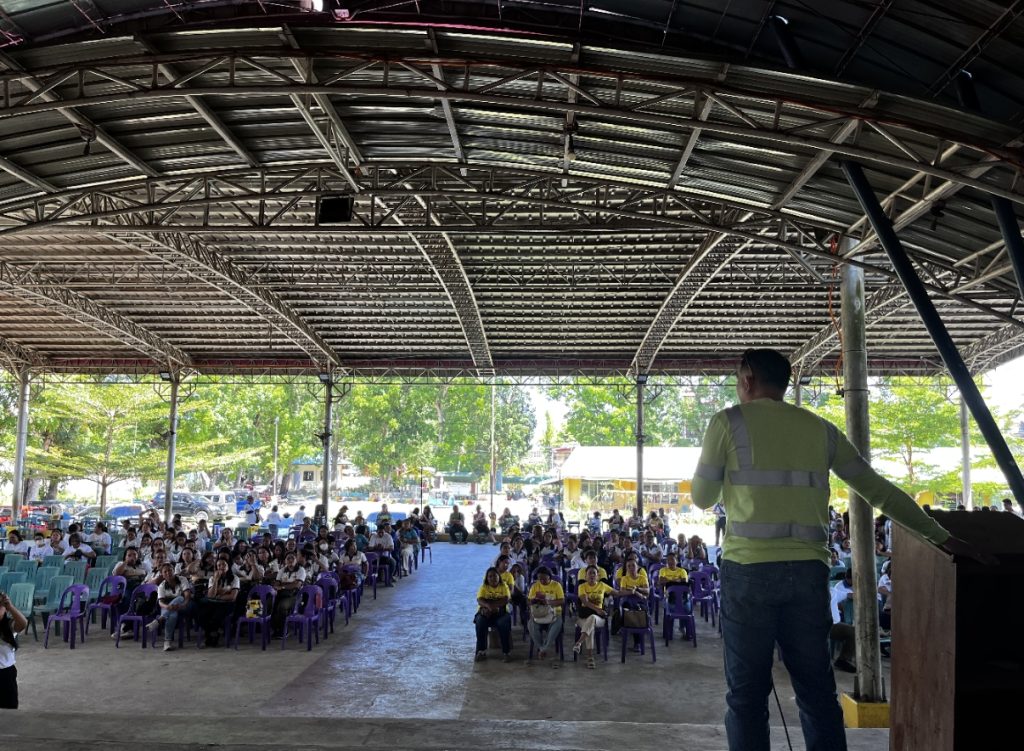
The campaign was rolled out simultaneously across Holcim sites. Special sessions were alsoconducted for school personnel preparing for the opening of classes, highlighting the importance ofroad safety around schools and community areas where children and pedestrians are most vulnerable.
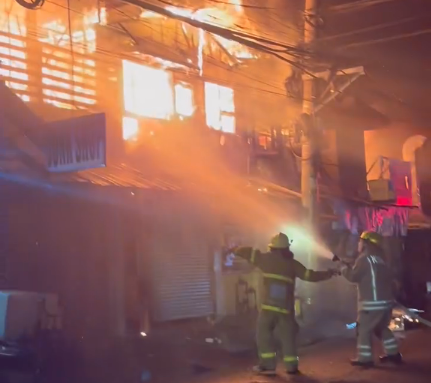
A SECOND-ALARM fire destroyed three residential houses in Barangay Sasa late Wednesday night, Aug. 5, leaving around six families homeless.
According to an initial incident report from fire authorities, the blaze broke out at Sto Rosario, Km. 12 in Barangay Sasa, Buhangin District, at 9:21 p.m.
Responding firefighters quickly raised the incident to a second alarm by 9:36 p.m. as flames threatened adjacent structures across an estimated 210-square-meter residential lot.
Firefighters managed to contain the blaze and declare it under control at 9:55 p.m. before officially issuing a “fire-out” status at 10:18 p.m.
Local authorities reported zero casualties, injuries, or fatalities from the incident. However, the disaster displaced six families, comprising roughly 16 individuals, whose homes were totally destroyed.
Bureau of Fire Protection XI is currently conducting an on-site investigation to determine the origin and cause of the fire.
The total estimated cost of property damage has yet to be determined as assessment continues.
Screengrab Metro Davao United Fire and Rescue Inc
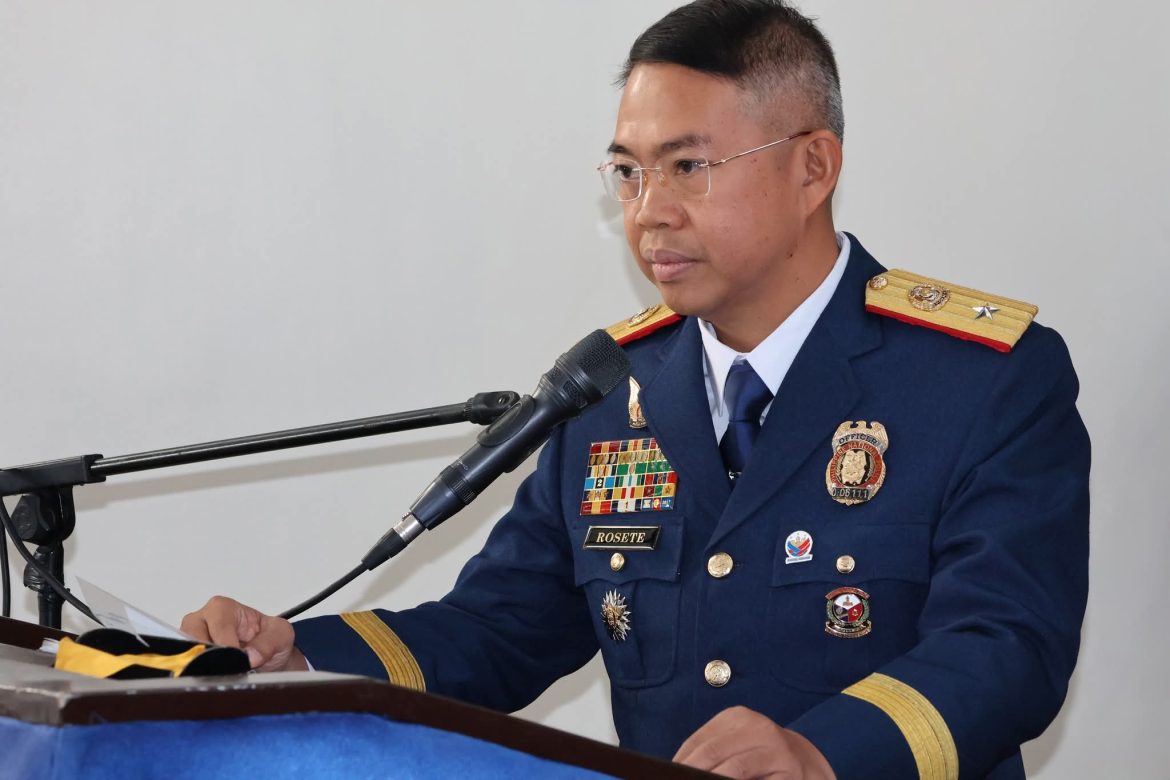
THE DAVAO Police Regional Office (PRO XI) captured 10 wanted individuals and seized over ₱125,000 worth of illegal drugs in a series of anti-crime operations conducted across the region.
According to PRO XI director PBGEN Leon Victor Z. Rosete, police units executed multiple focused operations from 6 a.m. on Aug. 5 to 5:59 a.m. on Aug. 6.
For instance, the region-wide campaign against fugitives yielded four arrests of most wanted persons and six other wanted individuals.
In anti-illegal drug operations, operatives executed 13 separate raids and buy-busts, arresting 12 drug suspects. Police confiscated 17.0071 grams of shabu, 33 grams of marijuana, and five grams of high-grade marijuana kush, with a total standard drug price of ₱125,608.28.
Police units also conducted 13 operations that yielded ₱78,350 worth of smuggled goods.
Meanwhile, four illegal gambling operations resulted in the arrest of four suspects, the confiscation of 22 gambling paraphernalia, and ₱945 in bet money.
In enforcing local city and municipal ordinances, PRO XI recorded 1,697 violators. Of this total, 1,138 individuals received fines, while 559 were given official warnings.
Meanwhile, three loose firearms operations led to the surrender or deposit of three unregistered firearms. And finally, police recovered 50 board feet of illegal lumber and seized fishing paraphernalia in connection with illegal fishing.

DAVAO City has recorded a 50% drop in influenza-like illness (ILI) cases as of July compared to the same period in 2025, the City Epidemiology and Surveillance Unit (CESU) reported on Thursday.
CESU section head Farah May Clamor said data from January to July this year showed 2,451 ILI cases, down from 4,942 cases logged during the same period last year.
Clamor stressed that despite fluctuations in respiratory illness numbers, outbreak numbers remain within safe thresholds.
“Based sa atong data, wala ta naglapas sa atong alert and epidemic threshold, and padayon ang City Epidemiology and Surveillance Unit sa pag monitor ani,” Clamor said.
Clamor said the unit has not identified any particular area in the city where ILI or respiratory illness cases have spiked, noting that the 18 district health centers continue to monitor the situation closely.
The official clarified recent advisories issued by government offices, such as the City Planning and Development Office (CPDO), recommending face mask usage inside their premises, are proactive infection prevention and control (IPC) measures.
“Wala’y dapat ikabalaka pero dili ta mag-kompyansa kay infectious man siya in nature. Pwede man sya mapasa,” she stressed.
The official urged the public to avoid panic while maintaining vigilance, as COVID-19 and other respiratory viruses remain present and require continued adherence to minimum public health standards.
The CHO reminded residents to practice consistent handwashing, physical distancing, proper cough etiquette, and voluntarily wearing face masks, particularly when experiencing symptoms or entering enclosed spaces.
Residents with respiratory symptoms are advised to isolate and seek medical assessment at any of the city’s 18 district health centers.
Clamor said the district disease surveillance officers continue active monitoring across all city sectors to manage case reporting and localized response efforts.
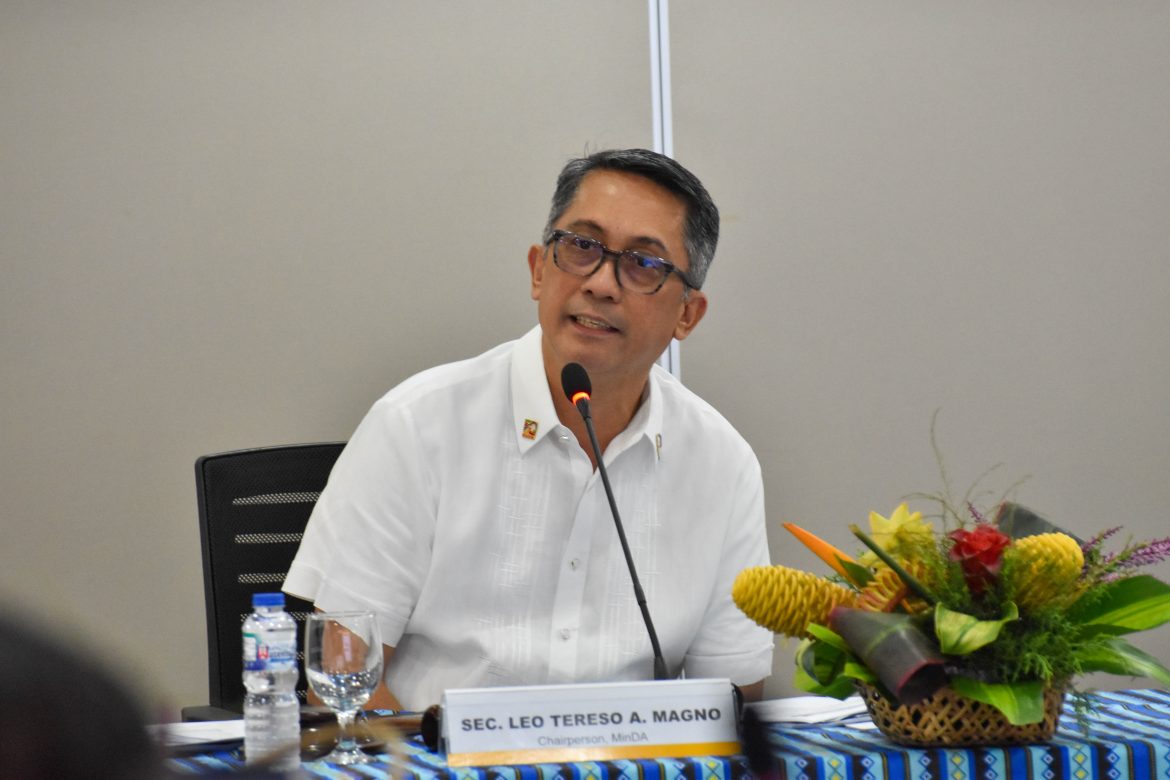
THE MINDANAO Development Authority (MinDA) said it has been working with national agencies, regulators, and power industry stakeholders to find ways to bring down power rates in the region.
Secretary Leo Tereso A. Magno, in a statement dated August 5, 2026, expressed support for concerns raised by the Davao City Council over rising electricity costs.
Magno acknowledged the council’s call for closer coordination among government agencies, local governments, regulators, and utilities.
Magno said MinDA has long pushed for cost-effective electricity and long-term energy security in Mindanao, advocating for more power generation capacity, stronger transmission infrastructure, faster renewable energy investments, and better inter-agency coordination.
“While Mindanao today enjoys an era of supply excess, electricity prices are influenced by many factors beyond available capacity alone,” he said.
He cited the Wholesale Electricity Spot Market (WESM), fuel prices, generation mix, scheduled and forced outages of power plants, transmission constraints, and market dispatch all affect the generation charge reflected in consumers’ monthly bills.
“This is precisely why MinDA has consistently emphasized that energy security and electricity affordability must be pursued together,” he stressed.
As chair of the Mindanao Power Monitoring Committee under Executive Order No. 81, series of 2012, MinDA, with the Department of Energy as co-chair, recently convened an inter-agency meeting with the Energy Regulatory Commission, National Electrification Administration, National Grid Corporation of the Philippines, National Power Corporation, National Transmission Corporation, Power Sector Assets and Liabilities Management Corporation, and the Association of Mindanao Rural Electric Cooperatives to discuss the region’s power situation and identify measures to mitigate high electricity costs.
Magno said MinDA also recognizes the need for distribution utilities to pursue additional long-term Power Supply Agreements, which are beneficial to consumers.
“Stable, competitively priced baseload supply, combined with the accelerated integration of renewable energy and battery energy storage systems, will strengthen price stability and reduce excessive exposure to WESM volatility,” he said.
The MinDA chief said the agency continues to push strategic reforms, including the rehabilitation of the Agus-Pulangi Hydropower Complex, support for the timely completion of committed power projects, and efforts to strengthen transmission infrastructure to ease congestion.
The agency has facilitated investments in the Mindanao Green Energy Auction Program and the promotion of bioenergy, waste-to-energy systems, battery energy storage systems, and distributed renewable energy resources.
Magno said addressing high power costs “is bigger than any single institution” and requires a whole-of-government and whole-of-industry approach grounded in sound policy, responsible investment, and evidence-based decision-making.
He said MinDA continues to facilitate initiatives that ensure sufficient power supply while making electricity more cost-effective and reliable to sustain Mindanao’s economic growth.
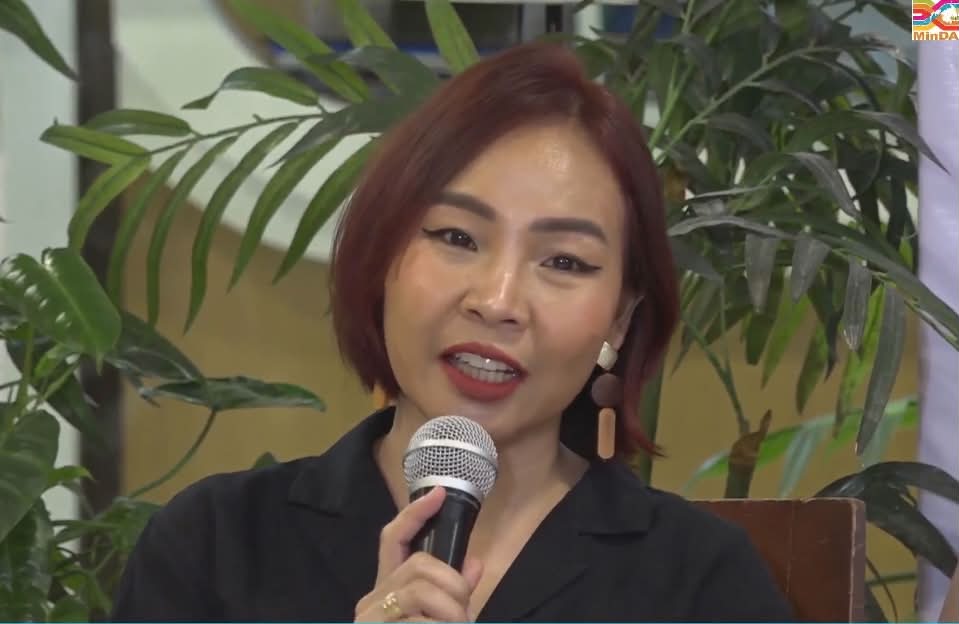
STARTUP enablers in Davao Region are pushing to address funding gaps at the seed and angel investment level, warning that startup companies in the region risk failing in critical early stages.
During the Habi at Kape media forum on Wednesday, Mary Rose Opianga, Wadhwani Foundation program manager, identified sustainability as the biggest challenge facing Mindanao’s startup community.
Opianga said Davao Region currently counts 67 active startups, most of them in services and e-commerce, but the actual number is difficult to track because startups “come and go.”
“One of the challenges of sustainability is there’s still a need for more funding on the seed and angel investor level or early-stage startup investment,” Ofianga said.
“Startups have different journeys, especially that they have a very critical point in their startup journey and then they will just scale very fast,” she added.
She distinguished startups from traditional buy-and-sell businesses, as a viable startup should be “scalable, sustainable, replicable, and profitable.”
Opianga said the ecosystem has expanded with support from government agencies along with academic institutions and industry groups like ICT Davao, noting Davao City has also been recognized among the top three cities for startup ecosystems in the country.
But despite the growth, Opianga said early-stage capital remains scarce, particularly for emerging sectors such as agricultural technology.
She described emerging start-ups in agritech as complicated; however, there are fewer than in services and e-commerce.
“That is one of our critical problems right now that we really want to solve for Mindanao. So we encourage students and startup founders to focus more on solving problems in the agriculture sector,” Ofianga said.
The organization is working to build an angel investor network covering not just Davao City but the wider Mindanao region.
She cited that these issues will be tackled at the upcoming Tech and Innovation Beyond Borders, a networking event for start-ups on Aug. 12-13 with the National ICT Summit in Tagum City.
Belinda Torres, president of ICT Davao, said the NICT is trying to bridge that gap by connecting founders with angel investors and encouraging government adoption of local startup solutions.
“We have to make sure that the solutions they provide are something that is, if it’s in the business sector, the ROI, but of course, we should also invite the government to be able to look at things that can be adopted, adapted at a local or government level,” she said.
Torres said with the advent of AI and emerging technologies, empowering startups and reskilling the workforce is critical to have enough skills and be relevant moving forward.
The event will also coincide with the BIMP-EAGA Digital Alliance Cluster Meeting under the “Beyond Borders” initiative, aimed at connecting Mindanawon startups with regional cross-border partners.
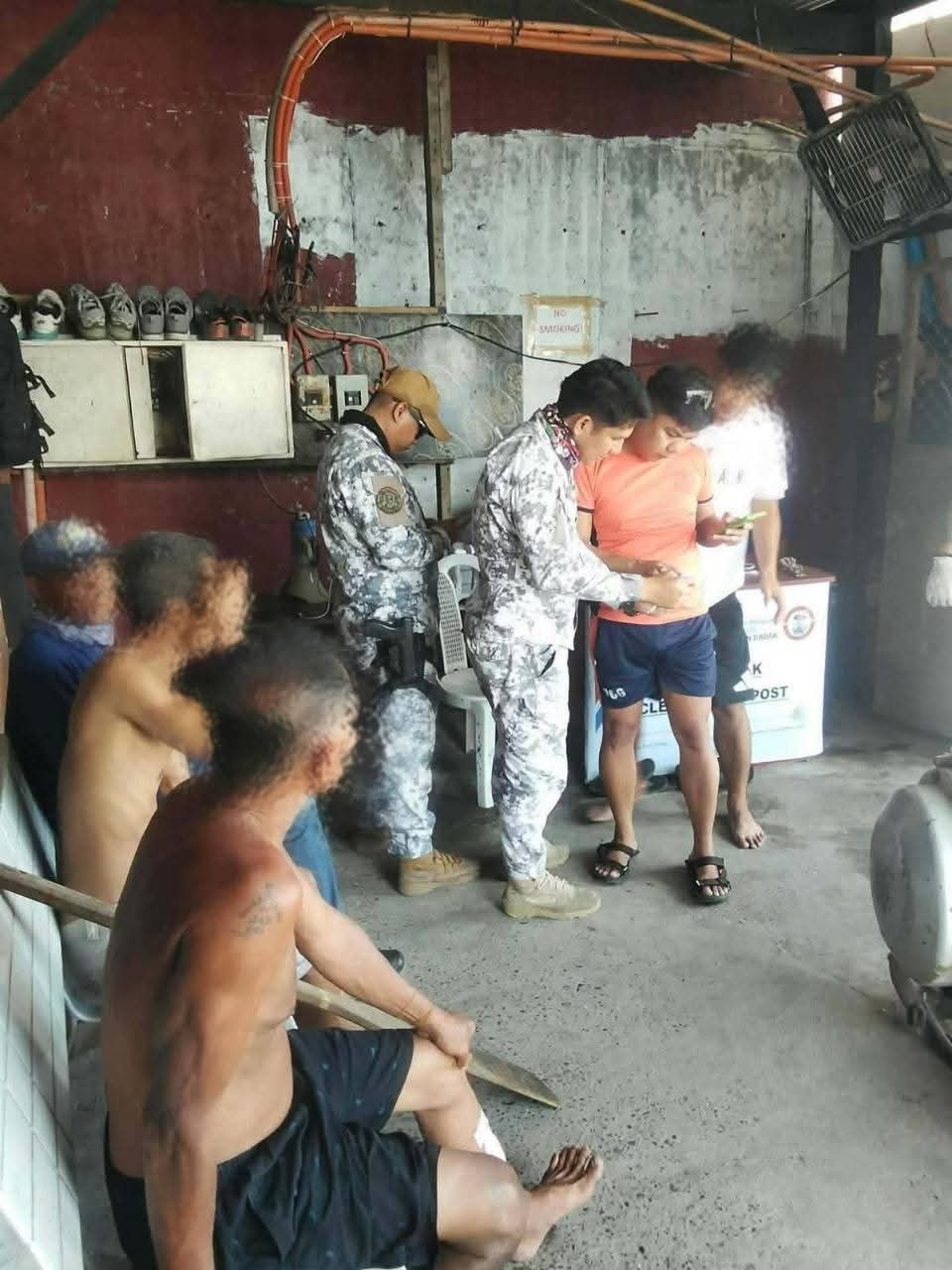
SEVEN individuals, including a boat captain, were successfully rescued after their motorboat submerged in the waters off Km. 10, Barangay Sasa, on Wednesday afternoon, August 5.
The rescue operation was executed through the joint efforts of the Coast Guard District Southeastern Mindanao (CGDSEM), Coast Guard Station Island Garden City of Samal (CGS IGACOS), and the crew of a commercial passenger vessel.
According to a report from CGDSEM, the distressed motorbanca encountered strong winds and rough sea currents while conducting a sea trial, causing the vessel to take on water and submerge.
The crew of MV Maewess 4, along with deployed Coast Guard Sea Marshals onboard, spotted the victims struggling in the open water while the ferry was en route to Samal Island.
Responders immediately pulled all seven passengers to safety and transported them to Maewess Port for emergency first aid.
CGS IGACOS personnel coordinated with the Davao City Disaster Risk Reduction and Management Office (CDRRMO) and local health authorities to evaluate the victims.
Two of the rescued individuals who suffered minor injuries were brought to the Davao del Norte-IGACOS Zone Hospital for further treatment and medical evaluation.
Meanwhile, the submerged motorcycle was secured off the coast of Barangay Caliclic in IGACOS for technical assessment prior to its release to the owner.
Following the incident, the PCG reminded all vessel operators and fishermen to inspect vessel seaworthiness, evaluate weather conditions, and prioritize maritime safety protocols before embarking on sea trials or routine voyages.
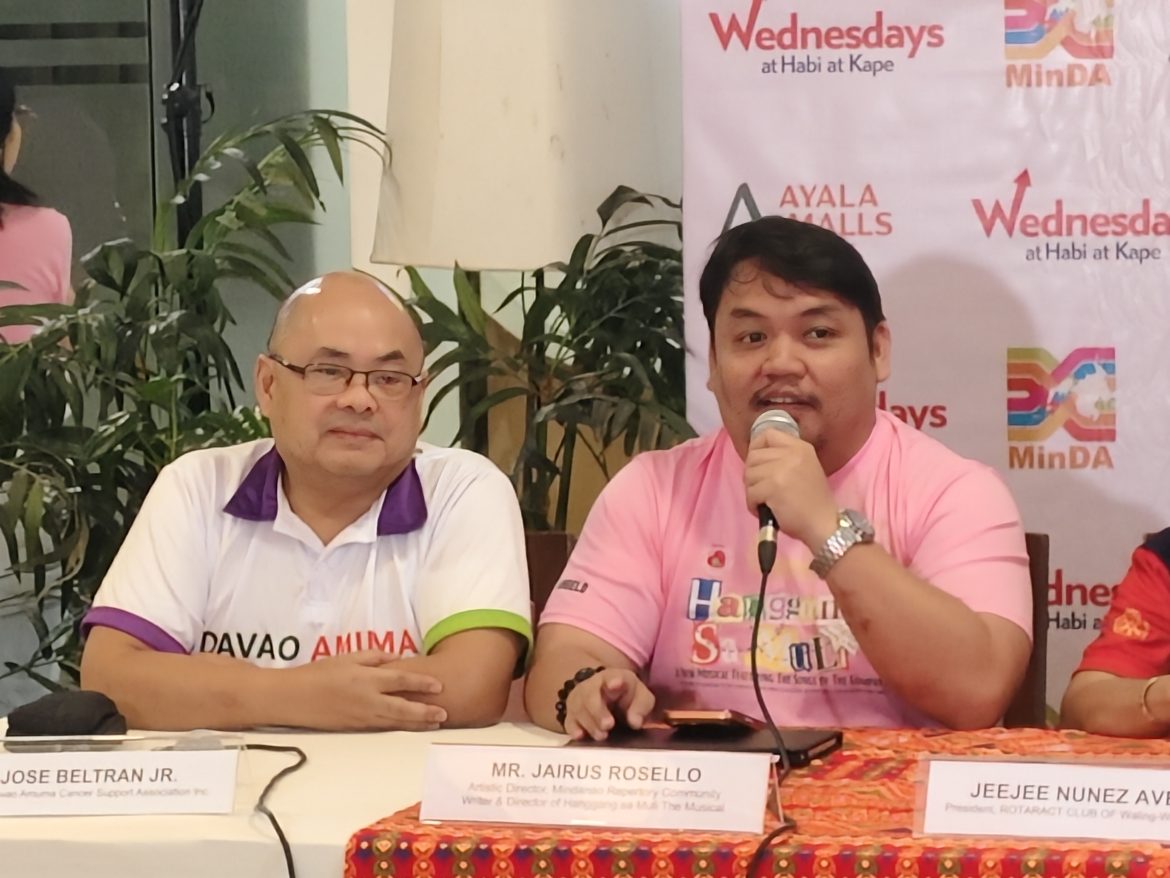
DAVAO-BASED theatre group Mindanao Repertory Community will hold its first full-length “Hanggang Sa Muli” on Aug 22 at the Leo Dominguez Amphitheater, Ateneo de Davao Matina campus, to celebrate the iconic OPM hits of “The CompanY” and support cancer patients.
Writer and director Jairus Rosello said the event will have two acts—the first occurs during martial law while the second is the post-pandemic event for the Gen Zs to relate. Cancer will also be incorporated into the story that tackles the challenges of a cancer patient.
“This is somewhat an ambitious project because so far in Manila there are so many musicals that you can see up there. So this is the first time in Mindanao and even in Davao City to have this full-length musical that will span for almost four weeks,” Rosello said during the Wednesdays Media Forum on Aug. 5.
He also shared that Davao City’s musical scene is booming, where theatre groups have started doing full-length musicals.
The group partnered with Davao Amuma Cancer Support Association Inc. to support programs and services for cancer patients and their families.
Dr. Jose Beltran Jr., president of Davao Amuma Cancer Support Association Inc., shared their advocacies, which provide emotional and spiritual support for the cancer patients as well as survivors, as he believed that it is also needed for them aside from surgeries and chemotherapies.
“Most of them are stuck in their denial stage or depression states. So there’s no support group for them, to give counseling and prayers, so this is the role of Amuma to help these cancer patients,” Beltran Jr. said.
“Hanggang sa Muli” is an accredited Kadayawan Festival 2026 activity and will run from Aug 22 until Sept 13, every weekend. Proceeds of the event will go directly to the beneficiaries.
The Mindanao Repertory Community is the largest performing arts club in Mindanao and has more than 200 members.