
DAVAO CITY, Philippines – In classrooms across Mindanao, teachers play a key role in shaping how students understand the world. Today, a growing group of educators is learning how the world itself is rapidly changing through digital technology, particularly in how information, records, and trust are being redefined.
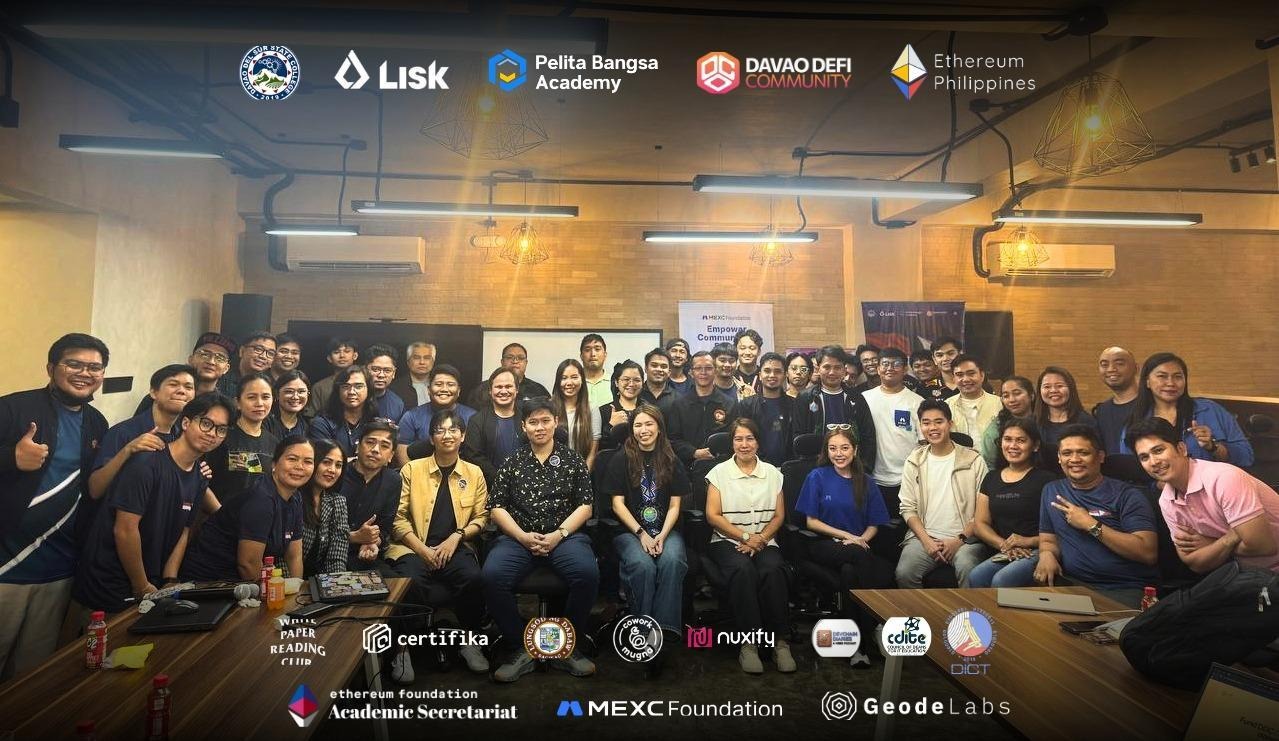
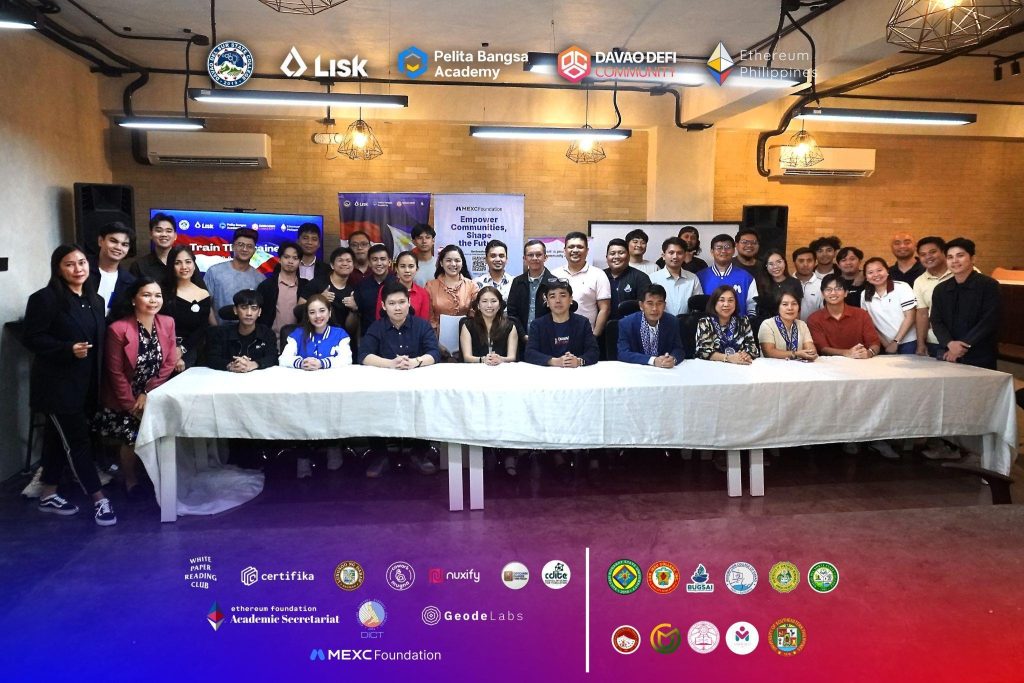
Faculty members and academic leaders from several institutions recently completed the Blockchain Curriculum: Train-the-Trainers Program, a collaborative initiative led by Davao del Sur State College, Davao DeFi Community, ETHPH, Pelita Bangsa Academy, and Lisk.
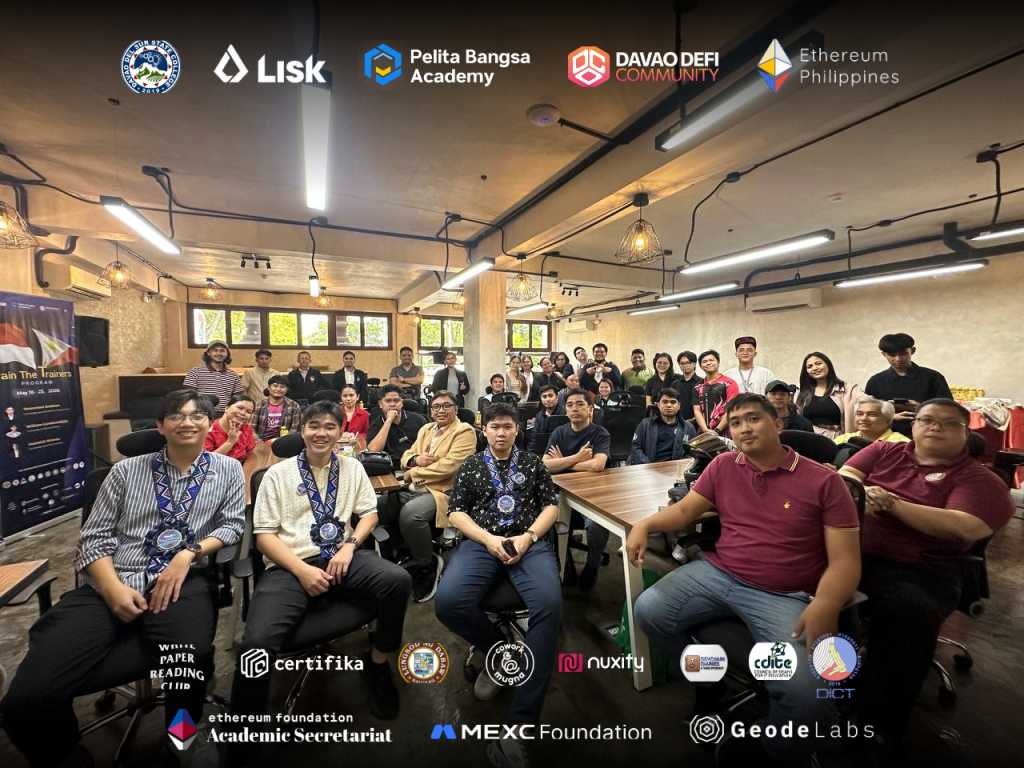
The program gathered educators from different schools and disciplines to explore blockchain technology and its applications in education, business, and public systems. More than a technical training, the sessions centered on a fundamental question: how do we create systems that people can trust, even without a single central authority controlling everything?
Making a complex idea easier to understand
To make blockchain more accessible, organizers used a simple illustration that participants could easily relate to.
Imagine a shared notebook that many people in a community can see at the same time. Every time something important is written, all copies are updated simultaneously. Once recorded, the information becomes extremely difficult to alter without everyone noticing.
“That is the idea we wanted to bring closer to everyday understanding for educators,” explained program lead Ruben P. Lacumba Jr. “Instead of relying on just one record keeper, the system allows many computers to agree on what is true.”
For many participants, this approach made blockchain more relatable and meaningful in the context of real-world systems.
Why this matters for schools and communities
Organizers emphasized that blockchain extends beyond technology—it connects directly to systems people already rely on daily, such as academic records, certifications, and institutional agreements.
Key applications discussed included:
- Secure and verifiable academic records and diplomas that are extremely difficult to falsify
- More transparent institutional agreements that strengthen trust across organizations
- Improved control of digital identity and personal data
These innovations are especially relevant in education, where trust in credentials directly impacts student and graduate opportunities.
Building stronger collaboration among institutions
The program was made possible through strong collaboration among academic and ecosystem partners, including DSSC, Davao DeFi Community (DDC), ETHPH Mindanao, Pelita Bangsa Academy, and Lisk, with support from international partners advancing blockchain education and development.
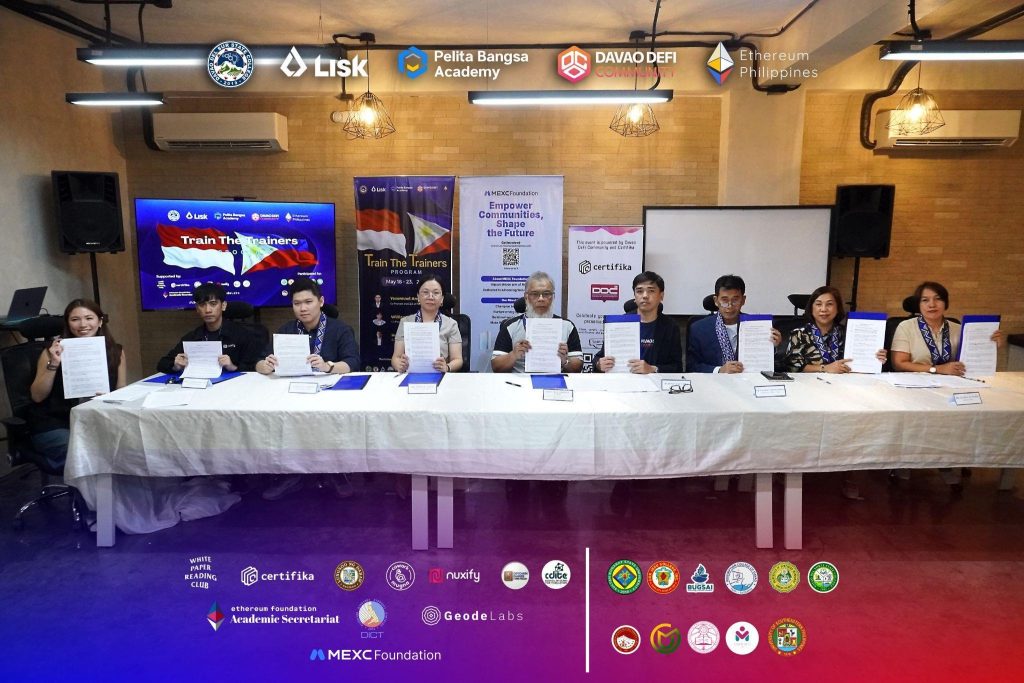
A major milestone of the program was the formal signing of the Blockchain Curriculum Consortium Memorandum of Agreement, establishing a long-term collaboration framework among participating institutions and leaders:
- Davao DeFi Community – Mr. Ruben P. Lacumba Jr.
- ETHPH Mindanao – Mr. Karl Baluyot
- Lisk – Mr. Alexis Lowe
- Pelita Bangsa Academy – Mr. Yevonnael Andrew
- Mindanao State University – Jolo – Prof. Nagder J. Abdurahman, Ed.D., Chancellor
- Mindanao State University – Tawi-Tawi – Prof. Mary Joyce Z. Guinto-Sali, PhD
- Davao del Sur State College (DSSC) – Dr. Augie E. Fuentes, Ph.D., President
- University of the Immaculate Conception – Dr. Mona L. Laya, PhD, Director, RPIC
Messages of support from academic and diplomatic leaders
A significant highlight of the program was the series of messages of support from key academic and diplomatic leaders, reinforcing the growing regional commitment to digital transformation and blockchain education.
The Indonesian Consulate General in Davao City, represented by Consul Umi Yanti Febriana Silalahi, emphasized the importance of regional cooperation in strengthening academic linkages and fostering innovation-driven education across borders.
This was further reinforced by Dr. Kram Nav Bigball, Dean of the Institute of Computing at Davao del Norte State College (DNSC), who highlighted the critical role of academic institutions in advancing emerging technologies and preparing learners for future-ready digital competencies.
Following the MOA signing, Dr. Augie E. Fuentes, Ph.D., President of DSSC, delivered a profound message underscoring that blockchain should be integrated into micro-credentialing systems to better align education with industry needs. He emphasized that such adoption would expand learner opportunities, strengthen employability, and bridge academic training with real-world application, ensuring institutions remain adaptive and globally competitive in a rapidly evolving digital economy.
Looking ahead
For educators, this training marks only the beginning of a longer journey toward integrating emerging technologies into academic systems.
For Mindanao, the vision extends further—preparing students not only to use technology but to understand and build the systems shaping the digital future.
“We want our students to become builders and not just users of technology,” said Lacumba. “That starts with giving educators the right knowledge and support.”
A step toward a more connected future
As education continues to evolve alongside technology, initiatives like the Blockchain Curriculum: Train-the-Trainers Program reflect a growing commitment to connecting classrooms with real-world innovation.
Through collaboration, shared learning, and sustained partnerships, the institutions involved are helping shape a more connected, transparent, and future-ready education ecosystem in Mindanao and beyond.