

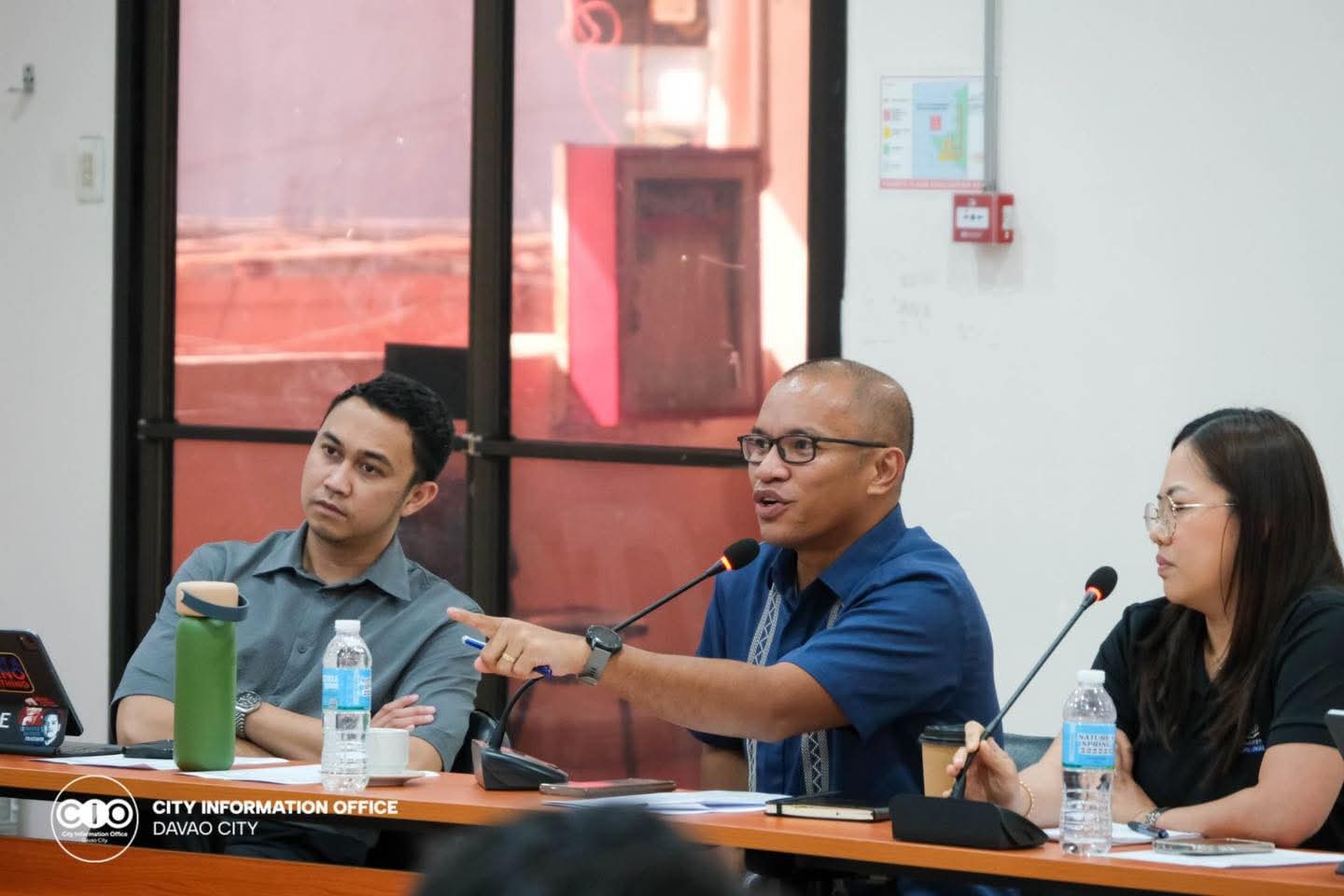
THE NEWLY formed Inter-Agency Task Force on Emergency Socioeconomic Crisis Response (IATF Crisis) has adopted three resolutions aimed at drastic resource conservation within the local government.
The measures were approved during the task force’s first regular meeting on Monday, April 6, and made public on Tuesday evening on the city government’s Facebook page.
Harvey Lanticse, City Information Office acting head, said the resolutions are directed to the city government’s resource management.
Under IATF Crisis Resolution No. 1, all city government offices have been urged to reduce their fuel consumption by 15%.
The task force has granted exemptions to priority offices, including those in the emergency and health sectors, to ensure that vital public safety and medical services are not compromised.
“While we cushion the impact of the increase in oil price, we want to ensure the basic and urgent services to the residents continue,” Lanticse said.
He added that the task force will craft guidelines to reduce fuel consumption as per the recommendation of the City Planning Office, which will be cascaded in the offices.
He stressed that carpooling and priority use of vehicles, among others, will be included in the guidelines.
Asked about the DC Bus operations, the official said it will continue as the people need it most during this time.
On the other hand, Resolution No. 2 is a temporary moratorium on motorcades to further tighten restrictions. The task force directed the Business Bureau to deny all requests for motorcades within the city.
This ban will remain in place for the entire duration of the ongoing fuel crisis to prevent unnecessary fuel use on city streets.
In addition to fuel restrictions, the city is also targeting broader utility savings as stated in Resolution No. 3, which adopts energy efficiency and conservation (EEC) measures.
Lanticse said this is based on a series of recommendations from the City Planning and Development Office (CPDO), which will be applied across all city government offices.
“These are basic measures, one is to lessen the use of electricity, such as turning off lights, limiting the temperature of the air conditioner, things like that,” he said.
A monitoring team from the city planning is formed to ensure compliance.
He stressed that energy conservation has to start within the government without sacrificing essential services, especially in the health and emergency sectors.
The IATF Crisis will regularly conduct a meeting twice a month, every first and third Monday of the month, on top of the meetings of the sub-committees.
The city government formed an IATF-Crisis to address the economic strain in the city caused by international geopolitical tensions.