

BY ALEX ALAGON

BY ALEX ALAGON

I’LL NEVER forget one early morning breakfast in a farmer’s hut where I had spent the night sometime in the mid-90s. Back then, I was still working for a non-government organization and just about to start a day-long trek in the mountains to interview a few tribal leaders for our research.
But going back to the topic of breakfast, we weren’t having your usual city fare of bread or toast, eggs, and what-have-yous. Instead, it was just boiled “saba” (plantain), ginamos, a little leftover rice, and a heaping mug of native coffee.
The sun wasn’t quite up yet, but mixes of orange to flamingo already threatened to invade the dark where a few stubborn stars still lingered.
We sat there, facing each other and breaking fast with only the tiny light of a small kerosene can in the middle of our otherwise dark and bare table.
In my mind, I imagined we looked like track athletes before a race, with everyone deep in thought and in our own personal worlds. All quiet we were, reserved and content to just cup the warm mugs with both hands to stave off the cold.
In all, the ambience of our tiny kitchen felt more like that of a chapel’s, where even a hush meant breaking an unwritten law.
Yet I reckon it really doesn’t matter whether one is up in the boondocks or right smack in the middle of suburbia. The peace and quiet while having that first cup must rightfully belong as one of the things you would miss at breakfast.
I am likewise reminded of a young boy of about three sitting at breakfast wearing a face like Dr. Freeze and just staring into nothing. Her aunt (my gf then) had asked softly, “Adrian, what are you doing?” and he hoarsely mumbled, “I am thinking.”
All grown up now, I am wondering if he still sticks to his thinking ritual whenever he sits at the breakfast table before his coffee.
I know not everyone drinks the brew come mornings or drinks it at all, but I have to ask, whatever similar morning rite do you indulge in once you’re at the table? Surely, there must be some sacred ritual that involves a certain lull and silence. A quiet before the storm, so to speak. I imagine it would be different with others.
During our much earlier times, we weren’t afforded quiet moments. I remember my mother reciting to us high-schoolers the chores before we left for school or reminding us of assignments we dare not forget once we got home.
Even as others like us find a certain solace in a few quiet minutes while we have our first coffee, I am just starting to accept that other people prefer to fill theirs with whatever declarations of inspiration, insight, and discoveries they might have had during the night before.
In the case of many, it’s time for discussing news and many other trivialities that may have transpired in the past and the present. For politicians, perhaps the future. In the end, it’s to each his own, and that’s that.
I’m just about to have my second cup. And at that, the promise of a second quiet.

Cebu’s growth story continues as Ayala Land introduces its “Next Wave” of districts across the metro—Seagrove (13.5 hectares), Gatewalk (17.5 hectares), and South Coast City (26 hectares)—bringing new leisure, lifestyle, and entertainment destinations to the forefront.
Cebu City — Ayala Land, Inc. is accelerating development across three major Cebu estates as the property giant positions itself for the province’s next wave of tourism, commercial, and urban growth.

Building on the success of Cebu Business Park and Cebu I.T. Park, Ayala Land is ramping up activity in Seagrove, Gatewalk Central, and South Coast City — master-planned developments that expand the company’s presence across key growth corridors in Metro Cebu.
The push comes as Cebu continues to attract investments in tourism, business process outsourcing, retail, and infrastructure, reinforcing its role as one of the Philippines’ fastest-growing regional economies.
“We are expanding our footprint strategically across Cebu City, Mandaue, and Lapu-Lapu. This is our Next Wave of growth centers—grounded in the proven blueprint of Cebu Business Park and Cebu I.T. Park, and enhanced through years of experience in developing successful mixed-use communities all over the country,” said Jay Teodoro, Head of VisMin Estates for Ayala Land Estates, during the company’s recent Sales Summit with its network of sellers and brokers. Each estate, he said, is designed to serve a specific growth driver within Cebu while offering opportunities for commercial investors through a limited release of property lots.
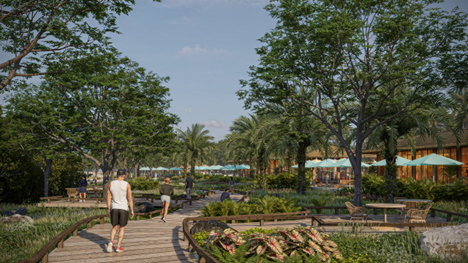

South Coast City: The Entertainment Capital of the Region
Completing the lineup is South Coast City, a joint development of Ayala Land and SM Prime in Cebu City’s SRP, an emerging growth corridor that has attracted major investments in recent years.
The large-scale district is envisioned as a new central business area anchored by entertainment and commercial facilities. Among its key components are the SM Arena, SMX Convention Center, and a central park, all expected to open within the year. The development will also include hotels, offices, retail spaces, and other attractions aimed at boosting economic activity in the area.

Growth outlook for Cebu
While the three estates differ in focus—from eco-tourism to lifestyle retail and large-scale urban development—they are part of a broader strategy to support Cebu’s long-term growth.
“Each estate has a clear identity. Each powers a different economic engine, and each gives investors real choice—whether it’s Seagrove as our eco-leisure estate, Gatewalk as our lifestyle estate, or South Coast City as our entertainment estate,” Teodoro said.
With new infrastructure, tourism activity, and private investments driving momentum, Cebu’s growth story is expected to continue, with new urban centers emerging across Metro Cebu.
MANILA, Philippines – East West Banking Corporation (EastWest) reported a net income of P1.9 billion for the first three months of 2026, driven by the sustained performance of the Bank’s core businesses amid a challenging macroeconomic and geopolitical environment.
Revenues increased by 15% to P13.3 billion, supported by the continued expansion of the Bank’s core businesses. Net interest income rose by 20% to P11.1 billion, reflecting higher loan volumes and effective funding cost management. Non-interest income stood at P2.2 billion, tempered by softer trading performance amid volatile markets, even as fee income grew by 8% to P1.9 billion, underscoring sustained customer activity.
“The Bank’s revenue generation capacity remains strong despite market volatility impacting trading-related revenues across the industry. This highlights the stability of our earnings base even in an uncertain operating environment,” said EastWest Chief Executive Officer Jerry G. Ngo.
Excluding the impact of market volatility on trading-related income, core income grew by 19% to P13.6 billion, underscoring the strength of the Bank’s recurring earnings base.
Operating expenses increased marginally by 1% to P6.4 billion, driven mainly by volume-related costs, while the Bank maintained disciplined investments in people and technology. Pre-Provision Operating Profit (PPOP) remained resilient, rising by 32% to P6.9 billion and registering an efficient cost-to-income ratio (CIR) of 47.9%.
Provisions for credit losses amounted to P4.7 billion, reflecting the Bank’s conservative and forward-looking approach to credit risk management, should macroeconomic challenges persist. NPL coverage stood at 85%, reflecting the Bank’s measured approach to managing credit risk.
EastWest’s assets increased by 11% to P588.9 billion, mainly from healthy lending expansion, with loans growing by 14% to P390.4 billion. This was supported by similar growth in funding, with deposits increasing by 14% to P455.3 billion. CASA ratio remained robust at 78%, highlighting the Bank’s stable funding base.
The Bank also maintained solid capital buffers, with a Capital Adequacy Ratio (CAR) of 12.8% and CET1 ratio of 12.0%, both well above regulatory standards, providing sufficient capacity to navigate uncertainty and support growth.
“We strive to remain steady through changing market conditions. By remaining disciplined, we preserve our flexibility and resilience, allowing us to support customers and capture growth opportunities as conditions become more favorable,” Ngo concluded.
Beyond its financial performance, EastWest also continued to gain recognition for customer experience, digital innovation, and wealth management. ESTA earned three honors at the Digital CX Awards 2026: Best Use of AI for Customer Experience – Philippines, Best Use of Gen AI for Customer Experience – Philippines, and Outstanding Chatbot Customer Experience, highlighting the Bank’s continued use of AI and digital tools to make banking more responsive, accessible, and customer-focused.
EastWest was also named the Philippines’ Best for Discretionary Portfolio Management at the 2026 Euromoney Private Banking Awards, securing a second consecutive win in the category and affirming the Bank’s disciplined investment approach for affluent, high-net-worth, institutional, and Priority clients.
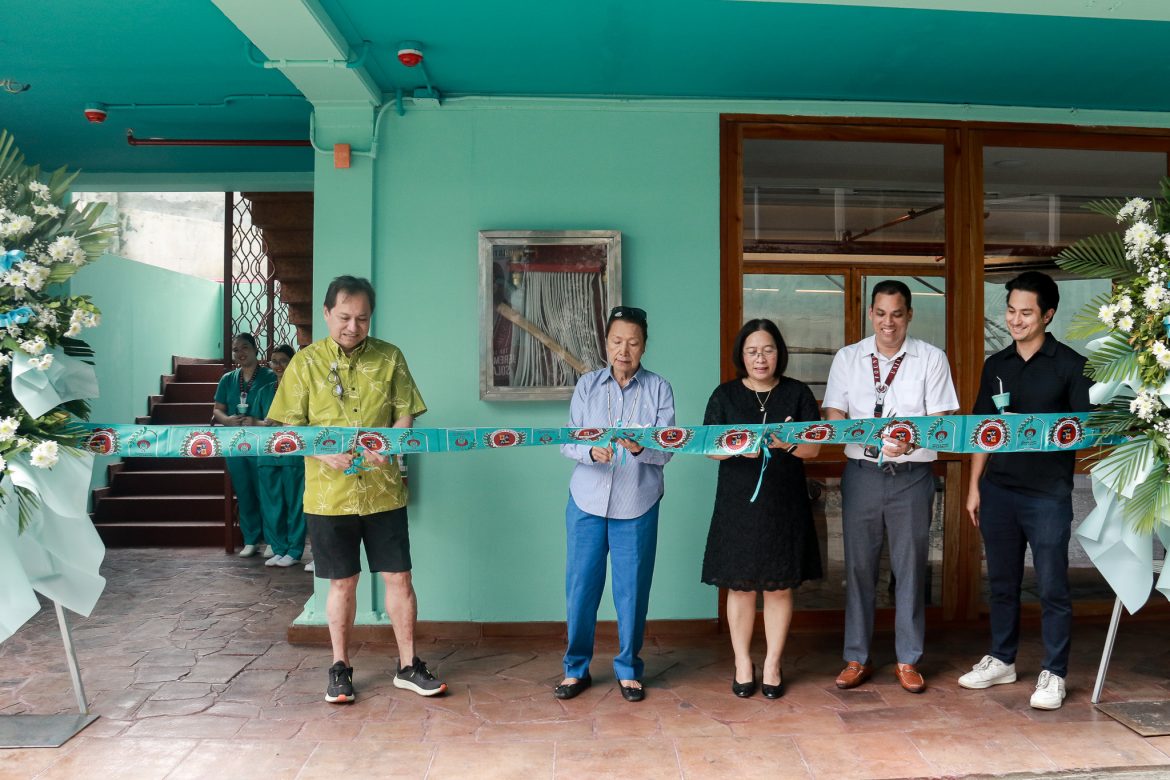
DUMAGUETE CITY, Philippines – Foundation University recently inaugurated Smeets Hall 2, the new seven-story building of the College of Nursing, built to provide expanded learning spaces designed to support the academic and clinical training of nursing students, in a blessing and inauguration ceremony held recently.
The building features modern classrooms, simulation laboratories, faculty offices, and collaborative learning areas that will enhance the overall learning environment for future nurses.
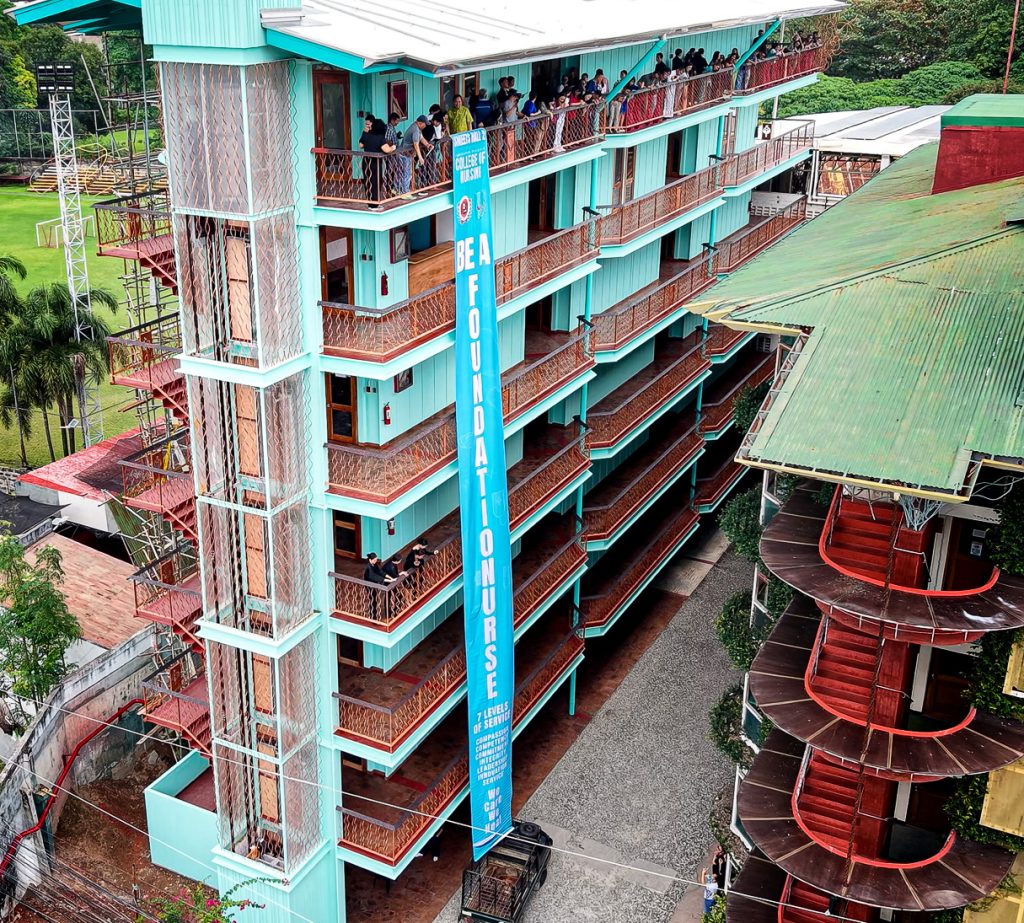
The new facility represents a significant milestone in the University’s continuing commitment to strengthening nursing education and to preparing future healthcare professionals who will serve communities with competence, compassion, and integrity.
The inauguration highlights the University’s continuing efforts to invest in facilities that respond to the growing demand for highly trained healthcare professionals both locally and globally.
With the opening of Smeets Hall 2, the College of Nursing is poised to further advance its mission of forming nurses dedicated to service, leadership, and excellence in healthcare.
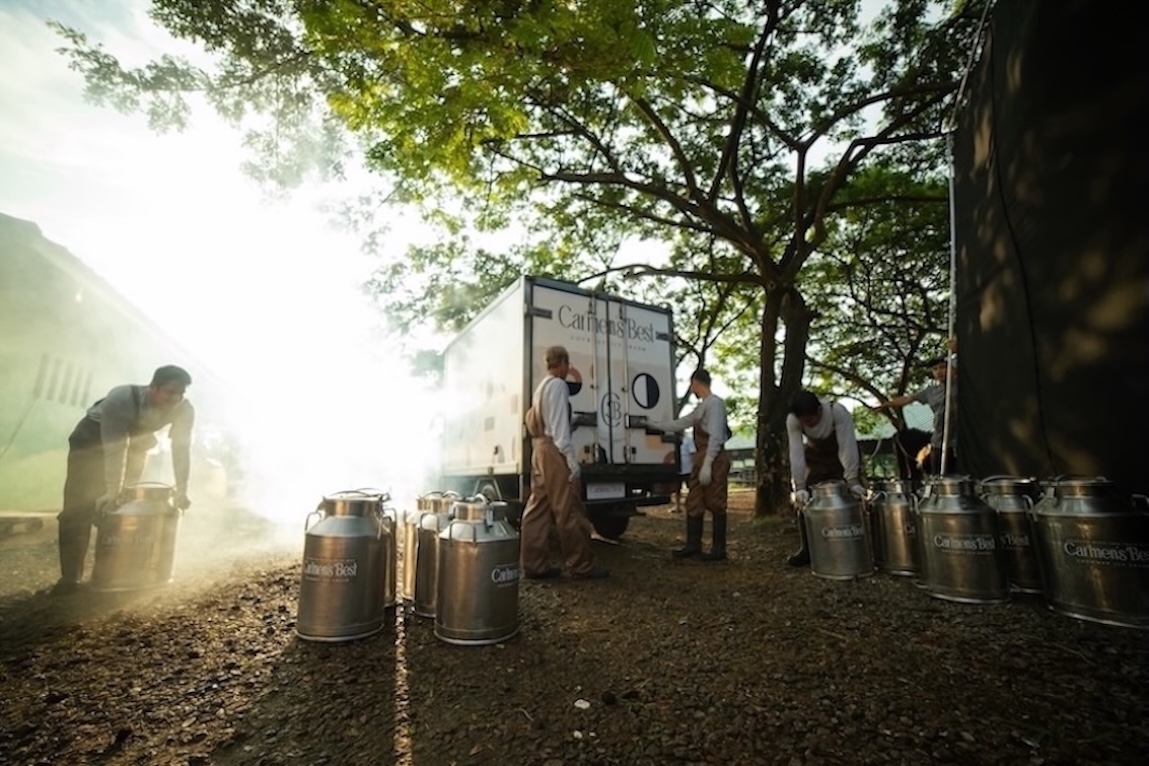
CARMEN’S Best is entering a defining new chapter in its journey to being the top dairy masterbrand of the Philippines – one rooted in its pursuit of bringing truly fresh, high-quality dairy closer to Filipino communities all over the country. What began as a small dairy operation in 2011 is now a proudly local brand built on a simple but uncompromising belief: there are #NoShortcuts to real freshness.
Today, Carmen’s Best continues to expand this promise beyond its early beginnings, strengthening its capacity to deliver 100% fresh milk and premium dairy products to more Filipino homes, especially in Visayas and Mindanao, where access to fresh dairy remains limited.
At the heart of this new chapter is a clear intent to shorten the distance between farm-fresh milk and its consumers. Through the acquisition of Universal Harvesters Dairy Farm Inc. (UHDFI) in Maramag, Bukidnon, Carmen’s Best is establishing a stronger, more intentional presence in the region – bringing production closer to the communities it serves in both Visayas and Mindanao. The facility allows the brand to reach more Filipino families in Visayas and Mindanao.
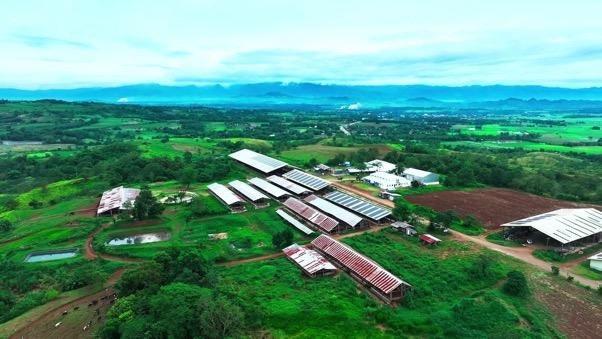
Through this move, Carmen’s Best ensures that fresh milk is no longer something that travels far to reach consumers, but something that is produced nearer to where it is needed, and enjoyed at its freshest state. A total of 180 milking cows are housed within the UHDFI facility.
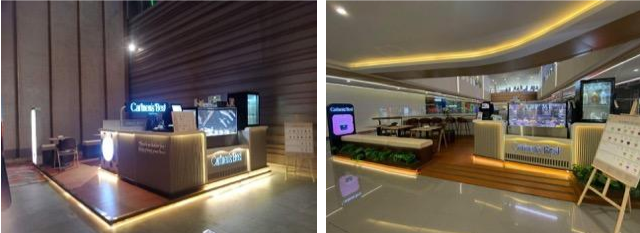
As part of its continued commitment to accessibility, Carmen’s Best is also expanding its retail footprint in the region. The brand has recently opened two new scooping stations in SM JMall and NUSTAR in Cebu City, with additional locations planned in SM Lanang in Davao in May, as well in Manila at Ayala Malls Manila Bay, Robinson’s Magnolia, Megamall, and Glorietta. These spaces serve as everyday touchpoints for consumers to experience Carmen’s Best ice cream and discover new dairy innovations made with 100% fresh milk – such as the Carmen’s Best Milk Bar that offers joyful indulgence in its purest, most convenient form.

Made with the same dedication to quality and premium ingredients that made the brand a household name, Carmen’s Best Milk Bar delivers balanced richness, nutrition, and the unmistakable high-quality 100% fresh milk. Earlier this year, the brand also sampled the Milk Bar during the Sinulog Festival in Cebu at Fuente Circle, giving consumers a glimpse of this exciting new treat.
Carmen’s Best also continues to evolve its product offerings to meet the evolving tastes of consumers while staying rooted in its core promise of 100% fresh milk. New ice cream flavors such as Ube Halaya (made with real ube) and Tiramisu, with layers of the most premium ingredients and 100% fresh milk. Available in pints and scoops, these limited-edition flavors are created in collaboration with HOPE, with every purchase helping build classrooms in rural communities.
The Carmen’s Best product line has also grown to include Salted Caramel Milk in its 100% fresh milk portfolio, joining Whole Milk, Low-Fat Milk, Chocolate Milk, and Barista Fresh Milk (designed for blending with coffee).

But behind these innovations is a deeper investment in the future of Philippine dairy. As Carmen’s Best expands to the regions, it continues to invest in increasing local milk supply. The first phase of the new Metro Pacific Dairy Farms in the municipality of Bay, Laguna. This joint venture of Metro Pacific Agro Ventures and LR Group opened in 2025 and currently houses 222 purebred Holstein Freisians, with 195 of which are milking.
This ongoing development reflects a long-term commitment: to help strengthen the Philippine dairy ecosystem while ensuring that more of what Filipinos consume is genuinely fresh, locally produced, and responsibly made.
Meanwhile, through an exclusive partnership with 7-Eleven, Carmen’s Best is also extending retail availability for its milk products beyond supermarkets and groceries into convenience stores. Carmen’s Best milk in 300ml bottles will now be available to purchase in select branches of 7-Eleven, making 100% fresh milk easier to grab on the go.
As Carmen’s Best continues to grow, its direction remains grounded in a single purpose: to make fresh dairy more accessible to Filipino families, no matter where they are in the country. From Laguna to Bukidnon, from supermarkets to neighborhood convenience stores, every expansion reflects the same belief that started it all – that fresh milk should not be complicated nor difficult to access. Instead, it should be close, real, and made with care.
With continued investments in production, product development, and distribution, Carmen’s Best remains committed to delivering high-quality, proudly local dairy products made with 100% fresh milk to more homes each day. For more information, visit www.carmensbest.com or follow Carmen’s Best on Instagram, Facebook, and TikTok.

THE 21ST City Council has officially passed the Davao City EV Ordinance on Tuesday, May 12, establishing a comprehensive legal framework to boost the local electric vehicle sector.
For one, the ordinance grants incentives to electric vehicle manufacturers, dealers, users, public conveyance operators, spare parts suppliers, charging stations, and environmentally sound battery disposal and recycling facilities.
The measure is another landmark ordinance for Davao City and the first in the country, aligning with the national Republic Act No. 11697 or Electric Vehicle Industry Development Law and the Davao City Local Incentive Code.
Proponent Councilor Temujin Ocampo said the ordinance outlines specific criteria for businesses to qualify for incentives.
“Eligible business enterprises are entitled to tax holidays for a maximum of six years,” Ocampo told reporters.
The ordinance also aims to simplify the documentation and permitting process through “Ease of doing business” for EV-related businesses.
While certain non-regulatory fees, such as the mayor’s permit, are waived to support these businesses, they still must pay for regulatory fees like building permits and garbage fees.
Users of electric vehicles, on the other hand, can enjoy free parking in designated and city-managed parking areas, citing San Pedro and C.M. Recto streets, for the first three hours.
“The three-hour limit is to ensure the city continues to generate necessary revenue and prevents the abuse of parking spaces,” Ocampo said.
Ocampo added that while the law cannot mandate private entities, the city is encouraging malls and other private businesses to offer similar free parking incentives for EV users.
The councilor confirmed that power utility providers have assured a sufficient energy supply to support the anticipated increase in EV infrastructure with the passage of the ordinance.
The committee had discussed energy requirements with Davao Light and Power Company, which has assured an ample power supply.
In terms of market interest, several major companies, including BYD and VinFast, have already shown interest in investing in charging stations.
For instance, the Vietnamese manufacturer is considering setting up 100 charging stations in the city.
The councilor said the specific investment that businesses may benefit from will have to go through the Investment Board.
In the ordinance, domestic-oriented manufacturing should have a minimum investment/capital of P100 million, at least 20 employees, and be registered with the Board of Investments (BOI) or PEZA.
For an export-oriented manufacturing business to qualify, it must have a minimum paid-up capital of P200 million, a minimum of 25 employees, and a registered BOI or PEZA, with 60% of its products for export.
Distributors or dealers, on the other hand, should have an investment of not less than P10 million with not less than five (70% of the employees must be residents of Davao City).
Finally, charging station operators must have an investment of at least P2 million or a minimum of two charging stations, whichever is higher; the same goes for EV battery recycling and electronic waste repurposing enterprises.

THE VICES Regulation Unit (VRU) is eyeing to shift from mere fines to stricter legal actions, including the filing of court cases and the revocation of business permits, especially for bars that repeatedly violate the city’s Liquor Code.
VRU Head Jacy Jay Francia told reporters before Monday’s flag ceremony that the unit has intensified its monitoring, particularly on Friday and Saturday nights.
During a recent operation, authorities apprehended 67 individuals at a bar on Mapa Street for drinking past the curfew hours.
Francia emphasized that establishments will no longer be allowed to simply pay penalties for repeated offenses, as under proposed amendments, the city will proceed directly to filing court charges against non-compliance.
“I would like to remind bar owners that in our proposed amendments to our ordinance, we are proposing that establishments can no longer just pay the penalty. We will proceed with the filing of a case in the court,” Francia said.
“Kasi paulit-ulit lang, kaya nilang magbayad ng penalty tapos ulit na naman,” he stressed, noting the repetitive acts of some of the establishments.
For individual violators caught drinking beyond allowable hours, they can only pay the penalty once, and after that, they can’t avail themselves of that anymore.
“We proposed a ‘no contest’ provision. In the no-contest provision, you pay a lower amount, but this can only be availed once,” he said.
Francia clarified that the bars are being sanctioned, with some even having penalties that are high and cumulative.
He noted that at least eight businesses were suspended for 15 to 30 days and blocked during renewal.
“We’ve even issued tickets to bars that are suspended for 10 days; that’s a big loss for them,” he said.
At present, Francia said the office had already gone around and given final warnings to some, and if found to be caught violating again, he will recommend to the Business Bureau for revocation.
“So far, I have issued one final warning, but I am still checking our system for others with multiple violations to see if they’ve reached three. Because they just pay,” he said.
With the existing ordinance, for establishments caught first-time, the fine is ₱3,000, and ₱ 5,000 for second offense and succeeding ones. The fine for individuals is P3,000.
Francia added that part of their proposed amendments under the Sobriety Ordinance, fines for individuals caught drinking in the alleyways and the streets will be raised to P3,000 from the current P1,000.
As of the first quarter of this year, there were 2,008 violators of the Anti-Smoking Ordinance and 729 violators of the Liquor Ban, where 167 were caught drinking on the streets.
Francia lauded the proposal of the Committee on Trade and Commerce to have an ordinance to go after the sale of illicit cigarettes, as it lures the children because these products are cheap.
The official said the proposal has undergone three committee hearings with the committee on peace and public safety of the 21st city council.

THE LEGAL counsel for former President Rodrigo Roa Duterte and Senator Ronald “Bato” Dela Rosa filed an “extremely urgent” supplemental manifestation before the Supreme Court, seeking immediate judicial intervention after an attempted arrest inside the Senate premises on May 11, 2026.
The pleading, docketed as GR No. 278747, was filed by the Davao-based Torreon and Partners following what they described as an “alarming intrusion” by agents of the Executive Branch into a coequal constitutional body.
According to the statement issued by the law firm, National Bureau of Investigation (NBI) agents physically attempted to prevent Dela Rosa from entering the Session Hall while the Senate was in session, allegedly causing him injury in the process.
The defense argued that this action potentially violates Article 145 of the Revised Penal Code, which penalizes the use of force to prevent a member of Congress from attending meetings or casting a vote.
“The danger we have repeatedly brought before the Supreme Court is no longer speculative. It has become real, actual, and immediate,” the statement read.
The incident was further complicated by the appearance of a private citizen and former Senator Antonio Trillanes IV, who reportedly carried what he claimed was a copy of an ICC warrant.
The defense denounced Trillanes’ involvement, noting that as a private citizen, he lacks the legal authority to invoke foreign tribunal processes to deprive a Filipino citizen of liberty.
Central to the petition is the argument that an ICC warrant has no “automatic or self-executing force” within the Philippines. Under the 1987 Constitution, no Filipino may be arrested or surrendered to a foreign tribunal without a valid warrant issued by a Philippine judge upon an independent determination of probable cause.
The Law Firm of Torreon and Partners, headquartered in Bajada, Davao City, is now urging the Supreme Court En Banc to draw a clear constitutional line to prevent “irreversible constitutional injury”.
They emphasize that the intervention is sought not for one man alone, but to protect the rule of law and the independence of the Senate.
PNP awaits ‘official directive’
Meanwhile, the Philippine National Police clarified that no formal orders have been served to their office regarding the arrest warrant issued against Senator Ronald “Bato” dela Rosa in connection with the deadly war on drugs.
In a statement released by PNP Chief PGen Jose Melencio Nartatez, Jr., he said they are maintaining a “wait-and-see” stance.
“At this time, the PNP has not received any official communication or lawful directive from the appropriate government authorities regarding the matter,” Nartatez stated.
The national police chief emphasized that any international law enforcement action must first pass through the gauntlet of local “due process” and “proper coordination” with Philippine agencies.
However, the PNP is “prepared to act” should a valid court order eventually be transmitted through official channels.
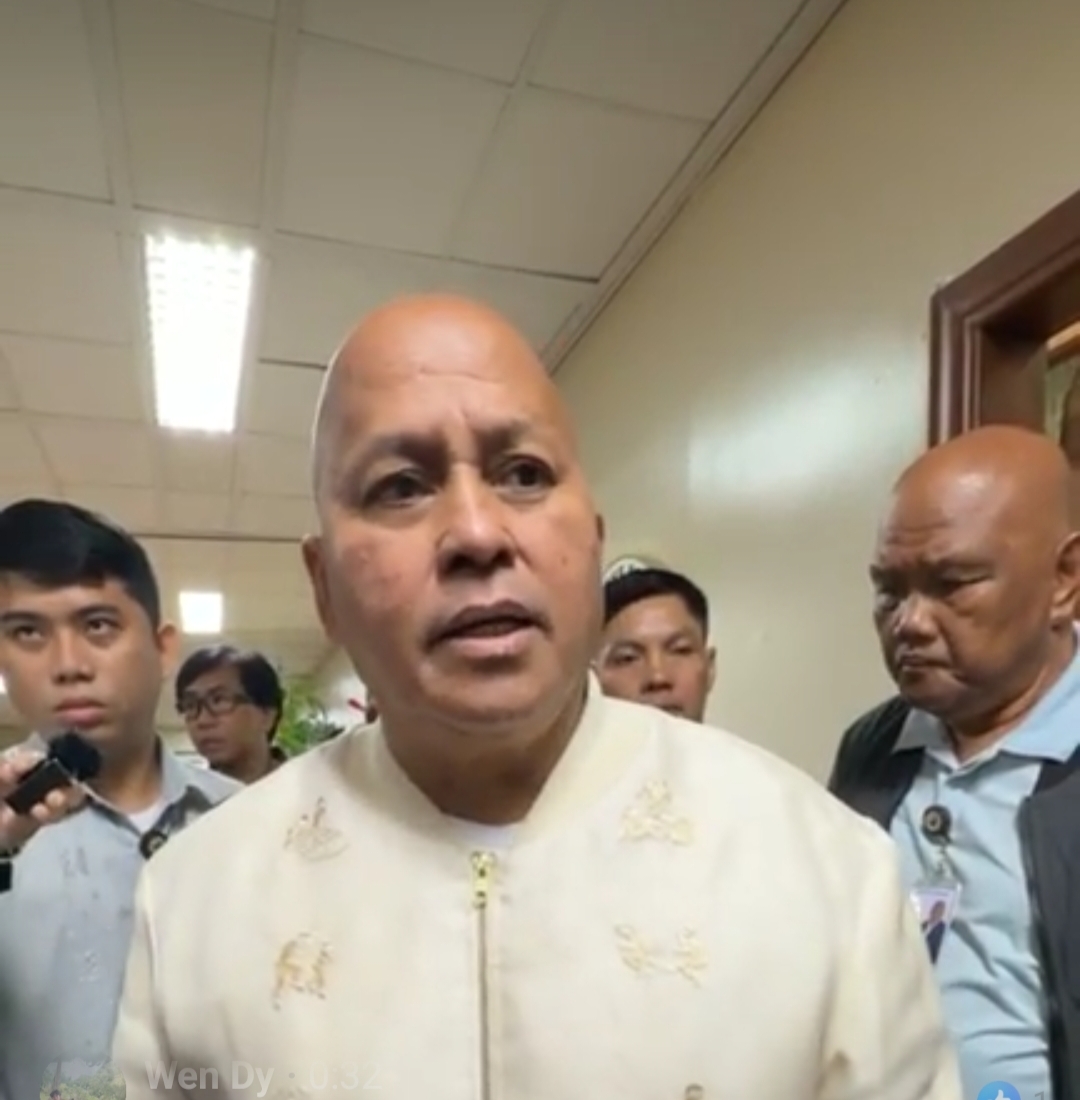
AN EMOTIONAL Senator Ronald “Bato” Dela Rosa returned to the Senate floor on Monday, May 11, admitting he is at the “lowest point” of his life following an attempted arrest by the International Criminal Court (ICC).
The Senator’s return follows a violent incident on Monday, where National Bureau of Investigation (NBI) personnel reportedly chased Dela Rosa and assaulted Senate security members in an attempt to serve the ICC warrant.
The warrant was not successfully served, leading to a condemnation of the “chase” by the upper chamber’s leadership.
“Don’t send me to The Hague,” Dela Rosa told reporters in an interview on Tuesday, May 12, 2026.
Admitting he felt fear, the Senator stressed that any trial against him should be conducted under the Philippine judicial system rather than a foreign tribunal. “I am only human,” he added.
The drama has reached Malacañang, with Palace Press Officer Usec. Claire Castro confirmed that President Ferdinand “Bongbong” Marcos Jr. is aware of the situation.
The President reportedly stated that the law must prevail in all instances.
Amid the controversy, Dela Rosa revealed he has not collected his government salary for several months. “I am ashamed before the people,” he told DZBB, explaining that he did not want to be compensated while unable to attend sessions during his recent absence.
Newly elected Senate President Alan Peter Cayetano stood firm on the chamber’s stance regarding sovereignty.
Cayetano clarified that the Senate will only recognize arrest warrants issued by Philippine judges.
“Under our Constitution, it has to be a Philippine judge issuing a warrant of arrest,” Cayetano said, condemning the NBI’s attempt to chase a senator and prevent them from attending a legislative session.