
BY ALEX ALAGON

BY ALEX ALAGON

CABUYAO, Laguna – P.A. Properties officially welcomed LKY Group of Companies as its newest commercial lessee at Sanjos Square in Cabuyao, Laguna, further strengthening the area’s evolving business and retail landscape.
Through this partnership, Puregold is set to become part of the Sanjos Square community, bringing residents greater access to essential goods and enhancing the range of lifestyle and service offerings available in the area. The addition supports the continued growth and development of Cabuyao as a thriving commercial hub, providing convenience and value to families and neighboring communities.
The lease agreement was formally signed on June 10, 2026, at the P.A. Properties Alabang Office. Representing LKY Group of Companies were Gina L. Ignacio, executive audit head, and Lea F. Prosperoso, treasury head. Signing on behalf of P.A. Properties were Lawrenz Joseph Z. Alvarez, director, and Florlita G. Tabuzo, senior vice president for Commercial Business Unit.
Tabuzo underscored the significance of the partnership in advancing the company’s vision for its commercial developments.
“At P.A. Properties, we aim to create commercial spaces that not only generate opportunities for businesses but also enrich the everyday lives of the communities we serve. Welcoming Puregold to Sanjos Square reflects our commitment to bringing essential services closer to residents while fostering economic activity that contributes to sustainable local growth,” said Tabuzo.
The collaboration marks another milestone in P.A. Properties’ commitment to expanding its commercial portfolio and fostering accessible business opportunities that create long-term value for investors, support local enterprises, and contribute to the development of vibrant and sustainable communities.
With the addition of Puregold at Sanjos Square, P.A. Properties further advances its mission of building integrated developments enriched by accessible services, strategic commercial opportunities, and meaningful partnerships that drive progress in emerging growth areas.

ISLAND GARDEN CITY OF SAMAL — There is a moment, somewhere between the five-minute boat crossing from Davao City and the first sight of Samal’s white-sand coastline, when the noise of the city falls away completely. The water turns a shade of turquoise that belongs on a postcard. And if you are paying attention, you begin to understand why investors, hotel brands, and tourism planners are increasingly pointing their compasses here.
The Island Garden City of Samal has long served as Davao’s weekend exhale. But something has shifted. With surging visitor numbers, a bold new identity, and the kind of infrastructure momentum that developers spend years waiting for, Samal is no longer a footnote in someone else’s travel story.
A destination that earns its ranking
In 2024, Samal recorded 921,748 verified tourist arrivals — the highest on official record, nudging the island toward one million visitors for the first time in the post-pandemic era. The Department of Tourism ranks it 9th among the Philippines’ top tourist destinations, designating it the country’s largest island resort and the face of Davao del Norte in tourism. This Holy Week alone, nearly 48,000 tourists came through — a figure that speaks to the island’s pull and its unmet potential.
But numbers rarely explain why people keep coming back. For that, you have to walk — and dive — the island.
Start at the Monfort Bat Cave in Babak, a Guinness World Record holder for the world’s largest colony of Geoffroy’s Rousette bats. At dusk, millions of them exit in a living black ribbon that unfurls across the sky — one of the most arresting wildlife spectacles in the archipelago. Puting Bato offers dramatic white rock formations along a rugged coastline, while Sabang Cliff draws the daring: those who want to look down at the sea from a height before plunging into it. Inland, the Hagimit Falls cascade through forest and rock, offering a cooler, quieter counterpoint to the island’s coastal drama.
Beneath the surface is where Samal truly sets itself apart. Coral gardens of exceptional biodiversity, giant clam sanctuaries protecting the taklobo, celebrated dive walls like Mansud Wall, wreck sites layered with marine life, and protected areas like Angel’s Cove and the Aundanao Fish Sanctuary form an underwater portfolio that few Philippine islands outside Palawan can rival in density and accessibility. Then there is the Vanishing Island — the Sanipaan Shoal sandbar that appears and disappears with the tides, a sliver of white sand surrounded by open turquoise water. It is the kind of place that makes people stop mid-sentence.
It is precisely this natural depth that anchors Samal Island’s new tourism brand, Dive into Beauty, a deliberate repositioning targeting high-value, experience-driven visitors who compare Samal not to nearby Davao, but to Tubbataha, Coron, and Apo Island.
The infrastructure turning point
Every great island destination has a moment when geography stops being a limitation and starts being an asset. For Samal, that moment is approaching on two fronts.
The Samal Island–Davao City Connector Bridge, targeted for completion in 2028, will make the island accessible from one of Mindanao’s most economically dynamic cities in under ten minutes by car — with zero air-travel dependency. Davao City draws 1.8 million annual visitors, hosts a growing BPO sector, and serves international routes across Asia. Post-bridge, Samal inherits that entire demand base as a year-round leisure extension of the city.
On the ground, Davao Light and Power Company’s Submarine Cable Project has already strengthened the island’s energy backbone — the quiet prerequisite for the hospitality and commercial growth that sustained tourism demands.
The investment picture: early stage, strong signals
Samal’s hospitality market tells a story of striking undersupply. The island’s existing upper-market inventory — a handful of properties with no international flag among them — serves an island that received nearly a million visitors last year. The gap between demand and supply is visible to anyone running the numbers.
The most consequential response to that gap broke ground when PHINMA Hospitality and Damosa Land, Inc. launched TRYP by Wyndham Samal, the Philippines’ first-ever TRYP condotel and the island’s first internationally flagged hotel. The project is the third collaboration between PHINMA Hospitality and Damosa Land, following Microtel by Wyndham hotels in Davao and General Santos.
Backed by Wyndham Hotels & Resorts and its 100 million-strong Rewards membership across 95 countries, the four-star, 100-room property — complete with a 250-seat ballroom and flexible meeting facilities — gives Samal a global distribution reach it has never had, while directly targeting the island’s emerging MICE market.
That hospitality confidence does not exist in isolation. Damosa Land’s Bridgeport Park, a 13-hectare master-planned waterfront community, has been quietly laying the groundwork for the island’s commercial and residential growth since its launch. With low-density condominium buildings, premium lots, a commercial area, and an exclusive marina, Bridgeport represents a different but equally telling signal: that Samal can sustain not just tourists, but residents, businesses, and long-term community life.
Together, the two developments point toward a destination crossing a threshold — from weekend escape to full-spectrum growth corridor. For a destination with this much natural endowment, this much infrastructure momentum, and this little branded supply, the window of early-mover advantage is still open. It will not stay open for long.
To learn more about Damosa Land and its developments, visit https://damosaland.com/.

MAKATI CITY — Few institutions remain relevant for 75 years.
Security Bank is marking the milestone with growing customer adoption, disciplined execution, and a clear focus on delivering strong outcomes for customers, shareholders, and communities.
Founded in 1951 as the first private and Filipino-controlled bank established after the Second World War, Security Bank has grown alongside the country’s development, serving generations of individuals, entrepreneurs, corporations, and institutions across the Philippines through changing economic cycles, technological shifts, and evolving customer expectations.
“What defines the Bank is consistent execution, especially in periods of uncertainty,” said Victor Lee Meng Teck, president and CEO of Security Bank. “For 75 years, we have focused on serving customers well while adapting to change. Customer expectations will continue to evolve, and our responsibility is to keep improving how we serve them while staying grounded in the discipline and long-term thinking that have shaped the Bank through generations.”
Over the decades, Security Bank has continually expanded its capabilities to serve a broader range of customer needs.
The Bank introduced the country’s first credit card franchise through Diners Club, became a universal bank, and listed on the Philippine Stock Exchange.
More recently, Security Bank strengthened its capabilities through technology, strategic partnerships, and the expansion of a broader financial services ecosystem. Today, that ecosystem includes its decade-long partnership with MUFG Bank, Security Bank Finance with Krungsri, Home Credit Philippines, Mitsubishi Motors Finance Philippines, and subsidiaries spanning capital markets, stock brokerage, finance, and operating leases, allowing the Bank to serve customers across more aspects of their financial lives.
The way people bank today looks very different from even a decade ago.
Customers may open accounts digitally, transact through mobile devices, seek investment advice from relationship managers, finance business growth, or visit branches for guidance and support. Increasingly, they expect these experiences to be connected, seamless, and responsive.
Security Bank serves customers through a nationwide network of more than 390 branches, relationship managers, and digital platforms. Today, the Bank serves customers at every stage of their financial journey—from saving and spending to investing, borrowing, and growing a business. As of the first quarter of 2026, the Security Bank App had grown to 1.62 million enrolled users and processed 72.5 million transactions.
Guided by its BetterBanking philosophy, the Bank continues to simplify banking, improve customer experiences, and make financial services easier to access and use.
The results are increasingly visible. In 2025, Security Bank reported total revenues of PHP66.9 billion and pre-provision operating profit of PHP27.6 billion. Momentum continued into 2026, with first-quarter revenues increasing 10% year-on-year to PHP17 billion and pre-provision operating profit rising 24% to PHP7.5 billion.
The Bank also improved its cost-to-income ratio to 56%, reflecting stronger operating efficiency and disciplined execution.
Customer confidence remained strong, with deposits increasing 12% year-on-year to PHP938 billion.
Security Bank’s progress has also been recognized externally. In 2025, the Bank was named the top bank in the Philippines by TIME and Statista for the second consecutive year. It also maintained an MSCI ESG Rating of “A,” the only Philippine Bank with that rating, placing alongside leading banks in Asia Pacific for ESG risk management.
In 2026, Security Bank was recognized as the #1 Overall Domestic Bank and #1 Trade Finance Products provider in the Euromoney Trade Finance Survey. Security Bank Wealth was named Philippines’ Best for High Net Worth by Euromoney for the sixth consecutive year, while the Bank’s customer experience initiatives earned eight awards at the Digital CX Awards 2026.
Beyond business performance, Security Bank continues to support long-term development priorities.
Its sustainable finance portfolio reached approximately PHP108 billion in green and social financing by end-2025, supporting projects that contribute to economic development and environmental sustainability. Through Security Bank Foundation, the Bank has invested in education for decades. As one of the country’s leading providers of public school classrooms among corporate foundations and one of the Department of Education’s most enduring partners in school infrastructure, the Foundation has helped expand access to quality learning environments for thousands of Filipino students nationwide.
The Bank’s history is often told through milestones, but it is equally a story of people.
Across generations, Security Bankers have helped customers navigate opportunities, challenges, and change. A culture of care—listening closely, taking ownership, and following through—continues to shape how the Bank serves its customers today.

MAKATI CITY, Philippines — As businesses face rising energy costs and evolving regulatory requirements, Security Bank hosted a forum to help clients better understand energy efficiency, solar investments, and related government incentives.
The forum, “Sustainability Talks 2026: Energy Savings and Tax Incentives for a Greener Tomorrow,” brought together regulators, industry experts, and clients from Security Bank’s Commercial Banking Group to discuss how businesses can enhance energy management, improve costs more effectively, and prepare for compliance requirements under the Energy Efficiency and Conservation Act (EECA).
Hosted by Security Bank for clients of its Commercial Banking Group, the event focused on how companies can strengthen operational resilience through energy monitoring systems, solar rooftop installations, and improved energy efficiency practices.
Department of Energy (DOE) director Patrick Aquino discussed key requirements under the EECA and how businesses can take a more structured approach to monitoring and managing energy consumption. The DOE has streamlined the process of net metering.
“The accelerated implementation of the National Energy Efficiency and Conservation Plan (NECP) is also driven by the enactment of the EEC Act, which institutionalized energy efficiency and conservation as the national way of life to promote the efficient use of energy and provide for incentives for qualified EEC projects,” said Director Aquino. “The EEC Act also strengthens compliance and participation among designated establishments and energy efficiency professionals.”
Meanwhile, Romalyn Manalo-Herbosa of the Board of Investments shared available incentives under the Strategic Investment Priority Plan (SIPP), including opportunities for companies investing in energy efficiency and renewable energy solutions. “As long as we see that the project is complying with the minimum 15% energy savings, they may avail of the incentives,” said Ms. Herbosa.
The forum also covered practical applications of solar rooftop systems and energy monitoring technologies. Tom Peebles, Chief Executive Officer of Solenergy Systems Inc., shared how businesses are using these solutions to improve operational efficiency and manage electricity costs over the long term. When asked about the consideration when placing batteries, Mr. Peebles responded, “The consideration is data—data, data, data. If you have the data of your utilization and demand profile, you will be able to limit the excess or at least predict the excess and make a very informed decision of the ROI.”
“Energy efficiency is becoming a more deliberate business priority—not just from a compliance standpoint, but also as a way to manage costs and improve operational performance,” said Nikki Lizares, Sustainability Head at Security Bank. “These conversations help clients better understand the options available to them, from solutions and incentives to the practical considerations that matter as they determine what makes the most sense for their business.”
The discussions also highlighted how financing can support businesses across different stages of their transition efforts, including renewable energy, energy-efficient equipment, green buildings, and clean transport initiatives.
“In sustainable finance, the focus is helping clients make practical investments that support long-term business efficiency and growth,” said Anne Eugenio, Sustainable Finance Head at Security Bank. “We want to be a partner to clients as they navigate changing business and regulatory requirements.”
Held at the Asian Institute of Management Conference Center in Makati City, the forum forms part of Security Bank’s broader efforts to support businesses in navigating evolving operational and sustainability priorities.

MANILA, Philippines — RuralNet, a leading Philippine Insurtech (insurance technology) company, has officially surpassed PHP 400 million in insurance payouts across 33,000 processed claims, proving the scalability and profitability of its digital microinsurance model.
The milestone comes as the company announces a strategic expansion into natural calamity protection by Q3 2026. This move aims to future-proof underserved communities as the Philippine Atmospheric, Geophysical and Astronomical Services Administration (PAGASA) issues an official advisory confirming the onset of El Niño conditions, an event projected to bring volatile climate risks well into early 2027.
Unlike traditional insurtech startups struggling with sustainability, RuralNet has built a profitable, API-driven platform that now protects over 6 million Filipinos. The company, established in 2018, has successfully penetrated 81 out of the country’s 82 provinces through partnerships with insurers, rural banks, cooperatives, and microfinance institutions, bridging a critical financial inclusion gap in rural and low-income areas where insurance penetration has historically hovered below two percent.
The milestone coincides with a shifting landscape in the Philippine financial sector. Recent data from the Insurance Commission reveals countrywide insurance penetration edged up to 1.78%, reflecting a growing awareness among Filipino households. Yet, a massive protection gap remains, with only 28% of Filipinos with life insurance, leaving millions in rural and low-income areas completely exposed. This is the untapped vital market that RuralNet’s digital model is optimized to capture.
“As a social impact company, RuralNet was founded to provide a safety net to low-income Filipino families who are the most vulnerable to financial shocks. This latest milestone proves that our affordable microinsurance plans can make a real difference for thousands of families when they need it most, while also being a scalable and profitable business model. By leveraging technology, we’ve been able to deliver higher-quality service to our customers, at a fraction of the cost. This year, we’re excited to scale our natural calamity protection plans to help alleviate the financial pressure from climate change on rural households, with the goal of rapidly providing immediate and necessary aid on the ground after disasters,” said Justin Arcenas, founder & CEO of RuralNet Inc.
A key driver of RuralNet’s profitability is its proprietary digital infrastructure, which has streamlined the claims process to turn around payouts 75% faster than the industry average, boasting a 97% claims approval rate. By enabling rural banks, cooperatives, and microfinance institutions to digitally distribute insurance via APIs, RuralNet has drastically lowered operational overhead.
Supporting this nationwide expansion is CashKO Insurance Brokerage, RuralNet’s wholly owned subsidiary. CashKO, recognized as the country’s fifth-largest microinsurance provider, has protected over 6 million Filipinos and generated PHP 400 million in total premiums, providing the financial bedrock for RuralNet’s tech-driven ecosystem. CashKO has been expanding its network with 22 distribution partners through over 5,000 branches nationwide.
With a proven track record of handling life and accident claims efficiently, RuralNet’s upcoming Q3 2026 calamity rollout will target the country’s most vulnerable agricultural and rural sectors, shielding low-income households from the economic shocks of typhoons, flooding, and severe drought.
For more information about RuralNet and its climate-resilience solutions, visit ruralnet.ph or micro.cashko-insurance.com.

For Emily Homes Homeowners Association President Jose D. Cadjatan, reliable water supply is vital for communities to grow and thrive in Davao City.
Improved access to potable water supply is a major contributor in building more livable communities in Davao City. More residents can now enjoy reliable and uninterrupted water service, advancing their quality of life, such as those living in Emily Homes in Cabantian.
This is made possible through the Davao City Bulk Water Supply Project (DCBWSP), a public-private partnership between Apo Agua Infrastructura Inc. (Apo Agua) and the Davao City Water District (DCWD).
The DCBWSP increases water supply access by providing 300 million liters of potable water daily to more than one million Davaoeños. This has enabled the water district to expand its distribution network, bringing potable water to more households and communities.
Improved water access builds better lives
Better access to potable water makes it easier for residents to meet their everyday needs. This is evident at Emily Homes, where Homeowners Association President Engineer Jose D. Cadjatan underscores the importance of reliable basic services to the residents of their subdivision.
Before gaining access to piped water, residents from the Cabantian relied mostly on water deliveries by truck and often had to purchase water in gallons for drinking, to meet their daily needs.
“The most important daily requirements for a person are water, electricity and access to road infrastructure.” Engr. Cadjatan said. “The absence of one would be really hard,” he added.
“But, there’s no problem anymore. We have these [reliable water, electricity, and access to road infrastructure] here at Emily Homes, so the people are satisfied with their daily needs,” Cadjatan said.
Through the Davao City Bulk Water Supply Project, treated water from the Tamugan River is delivered to DCWD for distribution. This reduces pressure on groundwater sources during peak demand, allowing it to naturally recharge. This ensures a stable and resilient water supply which benefits the customers of DCWD.
Cadjatan remarked that residents of Emily Homes are now satisfied with the improved water service. “Sa karon, ang feedback na gyud sa mga resident kay gwapo daw among source sa tubig. Tugnaw naman kaayo nya ang supply, enough na gyud siya. Wala na mi nakaproblema sa tubig– supisyente na sa among requirements (Now, residents are saying the water source is really good. The supply is cold, strong, and enough for our daily needs. We no longer have problems with water- it’s sufficient for our [daily] requirements).”
Supporting Davao City’s water needs during El Niño
The DOST-PAGASA recently reported that El Niño conditions are now present in the Philippines. With less rainfall and longer dry periods, some areas may experience water shortages and reduced water supply.
As part of DCWD’s conjunctive use strategy, Apo Agua provides treated surface water from the Tamugan river that complements existing groundwater sources — helping ensure supply reliability and redundancy.
This strategy also supports the sustainable management of the city’s water resources, providing DCWD with greater flexibility in managing the city’s water supply during periods of high demand and dry conditions.

PASIG CITY — The Department of Education (DepEd) recently held a hybrid orientation and consultation with representatives from various Central Office bureaus and all 18 regional offices, including the Ministry of Basic, Higher, and Technical Education of the Bangsamoro Autonomous Region in Muslim Mindanao, on the use of a new cervical cancer prevention and human papillomavirus (HPV) vaccination resource booklet designed for teachers and education support personnel. The activity was conducted at the Citadines Millennium Ortigas Manila in Pasig City.
The Bureau of Learner Support Services-School Health Division, in partnership with Jhpiego Philippines and with support from the HPV Vaccination Acceleration Program Partners Initiative (HAPPI) Consortium, led the development of the resource booklet, Guro Laban sa Cervical Cancer. This resource aims to equip educators with accurate and evidence-based information on cervical cancer prevention and HPV vaccination.
The resource booklet will be made available as a self-paced online learning supplementary material for teachers and education support personnel. It covers key information on both primary and secondary prevention of cervical cancer, including HPV vaccination, cervical cancer screening, and treatment options for precancerous lesions and early-stage cervical cancer.
The resource also provides information on available screening methods, including visual inspection with acetic acid, Pap smear testing, and HPV DNA testing, helping educators better understand the continuum of cervical cancer prevention and care.
“Teachers and education support personnel play a critical role in supporting parents and learners with accurate health information. Aside from health workers, they are among the most accessible and trusted sources of information for parents seeking guidance on HPV vaccination,” said Atty. Razzel Requesto, Director IV at the Bureau of Learner Support Services.
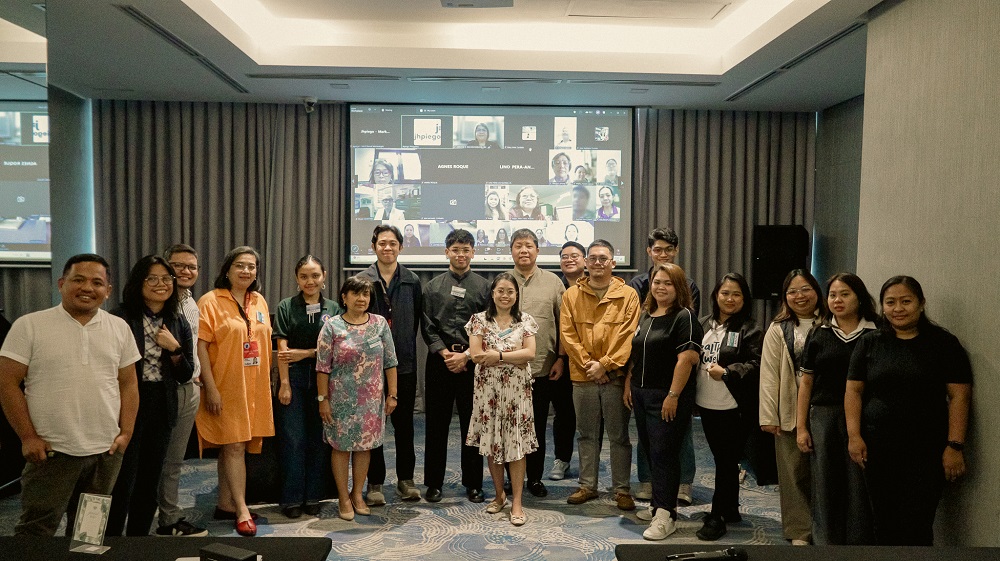
The resource was developed with technical recommendations from the Bureau of Curriculum Development (BCD), Bureau of Learning Delivery (BLD), Bureau of Learning Resources (BLR), Public Affairs Service (PAS), and the Employees Welfare Division (EWD) of the Bureau of Human Resource and Organizational Development (BHROD), with guidance from the Department of Health’s Health Promotion Bureau.
“This resource reflects the strength of collaboration between the education and health sectors. Together, we are helping ensure that teachers have the knowledge and tools to promote accurate information on HPV vaccination and protect the health of future generations,” said Requesto.
By equipping teachers and education support personnel with the appropriate tools and knowledge, DepEd aims to strengthen consistent, evidence-based communication about HPV vaccination and cervical cancer prevention. The initiative also reinforces the education sector’s role in promoting healthy school environments and supporting efforts to reduce illness and deaths caused by vaccine-preventable cancers.
The annual School-Based Immunization (SBI) Program, jointly implemented by the DOH and DepEd, has been conducted since 2017. Prior to the implementation of SBI activities, Parent-Teacher Association meetings are held to provide parents and guardians with relevant information regarding the program. These efforts complement the health education and promotion initiatives of the DOH and local government units, helping ensure the successful conduct of immunization activities in schools.
“The Guro Laban sa Cervical Cancer resource booklet gives teachers a practical reference for addressing questions on HPV vaccination and supporting health-promoting practices in schools,” said Dr. Lilibeth Gonzales, OIC Chief of the DepEd School Health Division.
“Cervical cancer is largely preventable, and increasing awareness about HPV vaccination is essential to protecting future generations. Through this partnership, we are helping ensure that teachers have the knowledge and tools to support informed decision-making among parents and learners,” said Dr. Ingrid Magnata, country program manager of Jhpiego Philippines.

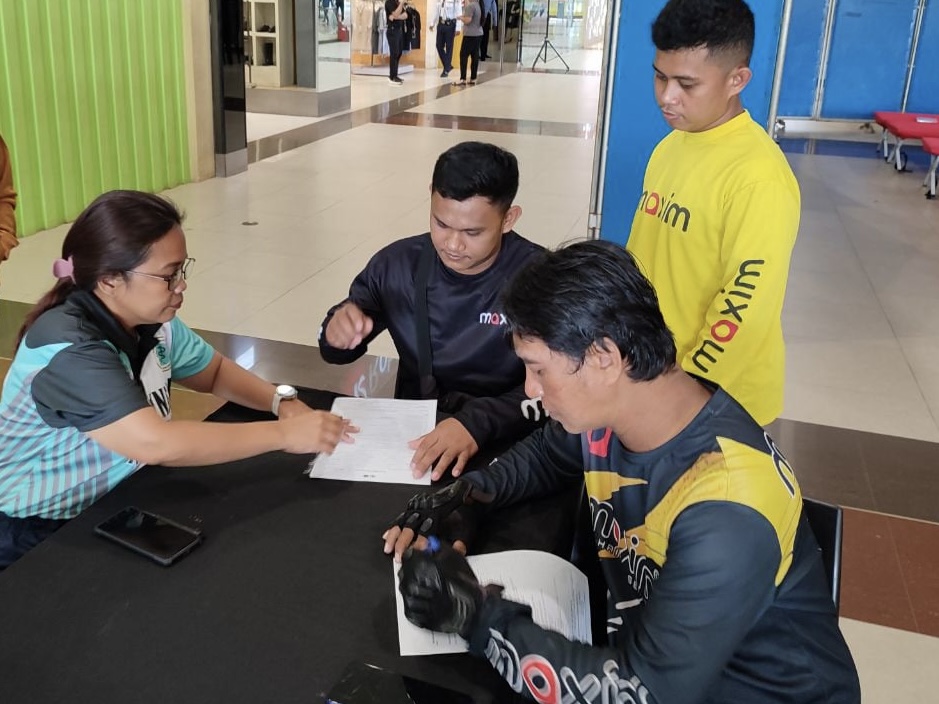
Maxim driver-partners gather at the Philippine Red Cross Blood Center in Zamboanga City on June 11.
In celebration of World Blood Donor Day, Maxim Rides & Food Delivery organized a series of blood donation drives across several cities in the Philippines, bringing together driver-partners, local government units, and the Philippine Red Cross to help strengthen local blood supplies and support patients in need. Participating driver-partners were granted a no-commission period as a token of appreciation.
The campaign began in Zamboanga City on June 11at the Philippines Red Cross Blood Center, where 60 driver-partners donated a total of 27 liters of blood.
The initiative continued in Puerto Princesa City on June 13 in partnership with Philippine Red Cross Palawan Chapter at Robinsons Place Palawan Extension Area, where eight driver-partners donated 3.15 liters of blood.
On June 14, Maxim held another blood donation drive at the Philippine Red Cross Olongapo City Chapter, with 30 driver-partners contributing 7.5 liters of blood.

The series continued in General Santos City on June 15, where Maxim collaborated with Philippine Red Cross General Santos Chapter to organize a blood donation drive at the Philippine Red Cross Blood Center. The activity collected 14.5 liters of blood from 28 participants.
Simultaneous blood donation drives were conducted on June 16 in Lucena City and Butuan City in partnership with the Philippine Red Cross. In Lucena City, 28 driver-partners donated 12.15 liters of blood at the Philippine Red Cross Lucena City Chapter. In Butuan City, 25 driver-partners donated 6.75 liters of blood at Robinsons Place Butuan.
The final leg of the campaign was held on June 17 in Mabalacat City in partnership with the Provincial Health Office and Jose B. Lingad Memorial General Hospital at the Youth Community Center, where 57 Maxim driver-partners donated 25.65 liters of blood.
“Maraming salamat po sa lahat ng blood donors, volunteers, at partner organizations na tumulong upang maging matagumpay ang activity na ito,” said Joseline Fernandez, Administrator of the Philippine Red Cross Zamboanga. “We would also like to thank Maxim riders for their willingness to donate blood and help save lives.”
World Blood Donor Day is observed annually on June 14 to raise awareness of the need for safe blood and blood products and to recognize voluntary, unpaid blood donors for their life-saving contributions. Through initiatives like these, Maxim continues to support community welfare programs that create a positive impact beyond transportation and delivery services.





CEBU Philippines — PLDT Enterprise is deepening its partnership with Xeleqt Technology Innovations, Inc., to support the company’s growing AI-IoT ecosystem through scalable and reliable connectivity. The collaboration highlights how wireless infrastructure can help enable digital transformation, operational efficiency, and data-driven innovation in real-world business transformation.
Xeleqt is a technology company focused on AI-IoT solutions aimed at improving workplace productivity and engagement. It is an AI-of-Things enabled business-to-employee platform that measures, rewards, and records workforce performance. The company started with a vision of delivering real-time services to traditional businesses that lacked access to emerging opportunities as smart devices became more prominent. It has since grown into a team dedicated to driving transformation through technology.
Xeleqt won the grand prize at the Start-up Innovation Challenge at PH Digicon 2023, in partnership with PLDT, and was later selected by the Department of Trade and Industry to represent the Philippines at the Hong Kong Electronics Fair.
A commitment to supporting technology innovators with scalable connectivity
PLDT Enterprise’s partnership with Xeleqt is centered on providing the wireless connectivity foundation needed to support a growing AI-IoT ecosystem. As Xeleqt’s deployments expanded, the company needed a solution capable of supporting thousands of connected devices while maintaining performance, reliability, and uptime. It also needed a connectivity platform capable of supporting AI-enabled IoT applications, from real-time data capture to analytics and automation.
Enabled by PLDT Enterprise, Xeleqt’s devices run on Smart’s IoT connectivity, supporting reliable and always-on performance across its operations.
This expanded deployment is expected to strengthen Xeleqt’s ability to support more automated, intelligent, and data-driven applications across its operations. By providing always-on connectivity at scale, the partnership reinforces wireless infrastructure as a key enabler of innovation.
Built on a growing partnership
The relationship between the two companies traces back to Xeleqt’s mother company, Spingine Corp, a system integrator that initially worked with PLDT Enterprise to support large-scale connectivity requirements. When Xeleqt was formally established in 2021, the collaboration continued and evolved in line with the company’s growing focus on IoT solutions.
As Xeleqt scaled its operations, PLDT Enterprise’s wireless IoT SIM solutions helped strengthen network reliability, simplify connectivity management, and support the company’s planned AI-ready IoT ecosystem. This continuity of engagement—from Spingine Corp to Xeleqt—is part of what reinforces PLDT Enterprise’s role as a long-term connectivity partner in Xeleqt’s digital transformation journey.
“Partnerships like this show how scalable wireless connectivity can directly support innovation and operational efficiency,” said Jay Lagdameo, vice president and head, Domestic Enterprise Business, Regional & Commercial at PLDT Enterprise. “As Xeleqt continues to expand its AI-IoT initiatives, PLDT Enterprise remains committed to providing the reliable connectivity foundation that helps power those efforts.”
“As Xeleqt continues to grow its AI-IoT solutions, having scalable and reliable connectivity is critical to how we serve our customers and expand our operations,” said Norman Curato, President of Xeleqt Technology Innovations, Inc. “Our collaboration with PLDT Enterprise gives us the connectivity foundation we need to support more intelligent and data-driven applications at scale.”