



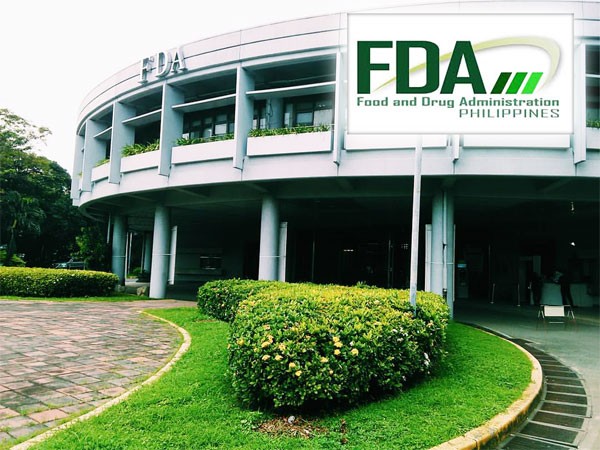
THE FOOD and Drug Administration (FDA) Mindanao East Cluster has warned the public against treating food supplements as medicines, emphasizing that products marketed as capable of curing specific diseases must meet stricter scientific and regulatory requirements before they can be classified and approved as drugs.
Speaking at the Isyu Karon Monthly Media Forum at The Royal Mandaya Hotel, Eba Marie Antonette W. Inis, FDA Mindanao East Cluster OIC-director, said consumers should be wary about taking food supplements, even if some products may provide health benefits.
“With our food supplements, we have to practice caution,” Inis said.
She explained that food supplements are not authorized to claim that they can cure specific illnesses, such as glaucoma or cancer, because such claims fall under the regulation of medicines or drugs.
“When you say a product can cure an illness, it should be classified as a drug or medicine,” Inis said.
She stressed that food supplements should not be mistaken for medicines simply because they are advertised as beneficial to health.
Their classification depends on the nature of their ingredients, established uses, and the scientific evidence supporting their claims.
Inis also explained that developing and securing approval for a drug is a lengthy process that may take at least 10 years. Before a medicine can be approved, it must undergo several phases of clinical trials to determine whether it works and whether it is safe for public use.
She pointed out that proving a drug’s effectiveness does not automatically mean it is safe. Some drug candidates may show promising results but fail during testing because of toxicity or other safety concerns.
“Not everything that is effective is good. Not everything that is effective is safe,” she emphasized.
As an example, Inis cited certain herbal products, including Lagundi, Sambong, and Oregano, which have established medicinal uses and identified active compounds.
Lagundi, for instance, is recognized for its use in relieving cough and asthma symptoms, while Sambong is used in connection with kidney stone management.
Oregano is also traditionally used for cough-related symptoms.
She explained that these examples are different from ordinary food supplements because their medicinal properties and uses have undergone scientific evaluation and are recognized under the appropriate drug classification.
Inis further reminded consumers to check the products they take and remain alert to possible side effects or adverse reactions. She encouraged anyone experiencing an unwanted reaction after taking a product to report it to the FDA.
The FDA official also raised concern over the tendency of some consumers to rely on recommendations from neighbors, friends, and acquaintances rather than consulting qualified health professionals.
“Sometimes, people believe their neighbors more than their doctors,” she said.
She attributed this behavior partly to the widespread practice of recommending supplements based on personal experiences, with consumers sometimes convinced that a particular product can cure an illness simply because someone they know has used it.
This, she said, contributes to the overuse and misuse of food supplements and can undermine the advice of medical professionals.
Inis acknowledged that financial difficulties may also discourage some people from seeking medical consultations, leading them to spend their money on products recommended by acquaintances instead of getting proper medical assessment.
She also appealed to community pharmacies to observe their responsibility in guiding customers and avoid acting as substitutes for doctors when it comes to diagnosing illnesses and recommending treatment.
Despite these concerns, Inis noted improvements in government health services, particularly in rural health centers, where medicines and medical professionals are now more accessible to communities.
She encouraged the public to make use of these services and consult health professionals rather than take medicines or supplements based solely on recommendations from friends and neighbors.
“Instead of taking products recommended by friends, make an effort to visit your health center,” she advised.
The FDA’s reminder underscores the importance of distinguishing food supplements from approved medicines, checking product claims, and seeking professional medical advice before taking products intended to address health conditions.
Photo from FDA LinkedIn page

