




Dr Fiona Wu, Senior Consultant Urologist at AARE Urocare, Singapore, discusses why urinary leakage during exercise may occur and the importance of pelvic floor health in women.
FOR MANY women, exercise is an important part of maintaining a healthy lifestyle. Whether attending fitness classes, jogging, lifting weights, or exercising at home, staying active offers numerous physical and mental health benefits.
However, some women may notice an unexpected problem during their workouts: involuntary urine leakage.
Dr. Fiona Wu, a Consultant Urologist at AARE Urocare in Singapore, explains that urinary leakage during physical activity may be associated with a condition known as stress urinary incontinence (SUI).
Although commonly associated with aging or childbirth, SUI can also affect younger women, including those who exercise regularly.
Why Does Urinary Leakage Happen During Exercise?
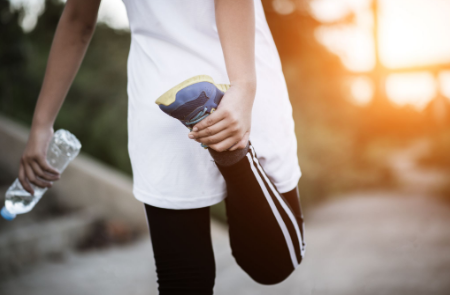
Stress urinary incontinence occurs when pressure inside the abdomen increases and the muscles or tissues supporting the urethra cannot adequately prevent urine leakage.
Activities such as jumping, running, coughing, sneezing, or lifting heavy objects can trigger this pressure.
According to Dr Wu, understanding how the pelvic floor functions is important when examining exercise-related urinary leakage.
The pelvic floor is a group of muscles that supports the bladder, uterus, and bowel. Together with the abdominal muscles and diaphragm, it helps maintain stability and bladder control during movement.
When these muscles are weakened or unable to respond effectively to increased pressure, urinary leakage may occur.
Can Certain Workouts Make It Worse?
High-impact activities and exercises that generate considerable abdominal pressure may aggravate existing symptoms in susceptible women.
These include:
- Running and jumping exercises
- Heavy weightlifting
- Squats and intense core workouts
- Sit-ups, crunches, and other abdominal exercises
However, this does not mean women should avoid exercising.
The concern is not necessarily the exercise itself, but how the pelvic floor responds to physical strain. Factors such as pregnancy, childbirth, hormonal changes, and individual pelvic floor function may also influence bladder control.
Strengthening the Pelvic Floor
Dr Wu’s original discussion highlights the importance of proper exercise techniques and pelvic floor muscle training in managing urinary leakage.
Pelvic floor muscle training, commonly known as Kegel exercises, involves repeatedly contracting and relaxing the muscles responsible for supporting bladder control.
When performed correctly and consistently, these exercises may help reduce stress urinary incontinence symptoms.
Women may also benefit from modifying high-impact exercises, gradually increasing workout intensity, and practising appropriate breathing techniques during exertion.
Importantly, pelvic floor exercises should be performed using the correct technique, as not every pelvic floor problem is caused by muscle weakness.
When Should Urinary Leakage Be Assessed?
Occasional leakage may seem minor, but recurring episodes during exercise, coughing, or everyday activities should not automatically be dismissed as a normal consequence of childbirth or aging.
Urinary leakage can have different underlying causes, and assessment helps determine whether symptoms are related to pelvic floor support, bladder function, or other medical conditions.
For Dr Wu, recognizing these differences is an important consideration in understanding women’s urinary health and determining appropriate management.
Maintaining an active lifestyle and paying attention to bladder health can go hand in hand.
Medical Disclaimer
This article is intended for general education and awareness purposes only and does not constitute medical advice, diagnosis or treatment. Individual symptoms and medical conditions may vary. Please consult a licensed medical practitioner for appropriate assessment.
For more information about Dr Fiona Wu and her medical practice, visit https://www.aareurology.sg or contact Beyond Medical Asia (Philippines) via WhatsApp at +63 956 0655 717.

