
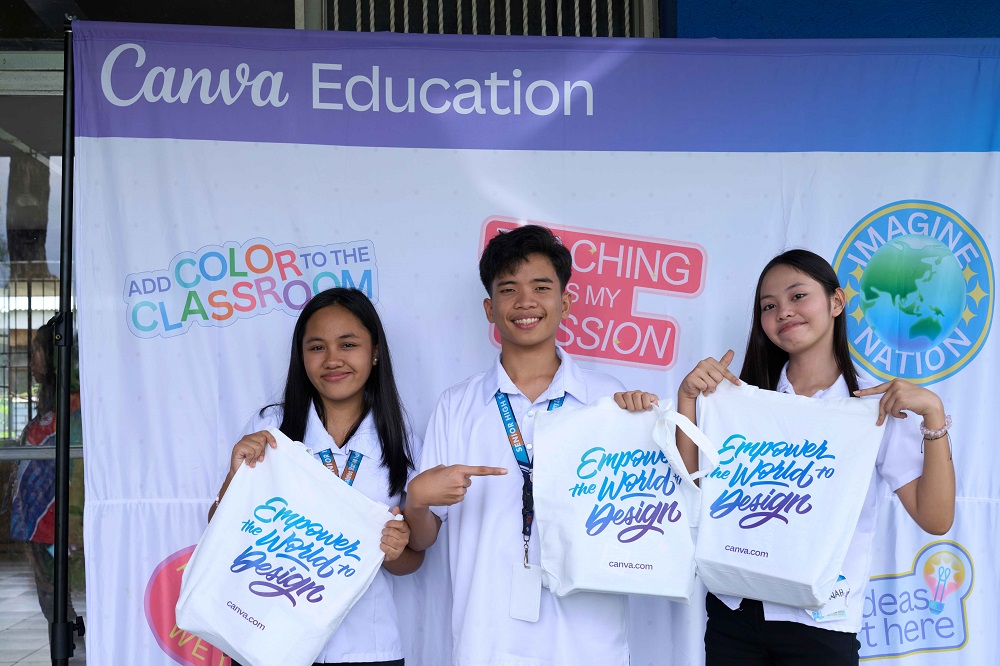
MANILA, June 2026 – As part of Canva’s nationwide initiatives to boost digital transformation in Filipino Education, the global visual communications platform has partnered with the Department of Education (DepEd) Region III to roll out a regional pilot initiative aimed at addressing gaps in technology access, digital resources, and up-skilling opportunities across public schools in the region.
Together with its Education Learning Partner Audentes Technologies, the initiative combines educator training, student certification, and access to Canva’s tools to support both teaching and school operations. This includes features such as Canva Offline, which allows users to continue working without stable internet connectivity, and Learn Grid, which provides structured, curriculum-aligned resources for lesson development, amongst others.
The initiative also included on-ground campus visits through the Canva Eskwela Caravan across selected schools and concluded with the Design Your Future: Career & Life Skills with Canva bootcamp for senior high learners.
“Digital transformation in education is not just about giving schools access to tools. It is about making sure teachers, learners, and their non-teaching staff can use those tools in ways that are practical, creative, and relevant to their everyday realities,” said Ysa Delfin-Malinao, Philippines education marketing lead, Canva. “Through this pilot with DepEd Philippines Region III, we are seeing how the right mix of training, access, and localized support can help public schools unlock more engaging classrooms, more confident educators, and more future-ready students.”
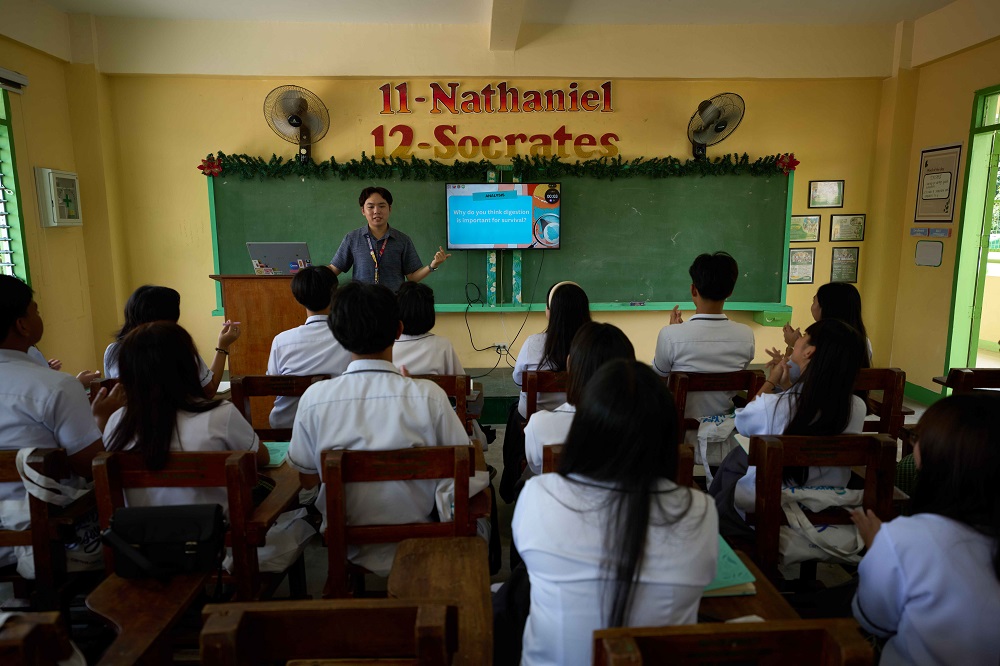
The program was implemented across four schools in Region III, including Eastern Porac National High School (EPNHS), Malolos Marine Fishery and Laboratory School, Lydia Villangca Trade School, and Virgen de las Flores High School, reaching nearly 500 public school faculty and staff and certifying over 1,000 senior high school students.
“Our partnership with Canva has empowered our schools to embrace creativity, innovation, and transformation across our classrooms,” said Tolentino G. Aquino, Regional Director for DepEd Region III. “Looking ahead, we are committed to building a future-ready Region III, where creativity and education go hand in hand.”
Early results show strong classroom impact
Early results point to measurable improvements in classroom experience and engagement. At EPNHS, 81% of teachers reported improvements in their classroom experience after using Canva, while 94.6% believe the platform has strong potential to shape the future of education.
For public school leaders, the program’s impact is already visible in how classrooms are evolving. Dr. Rosaline Tuble, school head of EPNHS, shared how digital tools like Canva are transforming both teaching approaches and student participation.
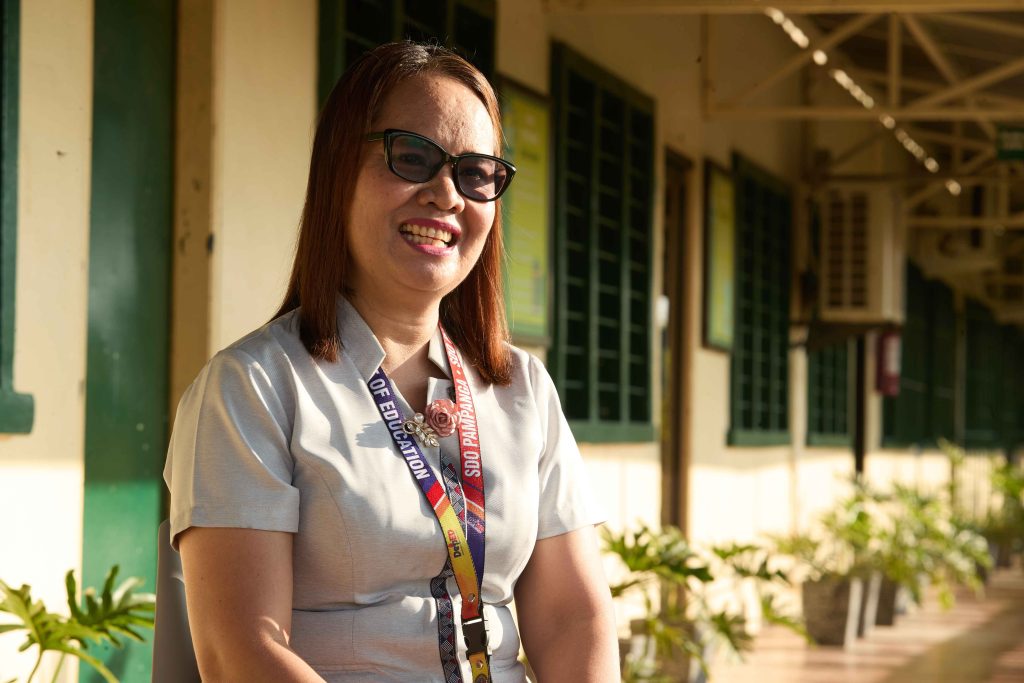
“In my 29 years with DepEd, it has been our long-time dream to transform students from passive watchers into active co-creators and collaborators of the lesson itself. When Canva was first introduced in our classrooms two years ago, only 35% of teachers used it for instruction. Today, 92% of teachers use Canva for daily classroom delivery,” Tuble shared.
Among the drivers of this shift is a better understanding of how today’s students learn and engage.
“We know that today’s learners respond best to visual and creative modes of communication and self-expression,” Tuble added. “With Canva, our teachers can redesign their lessons to be more dynamic and interactive to suit student needs.”
Building a scalable model for digital inclusion
Beyond the classroom, schools are also seeing operational benefits. Digital tools help streamline administrative tasks, improve turnaround times, and support more flexible blended learning approaches that enable collaboration beyond the classroom while reducing reliance on physical materials.
As Canva looks to expand the initiative across the Philippines, the Region III pilot provides a strong model for how targeted upskilling and accessible technology can help bridge digital gaps in public education, particularly in underserved communities.
“The Region III pilot gives us a strong proof point for what digital inclusion in education can look like when it is built around the needs of public schools,” said Delfin-Malinao. “As we continue working with education partners across the country, our focus is to help more teachers and students, especially outside Metro Manila, gain the skills, confidence, and access they need to thrive in an increasingly visual and digital world.”
Watch how the Canva DepEd Region III Pilot is supporting teachers and learners in bringing creativity into everyday learning.