

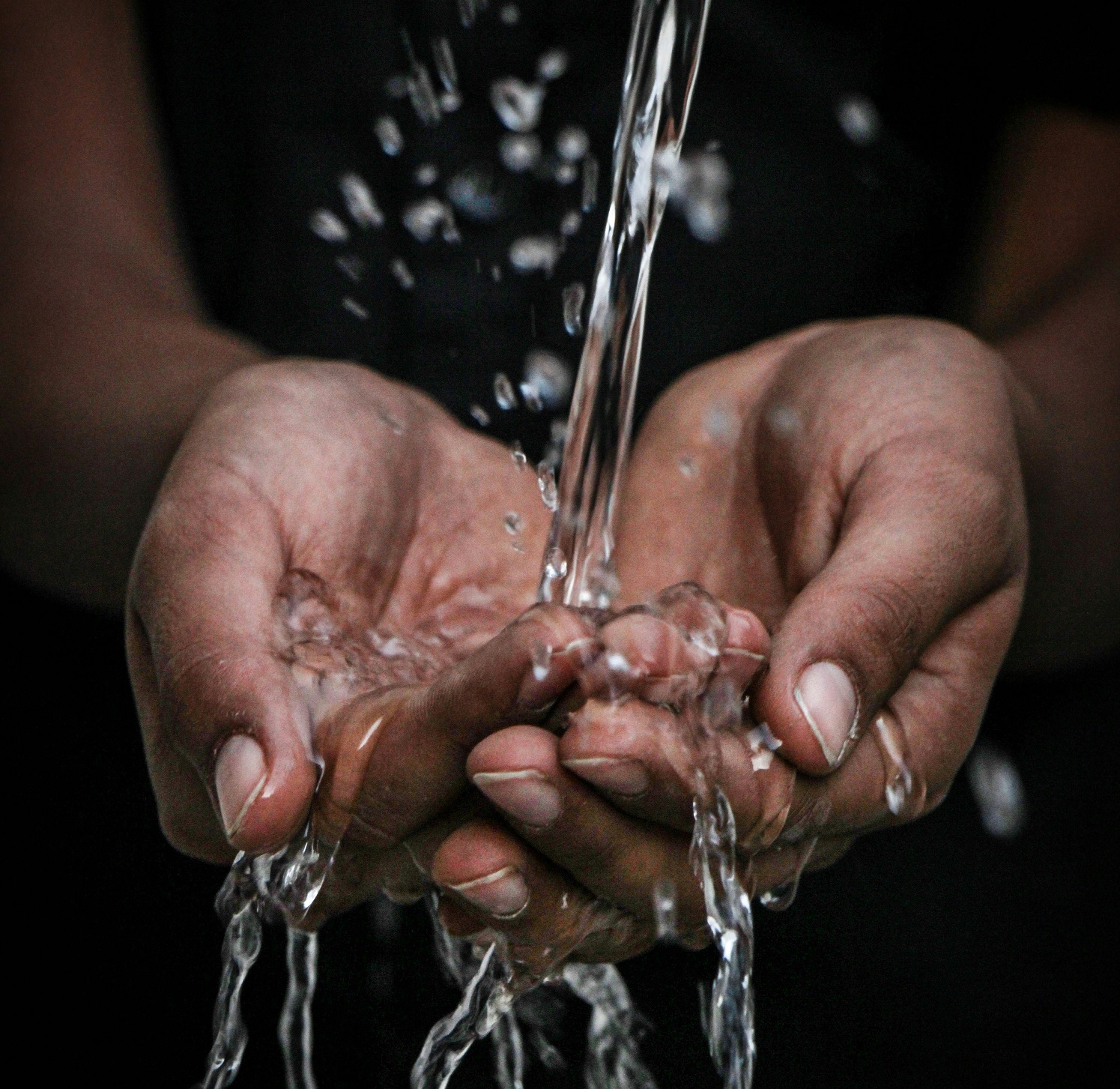
WE ALL rely on clean water for daily survival. From simple cooking and cleaning to complex industrial processes, many of society’s critical activities depend on a steady supply of water. For this reason, efficient water distribution systems play a vital role in our everyday lives. These networks of pipes, pumps, valves, and storage reservoirs deliver water for domestic and commercial use as well as for agricultural purposes and fire protection.
Moreover, these systems support the development of sustainable cities by helping reduce water loss, minimizing energy consumption, improving water quality, and promoting efficient water use. As communities continue to grow and climate-related challenges place greater pressure on water resources, investing in efficient water distribution becomes increasingly important for long-term infrastructure planning.
In this article, we’ll explore the important ways efficient water distribution systems contribute to sustainable infrastructure development and why they remain essential to building resilient communities.
Reduce Water Loss and Preserve Valuable Resources
One significant benefit of an efficient water distribution system is its ability to reduce water loss. Aging pipes, damaged infrastructure, and undetected leaks allow substantial amounts of treated water to escape before reaching homes or businesses. This not only leads to wasted resources but also increases operating costs, in particular because utilities still spend money extracting, treating, and pumping water even if it never reaches consumers. Improved leak detection, upgraded pipelines, and regular maintenance can help minimize these losses, and at the same time make better use of existing water supplies.
Additionally, reducing water loss supports sustainable infrastructure by extending the useful life of water resources and delaying the need for expensive capacity expansions. Instead of investing solely in developing new water sources, communities can maximize the efficiency of their current water management infrastructure and reduce unnecessary strain on treatment facilities. This approach conserves freshwater supplies while improving the financial sustainability of utilities, allowing them to direct more resources toward system modernization and long-term resilience.
Support Growing Communities and Sustainable Urban Development
As cities expand, the demand for dependable water services increases proportionately. With efficient water distribution systems, communities can accommodate residential, commercial, and industrial development without sacrificing service quality or placing unnecessary pressure on limited water resources. Moreover, well-planned infrastructure supports key facilities like schools, hospitals, businesses, and public institutions that depend on a continuous water supply to operate effectively.
In areas where permanent distribution networks are still being expanded or during temporary service interruptions, solutions such as overhead water truck filling from a reliable provider like Liquimech Group Pty Ltd can help establish a water management infrastructure that preserves access to clean water, even as it supports construction activities, emergency response efforts, and essential community services.
Improve Energy Efficiency Across Water Infrastructure
Water systems require energy for pumping, storage, and system operation. As such, reliance on inefficient infrastructure often results in higher electricity consumption and increased operating expenses. Meanwhile, modern distribution systems that incorporate efficient pumps, optimized pressure management, and well-maintained pipelines require less energy to deliver the same amount of water. These improvements reduce operating costs and lower the environmental impact associated with energy use at the same time.
Energy-efficient water distribution also strengthens the sustainability of public infrastructure by reducing greenhouse gas emissions and improving operational performance. When energy demand decreases, utilities can allocate more funding toward maintenance, technology upgrades, and service improvements instead of rising electricity costs. As governments continue pursuing more sustainable infrastructure investments, improving the efficiency of water distribution systems becomes an effective way to support both environmental and economic goals.
Protect Water Quality Through Reliable Distribution
Water treatment is only one part of delivering safe drinking water. Once water leaves a treatment facility, the distribution system must continue protecting its quality until it reaches consumers. Properly maintained pipes, storage facilities, and pressure controls help reduce the risk of contamination while ensuring that water remains safe throughout its distribution journey. Additionally, reliable infrastructure minimizes issues such as pipe breaks, backflow, and corrosion that could compromise water quality.
Effective water quality maintenance supports sustainable infrastructure because public confidence depends on safe and dependable utility services. When communities have reliable water distribution systems, they experience fewer service disruptions and reduced public health risks, making them more attractive places to live and invest. By preserving water quality through effective system management, utilities strengthen one of the most essential services that sustainable communities rely upon every day.
Strengthen Climate Resilience and Future Infrastructure
Climate change brings greater uncertainty around water availability through prolonged droughts, changing rainfall patterns, and more frequent extreme weather events. Efficient water distribution systems help communities adapt by making better use of available water and improving operational flexibility while reducing unnecessary losses during periods of limited supply.
Modern infrastructure can also seamlessly incorporate monitoring technologies that allow utilities to identify problems like pipe breaks, leaks, and water quality issues early and respond more effectively during emergencies.
Building climate-resilient infrastructure involves looking beyond today’s needs and preparing for future challenges. Investments in efficient water distribution systems can help improve reliability while supporting environmental stewardship and responsible economic growth. By strengthening one of society’s most essential public services, communities become better equipped to manage changing conditions while ensuring that future generations continue to have dependable access to clean water.
Efficient water distribution systems not only enable the steady delivery of clean water to households and various facilities but also support sustainability by helping conserve essential resources and fostering safety, reliability, and flexibility throughout the water distribution network. These systems protect public health and promote the responsible use of natural resources, helping build more sustainable and resilient communities for the future.
Photo by mrjn Photography on Unsplash