
As the company that first brought LED lighting to the Philippines approaches its 25th year, Landlite opens a conversation on treating lighting as a foundational design decision — not a finishing touch.
MANILA, PHILIPPINES — “At Landlite, we do not see ourselves simply as suppliers of lighting products. Our goal is to be a partner that helps bring your creative vision to life.” – Jocelyn See, CEO
When Landlite Philippines Corporation opened in 2002, it started with a single forward-looking product: the energy-efficient bulb. Three years later, it became the first company to introduce LED bulbs and fixtures to the Philippines. Nearly 25 years on, that instinct to lead has grown into one of the country’s most established lighting brands — and Landlite is using the approach to its milestone anniversary to make a larger argument about how Filipino homes are designed.
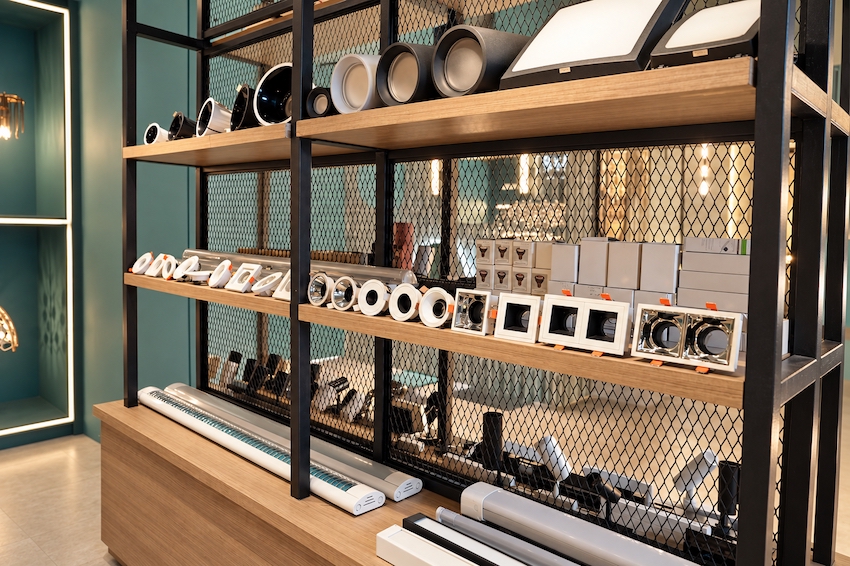
As the pioneer in bringing LED technology to the Philippines, Landlite introduced decorative LED wall lights in 2005, then expanded into general lighting and complete solutions for homes, hotels, resorts, and restaurants. That vantage point of watching how Filipinos live in and light their spaces has shaped a clear point of view: lighting deserves a seat at the design table from the very first sketch.
All too often, lighting is deemed the last decision in a project rather than one of the first — considered only after floor plans, furniture, and finishes are locked. The company believes that sequence quietly limits what a space can become.
“Most people choose their lighting last, when it should be one of the first things they think about,” says Joshua Li, Creative Director of Landlite. “Light is what you experience in a room. It sets the mood — but if you can’t see a space well, how can you appreciate its design at all?”
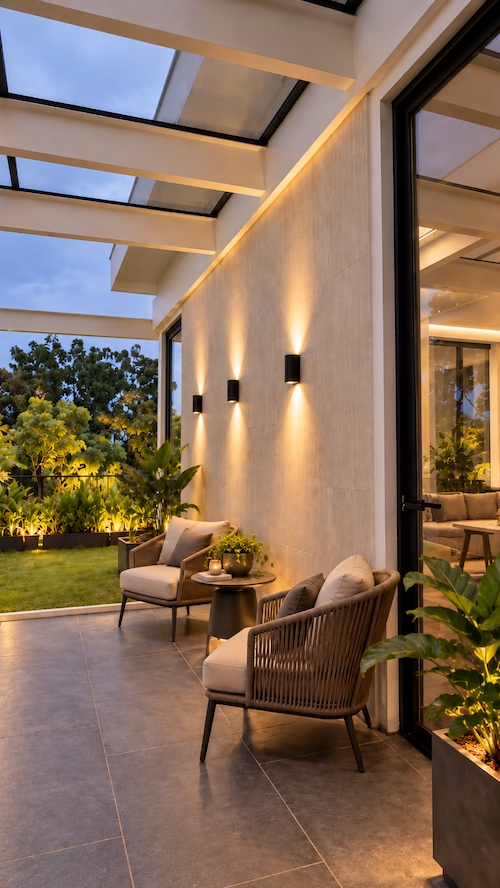
Thoughtfully planned lighting can highlight architectural features, complement interior finishes, define zones within an open room, and create a sense of depth. The same four walls can feel entirely different depending on the quality, placement, and temperature of the light within them. Planning it early also lets homeowners and designers shape how natural and artificial light work together across the day.
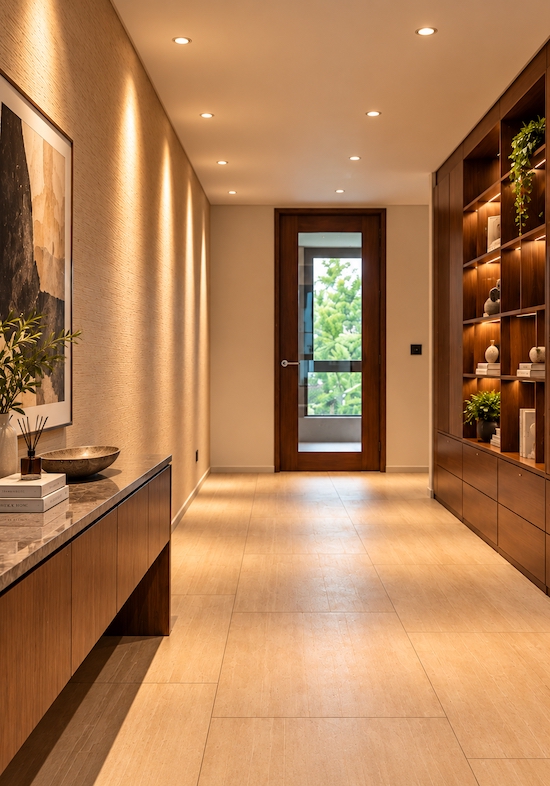
Room by room, the logic holds. A kitchen needs focused task lighting; a living room benefits from layers of general and accent light for both activity and rest; bedrooms call for something softer; and hallways and entryways can use light to improve both visibility and the sense of flow through a home.
Rather than lighting every room the same way, Landlite encourages homeowners and designers to start with a simple question: what is this space for, and how should light help it do that job?
For Landlite, that question is the heart of thoughtful lighting — and, as the brand enters its 25th year, the beginning of a longer conversation it intends to lead. Planned with intention, the company argues, lighting is far more than a functional necessity: it becomes one of the elements that defines the character, comfort, and experience of a home.