



BY ALEX ALAGON
BY ALEX ALAGON

Max’s Restaurant Pamilyang Pilipino Football Cup tournament director Murphy Jake Somosot of Davao Strikers FC (with mic) at the weekly DSA Forum along with Max’s Restaurant Manager Freddie Miralles and Operations Manager Irene Mancia. (LPP/DSA)
Davao City – A huge field of 280 entries are expected to show their wares in the 2026 Max’s Restaurant Pamilyang Pilipino Football Cup this 14-15 November at the Tionko Football turf.

“It will be a festive family football event as we feature kids as young as five years-old to 18 years-old in the different age group classifications plus games for the Moms and Dads,” said tournament director Murphy Jake Somosot of the organizing Davao Strikers Football Club on Thursday’s 8 October Davao Sportswriters Association (DSA) Forum.
Also present were principal sponsors Max’s Restaurant Manager Freddie Miralles and operations manager Irene Mancia.
“We chose football because it is a family sport. This Pamilyang Pilipino Football Cup is open to all members of the family,’ added Miralles. Mancia added that Max’s Restaurant delicacies will also be available at the football turf. The two-day tournament is sanctioned by the Davao-South Regional Football Association.
By Jon Develos

Book Flights for as Low as PHP 10
Cebu Pacific is giving every Juan more reasons to make their travel dreams a reality with its latest seat sale offering this October, making it easier for travelers to explore the Philippines and beyond.
From October 8 to 11, CEB passengers may book their flights to all destinations on sale for as low as PHP 10 one-way base fare, exclusive of fees and surcharges. The travel period will start from February 1 to June 30, 2027, perfect for those who love to plan their travels ahead of time.
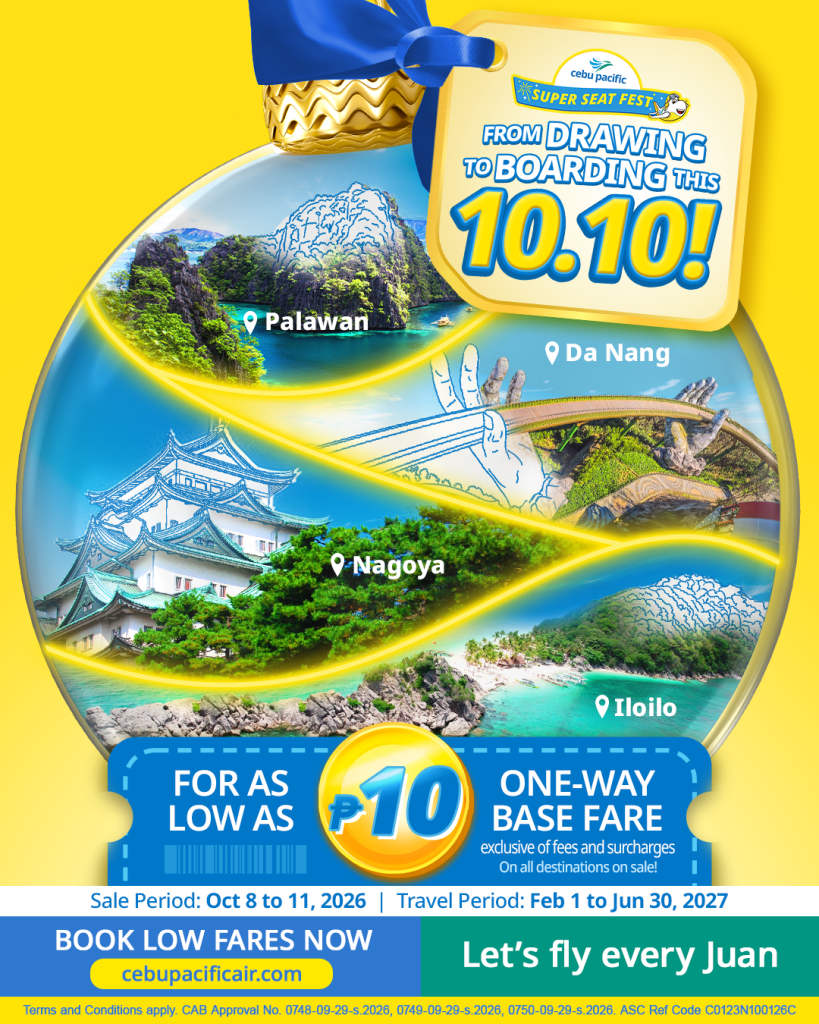
For those looking to experience Japan, this is a perfect time to go as the travel period covers its Sakura season. The airline also offers the most direct flight options to Japan, with routes to Sapporo, Narita, Fukuoka, and Nagoya from Manila. Starting December 1, 2026, CEB will also launch direct Cebu-Nagoya flights, giving travelers from Visayas a more convenient gateway to Japan just in time to plan their Sakura season getaway.
Vietnam is another destination to put on everyone’s list. CEB makes the country accessible to its passengers with direct flights to Ho Chi Minh, Hanoi, and Da Nang via Manila. Travelers from Cebu can also directly fly to Ho Chi Minh City.
Travelers looking for their next summer destination can also head over to Palawan. With CEB being the largest operator flying to and from the island, the airline gives its passengers direct access to discover the province’s world-famous beaches, crystal-clear waters, and natural wonders. The airline offers direct flights to Puerto Princesa, El Nido, and Coron.
With Cebu Pacific’s widest domestic network, travelers can easily explore the Philippines with direct flights across its key hubs in Manila, Clark, Cebu, Davao, and Iloilo.
CEB currently operates in 35 domestic and 26 international destinations spread across Asia, Australia, and the Middle East.
CEB offers various payment options, including credit or debit cards and e-wallets, to book flights and buy add-ons.
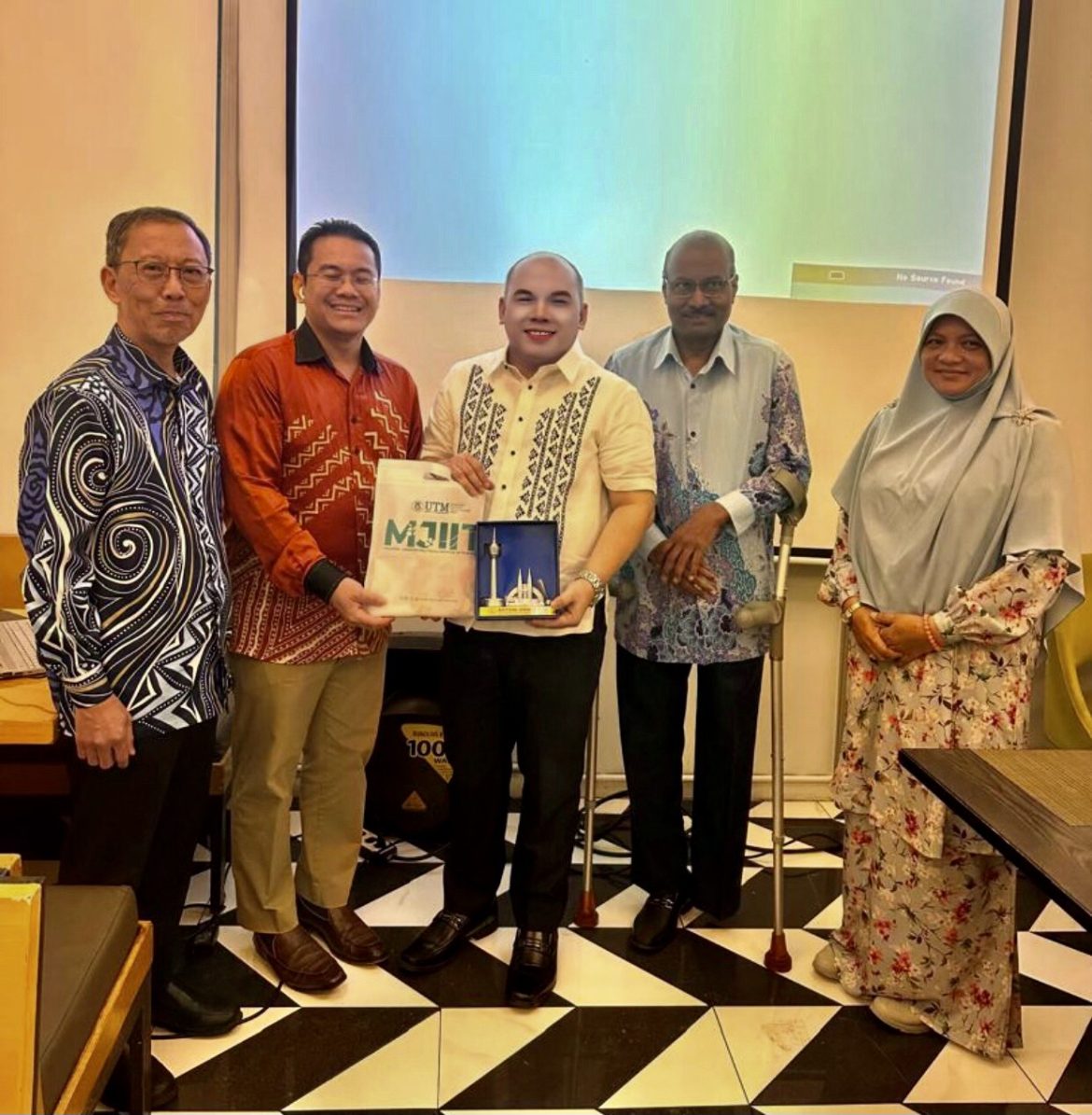
MANILA, PHILIPPINES – The All-Party Parliamentary Group Malaysia on Disaster Risk Management (APPGM-DRM), led by its Overall Chairman, Hon. Congressman Ir. Ts. Zahir bin Hassan, and key parliamentary leaders including Hon. Senator Isaiah a/l D. Jacob, along with distinguished Malaysian Congressmen, the Secretariat, the academe, the private sector, non-governmental organizations (NGOs), and UNICEF Malaysia, has engaged world-renowned Filipino science diplomat and multi-awarded scientist Sci. Dpl. Glenn Banaguas to provide expert guidance for the crafting of Malaysia’s forthcoming national disaster risk management and climate legislation.
As a strategic partner of APPGM-DRM in implementing this international benchmarking activity, Sci. Dpl. Banaguas spearheaded a multi-sectoral mission in Manila. Through his leadership, the delegation engaged key Philippine institutions across government, legislature, finance, academia, and civil society to showcase best practices in disaster risk reduction and climate governance.
The comprehensive benchmarking program featured briefings and presentations from prominent Philippine organizations, including the Department of Science and Technology (DOST), DOST-PAGASA, the House of Representatives, represented by Hon. Representative Brian Poe Llamanzares, the Office of Civil Defense–National Disaster Risk Reduction and Management Council (NDRRMC-OCD), the Development Bank of the Philippines (DBP), the University of the Philippines Resilience Institute (UPRI), the Center for Disaster Preparedness (CDP), the Manila Observatory, the Clark Development Corporation, the Philippine Disaster Resilience Foundation (PDRF), ARISE Philippines, the Environmental and Climate Change Research Institute (ECCRI), and UNICEF Philippines. The mission also featured a visit to the Embassy of Malaysia in Manila.
During the session, Banaguas presented the flagship Climate Smart Philippines: Science for Service program. Established in 2010 under ECCRI, this initiative utilizes a science diplomacy framework to translate complex climate research into actionable public policy. The program has earned global accolades, including the UN Sasakawa Award for Disaster Risk Reduction (DRR) and the Bibliotheca Alexandrina International Award.
Banaguas, who serves as Chairman of the ASEAN Science Diplomats, outlined the strategic roadmap of the ASEAN Science Diplomacy Plan of Action, focusing on climate and disaster diplomacy. The framework provides a practical blueprint for integrating evidence-based risk assessments, regional scientific consensus, impact assessments, and multi-stakeholder governance directly into national policymaking.
“Malaysia’s disaster law must be firmly grounded in science and robust empirical evidence so that it truly addresses the real-world needs of its people,” emphasized Sci. Dpl. Banaguas. “By establishing an evidence-driven framework that directly protects vulnerable communities, these strategies can serve as a proven model to be replicated across other ASEAN Member States. Hosting this exchange reaffirmed the transformative potential of science diplomacy, as bridging regional research with legislative action ensures our laws are equipped to protect communities across borders.”
“We intentionally chose the Philippines for this benchmark mission because of its established, progressive legislative frameworks that directly address disaster risk reduction and climate change,” stated Hon. Congressman Ir. Ts. Zahir bin Hassan. “Through this collaboration, we aim to integrate these science-backed strategies into Malaysia’s own disaster legislation to ensure our laws are resilient, evidence-driven, and responsive to the needs of our people.”
This historic exchange marks a vital step forward in institutionalizing Malaysia’s disaster risk reduction framework, demonstrating how Philippine science diplomacy can directly shape national legislation, elevate regional policy standards, and build long-term disaster resilience across the entire ASEAN community.

QUEZON CITY — The toxics watchdog group EcoWaste Coalition lauded the Food and Drug Administration (FDA) for issuing public health warnings against unauthorized skin lightening products from Pakistan, which may cause mercury exposure risks to users and their households.
On Oct. 3 and 5, the FDA posted on its website Advisory Numbers 2026-1430, 2026-1429, and 2026-1320, warning the public against the purchase and use of Pure Herbs Seven Herbal Beauty Cream with Sun Screen, Fresh & White Beauty Cream, and Sativa Beauty Cream with Herbal Extracts, respectively.
These products lacked certificates of product notification, making their importation, distribution, promotion, advertising, and sale illegal under Republic Act No. 9711, or the FDA Act of 2009, which regulates and prohibits health products without proper FDA authorization.
Unauthorized products have not been duly evaluated for their quality and safety, and using them “may pose health risks to consumers,” the advisories warned. “Potential hazards may come from ingredients that are not allowed to be part of a cosmetic product or from the contamination of heavy metals.”
Mercury, a heavy metal, is not permitted in cosmetic product formulations. Under the ASEAN Cosmetic Directive, mercury as a heavy metal contaminant in cosmetics cannot exceed the maximum limit of one part per million (ppm). The Minamata Convention on Mercury explicitly bans mercury in cosmetics, such as skin lightening creams and soaps.
X-Ray Fluorescence (XRF) screening conducted by the EcoWaste Coalition and duly reported to the FDA found Fresh & White, Pure Herbs Seven Herbal, and Sativa facial creams contaminated with 27,270 ppm, 19,750 ppm, and 17,480 ppm of mercury, respectively.
This year, the FDA flagged 14 Pakistan-made skin lightening products with no market authorization and with mercury content up to 33,970 ppm, based on EcoWaste Coalition’s XRF screening activities.
While commending the FDA for the series of public health warnings, the EcoWaste Coalition emphasized the need for Pakistan, where these mercury-containing cosmetics are made, to eliminate the supply at the source.
Halting production at the source will stop these toxic skin lighteners from entering global commerce, facilitated by the ascent of e-commerce and social media platforms, the EcoWaste Coalition said.
More importantly, a global halt in the production and trade of mercury-containing skin lightening products will protect direct users from the adverse effects of mercury exposure, protect family members from secondary exposure through breathing in mercury vapors from adulterated products or sharing tainted pillows, blankets, and towels, as well as protect water systems and aquatic organisms from being polluted by mercury
The EcoWaste Coalition again urged those aspiring for a fairer skin tone to embrace their natural skin color, and challenge colorism, a form of discrimination or prejudice that favors people with lighter skin. “Reject chemical whiteners entirely and take pride in your natural skin complexion,” the group said.
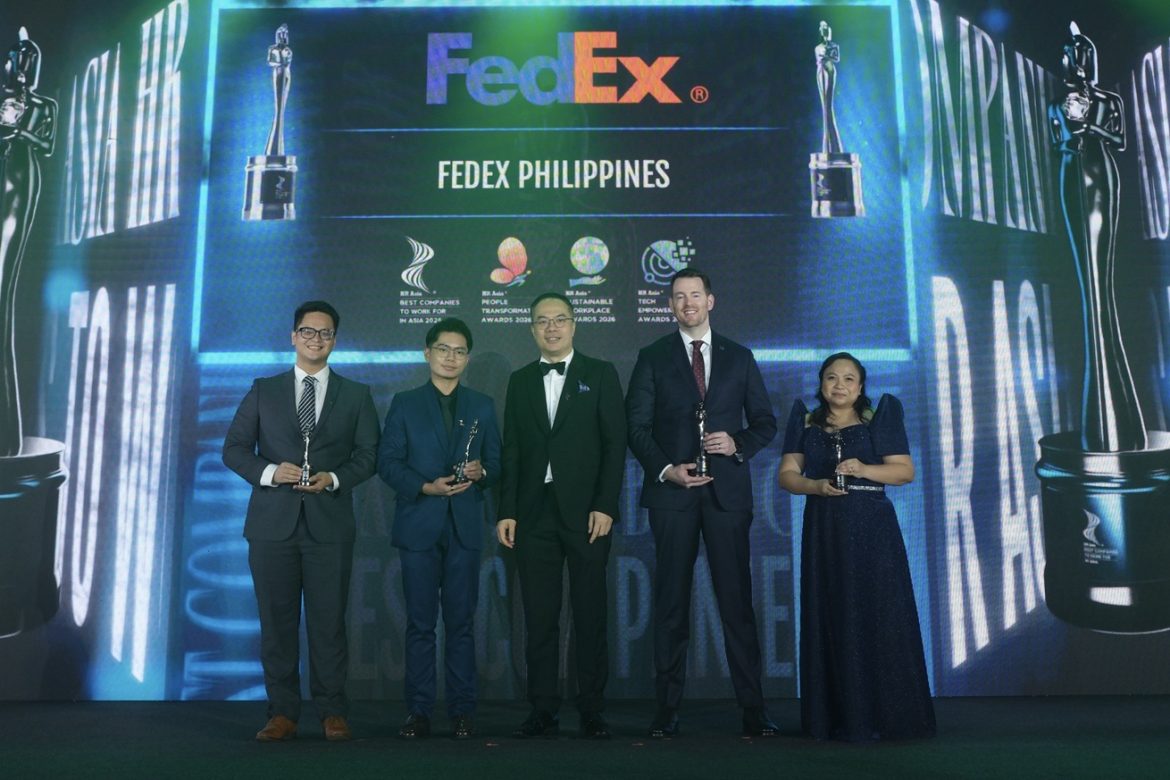
PHILIPPINES — FedEx Philippines has been recognized as one of 2026 HR Asia’s Best Companies to Work for in Asia, for the fourth consecutive year. FedEx Philippines has also been awarded three special category honors: the People Transformation Award, Sustainable Workplace Award, and Tech Empowerment Award.
Organized by HR Asia, a leading publication for human resource professionals across the Asia Pacific region, the awards program evaluates organizations through HR Asia’s proprietary Total Engagement Assessment Model (TEAM), which measures employee engagement, workplace culture, and HR practices.
The Best Companies to Work for in Asia Awards honor organizations that demonstrate strong employee engagement, workplace culture, and HR practices. The People Transformation Award celebrates organizations that continue to evolve their HR frameworks to address shifting workforce needs. The Sustainable Workplace Award spotlights companies that integrate sustainability and environmentally conscious practices into the workplace and employee experience. Meanwhile, the Tech Empowerment Award acknowledges organizations that empower employees and enhance HR practices through digital and technological innovations. acknowledges organizations that empower employees and enhance HR practices through digital and technological innovations.
“We are honored to receive these recognitions, which are a reflection of our people’s commitment to the Purple Promise of making every FedEx experience outstanding,” said Garrick Thompson, managing director, FedEx Philippines. “The Purple Promise is not just a commitment we make to our customers, but to our team members as well. We are intentionally building a workplace where our talent doesn’t just adapt to change; they lead it. Whether through cutting-edge digital tools, continuous upskilling, or meaningful sustainability initiatives, we are dedicated to fostering an environment where every employee can innovate and thrive.”
FedEx Philippines was also recently awarded Great Place to Work and received three notable recognitions at the 2026 HR Excellence Awards for cross-generational workforce engagement, performance management evolution, and retention strategy.

MANILA, Philippines – Herbalife, a premier health and wellness company, community and platform, released new findings from its Asia Pacific Wellness Culture Survey 2026, revealing a generational shift in how wellness is defined and achieved across the region. The survey found that Gen Z and Millennial consumers are adopting a more intentional and holistic approach to wellness, placing equal emphasis on physical, mental, emotional, and social wellbeing. This holistic approach to wellness is also showing results, with more than half of younger consumers reporting tangible improvements in their personal wellbeing compared to three years ago.
This shift reflects more than just a change in mindset – younger consumers are actively translating their wellness aspirations into action by embedding healthy lifestyle habits into their everyday lives. Nearly eight in 10 Gen Zs (79%) and Millennials (76%) in the Philippines engage more often in wellness activities than they did three years ago, outpacing the country average of 74%.
“Gen Zs and Millennials truly stand out in the way they approach wellness – with intention and commitment. This can be seen through the growing popularity of run clubs and pickleball communities in the country[1], where younger consumers actively seek opportunities to improve their health and connect with like-minded communities in recent years. Their commitment to wellness is not only driving positive outcomes in the near term but also laying the foundation for them to lead healthier and more meaningful lives in the longer term,” said Kinki Lau, general manager, Herbalife Philippines.
Gen Zs Redefining What Better Wellbeing Looks Like
Despite reporting stronger wellbeing outcomes compared to the older generations, Gen Z Filipinos continue to raise the bar for what better wellbeing looks like. Mental wellbeing or stress management (53%) and sleep quality (45%) rank among the top areas they hope to improve, followed by emotional wellbeing (40%) and nutrition (37%).
These priorities are also far more than aspirational. Gen Z Filipinos are already taking action in the areas they consider most important, with 53% improving their sleep habits, with 47% making healthier food choices and reducing unhealthy habits, demonstrating a willingness to invest consistently in their long-term wellbeing over pursuing short-term health goals.
At the same time, younger consumers are broadening the very definition of wellness. For Gen Z Filipinos, mental health has emerged as the top area where more support is needed (68%), surpassing physical health (62%) and emotional health (57%). In contrast, older generations such as Gen X and Boomer Filipinos continue to place greater emphasis on physical health. Together, these findings suggest that younger consumers are embracing holistic health. Rather than focusing on a single dimension, they are actively seeking the support and communities to sustain progress across their physical, mental, and emotional health.
Digital Communities Play a Growing Role in Gen Z’s Pursuit of Wellness
For Gen Z Filipinos, wellness is increasingly shaped by both their physical and digital environments. More than half of them said that social media had a positive impact on their physical (63%), mental (55%), and emotional well-being (58%) over the past 12 months. Their social circles (65%) and online communities (47%) also play an important role in helping them build and maintain healthier habits.
Among Millennials, however, friends and family wield the strongest influence on their wellbeing, particularly on their emotional health (64%), with mental health (62%) following close behind.
This contrast suggests that while both generations value community support, they engage with it in different ways. Gen Zs are more likely to draw motivation, information, and encouragement from digital communities, while Millennials continue to rely more heavily on their personal networks.
“The future of wellness will not be built through individual effort alone. Younger generations increasingly look to both their physical and digital communities for motivation, guidance, and accountability as they work towards their health goals. In the Philippines, we see this being reflected through the increasing number of pickleball courts and club[2], which bring people together around shared wellness aspirations and experiences. Whether through fitness groups, wellness communities or online networks, these connections are helping to turn healthy intentions into lasting habits and making wellbeing a more integrated part of everyday life,” added Kinki Lau.
WITH THE country facing a critical need for affordable housing, the Subdivision and Housing Developers Association (SHDA)—the country’s premier organization of housing developers—is backing a Department of Justice (DOJ) legal opinion that removes a major bureaucratic hurdle in acquiring land for new communities.
DOJ Legal Opinion No. 16, Series of 2026, states that private agricultural land transactions without an existing Notice of Coverage (NOC) no longer require a Land Transfer Clearance (LTC) from the Department of Agrarian Reform (DAR). The DOJ determined that the five-hectare retention limit, which served as the legal basis for the clearance, ceased to be effective following the statutory cutoff on June 30, 2014, also known as the CARPER Deadline.
For housing development proponents, the LTC has been an added administrative step before land acquisition can move forward. Removing it for unencumbered titles lets developers proceed more efficiently toward title transfer, project financing, permitting, construction, and site preparation. For SHDA, speed does not mean cutting corners. Housing developers remain committed to fully complying with existing national and local laws, including, but not limited to, DAR land use conversion requirements, local zoning ordinances, Department of Environment and Natural Resources (DENR) requirements for environmental clearance, and other housing development regulations.
“Predictability in land administration is important to keeping housing projects moving,” said Engr. Francis Richmond Z. Villegas, SHDA Chairman of the Board. “A clear and consistent process allows developers and other stakeholders to make informed decisions, manage project timelines, and pursue investments with confidence. We see this as an opportunity to support a framework that is responsive to the needs of the housing industry while remaining aligned with existing laws and regulations.”
SHDA members build 80% of the homes produced in the Philippines each year. The association said that reducing transaction costs and administrative delays is a step toward expanding the supply of affordable homes for Filipino families.
Even with the clearance requirement lifted, SHDA said that consistent implementation will decide whether these gains are felt on the ground. To ensure an orderly transition, the association is urging DAR, the Land Registration Authority (LRA), and Registers of Deeds (RODs) to issue joint administrative guidelines establishing standardized procedures and documentary requirements nationwide.
“The DOJ opinion gives the industry legal clarity. What we need now is the same clarity on the ground. Joint guidelines from DAR, LRA, and the RODs will ensure that every office applies the ruling the same way, so landowners, developers, and financial institutions can move forward with certainty,” said Kerwin V. Padua, SHDA National President.
SHDA reiterated its commitment to continued dialogue with government agencies toward a clear, efficient, and predictable land administration framework that supports responsible development and addresses the country’s housing needs.

While GLP-1 medications can help regulate appetite and blood sugar, they don’t replace the need for a balanced diet. In fact, the American Diabetes Association’s Standards of Care emphasize that these medications work best as part of a comprehensive treatment plan that includes individualized nutrition and other lifestyle interventions. Choosing nutrient-dense foods and being more mindful of added sugars can help support overall health and complement broader lifestyle changes.
One of the simplest places to start is learning how to read sugar labels.
Decoding the label is a challenge in itself
Reducing sugar isn’t always as straightforward as choosing products labeled “healthy.” Terms like “sugar-free,” “no added sugar,” and “naturally sweetened” each mean different things, while added sugars can appear under a variety of names in ingredient lists.
Recognizing the growing demand for greater transparency around nutrition, Healthy Options curates a wide selection of products with clearly labeled nutritional information and thoughtfully sourced ingredients, making it easier for shoppers to compare products, understand sugar claims, and find options that suit different dietary preferences and wellness goals.
“We’re seeing more customers ask questions about ingredients and nutrition—not only because they want to eat healthier, but because they’re looking for products that fit their individual wellness goals,” said Romy Sia, Managing Director of Healthy Options. “Whether someone is simply cutting back on sugar or following a nutrition plan recommended by their healthcare professional, we want to make it easier for them to shop with confidence.”
Understanding sugar claims
Food packaging often highlights sugar-related claims, but understanding what these labels actually mean can help you make more informed grocery choices.
Sugar-Free products contain only minimal amounts of sugar per serving and often use alternative sweeteners to provide sweetness.
No Added Sugar means no sugars or sugar-containing ingredients were added during production, although naturally occurring sugars from ingredients such as fruit or milk may still be present.
Naturally Sweetened indicates that sweetness comes from naturally derived ingredients instead of refined sugar. While this is not a standardized regulatory claim, checking the Nutrition Facts panel and ingredient list remains the best way to understand what’s inside.
Beyond front-of-pack claims, reviewing the serving size, total sugar, fiber, protein, and ingredient list provides a more complete picture of how a product fits into your overall eating plan.
Better Choices for a Lower-Sugar Lifestyle
Understanding labels is only the first step. The next is choosing products that support your lifestyle and wellness goals.
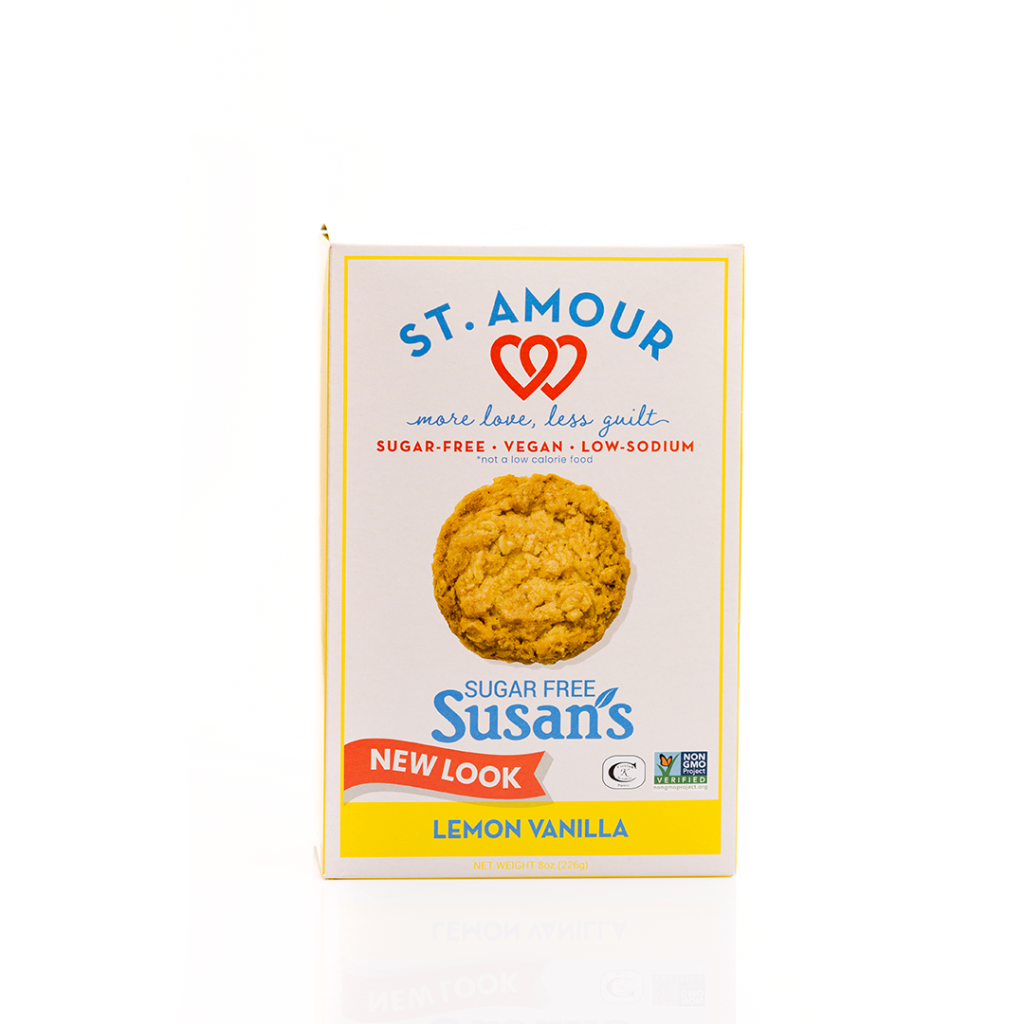
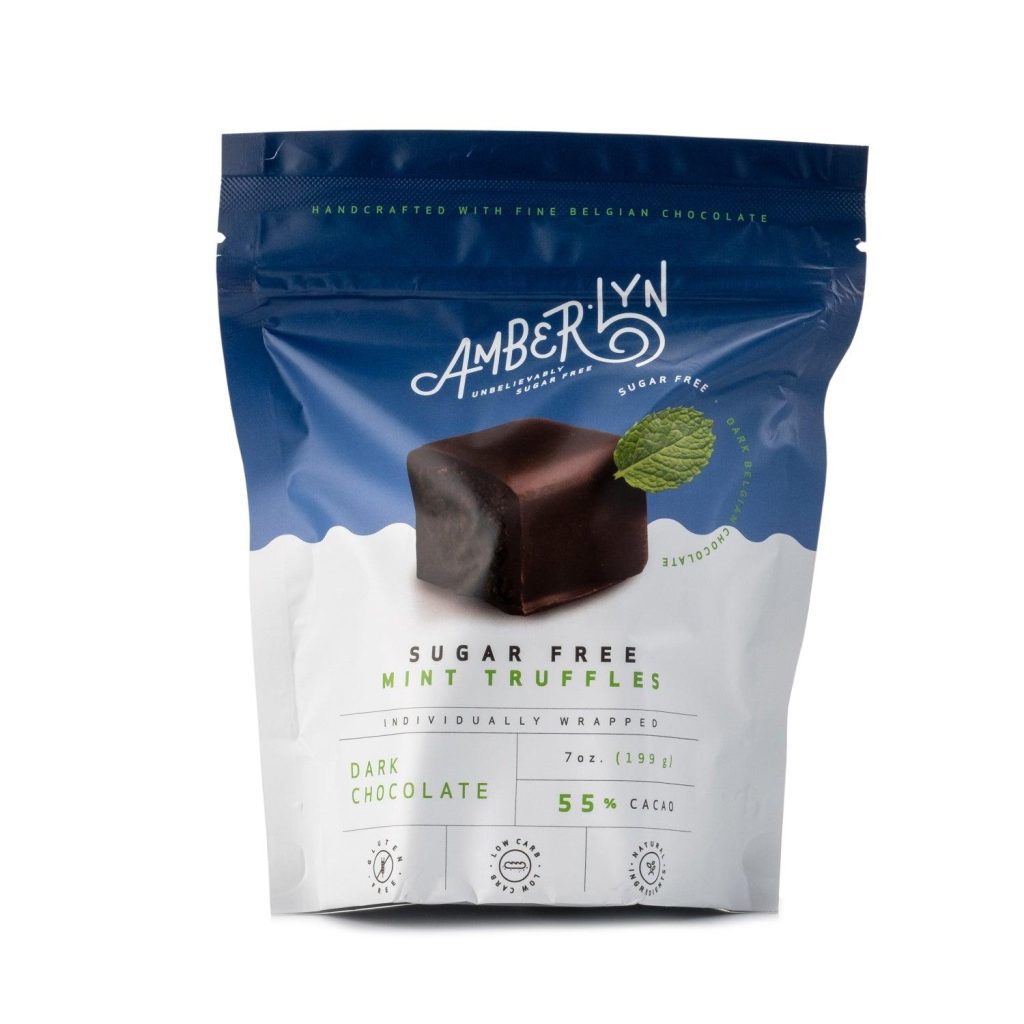
Healthy Options offers a variety of alternatives, from Healthy Options Sugar-Free Chocolate Chip Cookies for an afternoon snack, to St. Amour Triples Cookies, which are sugar-free, dairy-free, gluten-free, and vegan for sharing with family and friends. For those craving something sweet, Amberlyn’s Sugar-Free Belgian Chocolates offer portion-friendly treats, while other snacks like Pip’s Heirloom Sea Salt Mini Popcorn and Sweet Switch’s sugar-free gummies and mints provide convenient snack options for movie nights, commutes, or travel.
Customers can also turn to the Healthy Options store team for guidance while shopping. They can help shoppers navigate product labels and explore options based on their dietary preferences and needs, providing added support in making more informed choices in-store.
“There isn’t one definition of healthy because every person’s journey is different,” added Sia. “Our goal is to give customers the information, transparency, and product choices they need to make choices that work for their lifestyle. When people understand what’s on the label, they’re better equipped to choose foods that support their long-term wellness.” that work for their lifestyle. When people understand what’s on the label, they’re better equipped to choose foods that support their long-term wellness.
As conversations around GLP-1 therapies continue to encourage more intentional eating, one habit stands out regardless of whether someone is taking medication: understanding what’s inside the food we buy. By making nutrition information easier to navigate and offering carefully selected products that support a variety of dietary preferences, Healthy Options helps empower consumers to turn healthier intentions into smarter, everyday grocery decisions.
OPENING a bank account is often the first step toward achieving financial goals, whether it is saving for the future, growing a business, or managing everyday finances. By making that first step simpler, faster, and more accessible through digital onboarding, Union Bank of the Philippines has been recognized by Capital Finance International (CFI.co) as the Digital Onboarding Excellence Champion 2026 (Southeast Asia). The award recognizes UnionBank’s efforts to remove barriers to banking while balancing convenience, security, and human expertise in the customer experience.
CFI.co highlighted UnionBank’s customer-friendly onboarding journey, which features self-service applications, resumable forms, electronic identity verification, selfie liveness checks, and app-based account activation. These innovations allow customers to move from application to transaction within a single digital experience, making it easier and more convenient to start banking anytime, anywhere. The publication also noted how UnionBank thoughtfully balances ease of use with responsible verification measures, helping deliver a smooth onboarding experience while supporting a trusted and reliable banking environment.
“We are honored and humbled by CFI.co’s recognition. It affirms our belief that innovation should create meaningful value for our customers,” said UnionBank’s Digital Channels Head, AJ Atienza. “Every innovation we build starts with a simple question: how can we make banking easier, more accessible, and more relevant to our customers’ daily lives? Our goal has always been to bring banking closer to them, remove barriers, and help them unlock financial possibilities so they can live life on their own terms.”
Today, UnionBank’s digital onboarding capabilities support both individual and business customers, making it easier to access financial services through convenient and secure digital channels. From personal accounts and credit cards to payroll, investments, and business banking solutions, customers can begin and expand their banking journey anytime and anywhere. CFI.co recognized how the Bank has broadened its digital onboarding capabilities across these products, helping more customers access the services they need through a more convenient digital experience.
For individual customers, UnionBank’s digital platforms provide seamless access to savings and deposit accounts, fund transfers, bill payments, and personal financial solutions. Customers can also apply for credit cards through the website, track their application status through the mobile app, and monitor their spending to stay aligned with their financial goals.
This same commitment to convenience extends to entrepreneurs and businesses. Through the UB Negosyante App, aspiring entrepreneurs and small business owners can open a BizStarter Account fully online, without branch visits or paperwork, with just an initial deposit of P5,000. By simplifying business onboarding, UnionBank helps customers turn ideas into ventures and access the financial tools they need to grow.
As businesses scale, UnionBank continues to support their evolving needs through The Portal, the Bank’s online corporate and business banking platform. The Portal enables corporate clients to manage payments, payroll, and checks digitally, reducing paperwork and streamlining processes that once slowed day-to-day operations. Through these solutions, UnionBank helps businesses operate more efficiently while staying focused on growth.
“From our retail to our corporate clients, UnionBank aims to make the banking journey as simple as possible. We will keep investing in technology and talent to elevate the banking experience. By listening to our customers and developing products and services that matter in their daily lives, we aim to unlock more possibilities and help them live a life unlocked,” said Atienza.
The recognition reflects UnionBank’s continued focus on creating experiences that empower customers to bank on their own terms. By combining technology, security, and human expertise, the Bank continues to unlock simpler and more accessible ways for people to manage their finances, pursue their goals, and participate more confidently in the digital economy.
Union Bank of the Philippines is regulated by the Bangko Sentral ng Pilipinas (https://www.bsp.gov.ph). Deposits are insured by PDIC up to P1 Million per depositor. For more info, please visit our website or contact us at (+632) 8841-8600. For more information, visit the UnionBank website at www.unionbankph.com, or follow for updates on Facebook, X (formerly Twitter), Instagram, or YouTube.
