

BY JOHN DABLO & ANGEL SHAUN NONOL, /DSSC Interns
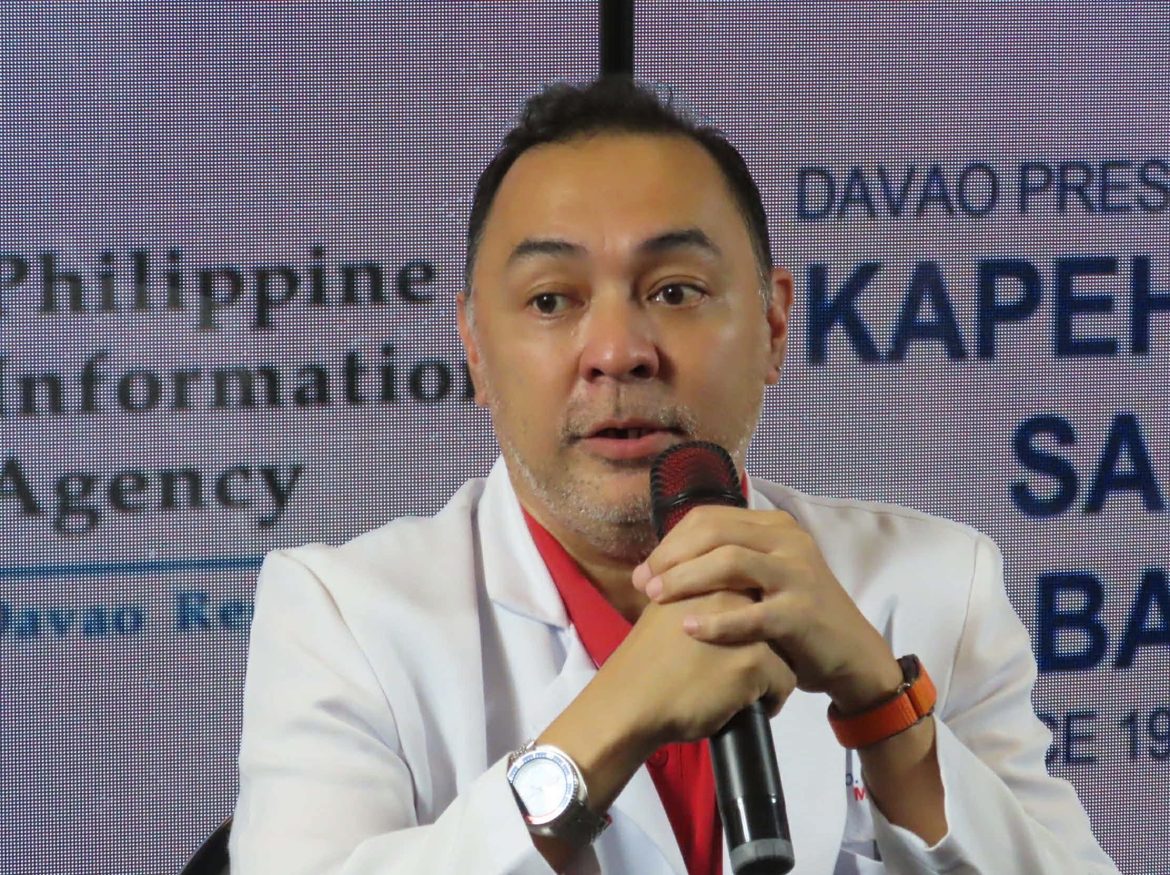
PATIENTS on organ transplant waitlists have a high risk of dying while waiting for lifesaving donors, with an increasing number of younger individuals now requiring transplants, according to Dr. Dennis Benjamin O. Geli, medical officer of Southern Philippines Medical Center’s SHARE Team.
Speaking during the Healthy Davao Media Forum held at SM City Davao, Geli underscored the urgent need to strengthen public awareness and education on organ donation.
He noted that despite the growing demand for organ transplants, the number of registered donors remains insufficient, leaving many patients waiting for organs that may never become available.
“Usually, mag hesitate sila mudawat or donate due to taboo or religious beliefs,” Geli said.
Most names on the donation waitlist are kidney patients who suffer from end-stage organ failure. Patients have to wait several months to years without assurance that they can have a compatible donor.
Reportedly, there are more than 400 individuals in need of kidney donors, according to the Department of Health.
Among the primary barriers to organ donation are the persistence of cultural beliefs, religious misconceptions, and misinformation, which discourage many individuals and families from consenting to organ donation.
He stressed that improving public understanding is essential to increasing donor registration and addressing the shortage of transplantable organs.
Geli also expressed concern over the increasing number of younger patients requiring organ transplants, particularly those suffering from kidney disease.
He explained that unhealthy lifestyle habits, including the excessive consumption of energy drinks, poor dietary practices, and other preventable risk factors, have contributed to the rising incidence of kidney-related illnesses among younger age groups.
Geli said that a single deceased donor, with prior consent or the approval of the donor’s family, can save multiple lives by donating vital organs such as the heart, lungs, liver, kidneys, and pancreas, while tissue donation can benefit many more recipients.
He further explained that organs intended for transplantation remain viable while they continue to receive oxygenated blood, making timely medical intervention and proper coordination among healthcare professionals critical to successful organ recovery and transplantation.
As the demand for organ transplants continues to rise, Geli called for stronger public education campaigns to dispel misconceptions surrounding organ donation and encourage more Filipinos to register as organ donors. He emphasized that increasing awareness, promoting informed consent, and fostering community support are vital steps toward reducing transplant waitlists and giving more patients the opportunity for a second chance at life.