
QUEZON CITY — The EcoWaste Coalition lauded the Food and Drug Administration (FDA) for disseminating toy safety reminders well ahead of the toy gift-giving season, which typically peaks in December during the Christmas season.
On June 30, or several months before the Christmas shopping spree, the FDA released Advisory No. 2026-0705 highlighting the importance of musical toys to children’s development and providing tips on safe procurement and use.
“Supporting the FDA’s recent toy safety reminder, we urge consumers to remain vigilant. Although legal requirements mandate safe toys for children, dangerous products without market authorization still slip through,” said Aileen Lucero, national coordinator, EcoWaste Coalition. “It is therefore very important for consumers to be guided and make careful choices to keep children safe.”
“Musical toys are designed to introduce children to sounds, rhythm, and music through simple and interactive play. Unlike musical instruments, musical toys are generally made from plastic or lightweight materials and are specifically designed to be safe, easy to use, and appropriate for children,” the FDA said. “These toys help stimulate creativity, improve cognitive and motor skills, and nurture a better appreciation for music at an early age.”
Inspired by the viral hit song “Hawak mo ang beat,” which translates to “you hold the beat” (or figuratively “you are in charge”), the FDA reminded the public to keep the B.E.A.T. in mind when buying musical and other toys:
B – Buy Smart. Purchase only from trusted brands or toy stores to help ensure product quality and safety.
E – Examine Parts. Regularly inspect toys for loose, damaged, or detachable small parts that may pose choking or injury hazards. Properly store toys after use.
A – Age-Appropriate. Choose toys appropriate for the child’s age, as seen in the product’s age grading
T – Tag Check. Always read and follow the full labels, instructions, and safety warnings before use.
While generally safe, some musical toys may pose safety hazards, the EcoWaste Coalition said.
Among the potential hazards to watch out for, the group said, are lead exposure from the lead paint used in some xylophone bars, internal burns from accessible button batteries in battery-powered musical toys, choking from the accidental ingestion of detached small components of maracas or tambourines, strangulation from toy musical instruments with long strings, and laceration from broken parts of musical toys made of brittle plastic.
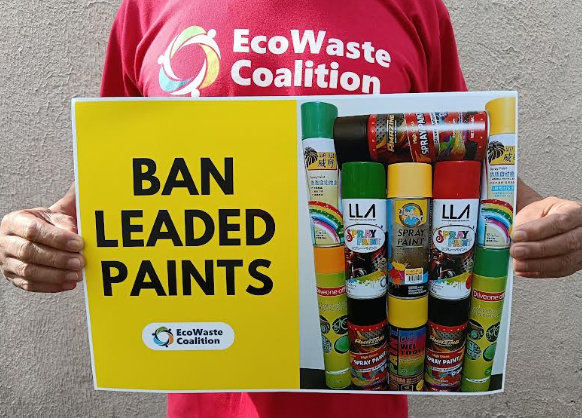
In particular, the EcoWaste Coalition warned against unauthorized toy xylophones with metallic bars coated with paints containing lead above the legal limit of 90 parts per million (ppm). In 2024, for example, the orange bar of a toy xylophone was analyzed and found to contain 5,710 ppm of lead. Previous analyses of these musical toys detected lead up to 14,100 ppm.
The group also cautioned against the presence of toxic brominated flame-retardant chemicals in black plastic recycled from electronic waste used in some musical toys. In 2020, the group detected 13,300 ppm of bromine in the black plastic component of a toy guitar.
To learn more about toy safety, the EcoWaste Coalition encouraged the public to get familiar with and apply the various toy safety awareness materials developed by the FDA, available on the FDA website.
ecowaste coalition
EcoWaste Coalition exposes mercury-laced skin lightening products for men
Quezon City. Manufacturers of dangerous skin-lightening products laced with mercury are targeting not only women, but also men.
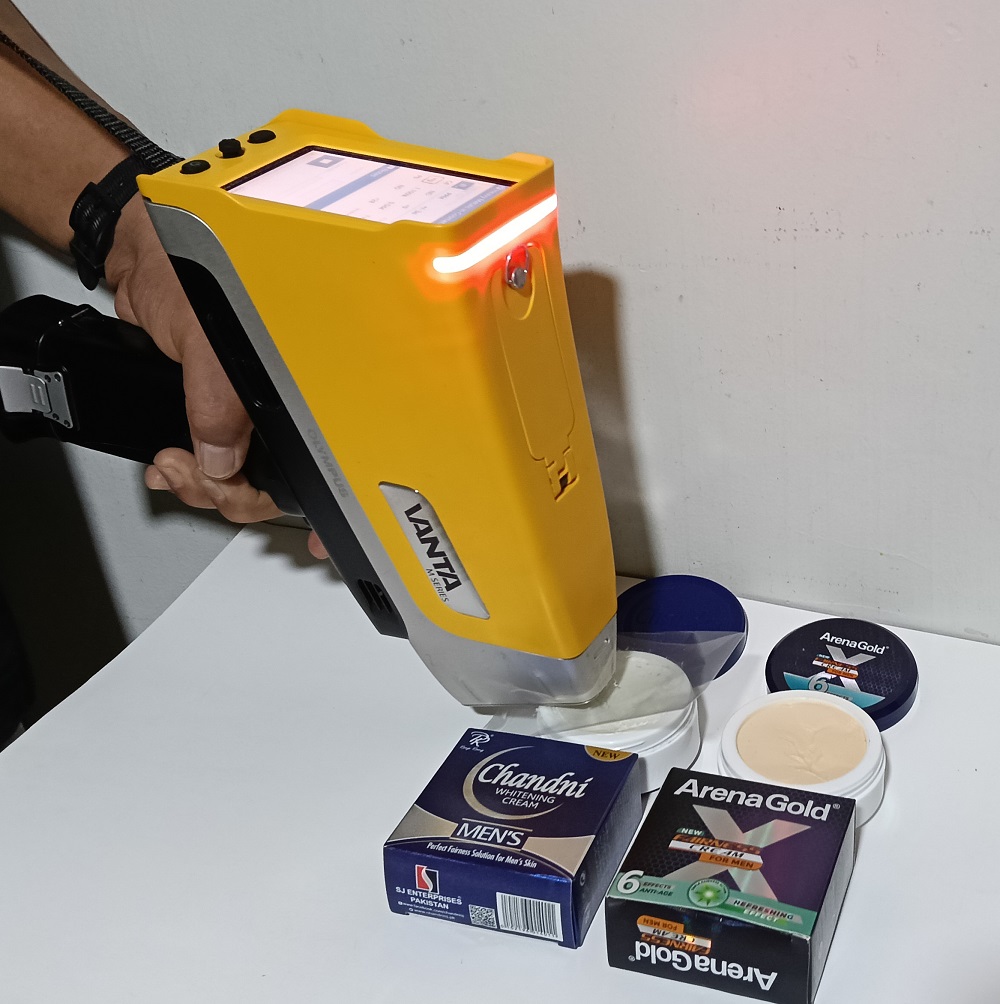
The toxics watchdog group EcoWaste Coalition made this observation after discovering two imported fairness creams for men sold online that contained high concentrations of mercury, a potent neurotoxin prohibited in cosmetic product formulations.
As more dangerous cosmetics appear on online marketplaces, the group is calling on e-commerce and social media platforms to remove listings for toxic, mercury-laced skin lighteners and to ensure online shopping is mercury-free.
Both Pakistan-made, Chandni Whitening Cream Men’s (blue packaging) and Arena Gold Fairness Cream for Men were found to contain 21,430 and 30,130 parts per million (ppm) of mercury based on the X-Ray Fluorescence (XRF) screening carried out by the group as part of its advocacy to protect public health and the environment from toxic chemicals.
The mercury levels of the analyzed Chandni and Arena Gold facial creams are in blatant violation of the global agreement to end mercury use in cosmetics, the EcoWaste Coalition pointed out.
Under the Minamata Convention on Mercury, parties are required to phase out the manufacture, import, and export of mercury-added cosmetics such as skin-lightening creams and soaps, with 2020 as the original phase-out deadline. In 2023, the Conference of the Parties agreed to ban the production and trade of all mercury-added cosmetics by 2025.
“Men using these unauthorized products to lighten their skin are unknowingly exposing themselves to mercury — a highly toxic chemical known to cause damage to neurological, renal, reproductive, and dermal health,” said Aileen Lucero, national coordinator, EcoWaste Coalition.
“Men, as well as women, using mercury-laden skin lighteners also expose and harm people around them. Babies, children, and other non-users can be badly affected by inhaling mercury vapors from adulterated products or by touching materials like beddings and towels contaminated with mercury,” she said.
Chandni Whitening Cream Men’s, advertised as the “perfect fairness solution for men, claims “regular use rejuvenates skin and provides a youthful glow.” It further claims it is “suitable for all skin types and does not cause any side effects” despite containing 21,430 ppm of mercury. This product was manufactured in May 2025.
Manufactured in June 2025, Arena Gold Fairness Cream for Men, as written on its label, “is a specialized skin formulated to match men’s lifestyle, deeply cleanses the tough men’s skin pores without leaving it dry.”
Both products list their ingredients on the packaging. However, mercury or its compounds were nowhere to be found on the list despite the high levels of mercury found in the analyzed samples.
As per the United Nations Environment Programme (UNEP), mercury is added to some skin-lightening products “to block the production of melanin, leading to lighter skin tones,” listing “kidney and liver damage, neurological problems, and developmental issues in children” among the health effects.
Symptoms of mercury exposure may include uncontrollable shaking, sudden personality shifts, trouble sleeping, and memory deterioration. It may also lead to hearing and vision problems, attention deficits, and altered taste. High exposure may result in renal failure.
To prevent mercury exposure through the use of adulterated skin lightening products, the EcoWaste Coalition urged consumers – women and men — to:
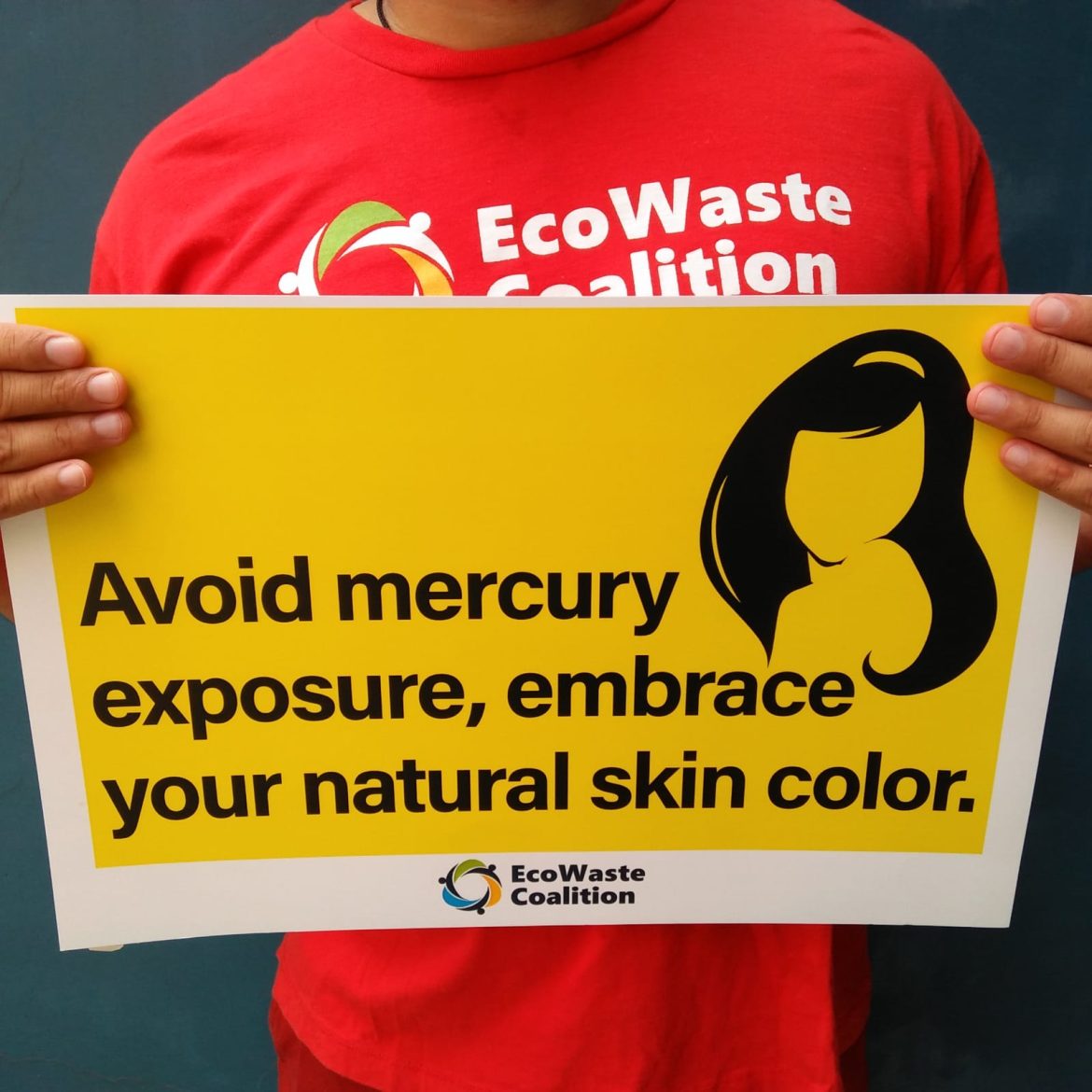
— Love the skin you are in and say no to skin bleaching, lightening, or whitening products;
— If the source of the product or its ingredients is unclear, do not buy or use it;
— Reject products with improper labels and those with information you do not understand;
— Use only FDA-authorized cosmetic products;
— Go to https://verification.fda.gov.ph/ before adding to cart or making a purchase;
— Get authorized cosmetics from reputable retail shops;
— Steer clear of unauthorized, banned, or flagged cosmetics; and
— Discontinue use of mercury-added cosmetics, dispose of them safely, and seek medical evaluation and advice.
EcoWaste Coalition holds ‘Usapang Lason’ to raise community awareness on common toxicants, promote poisoning avoidance
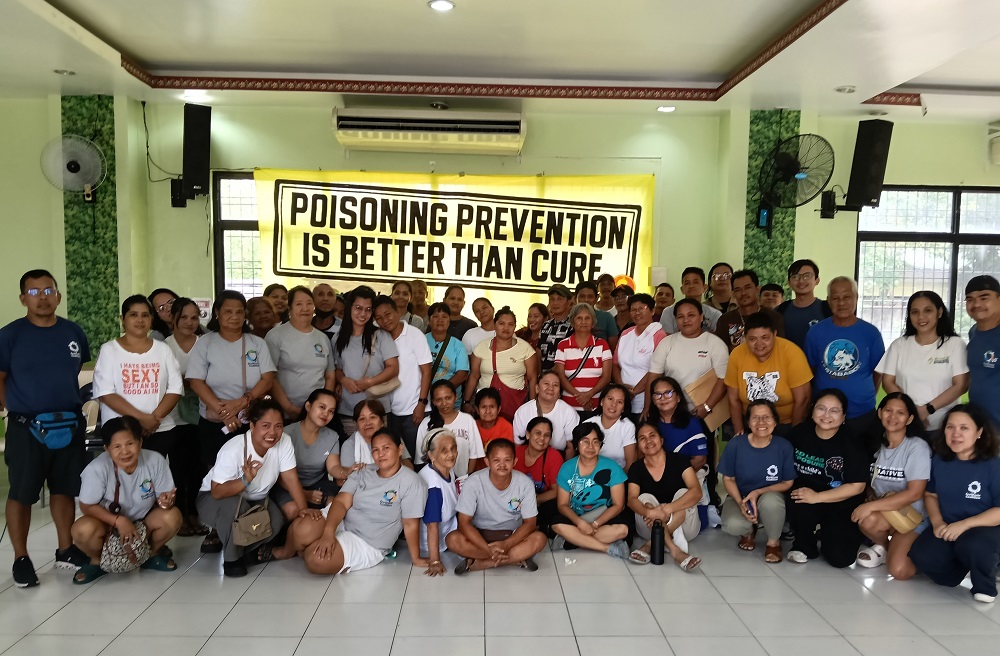
QUEZON CITY — “Prevention is better than cure.” At the “Usapang Lason” organized by the toxics watchdog group EcoWaste Coalition, community participants agreed that being informed about poison hazards and taking proactive steps to prevent poisoning incidents can save lives, help families stay well, and cut medical expenses.
To mark National Poison Prevention Week (NPPW), the organizers yesterday convened the “Usapang Lason” at the San Pablo Apostol Parish in Tondo, Manila. The activity stems from Proclamation No. 1777-2009, declaring the last week of June as NPPW to raise awareness about preventing poison hazards at home, school, work, and the general environment.
Over 50 community participants, including homemakers, informal waste recyclers, and e-waste dismantlers from the cities of Malabon, Manila, and Navotas, took a break from household and occupational chores to learn about common toxicants lurking in their homes and workplaces. Exposure to these toxicants may cause serious health problems. How sick a person gets depends on the type, amount, and duration of contact with the chemical, the person’s age, and state of health.
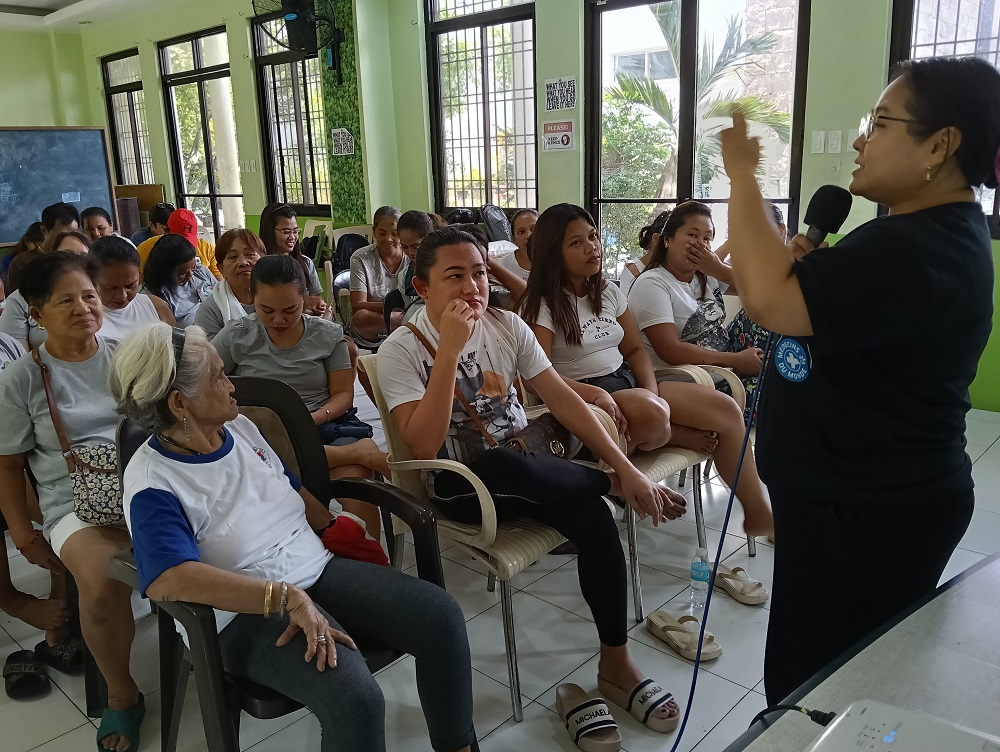
In her talk, “Bantay-Bahay, Bantay-Trabaho, Bantay-Buhay,” Dr. Charmaine Micu-Oblefias, consultant of the National Poison Management and Control Center (NPMCC), identified common poisons at home and work, offering the audience actionable prevention tips and instructions on how to respond if a poisoning occurs.
A clinical toxicologist for children and adults, she pinpointed common domestic sources of poisoning, flagging items like household cleaning agents, pesticides, medicines, fuels, and gases, and decanted hazardous substances.

Regarding common poison hazards at work, especially for those dealing with electronic waste or e-waste, Micu-Oblefias pointed out that “constant exposure to invisible dust, fumes, and chemical residues silently damages the lungs, skin, kidneys, and nervous system.” Among the chemicals of concern are noxious fumes from burning wires and circuit boards, lead in old paint, wire casings and solder, mercury released from broken fluorescent lamps, acids and cadmium, leaking from dismantled batteries, and hazardous solvents in degreasers and thinners.
During the Usapang Lason, the participants learned about “the three shields of safety” based on the acronyms LASON, IWAS, and TAWAG, noting that the use of a mnemonic provides an easy-to-remember framework to prevent poisoning and promote informed emergency response.
Shield 1 LASON addresses poisoning prevention at home. “L” stands for labeling containers (note: never reuse food or drink bottles for chemicals); “A” is for “alisin” or removing hazardous articles out of children’s reach; “S” is for separating chemicals from food, rice or medicines; “O” is for observing warning signs like strange smells, leaks or sudden dizziness; and “N” is for numbers, or keeping the emergency hotline numbers of the poison control center, barangay health unit, and nearest hospitals handy. The NPMCC, based at the Philippine General Hospital, can be reached at 09667189904.
Shied 2 IWAS protects e-waste workers from occupational exposures. “I” is for isolating or separating hazardous waste such as batteries, bulbs, chemicals, and sharp items. “W” is for wearing protection such as gloves, masks, closed shoes, and protective eyewear. “A” is for avoiding burning cable to remove the copper or sniffing bottles to identify unknown liquids. And “S” is for safe disposal.
Shield 3 TAWAG provides guidance on what to do in case of suspected poisoning. “T” is for “tanggalin” or removing the victim away from the chemical source, smoke or contaminated arear; “A” is for “alamin” or assessing the cause of poisoning incident, for example, what was swallowed or inhaled, how much and when; “W” is for “wag pasukahin” or never force vomiting; “A” is for “agarang banlaw” or rinse immediately with clean running water and remove contaminated clothing; and “G” for go or call for help, noting the importance of bringing the chemical container or a photo of it.
During the open forum, participants raised specific concerns on best-before and expiry dates, pharmaceutical waste disposal, hazards of vaping, alternative ways of cleaning silver jewelry, safe management of e-waste, etc., eliciting a lively sharing of experiences and perspectives
Among those who came for the learning session on poison hazards and poisoning prevention were the representatives of the Nagkakaisang Lakas ng Mangangalakal sa Longos (NLML), Pagkakaisa ng Mamamayan sa Barangay Dampalit (PMBD), Samahan ng mga Mangangalakal ng Scrap sa Capulong (SMNC), Samahan ng Mamamayan-Zone One Tondo Inc. (SM-ZOTO), Sambayanan ng Muling Pagkabuhay Multi-Purpose Cooperative (SMPMPC), Justice, Peace and Integrity of Creation Ministry of the Parish of the Risen Christ, San Pablo Apostol Parish, and the staff of the EcoWaste Coalition.
EcoWaste Coalition flags lead exposure risks in some back-to-school supplies
QUEZON CITY — Hazardous chemicals like lead, which harm developing brains, must not be used in children’s products, including backpacks and other school supplies.
The toxics watchdog group EcoWaste Coalition reiterated the importance of keeping lead and other harmful substances out of children’s products as the academic year 2026-2027 commences on June 8.
“As no amount of lead exposure is without risk, manufacturers and regulators must eliminate all avoidable sources of lead exposure in products marketed for children’s use so they can grow up healthy and safe,” said Aileen Lucero, national coordinator, EcoWaste Coalition. “Labeling information on chemicals in children’s products must also be made mandatory to guide consumers in making sound choices. Consumers have the right to know what they are spending on and be protected against toxic exposure.”
“Children face a higher risk from toxic chemicals because they breathe, eat, and drink more relative to their body size than adults do; they frequently put things in their mouths, and their bodies and immune systems are still developing. Their neurological systems are especially vulnerable during these critical windows of growth — damage done early can have lifelong consequences,” said environmental health specialist Dr. Geminn Louis Apostol of the Ateneo Center for Research and Innovation (ACRI). “Because of their inherent vulnerability, children require special protection against lead, heavy metals, and other harmful chemicals found in their homes, schools, and communities.”
“Protecting children from toxic exposure is not just a health issue — it is a matter of justice and our collective responsibility to future generations,” Apostol emphasized.
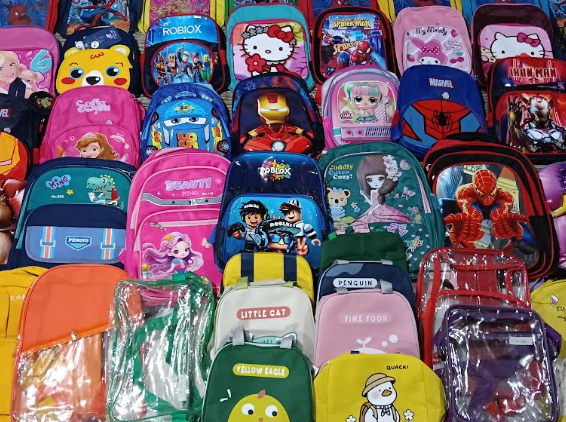
To hammer its message home, the EcoWaste Coalition revealed that it has detected potential lead exposure risks in some popular back-to-school essentials it recently purchased from retailers in Caloocan, Manila, and Quezon Cities as part of its ongoing advocacy to uphold children’s right to a healthy, toxics-free environment.
A total of 69 products were procured and screened for heavy metals using an X-Ray Fluorescence (XRF) analyzer, including 46 backpacks, 11 lunch bags, 6 stainless steel tumblers, and 6 polyvinyl chloride (PVC) plastic raincoats.
Backpacks. Out of 46 backpacks, 36 were identified as posing lead exposure risks because they contained lead levels as high as 30,320 parts per million (ppm), way above legal limits. Specifically, lead levels varying from 110 to 3,026 ppm were detected on the colored fabric or PVC plastic design of 22 backpacks. Also, the zipper sliders and pull tabs of 17 backpacks contained lead ranging from 12,040 to 30,320 ppm. Only one of these backpacks provided labeling information, but in foreign characters; the rest were totally unlabelled.
Lunch bags. Of the 11 lunch bags, 7 were found to contain lead up to 25,670 ppm. Lead levels between 238 and 509 ppm were detected on the colored fabric or PVC plastic design of 3 lunch bags. Zipper sliders and pull tabs of 6 lunch bags also contained 13,360 to 25,670 ppm of lead. Nine of these lunch bags had zero labeling information.
Tumblers. Of the 6 stainless steel tumblers, one was found coated with lead-containing green paint, measured at 64,620 ppm. While no lead was detected in the exterior paint of the other tumblers, lead levels ranging from 37,530 to over 100,000 ppm were found in the solder dot at the base of 5 tumblers. This area poses a potential exposure risk if the covering sticker is peeled off. None of the six tumblers carried basic labeling information.
Philippine and US laws limit lead in paints to a maximum of 90 ppm, while US law prohibits accessible components of children’s products, such as zipper teeth, pulls, and sliders, from containing more than 100 ppm of lead.
Raincoats. Additionally, toxic cadmium up to 205 ppm was detected in all six PVC plastic raincoats. Cadmium up to 487 ppm was also detected in 13 backpacks, such as those made of clear PVC plastic.
European laws limit cadmium in plastic to no greater than 100 ppm.
To protect children’s health and safety, the EcoWaste Coalition urged the authorities to strictly regulate and monitor products marketed for children’s use, noting that strong and enforced regulations can help prevent lifelong health problems. The group called on policy makers and implementers to:
– Review, strengthen, and expand current regulations on lead and other harmful substances in children’s products.
– Fix policy gaps, such as banning lead in accessible parts of any children’s products.
– Prohibit use of PVC plastic in children’s products to prevent exposure to toxic chemical additives, particularly cadmium and phthalates.
– Require mandatory labeling information for all children’s products, including chemical composition and hazard warnings.
“As classes begin, we hope our children step into healthy, safe, and toxics-free spaces in school and at home where they can truly develop and flourish,” the EcoWaste Coalition concluded.
Environmental groups heighten advocacy for phthalates and bisphenols regulations
ECOWASTE Coalition and the Ateneo Center for Research and Innovation (ACRI) released a situation report exposing the health risks of phthalates and bisphenols in the daily lives of Filipinos.
The report, co-published by ACRI, EcoWaste Coalition, Interfacing Development Interventions for Sustainability (IDIS), and Arugaan, revealed that the two groups of chemical additives are known to be “endocrine-disturbing chemicals” (EDCs) that can change hormonal balance at minimal doses.
This is also in support of the International Pollutants Elimination Network (IPEN), contributing to a multi-country effort documenting situations on phthalates and bisphenol to push for stricter local and global regulations.
During the Kapehan sa Dabaw on Monday, Jun 1, Manny Calonzo, campaigner for EcoWaste Coalition, said they have observed the limitations of the current regulations on both chemicals in the Philippines.
Phtalates are found in toys, food packaging, medical devices, flooring, and construction materials, while bisphenols, the most common bisphenol A, are used in polycarbonate plastics, epoxy resin linings, and thermal paper coatings.
Exposures from these chemicals involve reproductive disorders, neurodevelopmental harm in children, metabolic disease, and cardiovascular mortality.
The Department of Health (DOH) and the Food and Drug Administration (FDA) had banned the use of BPA on infant products under FDA Circular No. 2019-004. However, alternatives such as BPS and BPF are overlooked or unmonitored.
Brigada Eskwela 2026: EcoWaste Coalition Promotes Pollution Prevention and Reduction for Cleaner and Safer Schools
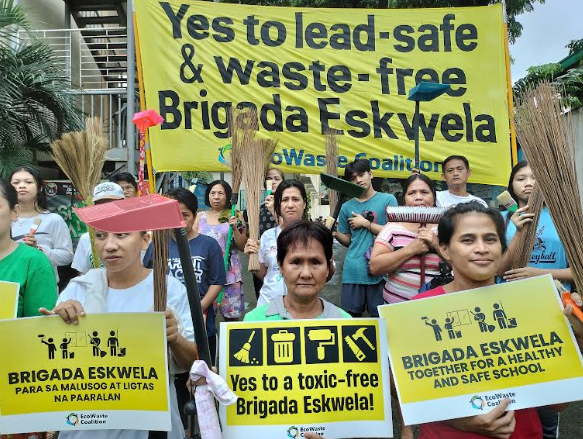
QUEZON CITY — With the school community gearing up for Brigada Eskwela, an environmental watchdog group offered ecological tips to prevent and reduce pollution during the pre-school cleanup drives.
To ensure cleaner and safer schools, the EcoWaste Coalition prompted principals, teachers, parents, and community members to prioritize pollution prevention as they join hands in sprucing up public schools before classes start.
“Adopting these tips guarantees cleaner, safer school environments by minimizing waste and preventing toxic exposure during Brigada Eskwela and afterward,” said Ochie Tolentino, zero waste campaigner, EcoWaste Coalition.
To prevent and reduce environmental pollutants, the EcoWaste Coalition encouraged Brigada Eskwela stakeholders to consider the following tips:
1. Maximize the use of social media to reach out to the school community. Avoid the use of plastic tarpaulins, which may contain toxic cadmium and/or lead, for Brigada Eskwela and other school announcements. If banners are preferred, opt for coconut or taffeta cloth.
2. Enforce the ban on smoking and vaping in school premises in line with DepEd Order No. 48, series of 2016, DepEd Memorandum No. 111, series of 2019, and other related issuances.
3. Encourage participants to go plastic-free: bring food and water in reusable containers, and refrain from bringing single-use plastics into the school.
4. Obey the ban on open burning and open dumping; abide by the requirements of RA No. 9003, or the Ecological Solid Waste Management Act.
5. Sort, do not mix, discards from cleanup efforts to facilitate their reuse, recycling, or composting, and cut the volume of garbage for disposal.
6. Compost yard trimmings and biodegradable discards in the school composting area to produce natural fertilizer or soil enhancer for the school garden.
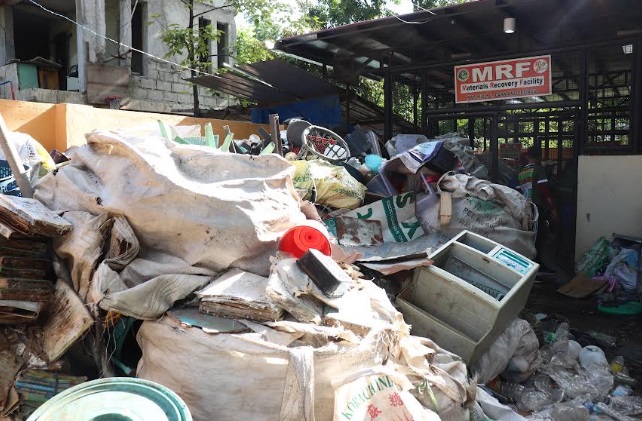
7. Clean up the school’s Materials Recovery Facility (MRF); clean the containers or segregators and label them accordingly; assign a separate container for special waste such as fluorescent lamps and other hazardous waste.
8. Handle busted mercury-containing fluorescent lamps with care to prevent breakage; do not burn or mix such lamps with ordinary trash; properly store and dispose of them as hazardous waste; replace them with mercury-free and more energy-efficient LED lights with ICC stickers or PS marks.
9. Segregate non-functional computers, defective gadgets, broken appliances, spent batteries, and other electronic waste or e-waste for safe storage, recycling, or disposal.
10. Choose safer cleaning supplies instead of harsh chemicals like oxalic or muriatic acid, which can burn your eyes, skin, and lungs. Always check product labels for warning symbols and follow the safety directions carefully. Never combine bleach with ammonia or acids to avoid toxic fumes.
11. Ensure mandatory use of lead-safe paints, as required by DepEd Order No. 4, series of 2017, in decorating classrooms, doors, windows, chairs, tables, and cabinets, library, canteen, covered court, playground, play equipment, fences, gates, and other school structures.
12. Avoid dry sanding, dry scraping, and other improper methods of removing lead-painted surfaces to prevent the spread of hazardous lead dust and paint chips.
13. Wipe down all surfaces, including floors, windows, frames, sills, and furniture, with a damp mop or cloth to remove dust. Wash the mop or rag thoroughly afterward.
“The EcoWaste Coalition wishes DepEd and all schools nationwide a united, waste-free, and pollution-free Brigada Eskwela,” Tolentino concluded.
EcoWaste Coalition: Check Landfills Integrity, Step Up Waste Prevention and Reduction
QUEZON CITY — The EcoWaste Coalition called on the national and local governments to fully check the integrity of existing landfills nationwide, penalize violations, and order immediate remedial measures to prevent deadly disasters that are waiting to happen.
The network of public interest groups advocating for a zero-waste and toxics-free society aired the appeal following the garbage slide at the Davao City Sanitary Landfill that resulted in one fatality, two injured persons, and two others still unaccounted for.
The Interfacing Development Interventions for Sustainability (IDIS), a member of the EcoWaste Coalition, had earlier commented that “the tragedy reflects the challenges of increasing volume of waste generated and disposed of in our landfills everyday,” adding “this incident highlights the importance of a strong integrated waste management system that prioritizes waste reductions, segregation at source, recycling, composting, and responsible disposal to prevent similar incidents from happening again.”
“We urge the authorities to assess the compliance of all landfills to mandatory regulations on waste segregation and acceptance, daily soil cover, containment engineering, slope stabilization, leachate, water quality, and gas monitoring, emergency preparedness, occupational safety and health, and other requirements, ensuring that all violations are identified, penalized, and fixed,” said Ochie Tolentino, Zero Waste Campaigner, EcoWaste Coalition. “We cannot just wait for the next landfill collapse, fire, leachate overflow, and gas explosion to claim more lives and aggravate social injustice and environmental pollution.”
According to the group, the string of landfill disasters in Cebu City, Montalban (Rizal), Navotas City, and Davao City unmasked the inadequacy of current policies centered on managing trash rather than stopping it, and the need to move away from unsustainable, end-of-pipe solutions to the waste crisis.
“The volume and toxicity of the waste we generate continue to surge because our policies tend to favor disposal over prevention. While RA 9003, or the Ecological Solid Waste Management Act, mandates waste avoidance, segregation at source, and other best practices, national and local implementation is weak,” noted Aileen Lucero, National Coordinator, EcoWaste Coalition. “Furthermore, gaps in RA 11898, or the Extended Producer Responsibility Act, fail to curb overproduction of plastics, allowing a continuous reliance on single-use packaging.”
To reduce waste volume, halt landfill dependence, and avoid the waste-to-energy (WtE) incineration trap, the EcoWaste Coalition reiterated its call for the genuine enforcement of RA 9003 and the adoption of strong policies to eradicate waste at source, such as banning single-use plastics, ensuring efficient organics management, and keeping compostable and recyclable resources out of both landfills and incinerators, prioritize investments on people-centered solutions, and ensure safe, socially just and sustainable livelihoods for waste workers.
EcoWaste Coalition to police: Drop charges vs Greenpeace activists
QUEZON CITY — The EcoWaste Coalition has condemned the arrest and detention of four Filipino activists from Greenpeace Southeast Asia on May 8 after peaceably calling on the ASEAN leaders to end plastic pollution and the region’s dependence on fossil fuels. The activists were subsequently released by the Lapu-Lapu City Police on May 9, but were charged for allegedly violating the Public Assembly Act of 1985.
“Unlike industrial polluters and corrupt politicians, the Greenpeace activists inflicted no harm to the planet, people, and wildlife with their peaceful, non-violent action. Instead of charging them, they should be honored for raising the people’s demand for real, not cosmetic, solutions to the waste and plastic problems affecting our nations and citizens,” said Aileen Lucero, National Coordinator, EcoWaste Coalition.
“We call on the police to acknowledge the efforts of the activists to protect Mother Earth and drop all charges without condition,” she emphasized.
“We stand with Greenpeace Philippines, a founding convenor of the EcoWaste Coalition, in pushing the ASEAN to deal with the plastic pollution crisis at source and move the regional bloc away from fossil dependence that fuels the plastic and climate crisis,” Lucero added. “Strong global, regional and national measures need to be crafted and enforced to cut plastic production and use, eliminate toxic chemicals, hold polluters accountable, and speed up a just transition to fossil fuels-, toxics-, and plastics-free future.”
Recent landfill disasters in Cebu, Rizal, and Navotas highlight the fatal flaws of a disposal-centric waste system in the Philippines and Southeast Asia, the EcoWaste Coalition stated. The group called for an urgent shift toward sustainable, people-centered solutions, rejecting further investment in conventional landfills and waste-to-energy incinerators.
“While ASEAN leaders spoke of resilience, sustainability, and regional cooperation inside the summit, peaceful activists calling out the root causes of the climate and plastic crises were detained outside it. The arrests expose the widening gap between ASEAN leaders’ rhetoric and the realities facing communities across Southeast Asia, who continue to bear the brunt of worsening plastic pollution, climate disasters, toxic pollution, and fossil fuel dependence,” said Mariann Ledesma, Zero Waste Campaigner, Greenpeace Philippines.
“Activism is not a crime, and peaceful protest is not a threat to democracy. Demanding accountability from governments and corporate polluters is not a crime. President Marcos Jr. himself has repeatedly spoken about a ‘whole-of-society’ approach in addressing crises. A truly people-centered approach means listening to those calling attention to the serious problems facing our country today, instead of responding to them with criminal charges. Governments should not fear young people, communities, and environmental defenders speaking out,” she said.
“We call for the immediate dropping of charges against the activists and urge Philippine authorities to uphold the rights to free expression and peaceful protest. The real threat to Southeast Asia is not activism, but the continued failure of leaders to confront the corporations, systems, and injustices driving climate destruction, plastic pollution, and deepening social inequality across the region,” Ledesma concluded.
Ahead of Mother’s Day: EcoWaste Coalition slams mercury-added cosmetics that threaten maternal and child health
QEZON CITY — Ahead of the special day honoring mothers and mother figures, the EcoWaste Coalition criticized those behind the illegal production and propagation of skin care cosmetics laced with mercury, which can put the health of women and their families at grave risk.
“As Mother’s Day is celebrated, we call out defiant manufacturers, importers, distributors, and retailers, including online sellers and content creators, who continue to flout the global ban on mercury-added products that are marketed to lighten the skin tone, remove age spots, blemishes, freckles, and wrinkles, and achieve youthful, glowing skin,” said Aileen Lucero, national coordinator, EcoWaste Coalition. “These cosmetics pose mercury exposure risks to women and their families, children in particular, who may also be harmed through contaminated air and articles.”
Despite the global ban under the Minamata Convention on Mercury, as well as the regional ban under the ASEAN Cosmetic Directive, the illegal production and trade of such perilous products continues with impunity, the group pointed out.
To highlight the unrelenting threat posed by such cosmetics, the EcoWaste Coalition announced its discovery of another mercury-contaminated product imported from Pakistan: Biocos Beauty Cream with Emergency Whitening Serum and Soap, which is sold locally.
The group obtained the “new 3-in1 formula pack” manufactured in February 2025 from a local online seller for P248 per set.
Despite the product insert’s claim that Biocos Beauty Cream is “free from toxic and substandard substances,” chemical screening by the EcoWaste Coalition showed dangerous amounts of mercury.
According to the X-Ray-Fluorescence (XRF) screening result, the product contains 19,610 parts per million (ppm) of mercury!
“Using just one pack of Biocos Beauty Cream can lighten and protect your skin,” the packaging says, claiming further, “it is a small price to pay for the health of your skin.”
“Nothing could be further from the truth,” exclaimed Lucero.
Health authorities, including the Food and Drug Administration (FDA) and the World Health Organization (WHO), have long recognized the adverse impacts of mercury-contaminated cosmetics, such as rashes, scarring, and uneven skin color, reduced skin resistance to bacterial and fungal infections, and damage to the kidneys, brain, and nervous system, among other health problems.
Pregnant women using tainted cosmetics may unknowingly poison babies in their wombs, as mercury is known to cross the placenta and accumulate in fetal tissues, causing permanent neurological damage in children.
Moreover, mercury in tainted skin lightening products is released into the wastewater when washed off or disposed of, contaminating the marine environment and the food supply.
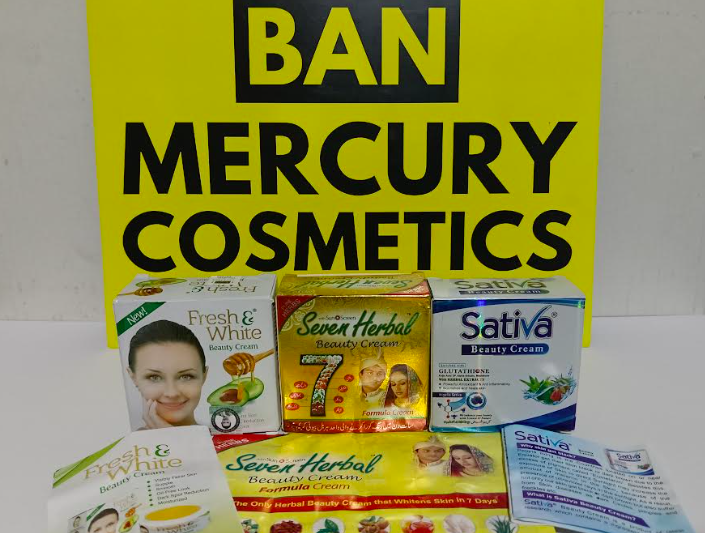
Through its ongoing market surveillance across digital and physical storefronts, the EcoWaste Coalition has identified 36 Pakistan-made beauty creams containing mercury. Driven by its vision for a zero waste and toxics-free society, the group has also consistently exposed mercury-laced skin lightening products from China, Hong Kong, Taiwan, Indonesia, and Thailand.
EcoWaste Coalition finds mercury in another facial cream as Pakistan cracks down on toxic beauty products
QUEZON CITY — The toxics watchdog group EcoWaste Coalition flagged the online sale of another skin lightening product from Pakistan that promises “instant skin glow for luminous and radiant complexion.” The group warned that the product contains mercury, a highly hazardous chemical banned in cosmetics as per the Minamata Convention on Mercury.
Purchased by the group through Shopee for P200, the newly-made Parley 24K Gold Gleam Beauty Cream produced on March 2, 2026, screened positive for mercury and arsenic at 939 and 55 parts per million (ppm), respectively, based on the X-Ray Fluorescence (XRF) screening conducted. Arsenic and mercury are nowhere to be found in the product’s list of ingredients.
The product deceptively carries the Pakistan Standards Quality Mark, which is supposedly to indicate conformity to established standards, specifically Pakistan Standard Specification No. 3228:2025 on safety limits for cosmetics.
Incidentally, the product is among the six beauty creams whose licenses were recently suspended by the Pakistan Standards and Quality Control Authority (PSQCA) for failing to “meet the required safety and quality specifications, with concerns linked to mercury, arsenic, and microbiological contamination,” as tested by the Pakistan Council of Scientific and Industrial Research (PCSIR).
“We urge online consumers to be extra cautious when buying skin lightening products as some of them may contain mercury and other hazardous substances, which pose a real danger to users and to their families, as others can be exposed through contaminated items and vapors,” said Aileen Lucero, national coordinator, EcoWaste Coalition. “We demand that e-commerce and social media platforms take down illegal product listings for such dangerous products.“
“We hope the PSQCA-led crackdown on toxic beauty creams in Pakistan intensifies until the local manufacturing and global trade of these dangerous products are permanently halted,” she added.
Aside from Parley, the PSQCA also suspended the licenses of Goree Beauty Cream, Face Fresh Beauty Cream, and Golden Pearl Beauty Cream, which can be easily obtained in online or physical stores. On the occasion of World Health Day last April 7, the EcoWaste Coalition reported detecting high levels of mercury in these three products measured at 27,600 ppm, 20,510 ppm, and 17,580 ppm, respectively.
According to the Pakistani authorities, “these substances pose serious health risks and can lead to skin damage and other medical complications.”
Parley 24K Gold Gleam Beauty Cream, as stated on the label, has “added gold dust and natural anti-oxidants,” claiming it “not only brightens the skin tone, it also makes you feel younger and beautiful.”
Despite the health risks, the product claims it has “no side effects.” Consumers are even told they “can use it regularly for a long time to keep skin fair and lovely.”
The EcoWaste Coalition again reminded consumers not to be deceived by such claims and promises. Instead, the group called for the rejection of chemical whiteners and the acceptance of natural skin tone, noting there is beauty in all skin colors.