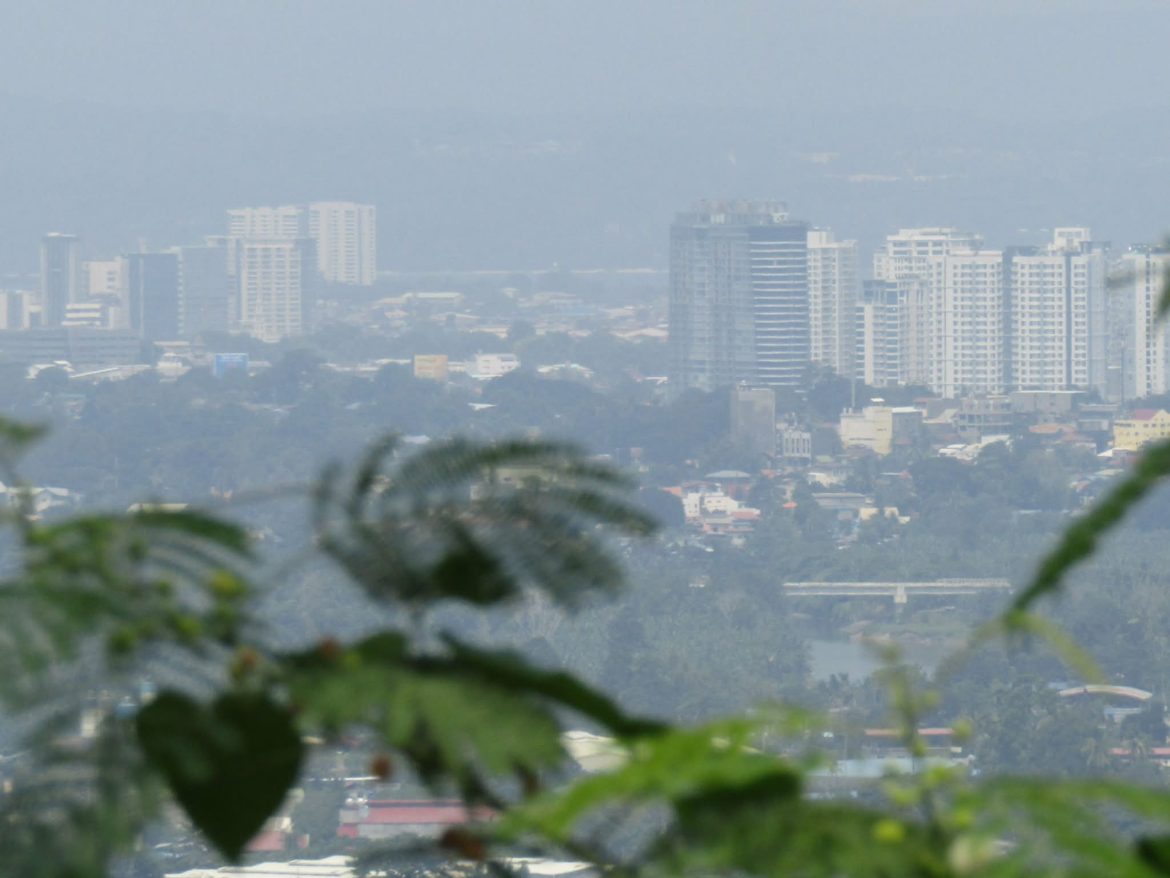

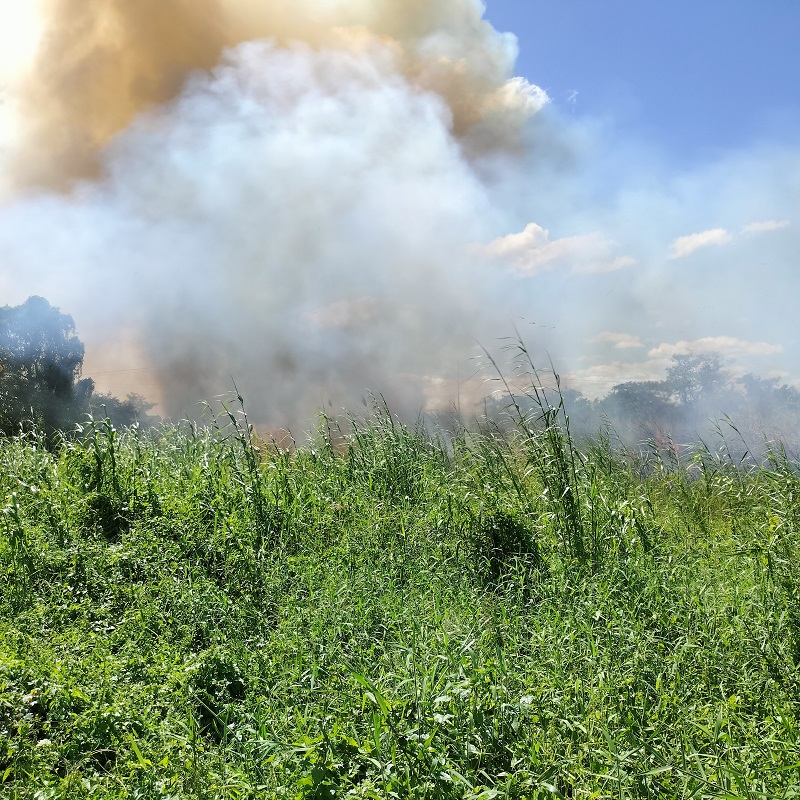
DAVAO CITY — As haze is observed in some parts of the country due to ongoing forest and peatland fires in Kalimantan, Indonesia, two environmental organizations reminded the public not to burn dry leaves and twigs, crop waste, and household trash to avoid aggravating air quality.
“Open burning, a prohibited act under RA 9003, produces particulate matter 10 and 2.5 and other environmental contaminants, including highly toxic dioxins, that can severely affect the air quality and pose adverse health effects,” said Atty. Mark Peñalver, executive director of Interfacing Development Interventions for Sustainability (IDIS).
“While we cannot extinguish the haze-causing fires in Indonesia, we can avoid exacerbating its effects by properly managing our discards and not burning them.”
“We appeal to all waste generators not to set farm and household waste on fire and to abide by RA 9003, so as not to aggravate the air quality due to the transboundary haze,” said Aileen Lucero, national coordinator of the EcoWaste Coalition based in Quezon City.
“We also ask the authorities to closely monitor the operations of existing disposal sites and the rehabilitation of closed dumps to prevent spontaneous landfill fires from occurring, which can get out of hand and cause massive pollution like what happened in the Navotas landfill last April and May.
”Haze triggered by Indonesian forest and peatland fires keeps returning to plague the ASEAN region, hitting levels not seen since the major El Niño of 2015 when Southeast Asian haze choked Mindanao for two weeks.
While air quality in monitored areas of the Davao Region “remains acceptable for the general public,” according to the Air Quality Update released on September 13 by the Environmental Management Bureau (EMB), there were days when PM2.5 concentrations dangerously soared because of transboundary haze from Indonesia.
Calinan ambient air monitoring station, for example, recorded “very unhealthy” levels on September 8 and 9.
In Metro Manila, the Ateneo Center for Research and Innovation (ACRI) and Breathe Metro Manila (BMM) reported that air quality reached “acutely unhealthy levels” from August 30 to September 2 due to the cross-border haze. The situation improved due to southwest monsoon (habagat) rains, which helped clean the air, washing out fine particles and smog.
Both IDIS and the EcoWaste Coalition expressed support for continued and expanded air quality monitoring and the dissemination of timely health advisories, especially in September, which is a critical period for the drought-driven fire season in Indonesian forests and peatlands.
The two groups urged national and local authorities to enforce all air quality protection regulations and measures to uphold the human right to breathe clean air, noting that children, senior citizens, pregnant women, and people with long-term heart or lung sickness face the highest risk from polluted air.