

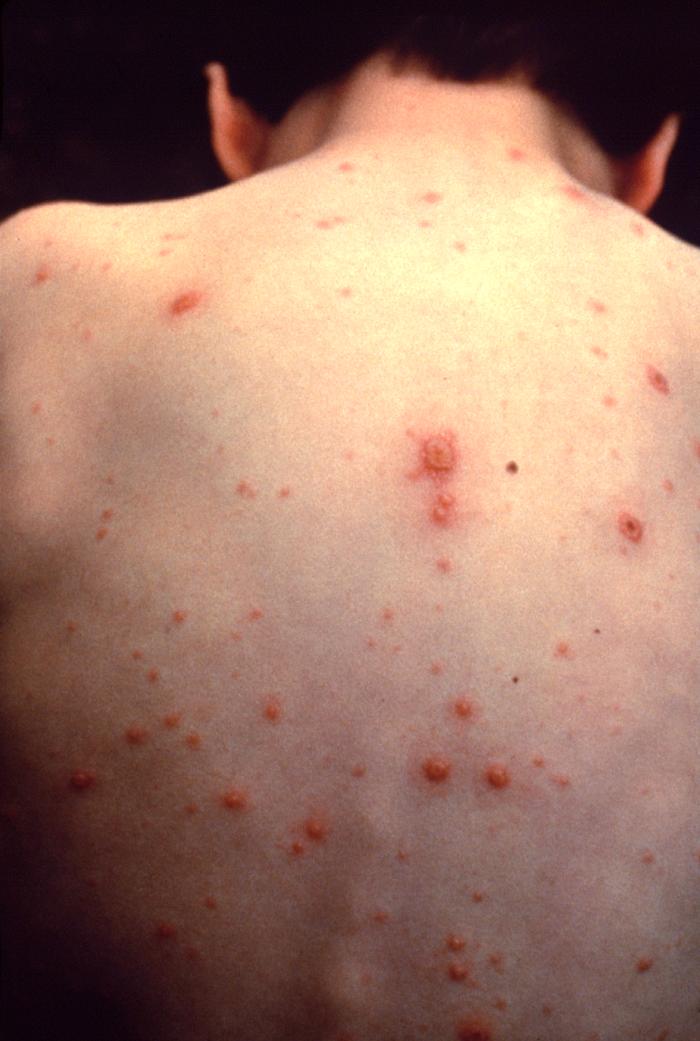
- Chickenpox cases in Davao City up 51%, cases mostly in schools
THE CITY Health Office (CHO) has recorded a sharp rise in chickenpox cases among students this year, renewing calls for schools to isolate symptomatic students.
Farah May Clamor, section head of the CHO’s City Epidemiology and Surveillance Unit, reiterated strict observance of home quarantine protocols to prevent the spread of the disease.
CHO logged 62 chickenpox cases in schools from January to August this year, up from 41 cases recorded during the same period last year.
Clamor said chickenpox is highly contagious and spreads more rapidly in closed spaces such as classrooms, making schools a high-risk setting for transmission once a student falls ill.
“Once a student in school gets infected, the disease spreads faster because of close contact in confined spaces,” Clamor said.
She urged school administrators to immediately isolate students showing symptoms of the disease and to ensure that those confirmed or suspected to be infected stay home until they have fully recovered.
“Chickenpox is highly contagious, but transmission can be reduced through early recognition, staying at home while contagious, avoiding close contact, and practicing good hygiene,” she said.
Clamor said the CHO’s surveillance system remains in place to track and monitor cases across the city.
CHO appealed to schools and parents to promptly report suspected cases to the proper health authorities for verification and accurate information.
She noted that some reported cases still need to be confirmed, as it remains unclear whether all instances involve chickenpox or other similar conditions with comparable symptoms.
The illness is contagious 1 to 2 days before rash onset until all blisters scab over, but the incubation period is up to 21 days.
According to the Department of Health, chickenpox is a highly contagious and common viral infection among children caused by the Varicella virus, which can be passed through airborne particles, droplets in exhaled air, and fluid from blisters or sores.
Signs and symptoms include the appearance of reddish skin lesions, which become blisters on the 3rd to 4th day of fever, weakness, muscle and joint pains, and sudden onset of fever.
Photo: Public Health Image Library