
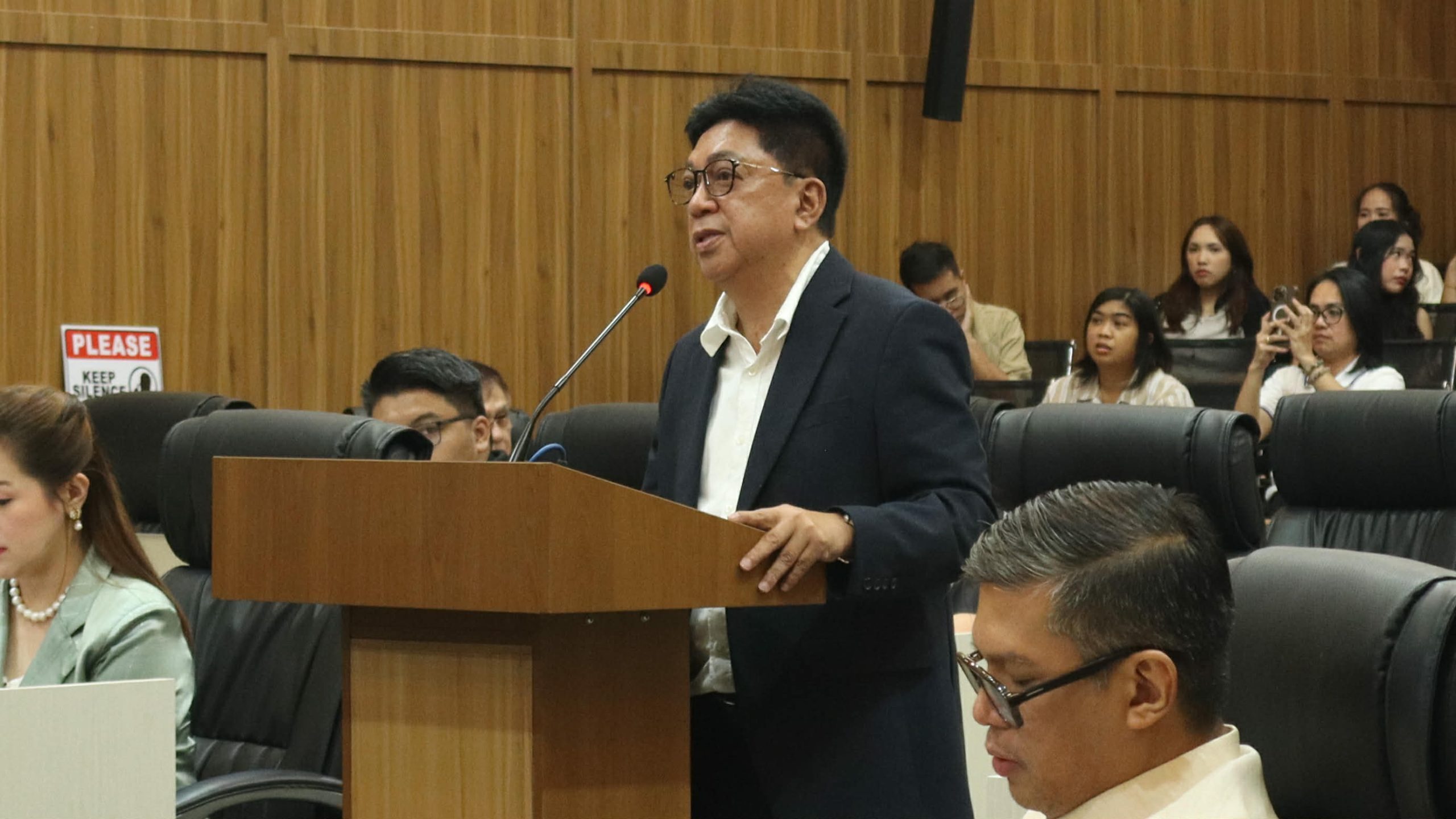
BY JUSTINE AMORA & ANDRE AMPIG/UM Interns
COUNCILOR Danilo C. Dayanghirang raised serious concerns over the proposed 2026 Schedule of Market Values (SMV), which would directly affect the city’s sources of local revenue, including real property tax, business taxes, professional tax, and the internal revenue allotment.
He further emphasized that the real property tax, pursuant to Republic Act No. 12001 or the Real Property Valuation and Assessment Reform Act, is directly tied to property assessment values, meaning any increase in assessed values would consequently drive up all related taxes.
“Yung assessment value of property, pag tumaas yan, tataas lahat ng taxes dyan. Real property tax, state tax,” Dayanghirang stressed.
The councilor acknowledged the importance of reform, noting that the day prior, a hearing was conducted that recognized the need for a more uniform, transparent, and updated property valuation system.
However, he stated that the assessor’s and treasurer’s offices operate under the Department of Finance, which means assessments will be based solely on formulas approved at the national level, removing the degree of local control that the city government previously held.
With the city managing approximately 500,000 real property tax units, covering private properties, buildings, and even government structures, Councilor Dayanghirang stressed that the scale of the proposed changes demands careful and deliberate study.
“While uniform is necessary, reform without careful study may result in unintended burdens upon our people,” he said.
During the recent consultations and forums, he said property developers, business leaders, taxpayers, and representatives from different sectors voiced out their concerns about the proposed increases in market valuations ranging from 78% to 100%, and in some cases, even beyond 600% to 1,000%, depending on reclassification and property use adjustments.
Dayanghirang said residential areas may face increases in property prices, which ordinary homeowners can no longer sustainably afford; while commercial properties may see their real property taxes double or even higher, and tax declarations in certain areas may even exceed actual market realities.
Business sectors and house developers said that increases may affect the local real estate market, investor confidence, long-term competitiveness, and excessive taxes may burden Davaoeños, particularly renters and students.
“We are trying to understand that any increase in these will also increase the prices of lease contracts. Kasi saan kukunin ng may-ari ng lupa yung pangbayad ng taxes? Natural, tataasan nila yung bayad ng rental,” the councilor stated.
Dayanghirang called for wider consultations and proposed that lawmakers invite representatives from the Bureau of Local Government Finance, the City Assessor’s Office, the Chamber of Real Estate and Builders’ Associations, Inc. (CREBA), legal and taxation experts, and other concerned stakeholders to the regular session on June 2, 2026, to discuss the matter further.
“This is not about delaying progress. This is about ensuring that progress is just, sustainable, humane, and inclusive.”