
BY RHUELLA SALDUA/UM Intern
THE CITY Government of Davao continues to reinforce its commitment to kids welfare through the sustained operations of Bahay Pag-Asa, a facility dedicated to the rehabilitation of children in conflict with the law (CICL).
Bahay Pag-Asa was originally known as Lamdag sa Kabataan, and it was formally established in compliance with Republic Act 9344, or the Juvenile Justice and Welfare Act, as amended by Republic Act 10630.
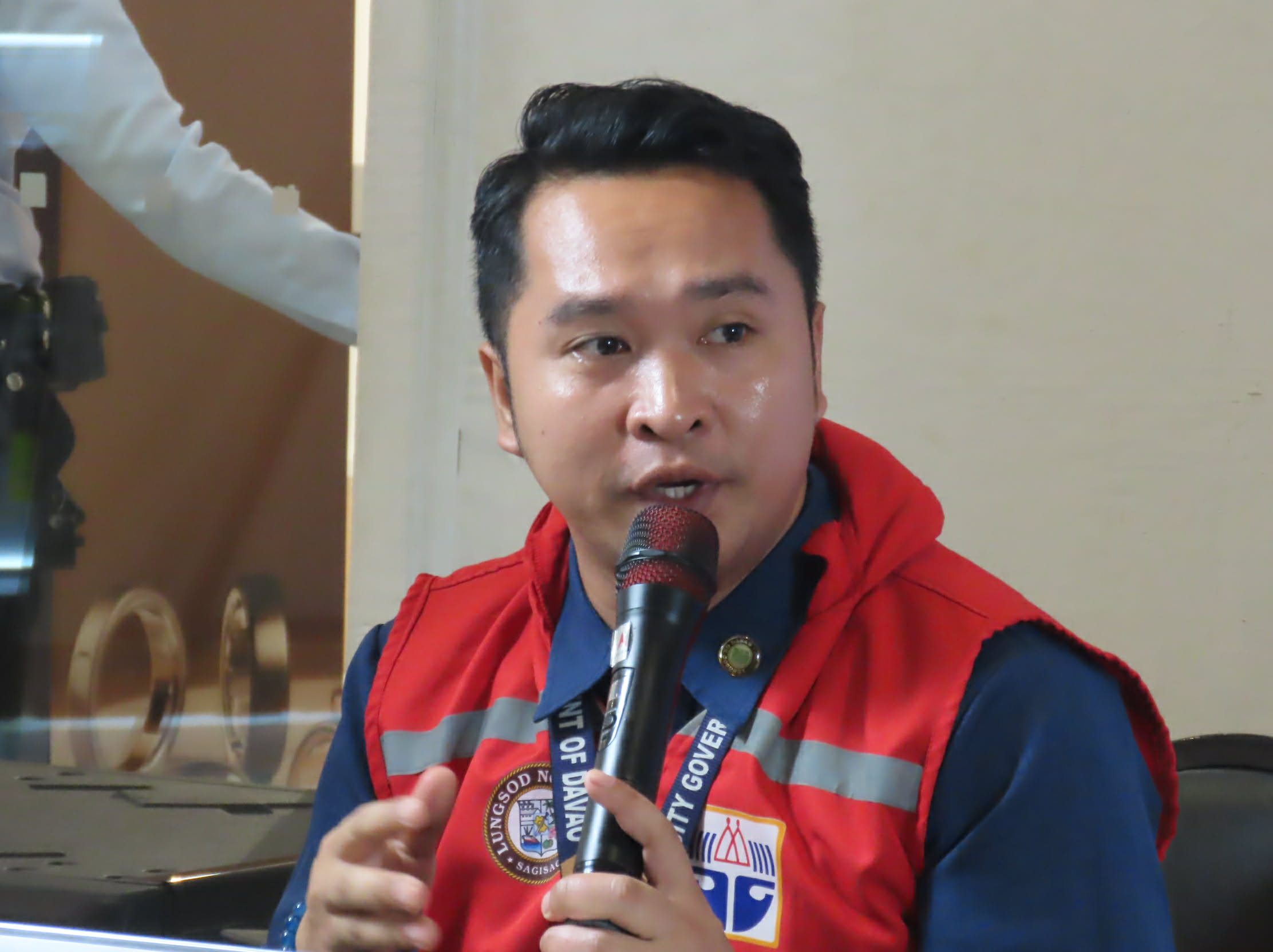
Jeffrey Sison, City Social Welfare and Development Office (CSWDO) focal person, said the facility plays a vital role in providing temporary shelter and intervention programs for children awaiting court disposition. In 2013, the facility was transferred from its location in the Poblacion to its current permanent site in Purok 10, Bago Oshiro.
“At present, the Bahay Pag-Asa has 58 residents, although the facility can accommodate up to 85 CICLs,” Sison said.
The facility operates 24 hours daily, staffed with social workers who serve as case managers, along with “host parents” who act as guardians. The program includes education through the Alternative Learning System, skills training in partnership with Technical Education and Skills Development Authority (TESDA), and financial assistance for families in need.
Bahay Pag-Asa serves as a holding and intervention center where children receive guidance, care, and rehabilitation while awaiting legal decisions. The duration of stay typically ranges from a minimum of six months, depending on the child’s behavior and court orders.
Sison emphasized that Bahay Pag-Asa is a part of the broader rehabilitation system where children who are involved in more serious offenses, including heinous crimes, may be referred to the Regional Rehabilitation Center for Youth. Meanwhile, those dealing with substance abuse issues may be transferred to the Davao City Treatment and Rehabilitation Center for Drug Dependents.
The local government has expanded facilities and maintained sufficient funding to ensure uninterrupted services, despite occasional overcrowding reaching nearly 120 residents between 2024-2025.
“We do not have any problems with the budget for the basic needs of our CICL because of the strong support from the city government of Davao,” Sison noted.
Sison reiterated that rehabilitation remains the cornerstone of the city’s approach, aiming to give children a second chance at becoming productive members of society again.
“Every child deserves a future filled with hope, dignity, and opportunity,” Sison said. “Davao City continues to uphold that every child matters, and every story deserves a second chapter.”