
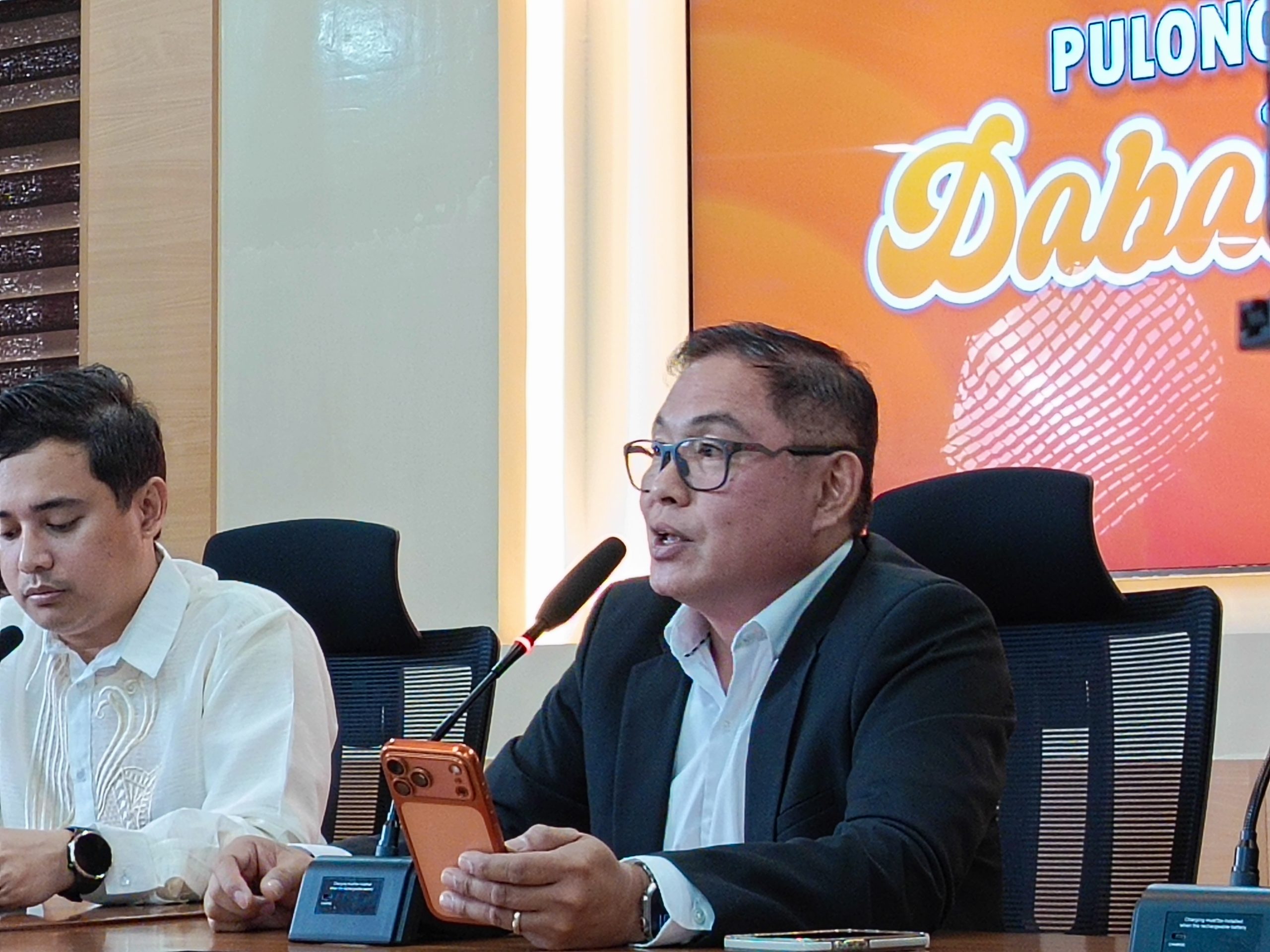
A LAWMAKER here said the city government remains committed to pursuing the waste-to-energy (WTE) facility despite significant delays in its implementation.
Councilor Temujin Ocampo, committee chair on environment and natural resources, said the information relayed to him by the city administrator was that the Japanese government is still interested in funding the project.
“As far as the city government is concerned, we are green [light], maghulat pud ta sa Japanese government,” Ocampo said during the Pulong-pulong sa Dabawenyos forum on Tuesday.
The local government has been pushing for the construction of the WTE project, with the proposed 11-megawatt facility located at Purok 6, Barangay Biao Escuela, Tugbok District.
“It’s only a matter of time kung kanus-a ni ma realize because they are still doing some studies para ma siguro the construction will push through,” he said.
Amid the opposition of the environmental groups, Ocampo maintained that the city government is “hoping” it will be realized.
Notably, Interfacing Development Interventions for Sustainability (IDIS) has voiced strong opposition to the proposed incineration project, as it is “counter-intuitive” to the city’s established circular economy goals.
However, Ocampo said he backs the explanation of the Japanese government that this technology is really safe, considering it’s used in several cities in Japan to manage waste.
“As a matter of fact, pag visit namo sa WTE sa Kitakyushu, Japan, it was surrounded by residential areas, so far wa may reportedly nga naay nagkasakit or nadaot didto,” he stressed.
In a media engagement here on April 17, Japanese Ambassador Kazuya Endo defended the proposed WTE project in the city, asserting that advanced Japanese technology can address the mounting trash crisis without compromising public health.
“If you visit Tokyo, many waste-to-energy facilities are operating even in the middle of a very big city. We believe that with existing technology, we can establish environmentally friendly and sustainable facilities,” Endo said.
He stressed, “In fact, existing sanitary landfills can often be even more harmful to the environment than modern WTE plants.”
It can be noted that the Environmental Management Bureau (EMB) XI conducted a public scoping on April 15, 2026, at the Barangay Biao Escuela gym.
The agency affirmed the procedural integrity of the public scoping process as a preliminary step in the environmental impact assessment (EIA) process, governed strictly by DENR Administrative Order (DAO) No. 2017-15.
Under DAO No. 2017-15, the EIA process is designed to ensure that environmental and social safeguards are addressed before any decision is made on the issuance of an environmental compliance certificate (ECC).
However, when asked about the results of the public scoping, Ocampo said he is not privy to the discussions as his office was not invited.
“I don’t know. I was not invited. I did not receive any formal invitation, so I did not come,” the councilor said.
Public scoping provides a platform for host communities, advocacy groups, and other stakeholders to identify and raise specific concerns.
All inputs gathered during the scoping will form the basis of the Scoping Checklist, which defines the specific studies the proponent must undertake in their Environmental Impact Statement.