
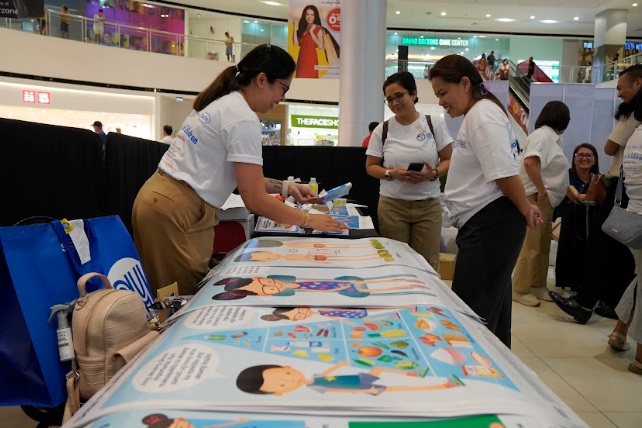
COMMITTED to improving the lives of children and youth with type 1 diabetes, the Changing Diabetes in Children program officially launched its initiative to transform diabetes care across Davao Region.
The program is designed to deliver comprehensive patient education, strengthen the capacity of healthcare workers, establish a network of equipped primary healthcare facilities, and ensure sustained access to insulin and essential medical supplies for children and young adults aged 0–25. It will cover Davao City and the provinces of Davao de Oro, Davao del Norte, Davao del Sur, Davao Oriental, and Davao Occidental.
For families like Aaron Jay’s, this initiative means hope.
AJ, a 15-year-old from Davao del Sur, was diagnosed with type 1 diabetes at 14. Before the diagnosis, he experienced sudden weight loss, excessive thirst, fatigue, frequent urination, and bedwetting—classic but often unrecognized symptoms of the condition. When not detected early, type 1 diabetes can lead to severe diabetic ketoacidosis (DKA), intensive care admissions, and even death.
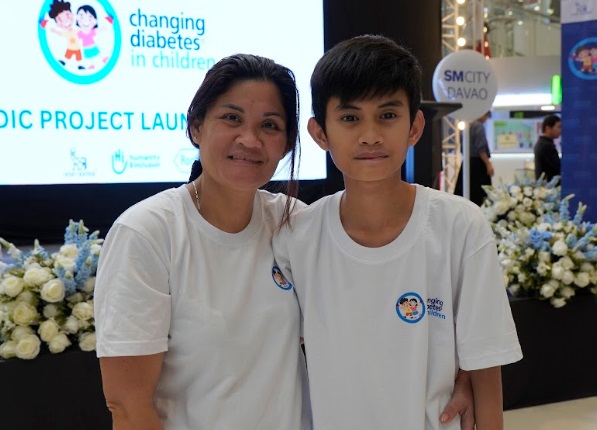
Children with type 1 diabetes are unable to produce insulin, causing uncontrolled blood sugar levels and lifetime dependency on insulin treatments. The uncontrolled spikes can lead to serious health complications and untimely death if left untreated.
“It was in November 2025 when my vision started to become blurry—like a thin sheet of plastic covering my eyes,” AJ shared.
Because of irregular insulin injections and inconsistent blood glucose monitoring, largely due to financial constraints, he developed visual impairment. As his eyesight worsened, AJ was forced to stop attending school and remained at home after experiencing bullying.
According to AJ’s mother, “It is hard for us to get insulin. A pen costs around P1,200 and lasts less than two weeks. He has a device to check his blood sugar, but we cannot afford the strips, which cost 850 pesos. Not to mention his other needs, such as medicines and food.”
In the Philippines, insulin pens range from 800 to 2,000 pesos, wherein a pen can last for just a week depending on the dosage. Taking into account glucometers, glucometer strips, Hba1C tests, and doctors’ fees, diabetes care for a child with type 1 diabetes can cost at least 11,000 per month, an overwhelming expense for many families.
AJ is just one among the thousands of children suffering because of limited access to diabetes management care. According to the International Diabetes Federation Diabetes Atlas 2025, more than 32,000 people in the Philippines are living with type 1 diabetes. This means there are 32,000 people who need to regularly take insulin shots, monitor their blood glucose before and after meals, and count carbohydrates for every food they eat.
Changing Diabetes in Children in Davao
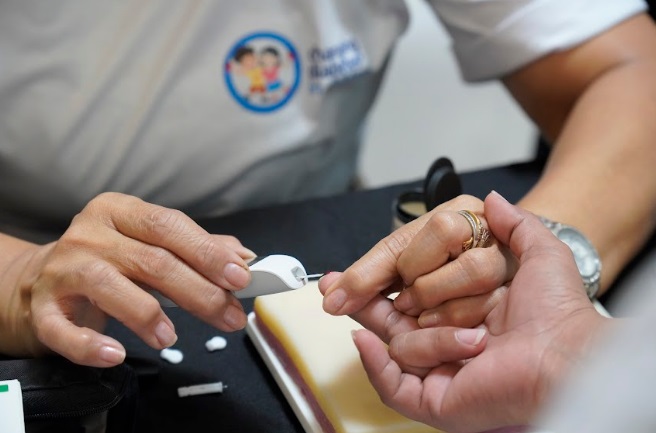
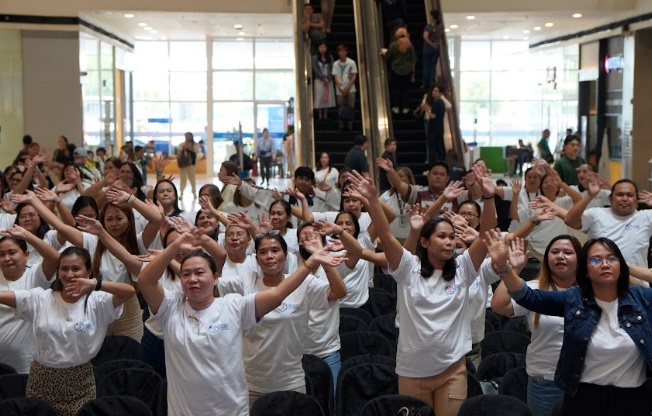
The launch of the CDiC program in Davao marks a significant step toward changing the narrative for children and young adults living with type 1 diabetes, especially those in geographically isolated and disadvantaged areas. Through the program, children like AJ will have free access to life-saving insulin, glucose monitoring devices, and other essential medical supplies through their local health centers and government hospitals.
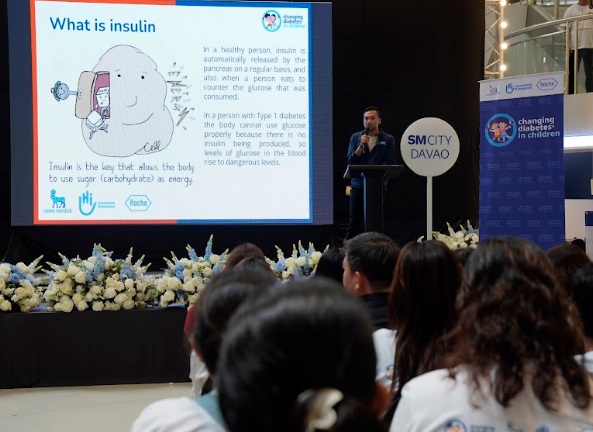
“Currently, type 1 diabetes has no cure; it is a lifelong condition. Children become vulnerable because of the complex demands required to manage it. Our approach focuses on strengthening the health system by empowering healthcare providers to address the gaps and needs of children living with type 1 diabetes,” said Kenneth Samaco, the project manager of the Changing Diabetes in Children program.
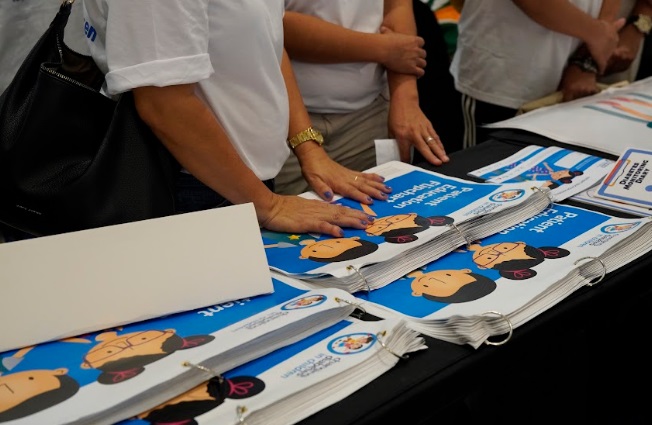
Beyond providing medicines and supplies, the program prioritizes comprehensive patient and family education. Parents will gain the knowledge and confidence to properly guide their children’s nutrition and daily activities, understanding that foods like rice and occasional sweets are not automatically forbidden, but must be managed appropriately through insulin and monitoring.
Dr. Ellenieta HMV N. Gamolo, OIC regional director of the Department of Health Region XI, underscored the urgency of collective action.
“According to the Philippine Statistics Authority, diabetes mellitus ranks among the top five causes of death in the Philippines, with 43,944 lives lost in 2024 alone. The Department of Health recognizes that we cannot face this battle alone. We fully support the Changing Diabetes in Children project. You are filling a vital gap in our healthcare system, ensuring that diagnosis is not the end, but the beginning of a managed and healthy life.”
The program adopts a whole-community approach. Municipal and city healthcare workers are being capacitated through specialized training on early detection, referral pathways, and proper diabetes management. Public primary healthcare teams are also strengthening referral systems to higher-level facilities to ensure timely diagnosis and intervention.
Dr. Reden V. Bersaldo, provincial health officer of Davao Oriental, highlighted the importance of accessibility. “In some barangays, families travel two to three hours just to reach a provincial or apex hospital. I can imagine how many AJs exist in our municipalities and barangays. We are committed to establishing insulin hubs in all district hospitals so that families from far-flung communities can access care closer to home. Each of us has a role to play in ensuring that no child is left behind.”
The future of children with Type 1 Diabetes
“It hurts that I can no longer play basketball with my classmates or go to school. I hope I will be able to see clearly again. I want to become a soldier someday so I can help my parents,” AJ said.
In late 2025, after learning about AJ’s situation, the CDiC program facilitated his referral to specialists. Medical evaluation showed that through proper treatment and surgery, he still has a chance to recover his eyesight. However, sustained diabetes management is essential to prevent further complications.
AJ’s story underscores the need for inclusive, accessible, and quality diabetes care not only in Davao but across the country.
The strong commitment of key stakeholders and policymakers across the Davao Region, including local government units, the Department of Health, primary healthcare providers, and the Department of Education, marks a significant milestone for children and families living with type 1 diabetes. Their collective efforts are vital in strengthening health systems, expanding access to essential services, and protecting every child’s right to health.
With the support of Novo Nordisk Philippines and in partnership with Roche Diabetes Care, the CDiC program ensures that children gain access to life-saving insulin, essential medical supplies, quality healthcare, and comprehensive education on diabetes management, empowering them to manage their condition with confidence and pursue the futures they envision.
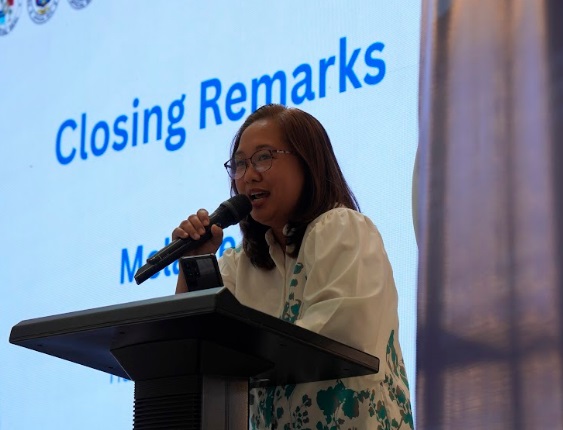
“Our collective mandate is to break down barriers and ensure that services are accessible, responsive, and tailored to the specific needs of children with diabetes and their caregivers. This includes providing health information that is clear, age-appropriate, and easy to understand. We remain dedicated to working hand in hand with government and partners to enhance inclusive access to information and services, ensuring that children with diabetes in Davao receive care with dignity, continuity, and the opportunity to lead healthy, fulfilling lives,” shared Melanie Ruiz, country manager of Humanity & Inclusion.
Every child and youth with disabilities living with type 1 diabetes deserves the chance to grow, learn, play, and dream without fear. Making this a reality requires a shared commitment from communities and leaders to raise awareness, recognize early signs and symptoms, and build safe, inclusive, and accessible spaces where every child can thrive and reach their full potential.