

BY RHUELLA SALDUA & ANDRE MARCO AMPIG/UM Interns
THE SOUTHERN Philippines Medical Center (SPMC) continues to intensify its Safe Motherhood Program by focusing on prenatal care, family education, and the growing number of high-risk pregnancies.
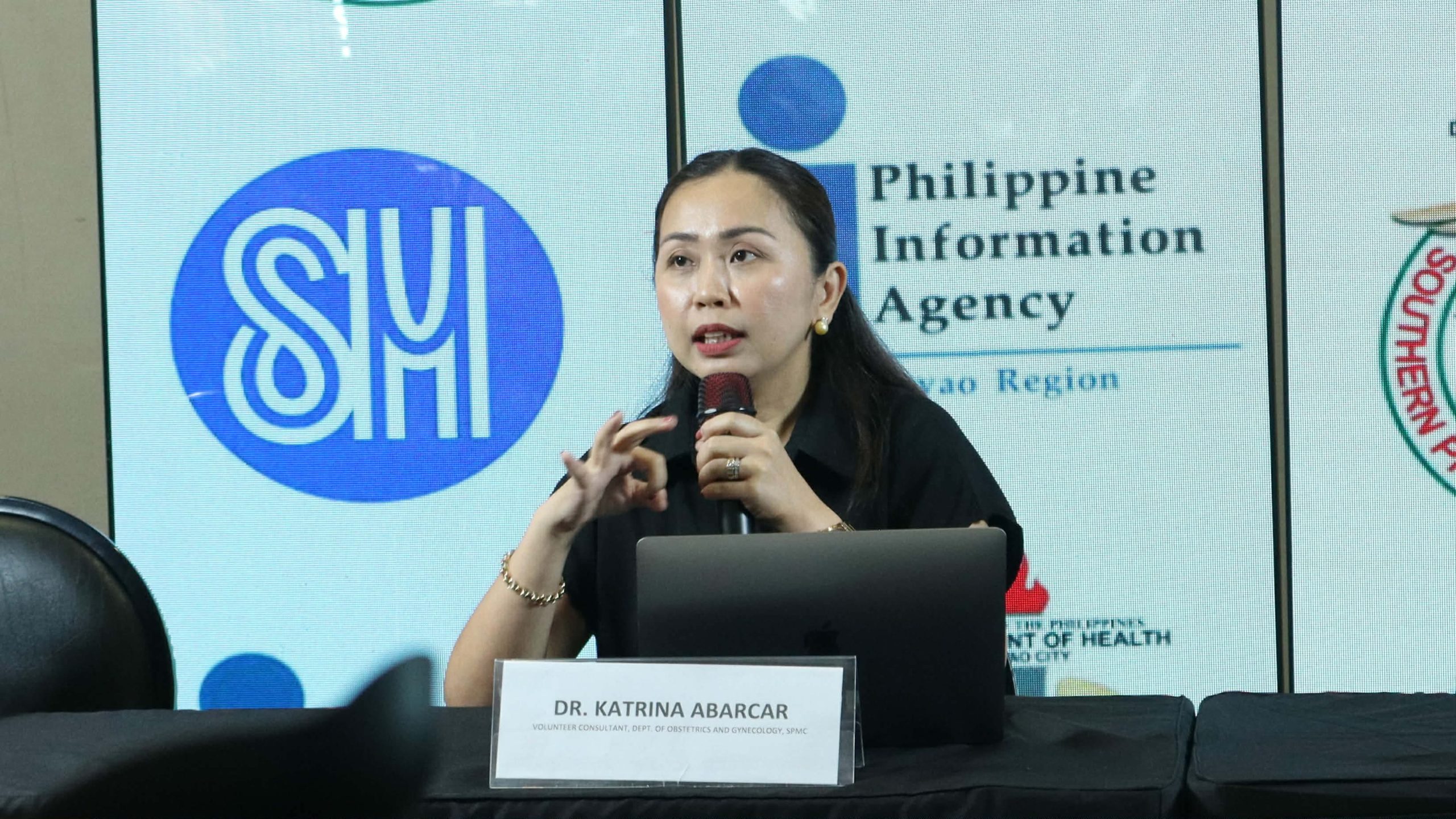
Dr. Katrina A. Abarcar, volunteer consultant at SPMC’s Department of Obstetrics and Gynecology, said the program primarily aims to protect both mother and child through early and continuous medical care.
“Safe motherhood means focusing on the mother, ensuring proper prenatal care, regular check-ups, and proper management of pregnancy, and we are making sure that the mother gives birth to a healthy baby,” Abarcar said.
The program extends beyond the mother by involving partners, families, and communities in maternal care, educating them on how to take care of pregnant women, identify warning signs, and understand when to seek immediate medical consultation.
According to Abarcar, high-risk pregnancies are commonly linked to age-related risks and medical conditions such as hypertension and diabetes.
“Patients aged 35 years old and above are already considered high-risk,” she said.
SPMC accommodates a large volume of such cases daily. In the outpatient department, the hospital handles around 40-50 high-risk pregnant women per day, while low-risk prenatal consultations can reach up to 300 daily.
Despite the high numbers, Abarcar noted that the hospital has dedicated services specifically designed to manage these cases.
Abarcar pointed out that modern lifestyle habits are significantly contributing to the increase in high-risk pregnancies, considering Obesity as a major factor, because if a woman is already overweight before becoming pregnant, she automatically falls into a high-risk category.
She stressed the importance of maintaining a healthy body before conception.
“We need to optimize our health before getting pregnant. A healthy mother provides a healthy environment for the baby,” Abarcar said.
Proper diet and exercise were highlighted as key preventive measures, and she added that physical activity is generally safe as long as it avoids injury and excessive fatigue.
Abarcar clarified that pregnancy beyond 30 years old is not necessarily dangerous, but risks do increase as women age. However, she reassured that successful pregnancies are still possible.
“It’s okay as long as prenatal care is consistent and regular. We perform detailed examinations, including congenital anomaly scans, to monitor the baby’s condition,” Abarcar said.
Abarcar recommends that women consider pregnancy when they are physically and mentally prepared. She also advised proper spacing between pregnancies to allow the body to fully recover.
“We recommend at least more than 1 year before conceiving again, and for mothers who had cesarean sections, at least 18 months,” she explained.
The Safe Motherhood Program also underscores the importance of the first 1,000 days of a child’s life, beginning from pregnancy.
“What happens during pregnancy reflects on the baby’s development. Proper prenatal care and breastfeeding play a vital role in ensuring a healthy start for the child,” Abarcar said.
Abarcar urged women to seek medical attention as soon as pregnancy is suspected so that any potential problems can be detected early.