
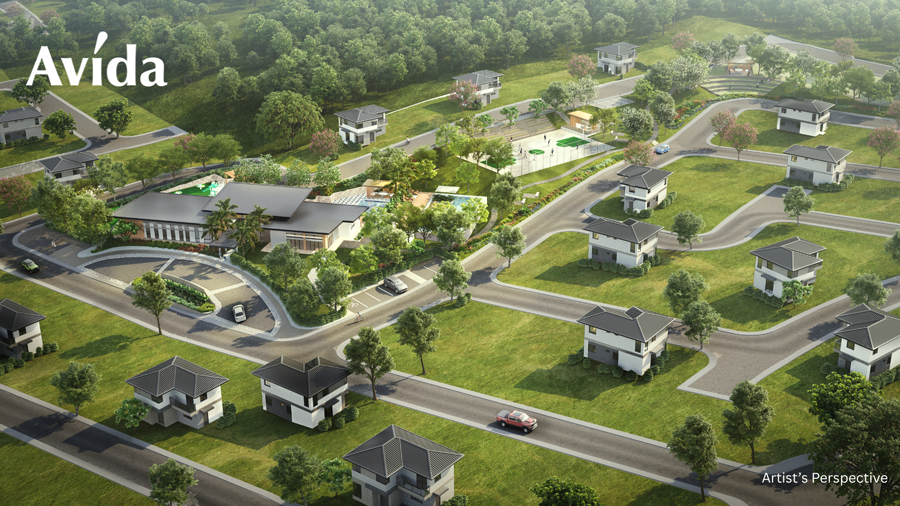
Through ClimAdapt, Avida advances Ayala Land’s commitment to climate-responsive development by integrating flood-risk assessment, stormwater management, and climate-responsive design into its residential communities
MAKATI — For Filipino homebuyers, choosing a property has traditionally meant weighing location, price, accessibility, and amenities. But recent extreme weather events are putting another factor into focus: how well a home and the community around it can withstand and manage climate-related risks.
The issue has become more tangible as extreme weather events continue to test communities across the country. In late August, when an enhanced southwest monsoon brought persistent heavy rains, affected parts of Luzon. PAGASA reported that La Mesa Dam exceeded its overflow elevation, while prolonged rainfall caused flooding, landslides and disruptions to infrastructure and transportation.
For Avida Land, planning for these risks starts well before a home is built.
Through ClimAdapt, Avida’s framework for climate-resilient and sustainable development, climate considerations are integrated into site planning, engineering, and building design. The approach supports Ayala Land’s broader commitment to developing resilient, sustainable, and people-centered communities.
Engineered for Where the Rain Goes
Flood resilience begins with understanding how water moves through a development.
Avida’s site planning and engineering take flood-risk exposure into account when determining the placement of structures, roads, drainage systems and other site elements. The objective is to manage stormwater more effectively and reduce exposure to flood-related risks during periods of intense rainfall.
In house-and-lot communities such as Crescela Nuvali and Amaia Scapes Rizal, detention ponds provide additional capacity for managing stormwater. These facilities temporarily hold excess rainwater during heavy downpours, helping manage peak runoff and reduce pressure on surrounding drainage systems.
The areas around these facilities can also be incorporated into landscaped open spaces, allowing stormwater infrastructure to form part of the community’s overall design.

Designing for Heat and Water Efficiency
Climate-responsive design also extends to everyday conditions inside the home, particularly heat and water use.
In Avida’s condominium developments, rainwater harvesting systems can collect rainfall for landscape irrigation and other appropriate non-potable uses, while low-flow plumbing fixtures help reduce water consumption.
Inside units, low-solar-heat-gain glass helps limit the amount of heat entering interior spaces while allowing natural light in. This can help improve indoor comfort and potentially reduce reliance on artificial lighting and air-conditioning.
A Climate-Resilience Checklist for Homebuyers
For homebuyers, this means looking beyond the individual house. A property’s resilience can also depend on how the larger community is planned—how water moves through the site, where excess runoff goes, and what systems are in place to manage it.
As climate considerations become more relevant to property decisions, buyers can add a few practical questions to their checklist:
- How was the property’s flood risk assessed?
- Where does stormwater go during heavy rainfall?
- What systems are in place to manage excess water?
- How does the development address heat and water efficiency?
- Are these considerations incorporated into the site’s planning and design?
No development can eliminate climate-related risks. But considering these risks early in the planning process can help reduce exposure and strengthen a community’s ability to respond to changing weather conditions.
For Avida, ClimAdapt puts that principle into practice by making climate resilience part of how residential communities are planned, designed, and built—reflecting Ayala Land’s broader commitment to resilient and sustainable development.