



BY ALEX ALAGON

BY ALEX ALAGON

CONGRATULATIONS to Third District Councilor Petite Principe for the realization of her project that addresses the needs of children with unusual kinds of disabilities.
In a recent unexpected meeting, Councilor Principe told us that the building housing the center for such kind of children in Davao City is now operational, and most equipment needed to help in addressing their needs has already been acquired and installed.
In fact, according to the lawyer-lady councilor, a good number of children are already served by the center. The problem, though, is that the facility still lacks the manpower with the appropriate skills to handle the tasks required in responding to these kinds of children’s needs.
When we brought the idea to her to work on the possibility of the City Council providing additional regular positions to be filled with professionals who can carry on the required service at the center, the local lawmaker sadly admitted that the professionals who have the skills are not willing to apply.
When asked why, she said that, based on existing salary ranges, the pay for new entrants is much lower compared to that of other private employers requiring professional skills.
If such is the case, the city may have to resort to conducting training for those interested so that the Principe project will not go down the drain.
Yes, without personnel equipped with the needed skills to handle the mentally-impaired children, the center is likely to end up like many of the country’s barangay health centers and some district hospitals.
Many of the said health centers and district hospitals are just structures. These are not manned by doctors, nurses, or even midwives. And worst, even if there are visiting health professionals every now and then, the centers do not have medicines for villagers found with illnesses after consultations done thereat.
*********************************
What agency is responsible for the 100.82 percent coverage of Davao City’s population with health insurance by the government? Of course, it can be no other than the Philippine Health Insurance System or PhilHealth. The agency must be so efficient. Imagine being able to cover over one hundred percent of the city’s qualified population!
Assuming that this report is true, how come that most residents in the highlands still mouth the same complaint that bringing their patients to hospitals is hardly an option for them, even if they are already in precarious conditions.
The reason is that they do not have money or that they have no idea where to seek assistance or who to approach for financial help.
Does this mean that many of the 100.82 percent with PhilHealth coverage do not know that they are covered? So, what ills? Possibly the agency concerned, and even the government, local and national, are unable to back this very laudable program of providing health insurance coverage to every Filipino citizen with the proper information dissemination drive.
How then will such a government program serve its purpose if the beneficiaries are not made aware that it exists?
And by the way, how did the PhilHealth arrive at the 100.82 percent health insurance coverage of the people in Davao City?
Who comprises the .82 percent in excess of the 100 percent qualified population?
***************************************
Remember that a few weeks back, we wrote in our column the issue of Davao City not just being back as an illegal and prohibited drugs distribution center, but also fast becoming the haven of cigarette smugglers?
This assessment of ours appears validated with the confiscation of smuggled cigarettes worth P14.6 million in Barangay Dumoy, Talomo district, last Tuesday, Oct. 21. The confiscation and arrest of four men were conducted by an inter-agency team of law enforcers.
It was also the biggest catch ever made in Davao City over a period of roughly two months only. With such boldness of the smugglers to do their illegal trade in the city, there is the possibility that they may already have established some “connection” with influential officials whom they can run to should their trade be interfered with.
Maybe this apparent surge in smuggling activities in the city deserves Mayor Baste Duterte’s special attention.
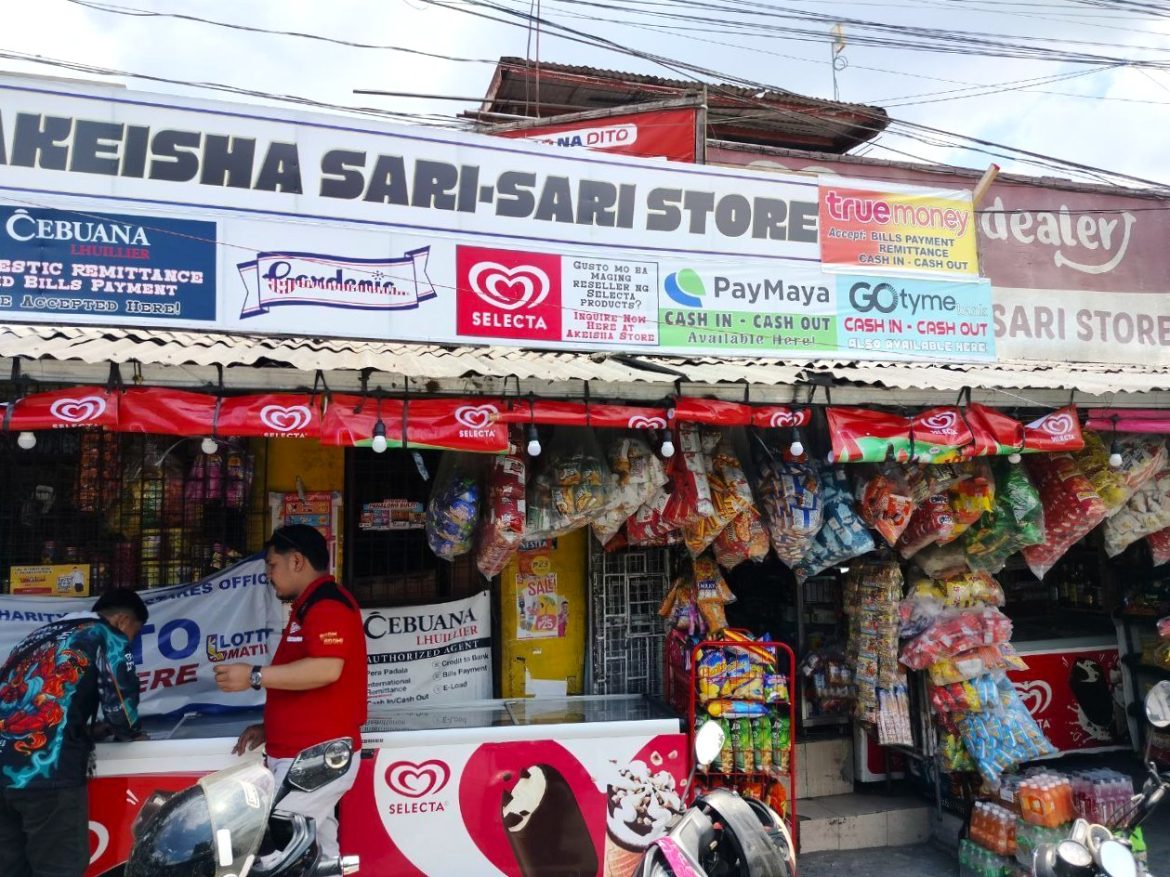
MANILA, Philippines — Sari-sari stores are rapidly digitalizing their operations, driven by a significant increase in e-wallet use, according to a new report from Filipino tech startup Packworks.
The report used their internal transaction records as the starting point to conduct a direct survey of more than 2,000 sari-sari store owners within Packworks’ nationwide network of 300,000+ stores from January to August 2025.
According to the data, half of the store owners surveyed reported a 75% increase in e-wallet usage in their store operations between January and August. The remaining respondents also saw substantial growth: 20% experienced a 100% increase in usage, another 20% saw a 50% increase, and 10% reported a 10% rise.
Store owners largely attribute this growing adoption to increased consumer demand, as their customers are also turning to e-wallets to buy goods, access funds, and settle bills at their local stores.
“Maraming nang nagpapa-cash-in at cash-out at bumibili gamit ang mga e-wallet. Dahil dumarami, gusto namin masabayan ang pangangailangan nila. Nakakatulong din naman ito sa amin para magkaroon kami ng dagdag kita (A lot of our customers are making cash-in and cash-out transactions aside from buying products with e-wallets. Since more customers are using them, we want to keep up with their needs. It also helps us earn a little extra),” said Marijane Rea, a sari-sari store owner from Laguna.
Store owners are using e-wallets for a variety of business operations. About 40% use the platforms for in-store payments, 30% for bill payments, and the remaining 30% for cash-in and cash-out transactions.
This digital shift is quickly becoming a critical source of revenue. Around 13% of store owners say their e-wallet earnings equal their revenue from physical goods. Among the rest of the respondents, e-wallets still contribute significantly: 66% say that about 20% of their revenues come from e-wallet use, and the remaining 21% say their e-wallet earnings account for 10% of their total revenue.
GCash and Maya are the widely used e-wallets, with 85% of store owners reporting using GCash for their business transactions and 15% using Maya.
“Bukod sa kita namin sa tindahan, nagkaroon kami ng dagdag kita sa paggamit sa mga e-wallet kasi meron kaming tubo na PHP 10 hanggang PHP 20 sa pag-cash-in at cash-out, o di kaya tuwing nagbabayad ng kuryente, tubig, o Internet ang mga customer (Besides the income we earn from the store, we also get extra earnings from using e-wallets because we earn a profit of PHP 10 to PHP 20 from cash-in and cash-out transactions, or whenever customers pay for electricity, water, or internet bills),” said Rachel Miguel, a store owner from Bacolod.
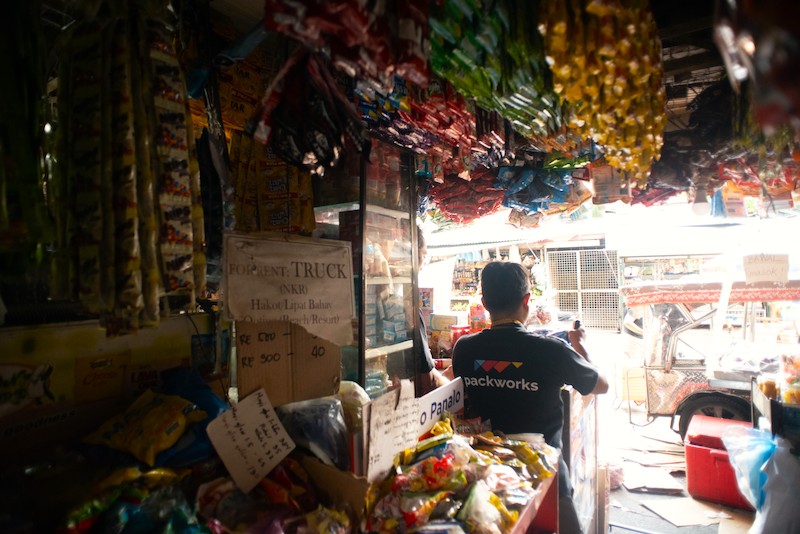
To increase their transaction capacity and meet surging customer demand, sari-sari stores are strategically using up to five e-wallet accounts. According to the report, with each account having a monthly limit of PHP 100,000 to PHP 500,000, the combined monthly transaction capacity is up to PHP 3.5 million.
This trend supports the 30% of store owners’ interest in upgrading their e-wallets to business accounts to maintain a higher monthly limit of PHP 1 million.
Data from the Bangko Sentral ng Pilipinas indicated that approximately 57% of total retail transactions were cashless in 2024, highlighting the increasing use of digital payments for everyday purchases and financial transactions.
Packworks Chief Platform Officer Hubert Yap highlights that sari-sari stores are rapidly embracing digital tools such as e-wallets to diversify their services and grow their businesses.
“The surge in e-wallet use proves that sari-sari stores are rapidly evolving into vital digital hubs for their communities. Aside from simply selling ‘tingi’ physical items, they are now diversifying their product range, offering high-margin, value-added financial services and integrating digital tools such as our app to fundamentally improve their operations and function as near-frictionless nano-banks for the neighborhoods they serve. These findings show that sari-sari stores have been at the forefront leading this digital transformation at the grassroots level,” cited Yap, “And there’s an urgent need to support these micro-entrepreneurs with the right fintech to ensure they can fully capitalize on this opportunity, as they often say in sari-stores, a peso saved is a peso earned!”
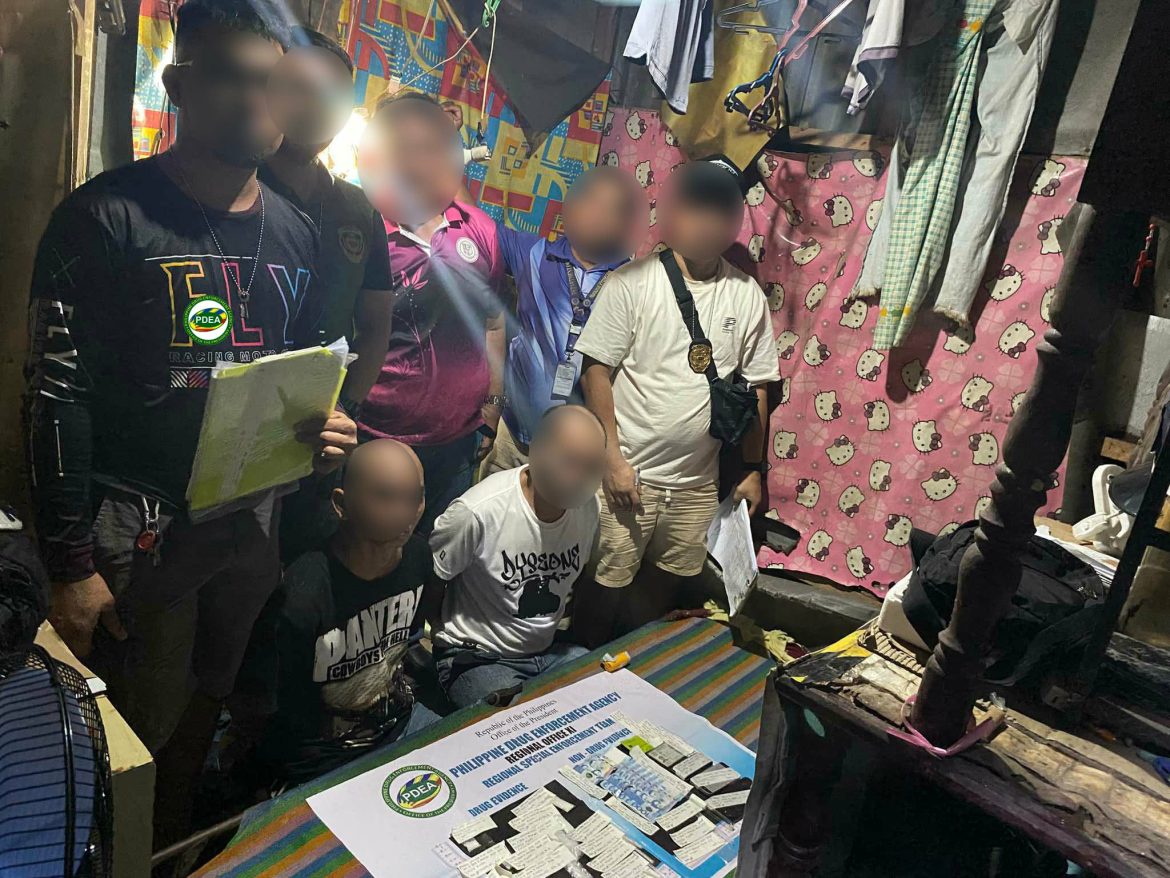
TWO HIGH-VALUE targets were arrested and ₱382,000 worth of suspected shabu seized in a joint buy-bust operation at around 9 p.m. in Km. 13, Zone 3, Panacan on Friday, Oct. 24.
The report said that Philippine Drug Enforcement Agency XI personnel arrested alias Rabel and alias Jerry after they sold one sachet of suspected shabu, valued at ₱7,000, to an undercover agent.
The PDEA XI worked with the National Bureau of Investigation Southeastern Mindanao Regional Office, Police Precinct 4 Sasa, and the Philippine Coast Guard in the operation.
They recovered 17 heat-sealed transparent plastic sachets containing suspected shabu, with an estimated weight of 55 grams, buy-bust money used in the transaction, and various drug paraphernalia.
The suspects face a charge for violating Republic Act No. 9165 ( Comprehensive Dangerous Drugs Act of 2002).
Photo courtesy of PDEA XI

THE DAVAO Horse Show and Competition returns for its 23rd edition, joined by around 180 competitors and a total of 13 clubs from Luzon, Visayas, and Mindanao, from Oct. 25 to 26 at the Davao City Stables and Horse Park, Matina Aplaya.
Riders comprising men, women, children, and senior citizens all gathered at the annual national event to compete in barrel, obstacle, and oval racing, as well as other races that are not common.
Davao Horse Show and Competition is not only for sports but also a platform to advocate for the welfare of the horses, where participants are highly advised not to do excessive whipping or mistreat their own horses during the events.
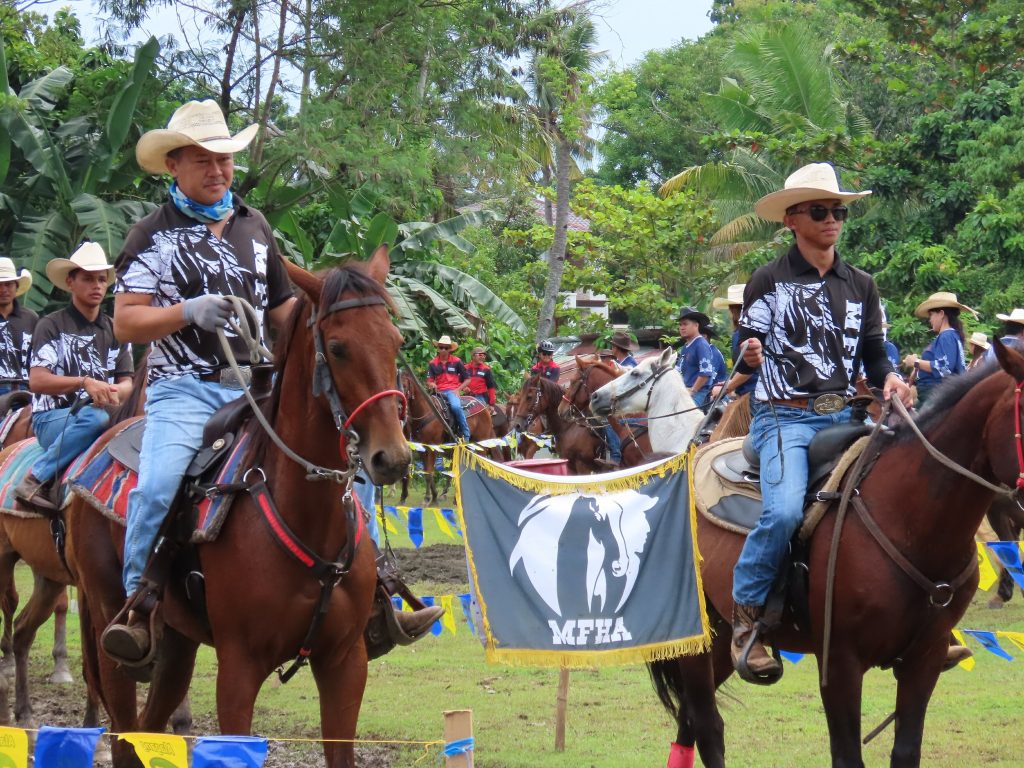

“This sport is actually to promote sports in horses and to also educate the Filipino people to refrain from horse fighting. Because when it comes to horses, they think that it’s for fighting. So, they can see that we can also do other sports for horses,” Davao Horse Club president Kobi Troy Tan shared in an interview.
“We care about our horses; we don’t even want them to have small scratches. So, we advocate the Animal Welfare Act (Republic Act No. 8485),” he added.
Tan mentioned that the Davao Horse Show and Competition is sanctioned by the Philippine Horsemen Federation.
Davao Horse Club also partnered with the Department of Agriculture XI for the two-day event to feature a livestock and agri-fair.
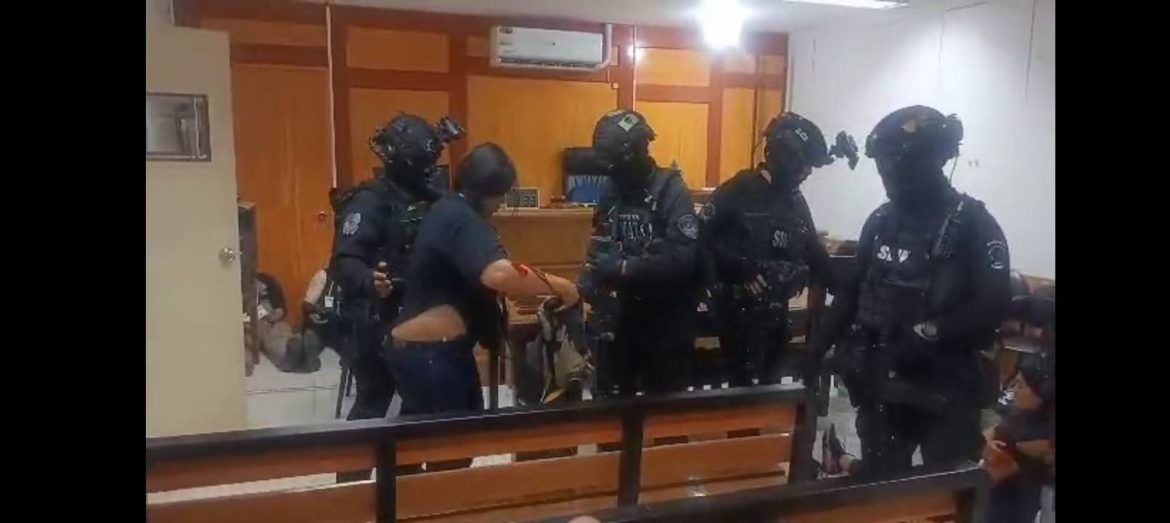
THE DAVAO City Police Office (DCPO) simulated a hostage-taking scenario on Oct. 25 at the Hall of Justice in Ecoland, Davao City, to test and strengthen its crisis response capabilities.
Acting city director Col Mannan C. Muarip said the simulation exercise was a proactive move to enhance public safety and improve inter-agency coordination during high-risk incidents.
He said the scenario-based drill was the first of its kind to be held inside the Davao City Hall of Justice, providing a unique opportunity to evaluate emergency protocols within a highly sensitive public facility.
The simulation was designed to assess the readiness, response flow, and operational capability of all involved personnel.
The DCPO collaborated with RTC Executive Judge Rowena Apao-Adlawan and fellow judges, Angel B. Sumagaysay, head of the Public Safety and Security Office, Major Russell E. Lucena of Task Force Davao, and other officials from various agencies for the SIMEX.
The exercise allowed participants to evaluate existing protocols, strengthen coordination among agencies, and ensure swift and effective action in a real-life hostage situation.
Following the successful simulation, Muarip highlighted key observations and areas for improvement while commending the team’s dedication and professionalism.
Participating officials expressed their appreciation for the commitment shown by all personnel.
Photo courtesy of DCPO
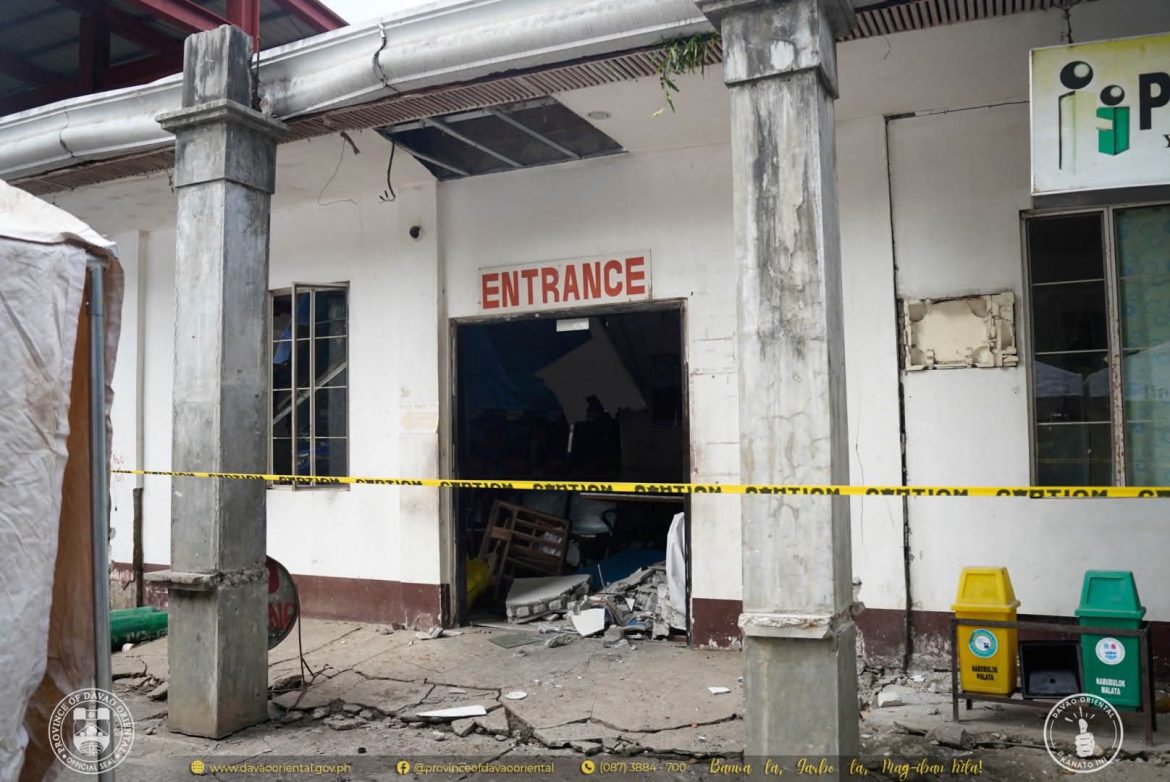
THE MATI Water District implemented a moratorium on the monthly bills of consumers affected to provide financial relief to the families recovering from the aftermath of the twin earthquakes last Oct. 10.
The moratorium will take effect on the November 2025 water bill, wherein no penalty shall be imposed on the said billing.
The water district will not conduct disconnection activities for the entire month of November 2025.
“We wish to inform your good office that Mati Water District did not conduct any disconnection activities for the month of October 2025 as part of our corporate social responsibility and as a gesture of compassion and solidarity with our concessionaires during this period of restoration,” it said in a statement.
The provincial government of Davao Oriental requested the local water district to implement a one-billing-cycle moratorium on billing.
This initiative aims to provide temporary financial relief to affected households as the province continues its recovery and rebuilding efforts,” Governor Nelson L. Dayanghirang said in an executive order.
Meanwhile, the Davao Oriental Electric Cooperative also released a statement temporarily suspending disconnection and penalties for totally damaged metered houses in Manay and other affected areas of the double earthquake.
“Disconnection activities and imposition of penalties for identified and confirmed totally damaged metered houses in the municipality of Manay and in some affected areas in Davao Oriental with unpaid accounts for October 2025 are temporarily suspended to provide relief to our affected MCOs,” it said.
As of Oct. 20, the provincial government recorded 202,070 affected families and 16,800 damaged houses- 1,045 are totally damaged and 15,755 partially damaged.
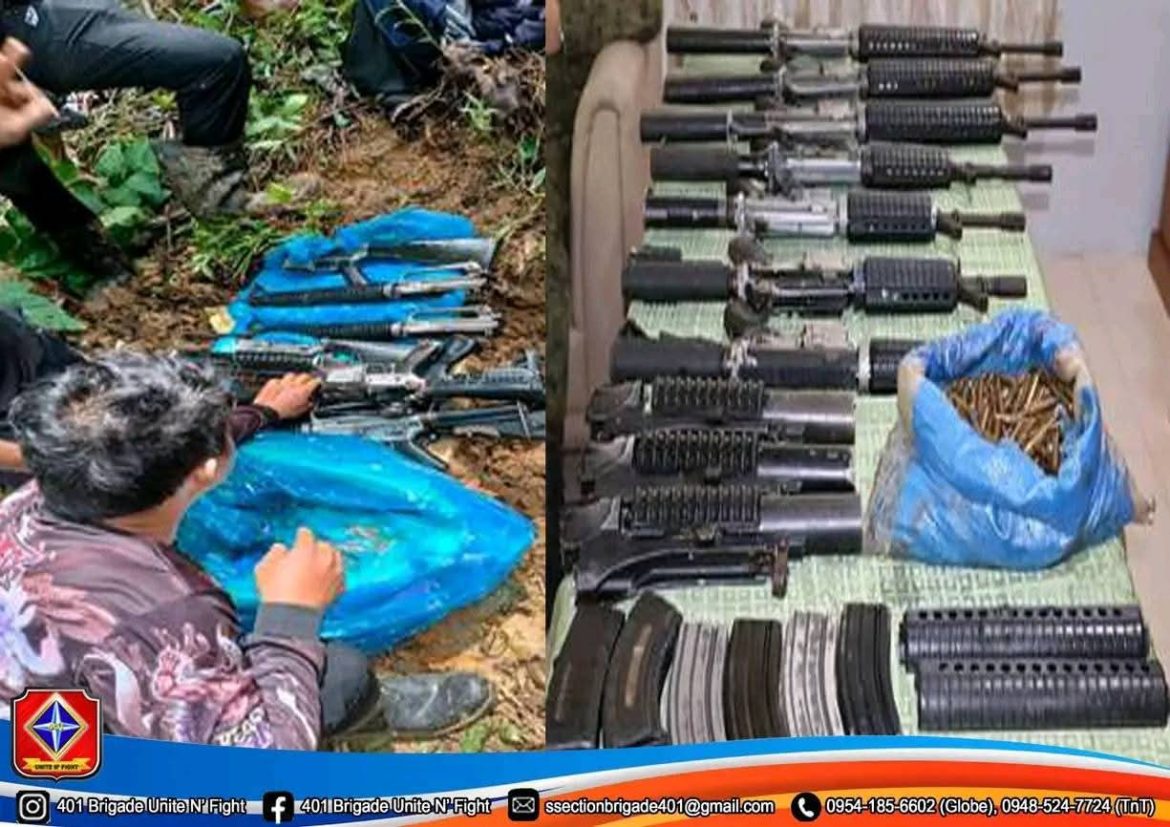
TEN high-powered firearms were recovered by joint Army and PNP troops following a tip from two former members of the New People’s Army (NPA) who recently surrendered.
The surrenderers provided information on Oct. 17, 2025, to the 401st Infantry (Unite N’ Fight) Brigade, led by Brigadier General Antonio B. Dulnuan Jr.
Following the information, the military conducted a joint operation in Barangay Alegria, San Francisco, Agusan del Sur, to locate the hidden cache.
They recovered three M203 grenade launchers, six M16-series rifles (two M16A1 Elisco Rifles, one M16 Bushmaster rifle, one M16A1 Colt AR-15 Rifle, and two Colt AR-15 rifles), one Firebird M4 rifle, six long magazines for 5.56mm rifles, and 778 rounds of 5.56mm ammunition.
“The surrender of these individuals and the capture of these weapons weaken the NPA’s capabilities and pave the way for lasting peace and development in the region. We commend the courage of those who have chosen to abandon violence and return to the folds of the law,” Dulnulan stated.
The surrenderers are now eligible for support through the government’s Enhanced Comprehensive Local Integration Program, which provides financial aid, livelihood support, and reintegration assistance, helping former rebels start anew and contribute to lasting peace in their communities.
Photos courtesy of 401st Infantry Brigade
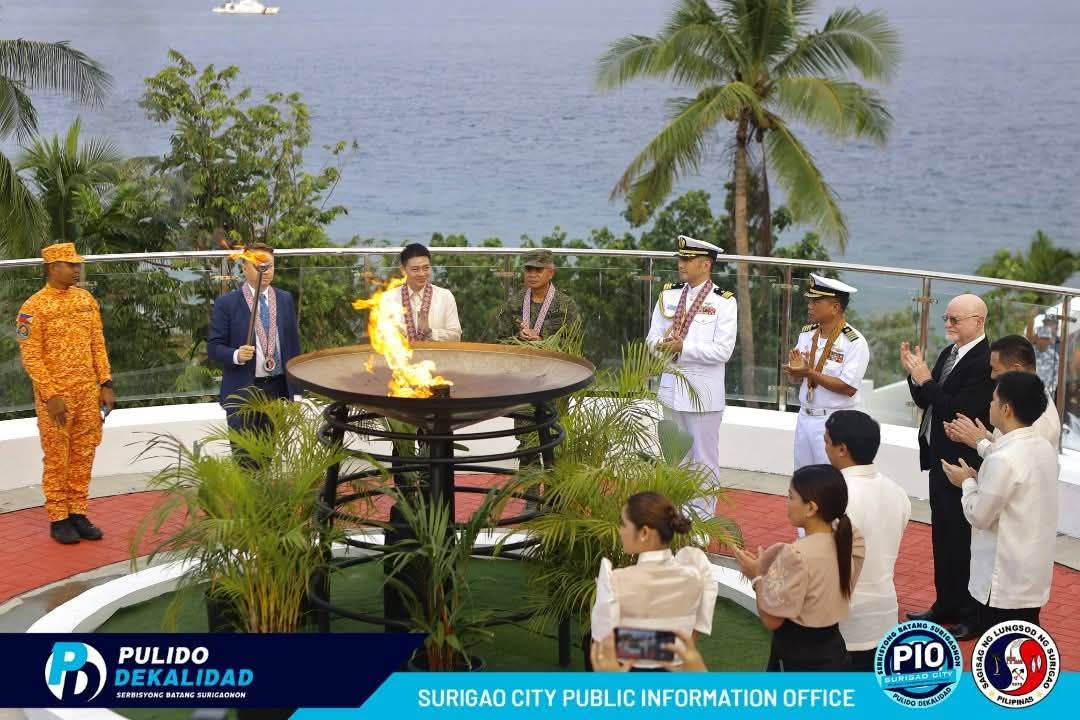
SURIGAO City marked the 81st Anniversary of the historic Battle of Surigao Strait with a ceremony on Saturday, Oct. 25, paying tribute to the immense bravery and sacrifice of Allied and Filipino forces during World War II.
The main event was held at the BOSS Memorial Shrine in Barangay Punta Bilar, featuring a powerful display of military honors and international participation, underscoring the battle’s lasting global significance.
Eastern Mindanao Command chief Lt Gen Rex Luis Bergante attended the commemorative ceremony that was led by Vice Mayor Alfonso Casurra and drew distinguished guests from the military, government, and international diplomatic communities.
The attendees were Capt. Archibald Dino C. Delfin PN, deputy commander of the Naval Forces Eastern Mindanao (NFEM), Vice Governor Eddie Gokiangkee Jr., and other local officials, Australian Ambassador to the Philippines Marc Innes-Brown, Japan’s Assistant Defense Attaché Commander Kawahata Noriyuki, and members of the Japanese delegation.
The presence of international dignitaries and descendants of war heroes lent deeper significance to the ceremony, highlighting a shared commitment to peace, friendship, and historical remembrance among the participating nations.
The program included several poignant tributes, beginning with a Walk for Peace.
The fallen sailors who fought and gave their lives in the waters of Surigao Strait—the site of one of WWII’s most decisive naval battles—were honored with a 21-gun salute and a wreath-laying and floral offering at sea.
The tribute was made even more significant by a naval salute rendered by the Philippine Navy vessels, BRP Miguel Malvar and BRP Artemio Ricarte, honoring the gallant forces.
As Surigao City marks the momentous day, the community continues to honor the spirit of unity, courage, and resilience that lives on in every Batang Surigaonon—a lasting testament to the city’s proud legacy and its enduring pursuit of peace.
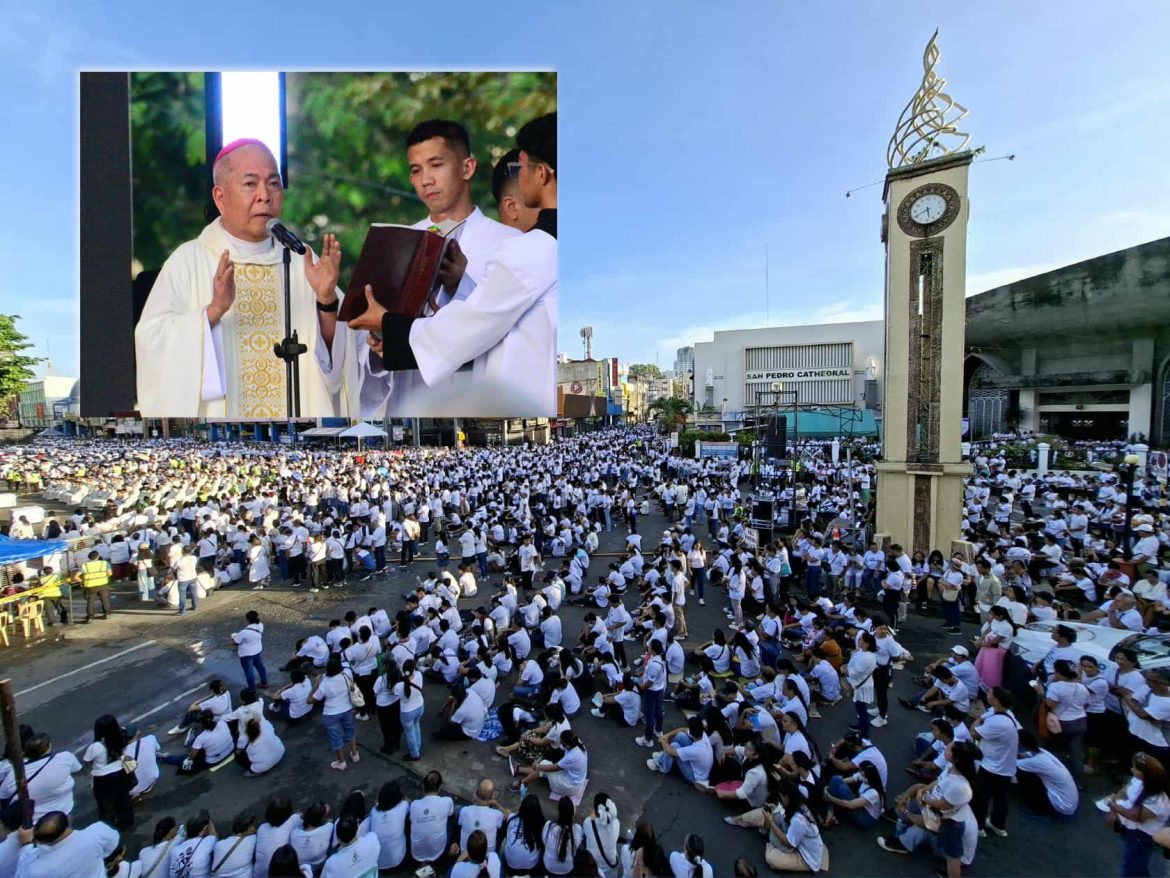
A JOINT security force ensured the peaceful and orderly completion of the Archdiocesan Penitential Walk and Holy Sacrifice of the Mass on Saturday morning, Oct. 25, 2025, which drew an estimated crowd of more or less 20,000 individuals.
Nearly 1,000 security personnel from various government agencies across the city were deployed on Saturday.
The security operation was spearheaded by the DCPO-Police Station 2 (San Pedro), with overall ground command provided by Police Major Emmanuel D. Manlatican. The police visibility operation began at 7:20 a.m. and continued until the activity ended.
Davao City Police Office spokesperson Captain Hazel Tuazon said the comprehensive security plan involved a total of 933 personnel from the city police office and various support units.
A combined force of 124 personnel from the PNP, including SWAT, NICA, and city mobile force companies, was on the ground.
They were significantly augmented by other crucial agencies: Task Force (TF) Davao with around 120 personnel, 535 from Civilian Security Unit (CSU), and 30 from Emergency Medical Services (EMS 911).
In addition to the personnel, the security teams utilized multiple mobile assets, including the PS2 patrol cars (M2587 and M19) and vehicles from City Mobile Force Company (CMFC) and TF Davao, to maintain a rapid response capability.
Tuazon said the security situation was observed to be peaceful and orderly.
She added that no major incidents were recorded, demonstrating the successful coordination between the Davao City Police Office, local government units, and military support from TF Davao.
