

A THREE-PHASE water supply program is eyed to roll out in Mindanao to address the lack of access to safe and reliable water in waterless communities.
Mindanao Development Authority’s Rapid-to-Resilient Water Supply Program aims to provide immediate relief and build long-term water systems for waterless communities across Mindanao.
MinDA is in talks with representatives from Standard Water Philippines Corp to realize the program.
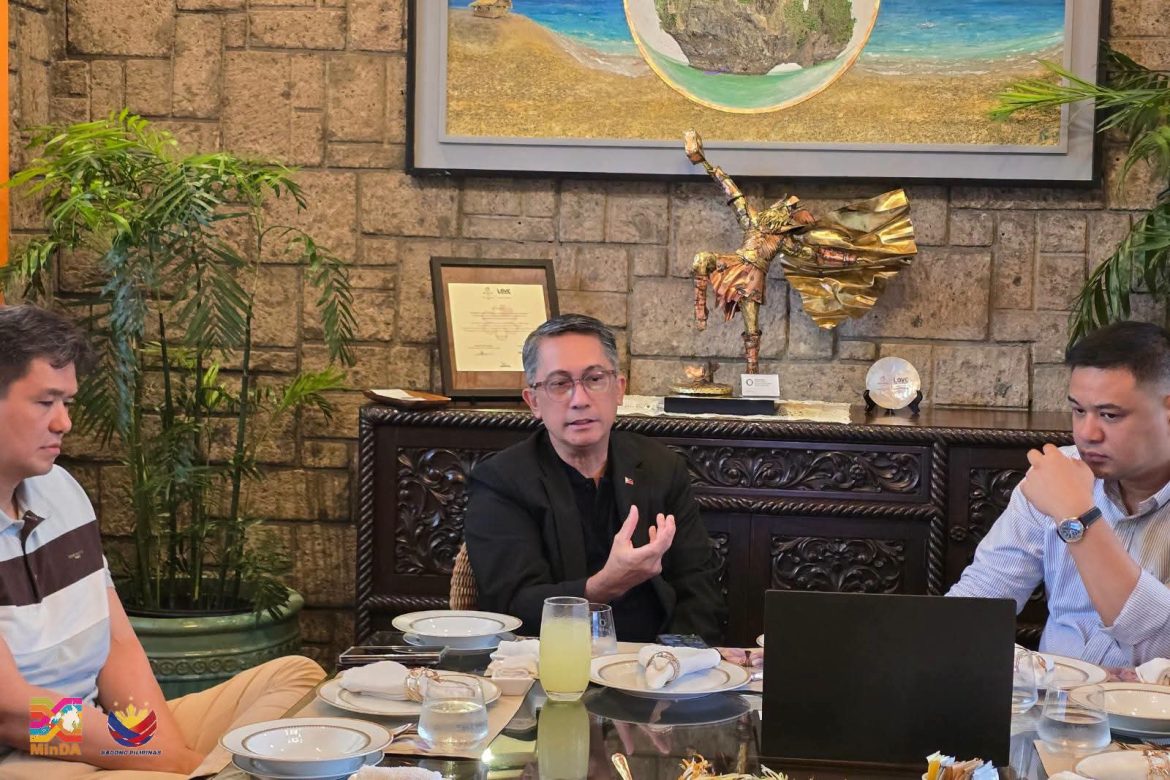
Ronnie Ong of Standard Water Philippines Corp discussed hybrid mobile water solutions designed to serve both small barangays and larger municipalities in a meeting with MinDA on Sept. 3.
In the first phase, mobile water treatment plants and tankers will be deployed in underserved and conflict-affected areas to provide immediate potable water.
The second phase will focus on building permanent systems such as deep wells, elevated tanks, and communal faucets to establish reliable local water sources and reduce reliance on tanker deliveries.
Finally, the third phase will focus on upgrading distribution lines and installing household metered connections to ensure sustainable and accountable water service for every home.
More than a humanitarian response, Secretary Leo Tereso Magno, MinDA chairperson, said the program is positioning Mindanao as the country’s next growth center and investment destination.
Providing water supply in waterless municipalities in Mindanao is one of MinDA’s flagship projects, along with the Mindanao Railway Project and the Mindanao Resiliency and Resource Center.
MinDA recognized that there are certain municipalities that already have a water source. However, a larger population in Mindanao has no access to Level 3 water systems.
Waterless municipalities, as per DILG, are those where 50% of the population does not have access to a Level 3 water system. Level 3 is connected all the way to the households in the area.
The timetable for implementation of the program is for 2025-2028, with an initial project cost of P3.9 billion, which could vary depending on the resources of the municipality.
Modalities of implementation and design of the program will conform to the nature of each area, as some areas rely on groundwater, while water desalination is eyed in island municipalities.