

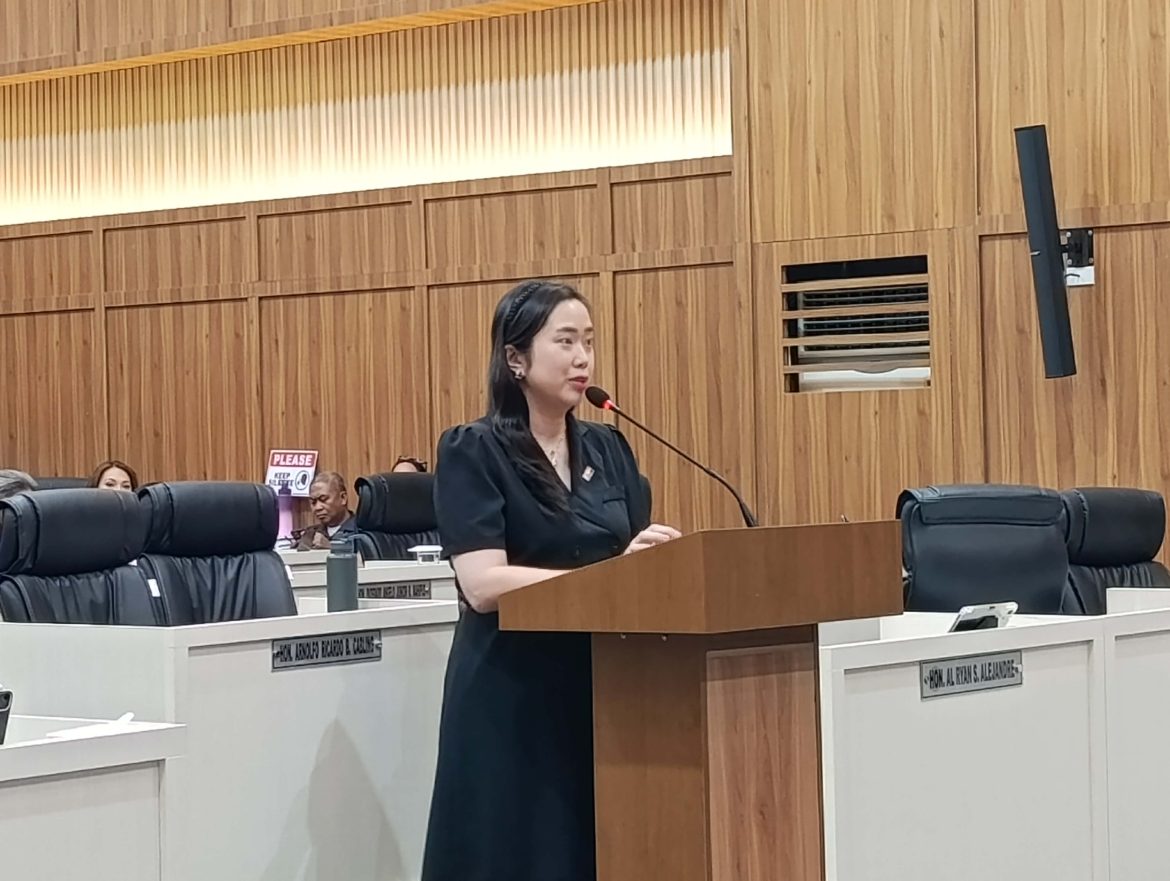
A LAWMAKER here is pushing for “Right to Care,” or Healthcare Proxy Ordinance, aimed at granting LGBTQIA+ couples and alternative family structures the legal authority to make critical medical decisions for their incapacitated partners.
Councilor Luna Acosta introduced the proposed policy in her privilege speech at Tuesday’s regular session, June 23.
Acosta said current traditional laws heavily restrict critical medical decisions and hospital visitation rights strictly to legally married spouses or the immediate next of kin.
“This leaves individuals in same-sex relationships, unmarried partnerships, or non-traditional households without the legal authority to consent to treatments or access medical records for their loved ones in the hospital,” Acosta explained.
Under the proposed Healthcare Proxy Ordinance, all healthcare providers within the city are mandated to recognize the valid medical consent, caregiver instructions, and decisions executed through a valid healthcare proxy card.
“The objective of the Right to Care or the Healthcare Proxy Ordinance is to ensure equality, equity, and inclusive healthcare for all Davaoeños, regardless of sexual orientation, gender identity, civil status, or family structure,” the councilor stressed.
Acosta clarified that similar policies have already been successfully adopted in cities like Quezon City, Iloilo, Cavite, and Cebu through the use of a Special Power of Attorney (SPA).
The proposal has been jointly referred to the Committee on Health and the Committee on Social Services for further review.
Along with the healthcare proxy proposal, Acosta also moved for the first reading of a proposed amendment to Davao City’s existing Anti-Discrimination Ordinance, which was originally adopted in 2012 and expanded in 2018.
“As we celebrate Pride Month this year, I also wish to emphasize that our work does not end with ordinances and programs. Davao City’s leadership on this issue demonstrates that protection for the LGBTQIA+ community is not just a matter of politics; it is a matter of human rights and basic decency,” Acosta said.
Acosta emphasized that the amendments are necessary to address critical gaps and integrate national frameworks like the Safe Spaces Act into the local ordinance.
The move to review was referred to the Committee on Rules to assess the proper legislative measures.