

BY ALEX ALAGON
BY ALEX ALAGON

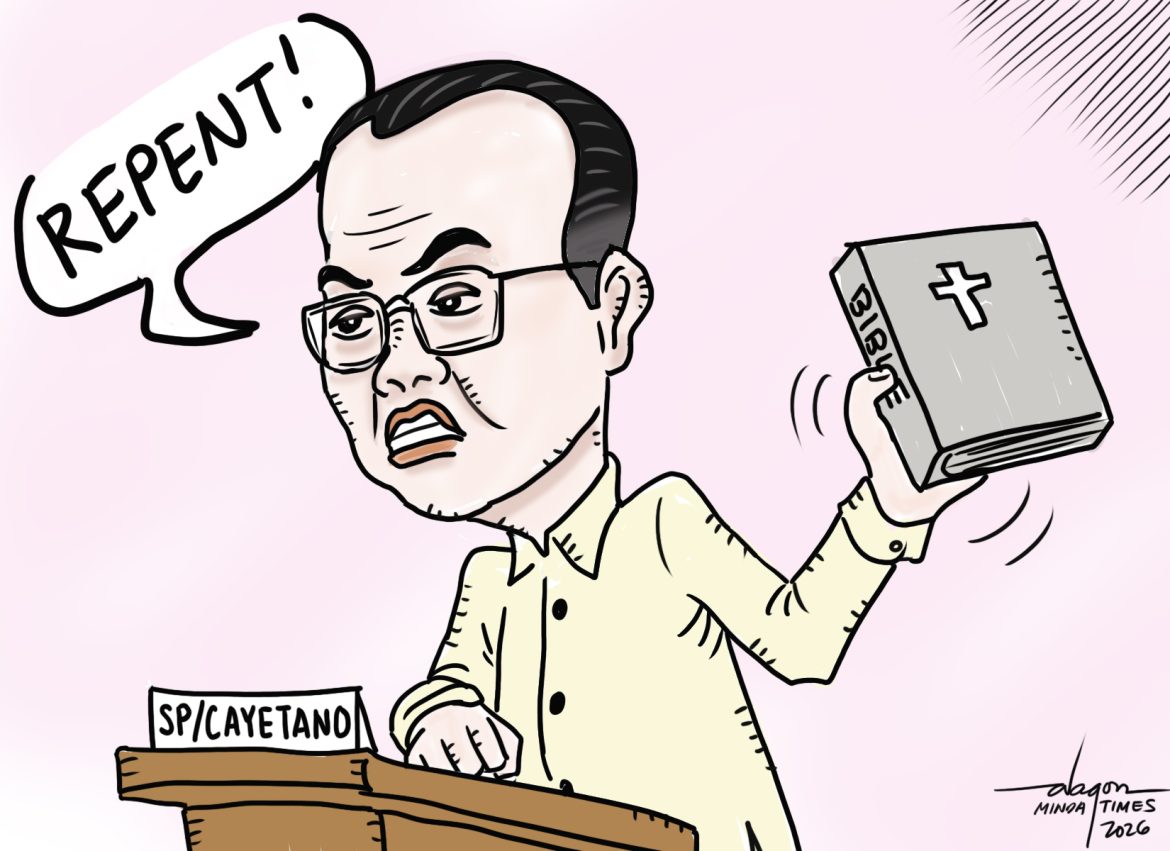
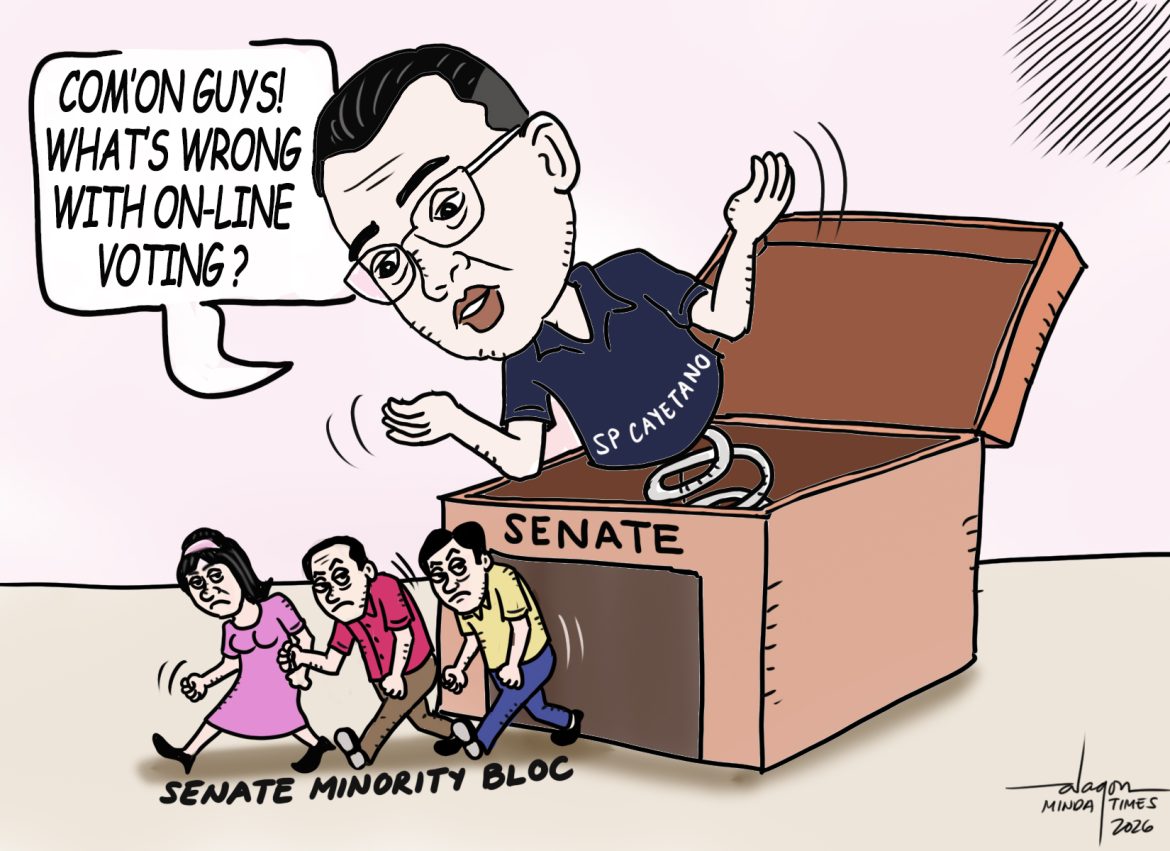
FOR THE past few days, the Senate has been the focal point of the nation’s attention. News reports have been filled with discussions of the impeachment proceedings against Vice President Sara Duterte.
Additionally, there have been debates regarding the legal arguments, the political positions of those involved in the Senate, and the debates amongst lawmakers. Social media platforms have also become the site where individuals of both Vice President Duterte’s support and critique share their thoughts on the issues and the proceedings. Yet, aside from these discussions, debates, and shareable posts, many Filipinos are simply watching the proceedings of the Senate.
As citizens, many of us show up every day to prepare for work, send our children to school, run our businesses, teach our classes, and complete the various responsibilities that are required of individuals to lead productive lives. Yet, in the midst of these essential endeavors, we are continually treated to Senate news. There are upcoming hearings. There are new legal arguments. There are more debates between lawmakers. Yet, for all of these developments, there is a growing sense of confusion among many citizens as to what, if anything, we are meant to do in response to these issues within the government.
Perhaps one of the most easily overlooked realities of many citizens is that while there are certainly problems within the government that should be addressed and discussed, the majority of citizens feel very, very distant from these issues. We are not lawyers. We are not politicians. We are not constitutional law experts. Yet, many of us find ourselves in a position of helplessness as the Senate continues to discuss and debate issues that have little relation to the lives of the average Filipino.
As citizens, many of us begin to feel powerless in the face of such issues. It is easy to become frustrated with the issues that our nation faces. It is easy to become angry at the responses to those issues by those in power. Yet, many of us also begin to feel tired of the never-ending political controversies that plague the nation. The number of political controversies that occur daily in the Philippines has contributed to the political fatigue that many citizens share.
Perhaps this is one of the greatest concerns for many individuals – the helplessness of citizens in relation to the nation’s problems. While the government is tasked with resolving the issues that exist within the nation and presenting solutions to those problems, the citizens should remain engaged in those discussions. Yet, many of us feel as if we are disconnected from the government and the issues that they discuss. Thus, perhaps the greatest challenge for citizens is not the issues themselves, but how to remain responsible citizens despite the overwhelming nature of many of those issues.
While it may seem unlikely, there are actions that each individual can take to contribute to the strength of our democracy. Even if we cannot attend the Senate debates, we can use our voices to share information appropriately online. We can work to listen to those with different perspectives without reacting to their opinions. We can work to continue to educate ourselves regarding the workings of our democracy.
Additionally, we can continue to exercise our right to vote in various elections. While these actions may seem very different from the Senate debates and legal proceedings, there is still value in the efforts of each citizen to remain a responsible, contributing member of our nation’s democracy.
It is understandable, then, the frustrations of many Filipinos. From farmers who are concerned for market prices for their crops to teachers who are concerned for the education of their students, and even workers who are struggling to afford the goods in their nation, it is understandable for each of these groups to feel frustration in the Senate debates.
Yet, perhaps there is a lesson to be learned in the Senate debates of the past few days regarding each of our roles as citizens of the nation. While many of us may not have power over determining the outcomes of the Senate debates of the past few days, we do have power over how we respond to those debates.
In a world where it is easy to ignore the problems of our nation or to become overwhelmed by their seemingly intractable nature, perhaps it is also important to recognize that even in the face of these problems, our role as citizens continues to matter.
While the Senate continues to make history today, the future of the democracy of the Philippines will not be determined within the government’s halls alone. Rather, the future of our democracy will also be determined by the individuals within our homes, our classrooms, our workplaces, and within the conversations that connect Filipinos to one another.
Thus, as the nation continues to watch the developments in the Senate, perhaps one of the questions that should be asked by each Filipino is the following: When it appears that the problems of the nation are larger than ourselves, and when the solutions to those problems appear to lie beyond our reach, how do we continue to believe that our role as citizens of the nation of Philippines still matters? Perhaps the answer is found in recognizing that our democracy is not built only by those with power within the nation’s government. Instead, it is also built by those with the will and responsibility to remain citizens of the nation.
Kethelle I. Sajonia is a college instructor at the University of Southeastern Philippines, Mintal Campus. She is currently in the final phase of her Doctor of Communication degree at the University of the Philippines. Her research interests include inclusivity, education, communication, and social development. She actively engages in scholarly research and community-based initiatives that advocate for inclusive and transformative communication practices.
BY ALEX ALAGON
MANILA, Philippines – Public trust in key government institutions linked to the flood control project (FCP) controversy remains markedly low, reflecting sustained public concern over transparency, accountability, and overall government credibility.
Legislative institutions continue to face weak public sentiment. The Senate recorded 25% approval and 14% trust, while the House of Representatives posted 23% approval and 13% trust. Distrust toward both bodies remains high, with around one in two voters expressing skepticism—indicating deeply entrenched public doubt.
Among implementing and oversight agencies, the Department of Public Works and Highways (DPWH) registered the lowest ratings, with 20% approval and 13% trust. Although distrust slightly declined from the previous quarter, it remains elevated at 60%, signaling continued public concern over infrastructure management and project execution.
Fiscal agencies also show subdued confidence. The Department of Finance (DOF) recorded 28% approval and 19% trust, while the Department of Budget and Management (DBM) posted 25% approval and 17% trust. In both cases, about four in ten voters expressed distrust, highlighting concerns over budget allocation and financial stewardship.
Accountability institutions similarly received modest ratings. The Commission on Audit (COA) posted 34% approval and 25% trust, with 30% distrust. The Department of Justice (DOJ) recorded 33% approval and 24% trust, alongside 39% distrust. The Office of the Ombudsman registered 28% approval and 19% trust, with comparable levels of distrust (38%), raising questions about the perceived effectiveness of anti-corruption and enforcement mechanisms.
Also, the Commission on Elections (COMELEC) registered 30% approval and 21% trust, while 44% of voters expressed distrust.
Overall, the results point to a broad pattern of low trust across institutions involved in legislation, budgeting, implementation, and oversight—underscoring the need for stronger transparency measures and credible accountability efforts to restore public confidence.
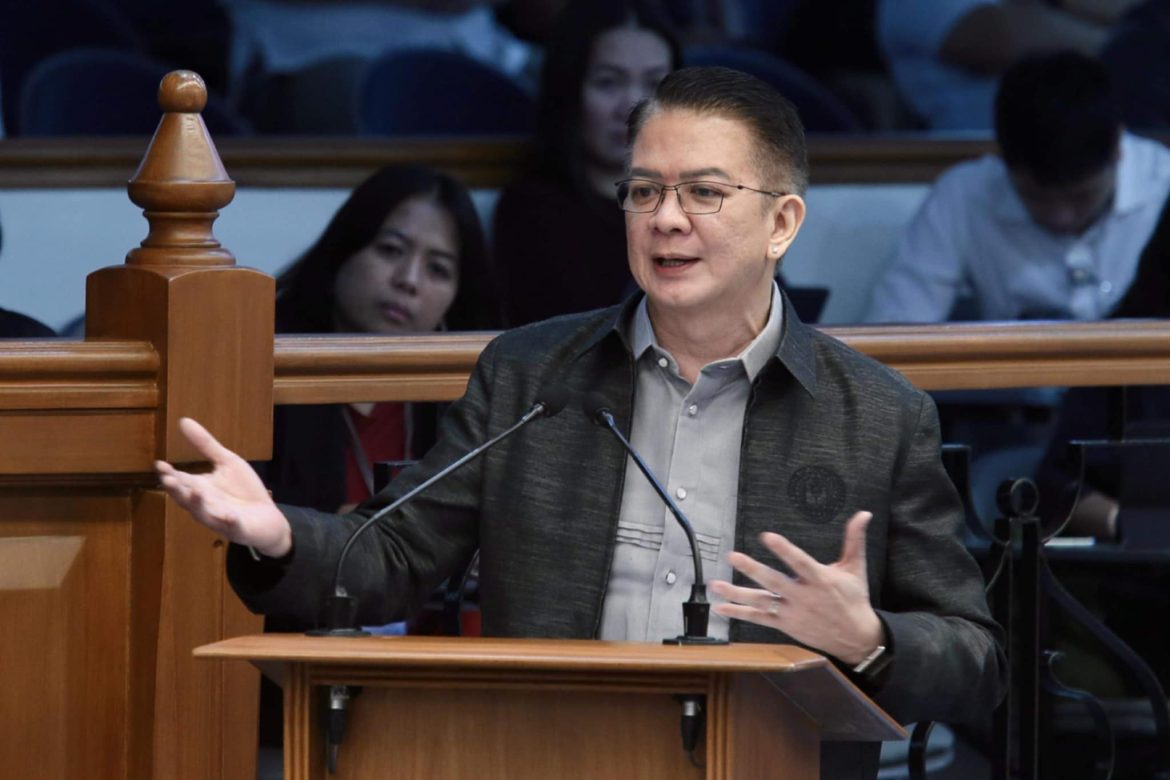
AFTER championing VAT-free electricity to ease household costs, Senator Francis “Chiz” Escudero has filed Senate Bill No. 498 to mandate insurance coverage and additional benefits for line workers who build, maintain, and repair the country’s electrical transmission and distribution systems.
“They perform both critical and dangerous work,” Escudero said in the bill’s explanatory note. “Yet a number of them do so bereft of any form of coverage against death, accidents, illness, and other fortuitous events that could be sustained in the line of duty.”
The proposed Line Workers Insurance and Benefits Act seeks to require private distribution utilities, electric cooperatives, and transmission or grid operators to provide insurance coverage and entitlements such as retirement and disability benefits, death and burial assistance, and medical expense reimbursements.
“The coverage of my proposed bill also extends to drivers, helpers, and support crew who are deployed alongside line workers during construction and maintenance operations,” the senator pointed out.
“Employers will be responsible for paying the full cost of insurance premiums, which cannot be deducted from employee wages. This provision ensures that workers receive full protection without bearing the financial burden,” he added. The veteran legislator explained that the measure draws from House Bill No. 7561, which the House of Representatives approved in the 19th Congress.
“The provision of insurance coverage and other benefits would ensure that our line workers, as well as their families, are protected from the risks and perils of their chosen occupation,” he said.
Escudero expressed hope that SB 498, which is currently pending before the Senate Committees on Energy and Labor, will be taken up soon as session resumes next week, stressing the urgency of protecting line workers who face daily hazards in the performance of their duties.
The measure complements the Bicolano senator’s broader legislative agenda focused on consumer relief and labor protection. By turning the spotlight on line workers, Escudero highlights his commitment to both affordability and dignity in public service delivery.

MANILA, Philippines — Public trust in government institutions remains mixed, with the Department of Public Works and Highways (DPWH) emerging as a rare bright spot, according to the PAHAYAG 2025 End-of-the-Year Survey covering Cabinet performance, agency approval, and public trust.
Findings show that while the majority of government agencies (20 out of 33) remain stable in public approval, several critical institutions continue to suffer significant drops. Agencies involved in flood control, rising prices, transport issues, corruption, and economic management—including the Senate (28% to 24%), House of Representatives (21% to 20%), Department of Health (49% to 44%), Department of Trade and Industry (42% to 34%), Department of Transportation (42% to 37%), Department of Agrarian Reform (38% to 35%), Department of Finance (30% to 26%), and DEVDEP (formerly NEDA) (35%to 31%)—registered notable declines this quarter.
The DPWH is the only agency to register a significant recovery in both approval and trust this quarter, making it the sole gainer among government agencies. Public approval rose from 12% to 16%, while trust ratings also improved (8% to 10%), reflecting growing confidence in the department’s ongoing infrastructure and flood-control programs under Secretary Vince Dizon. This recovery, alongside a similar gain for the Commission on Audit (31% to 35%), credited for its active role in auditing government officials and agencies, offers a rare glimmer of positive public sentiment in an otherwise challenging quarter for many institutions.
Distrust persists in legislative bodies
Despite the DPWH recovery, Filipinos remain skeptical of the Senate and House of Representatives. Trust in the Senate fell to 31%, with 57% expressing low or no trust. The House of Representatives mirrored this pattern, with low/no trust at 38% and moderate trust at 34%, reflecting public concern over legislative responsiveness and governance.
A broad list of agencies experienced declining trust, including the AFP, PNP, Supreme Court, DFA, DOH, DTI, DOTr, DAR, Comelec, DOF, DEVDEP, DBM, DHSUD, and CSC. The trend may reflect general public wariness of government performance amid persistent social and economic challenges.
While most agencies maintain stable approval, public perception highlights gaps in performance, particularly among agencies directly linked to governance, economic management, and legislative functions. The DPWH’s recovery stands out as a model of how leadership and visible results can translate into public confidence.
PEOY-2025 is an independent, non-commissioned nationwide purposive sampling survey conducted from December 7 to 10, 2025, comprising 1,500 respondents who are registered Filipino voters, randomly selected from the market research panel of PureSpectrum, a US-based panel marketplace with global operations and a regional office in Singapore.
PAHAYAG is a CSR of PUBLiCUS Asia Inc., which has tracked key metrics since 2017, while Vox Opinion Research is its commissioned research arm since 2007.