By Dr. John Michael P. Lacson, Ph. D.
CORALS are animals. At one point in their life, they are minuscule larvae, called planulae, that float with sea currents until they find a good place to attach to and grow. Then they grow into a colony, which can resemble bushes, branches, tables, plates, or boulders, among many other fascinating shapes.
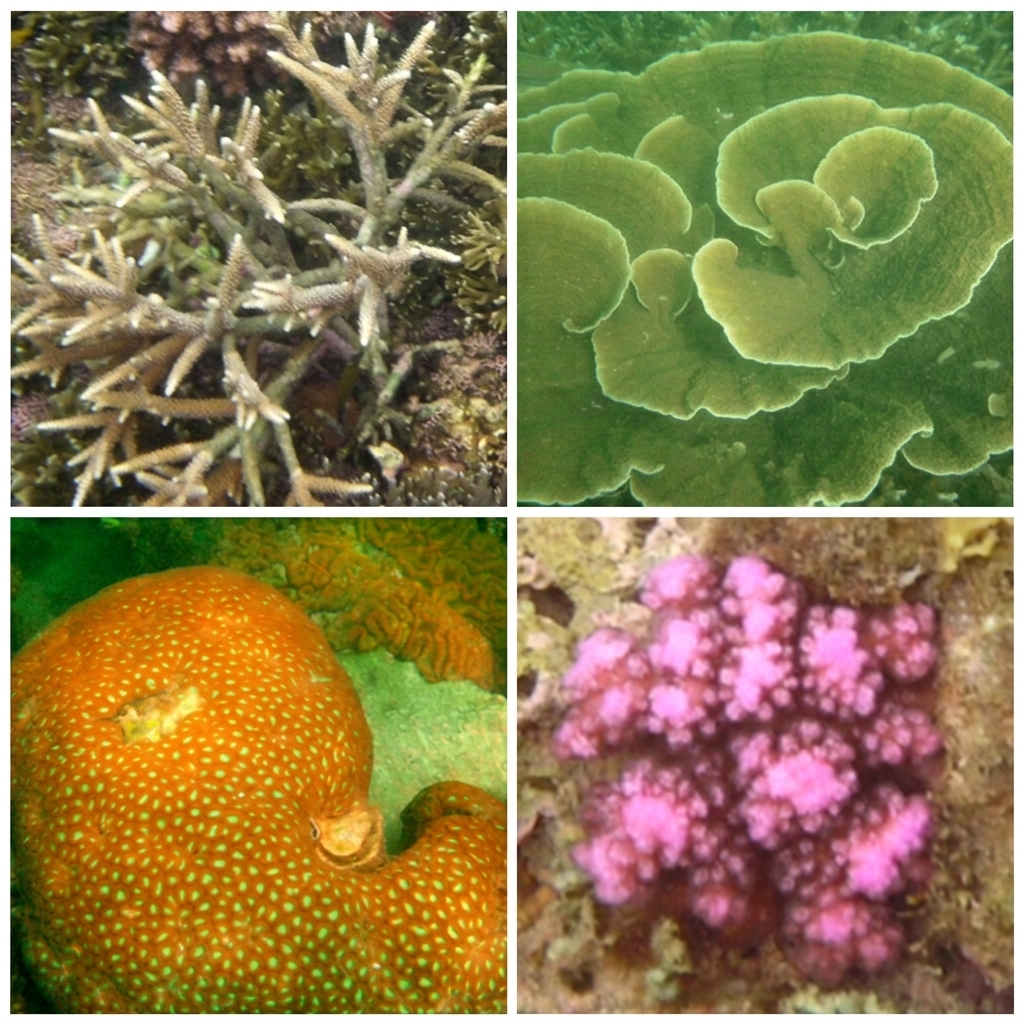
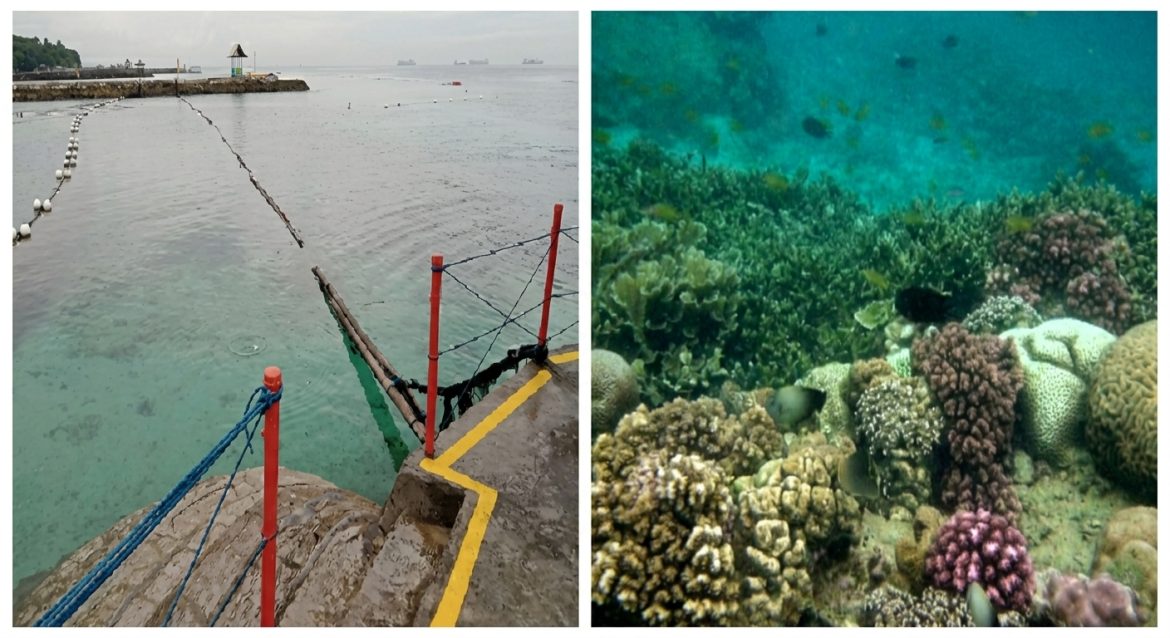
Here in Paradise Reef, we have all of the above: around 70 species of hard corals and 20 or so soft corals (those actually soft to the touch, but in the same Phylum).
In underwater Paradise, we lend a hand to Mother Nature. We provide her with custom-built cement Artificial Reef Cubes called ARCs, which we strategically dispersed on the seafloor perimeter of Paradise Reef. Five ARCs were deployed in 2023.
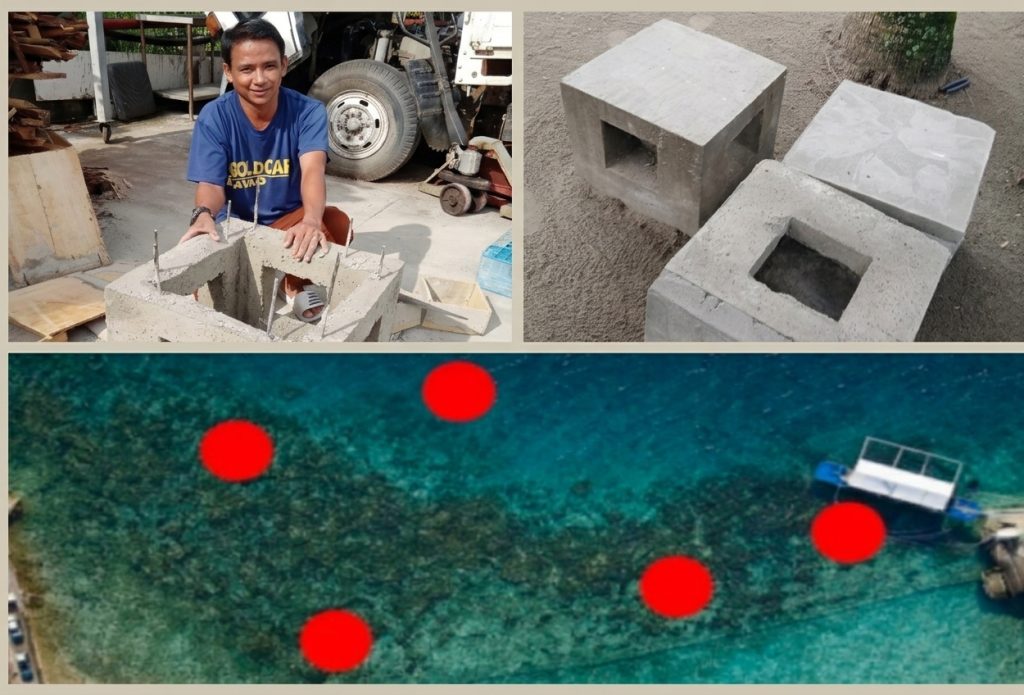
First, these hollow cement cubes give coral larvae a surface on which to grow. This is called colonial growth, and it takes time, in months and years- the same amount of time as if the larva took hold on the seafloor or a Rocky ledge.
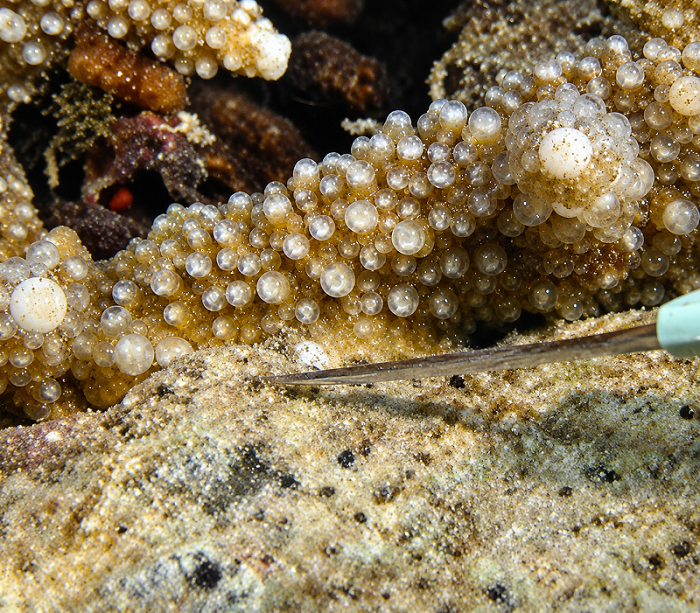
Second, we are able to rescue corals that have accidentally broken (by waves crashing during a storm) or have become dislodged (by strong waves or by impact from floating debris). We find such corals of opportunity and affix them to an ARC.
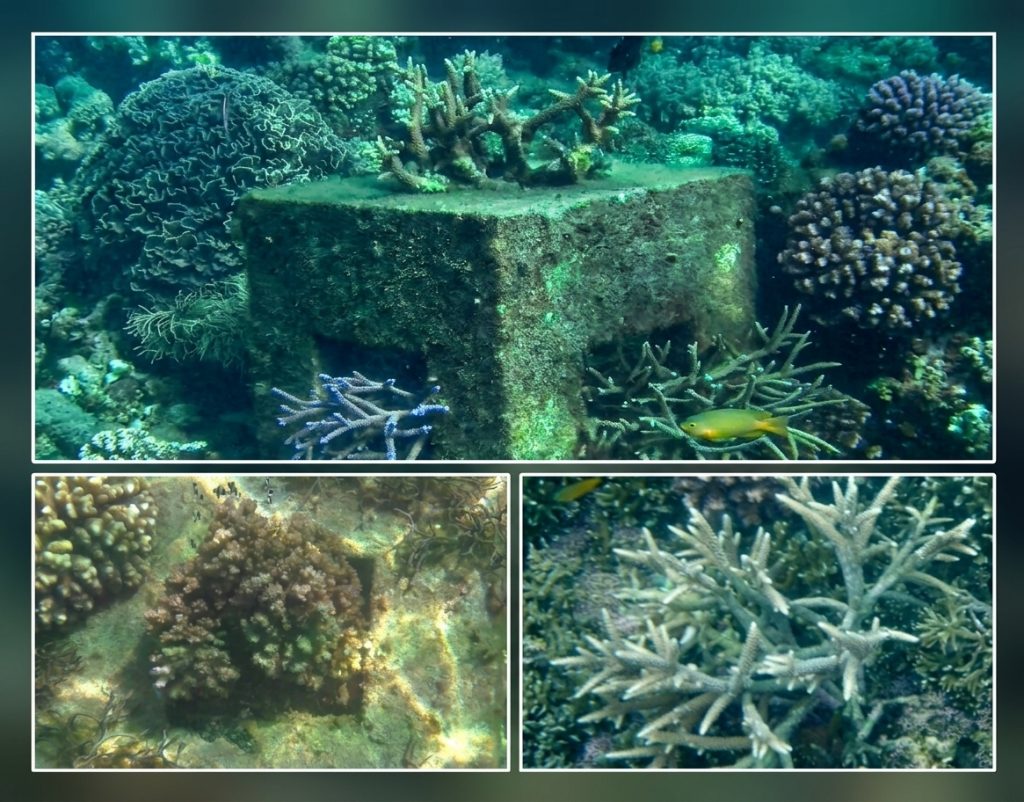
There they eventually fuse to the ARC and continue to grow at natural rates. To prove this, we measure scientifically once a week, just like parents measure the height or weight of a child.
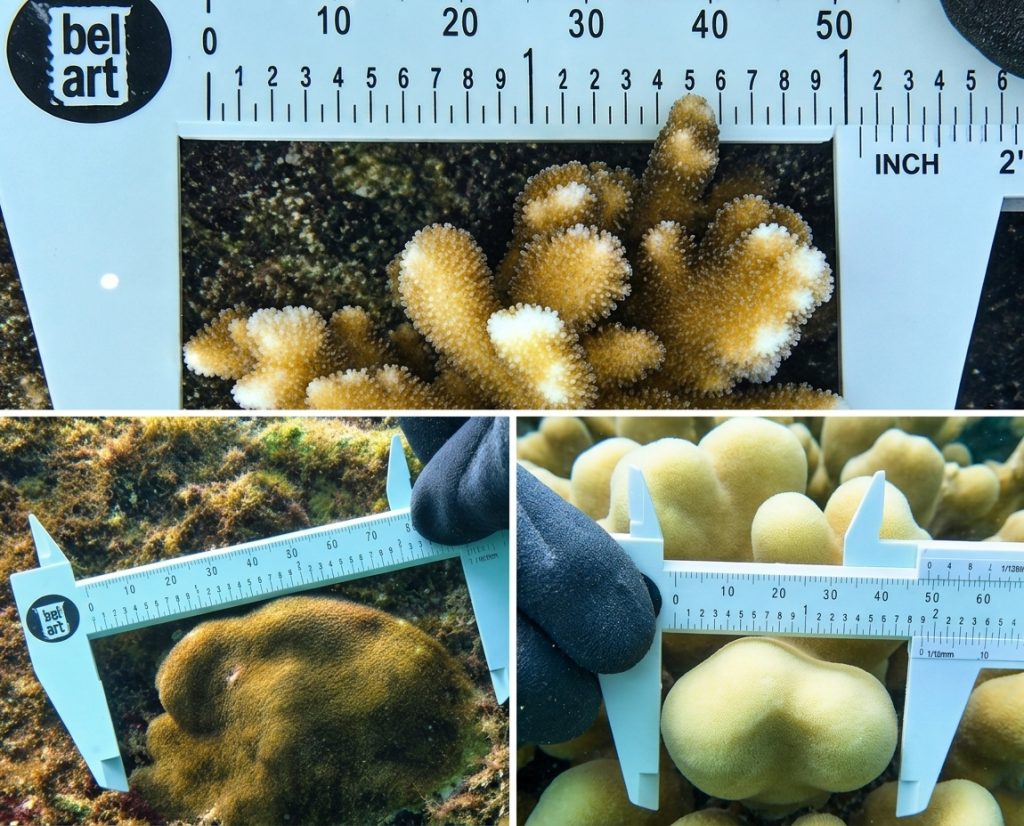
From this, we have learned that branching corals, like those belonging to the Acroporid and Pocilloporid assemblages, can, at some point in their lives, grow at a rate of 1 centimeter per month.
Other corals, which eventually grow into massive, boulder-shaped structures, grow much more slowly. These types, whose appearances seem star-shaped or honeycombed, may grow just a few millimeters per month.
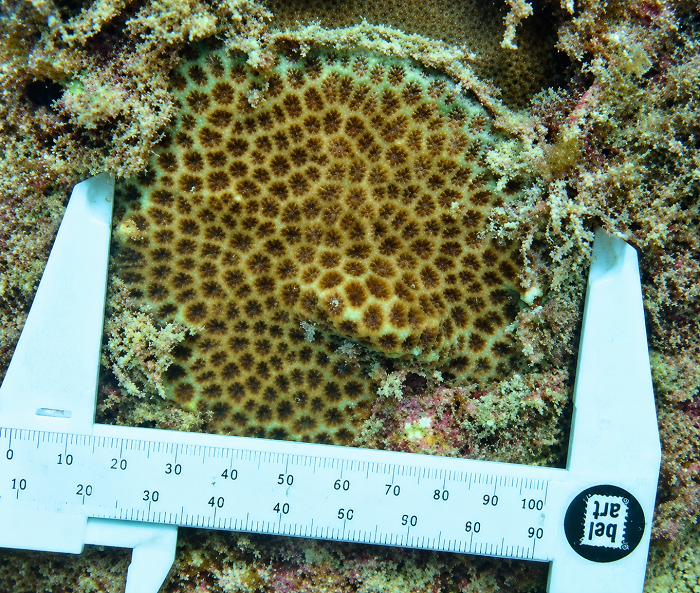
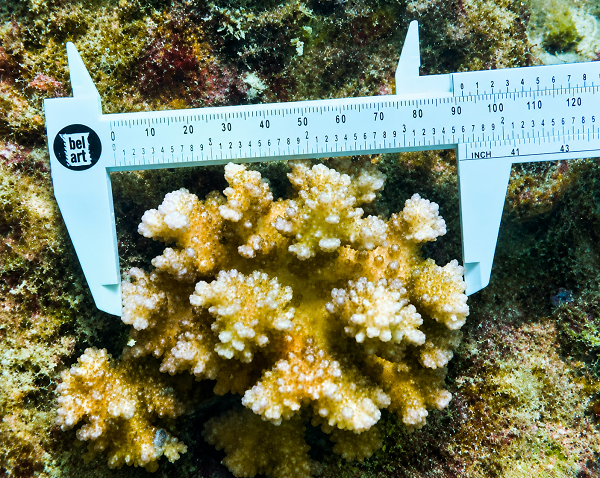
Why put such effort into refreshing, replenishing, and recovering? Because no corals, no fish, no spectacular wildlife, and no grand vistas. Reefs need help, because corals are not often the stars of the show.
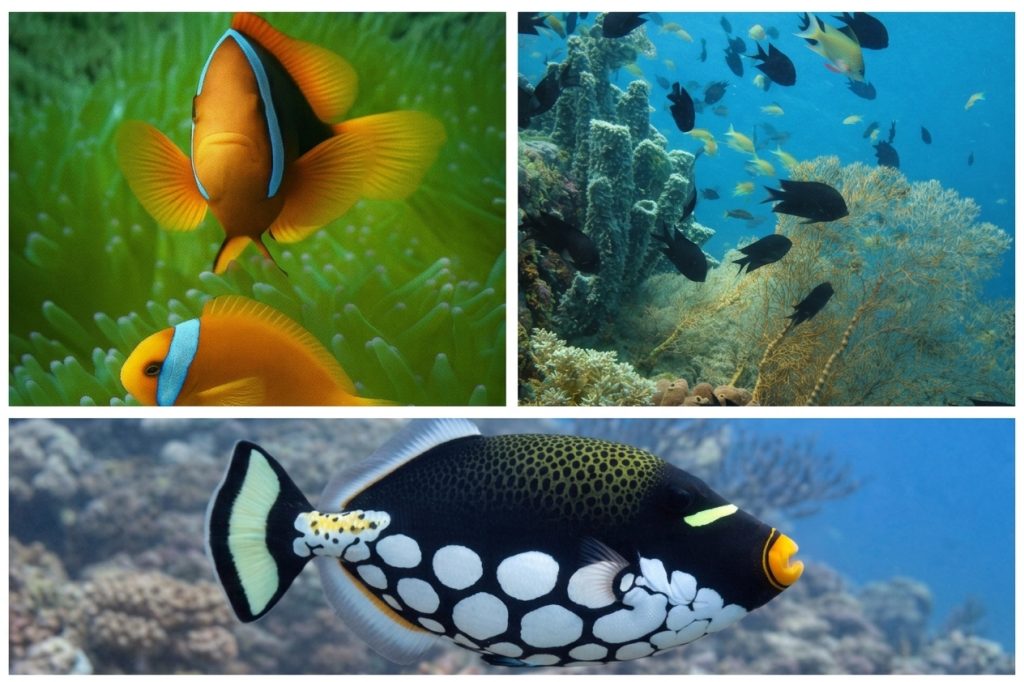
We often enjoy the stars, but forget the backdrop. Coral reefs are indeed the rainforests of the sea.
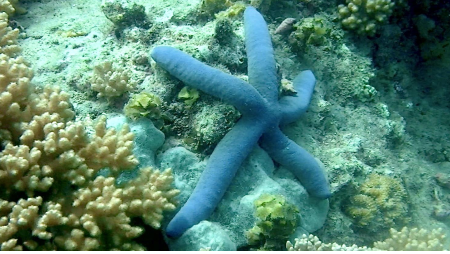
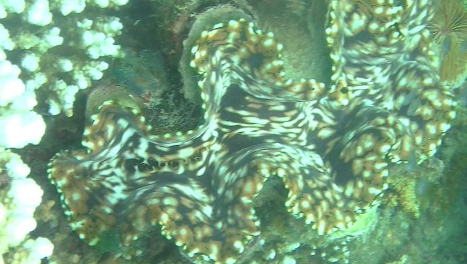
Visitors are welcome to view the ARCs of Paradise Reef and the reef highlights. Free guided tours with our dive masters are available daily here at Paradise Island Beach Resort, Samal Island, Davao del Norte, or contact the author at jjmplacson8@gmail.com.