

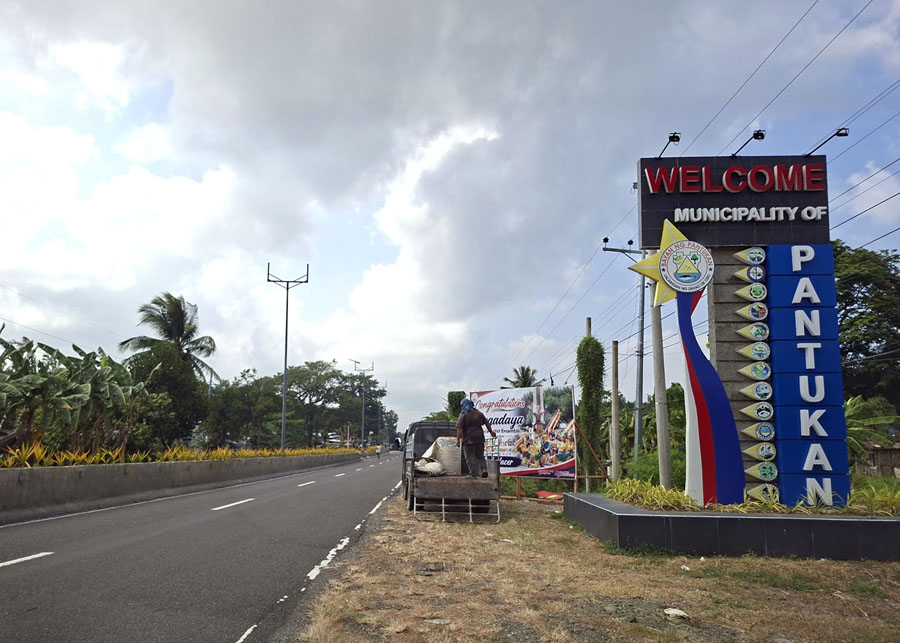
DRIVING from the national highway that cuts through the heart of Pantukan, Davao de Oro, one can see the patchwork of retail shops, the bus terminal, the unassuming municipal hall, and the quiet stir of provincial life. The downtown area is quite small. Blink, and you might have already passed by it.
This town drew its lifeblood from land long famous for producing gold and coastal waters breathing life into tourism, as visitors flock to the area for its white sand beaches and sparse crowds.
But for years, another force has shaped daily life here: the cost of electricity.
Now, the town’s residents and small business owners will navigate an entirely different kind of reality: the looming promise of a major power transition.
The Market Stall Owner: Protecting Margins
For 31-year-old May Ann Corvo, an eatery and wet market stall owner and a mother of two, the discussion around electricity is not abstract—it hits directly at her business’ balance sheet.
So, she doesn’t need much convincing when pressed for sentiment about her electricity expenses.
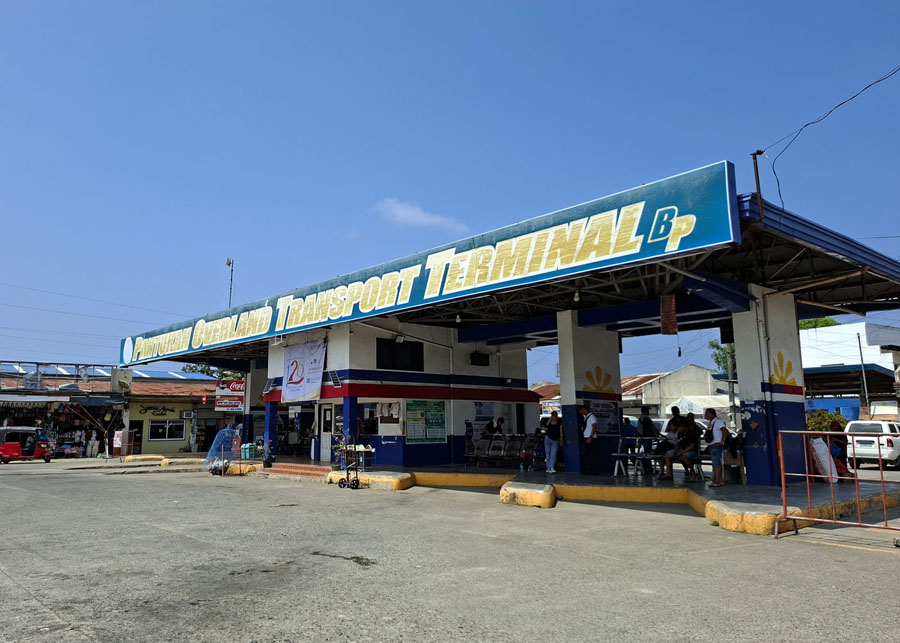
“I just paid P3,200 this past August billing, and that’s already painful since we don’t earn much,” she said. “They just said the kilowatt-hour increased, although we don’t really understand it that well.”
Corvo turned philosophical, perhaps to salve the financial hit. “At least, it wasn’t P7,000, which was what I paid this March. That was probably the highest bill that we received.”
Electricity makes up about 15% of Corvo’s monthly expenses, and any upward fluctuation instantly erodes her profits. Her business relies heavily on two large freezers storing frozen meat—vital assets that risk spoiling whenever an extended power outage strikes.
“One thing I could say is that our power situation has become more stable, probably starting this year,” she admitted, looking toward the bustling street. “I don’t remember any lingering brownouts except when they announce scheduled maintenance.”
Still, the prospect of new leadership in local power distribution brings hope to business owners like her. “I welcome Davao Light’s entry into our town. I know some of my customers who swear that they offer cheaper rates, and so I always go where I could maximize my profits.”
The Repair Shop Owner: Seeking Consistency and Swift Response
Across town, Dodong Alo shares a similar sentiment. The 31-year-old owner of a local cellphone repair shop is intimately familiar with Davao Light’s brand of service, having lived in Toril, Davao City, for three years before settling in Pantukan.
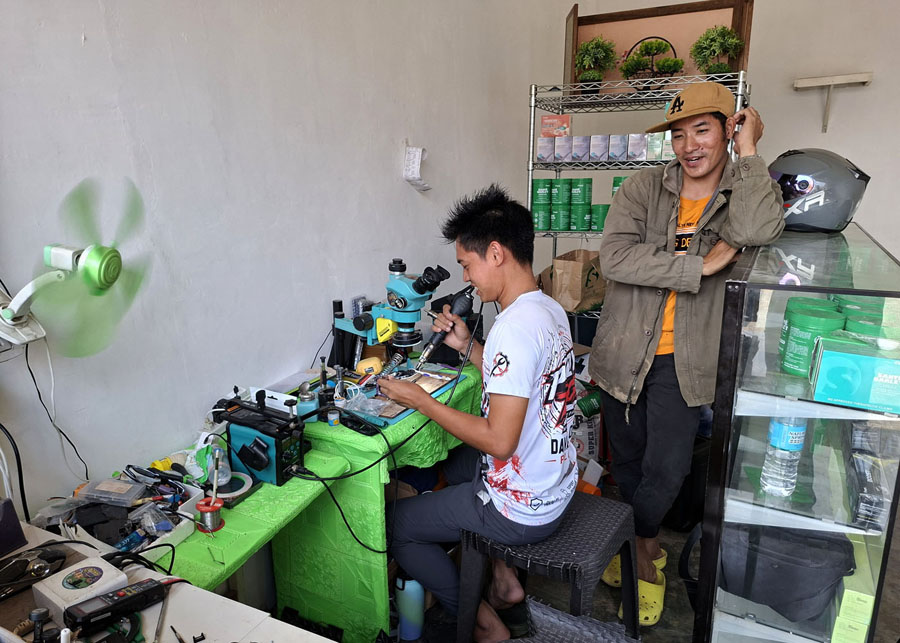
One thing that left a lasting impression on him was how quickly the utility firm manages emergency repairs.
“What I like about Davao Light is that they don’t waste time,” he said. “When you call them, you can expect a swift response.”
While he hasn’t had an opportunity to call the current electricity provider to compare emergency response times, Alo expects Davao Light to bring that same standard of service when it eventually takes over distribution in their small town.
Price consistency remains another critical area where he hopes to see improvement. Alo recalled paying an average of P300 per month while living in Davao City. In Pantukan, he pays P100 to P200 more for his monthly bill without having acquired any additional appliances.
“What we would have liked is consistency. They just jack up the price without any explanation,” he said. “One of the most common complaints here is they seem to be disorganized. Although I must admit that their services have improved in recent months, probably after learning that there is another player in town.”
The Traveling Carpenter: Experiencing the Shift Firsthand
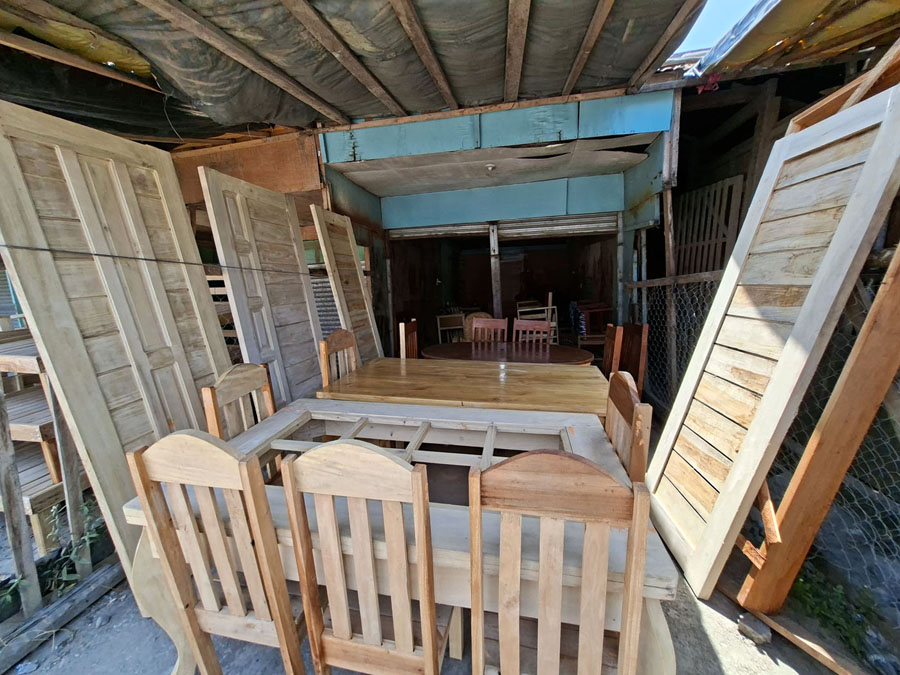
Every day, Reynaldo Renegado, 42, a carpenter, takes his motorcycle for a 40-minute ride along the highway from Tagum City, where he resides, to Pantukan, where he watches over a furniture shop that also sells his hand-crafted woodworks.
On May 26, 2026, Davao Light officially assumed distribution and collection in Tagum City following the supplemental writ of possession served to Nordeco on May 25. That step followed an earlier takeover in March, when the utility firm initially took control of the electric cooperative’s substations in Tagum City and the Municipality of Asuncion.
The expansion was backed by Republic Act No. 12144, which officially expanded Davao Light’s franchise into Davao del Norte.
Because of his daily commute between Tagum and Pantukan, Renegado enjoys the unique advantage of personally experiencing the services of both power utility firms.
“We did not have many brownouts even before Davao Light took over,” he said, looking over his shop’s inventory. “But I could explicitly say that our electricity bill in our house has gone down.”
He broke down the practical difference: “For instance, on average, I paid P2,900 to Nordeco, but it’s P2,500 with Davao Light. P400 might not seem much, but that extra money goes to our food budget.”
Renegado said that they heard whispers of Davao Light taking over, and he believes it would only benefit the town, judging by his experience with the utility firm in Tagum City.
With the neighboring areas already witnessing lower rates and faster service, the arrival of a new power provider represents a new hope. May Ann Corvo, Dodong Alo, and Reynaldo Renegado are not just names. They are the heartbeat of the town in transition.