

BY HIROTAKA ONO/CONSUL GENERAL OF JAPAN IN DAVAO
EVERY July 23, Japan and the Philippines celebrate Philippines-Japan Friendship Day. In 2026, we mark the
70th anniversary of the normalization of diplomatic relations between our two countries.
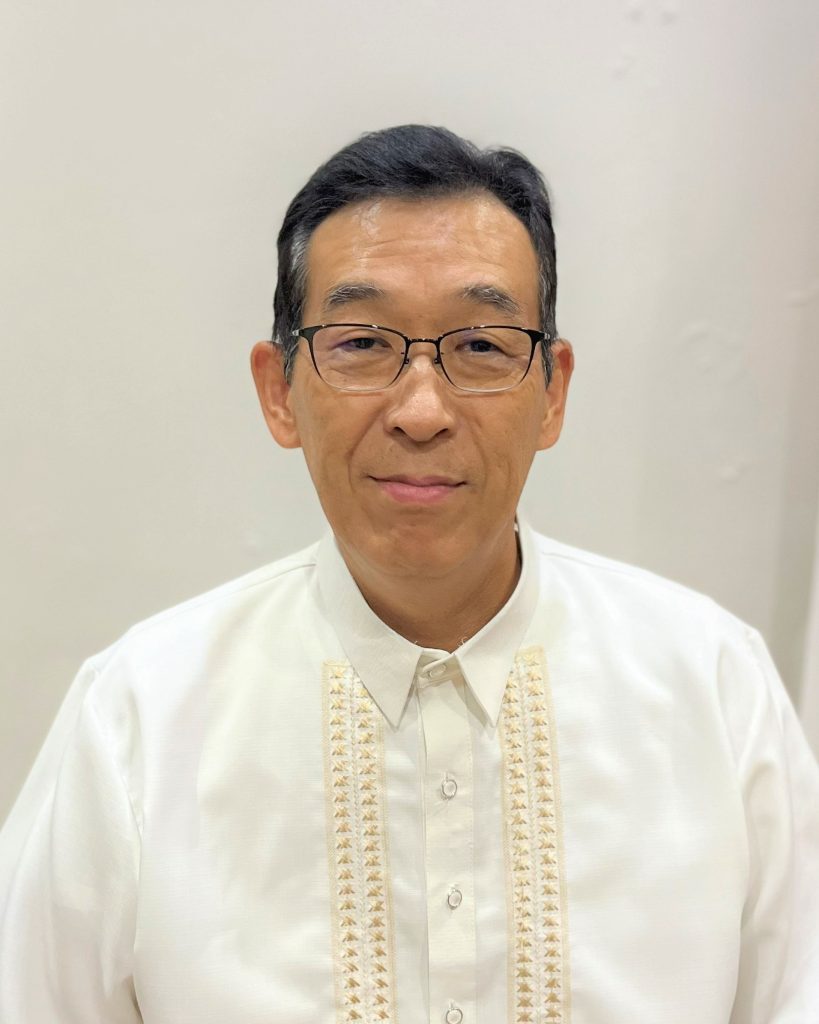
Anniversaries invite us to reflect not only on our achievements, but also on the values and choices that made them possible. Having worked on Japan–Philippines relations for much of my diplomatic career, I believe that one of our greatest achievements over the past seventy years is the trust rebuilt by two peoples who, after the tragedy of war, chose reconciliation, dialogue and hope. This friendship was neither immediate nor inevitable; generations built it by choosing reconciliation over resentment.
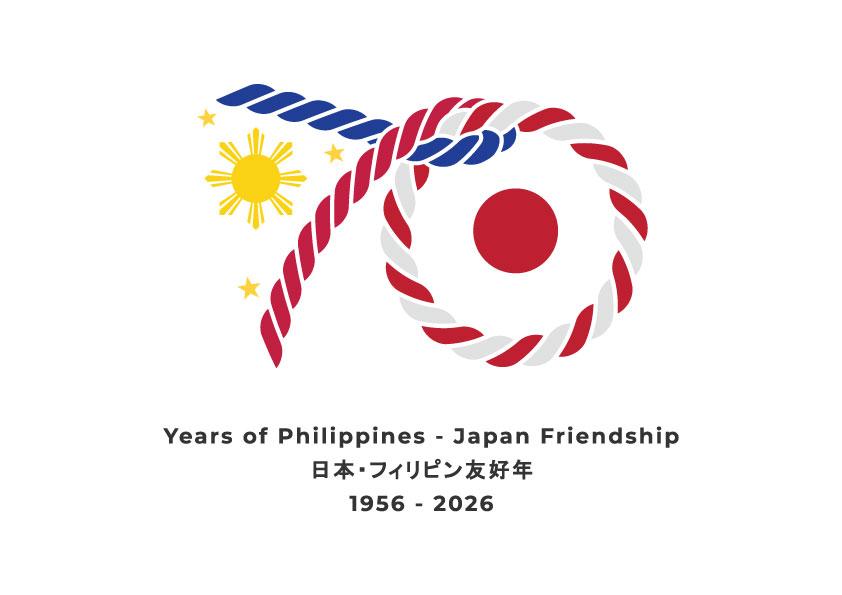
This year’s anniversary theme, “Weaving the Future Together: Peace, Prosperity, Possibilities,” beautifully captures that spirit. The official logo intertwines Japan’s shimenawa rope with Philippine abaca fiber. In Mindanao, abaca is more than a symbol; it is part of a shared story of human connections that began long before diplomatic relations were normalized.
That story began in 1903, when the first group of Japanese migrant workers arrived in Davao. Many later settled and engaged in abaca production. They built homes, schools, shops and businesses, married Filipinos, and became part of Mindanao’s social fabric. At its height, Davao was home to the largest Japanese community in Southeast Asia.
The Second World War, however, brought immense suffering to the Filipino people, tearing apart communities and families, and many lost loved ones. Japan remembers this painful history with deep remorse. We must preserve its lessons. True friendship is forged not by forgetting the past, but by facing history honestly and choosing to walk the path of peace together.
A powerful symbol of Filipino reconciliation was President Elpidio Quirino’s 1953 decision to pardon 105 Japanese prisoners convicted of war crimes and detained in Muntinlupa, despite having lost members of his own family during the war. President Quirino chose not to pass hatred to the next generation. That act of moral courage helped open the path to the restoration of diplomatic relations on July 23, 1956.
In Mindanao, reconciliation was not achieved only through diplomatic decisions or official agreements. It was also woven quietly through the actions of ordinary people and communities.
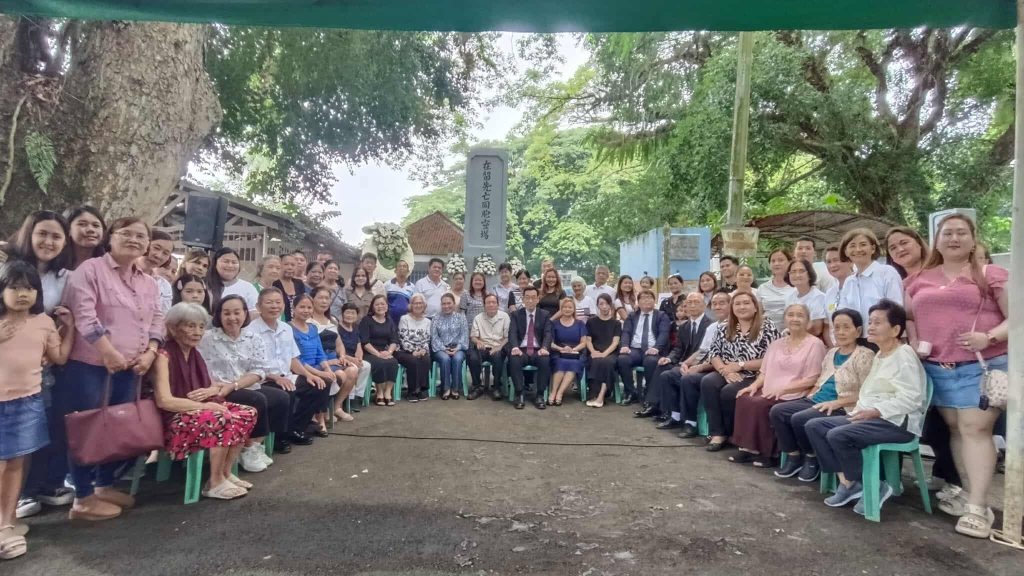
In 1968, former Japanese immigrants returned to Davao to commemorate Japanese who had lost their lives before and during the war, and residents of Mintal welcomed them. Subsequent visits and personal exchanges gradually renewed ties among local communities, Japanese descendants, and people in Japan. Some Dabawenyos still remember receiving notebooks, pencils, toys, and Japanese snacks as children. Such gestures remind us that reconciliation is built through countless encounters: one visit, one conversation, and one act of kindness at a time.
The Japanese-Filipino community in Mindanao has been essential in preserving this shared history. Among those who have carried this important responsibility is the Philippine Nikkei Jin Kai, which, working with educators, legal advocates and supporters in Japan, has helped Japanese descendants recover identities and family histories obscured by war and discrimination.
Through historical preservation, commemoration and education, the Nikkei community has turned a difficult history into a bridge to the future. The IMIN Philippine-Japan Historical Museum in Calinan, Davao City, preserves the history of Japanese-Filipino relations in Mindanao. The annual Ireisai memorial ceremony, held at the Public Cemetery of Barangay Mintal in Davao City, honors those who lost their lives during the war and prays for lasting peace. The Philippine Nikkei Jin Kai International School and Mindanao Kokusai Daigaku pass this history to younger generations through education and cultural exchange.
The trust built through these generations of human connections continues to shape the relationship between Japan and Mindanao today. It is reflected today in Davao City’s ties with Japanese cities, including Kitakyushu City (Fukuoka Prefecture), Sennan City (Osaka Prefecture), and Hamamatsu City (Shizuoka Prefecture). These partnerships demonstrate how local governments and communities can build partnerships across borders in areas such as the environment, education, and human-resource development.
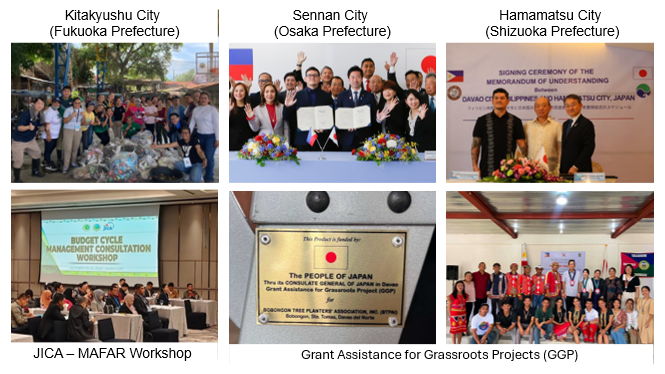
Across Mindanao, Japan has sought to be a steady partner for peace and development. Through long-standing support for the Mindanao peace process and the Japan-Bangsamoro Initiatives for Reconstruction and Development (J BIRD), Japan has helped communities experience tangible dividends of peace. Cooperation in education, health, livelihoods, agriculture, governance and human-resource development reflects Japan’s commitment to human security: ensuring that every person can live with dignity, free from fear and want.
The same spirit can be seen in the Davao City Bypass project, grassroots assistance for farmers, schools and health facilities, disaster-response cooperation, Japanese investment, and the work of volunteers and civil society. Its value lies not only in the projects completed, but in the lives they touch: opportunities created, children educated, and communities strengthened.
On this 70th anniversary, I offer Japan’s heartfelt gratitude to the people of Mindanao: to families who preserved difficult memories with dignity; to the Nikkei community that transformed hardship into service; to leaders who chose reconciliation; to barangays that welcomed visitors and to the teachers, workers, entrepreneurs, farmers, artists, journalists, students and volunteers who have woven their own threads into our friendship.
The relationship we enjoy today is not the achievement of governments alone. It belongs to all of you.
Now we must weave the next chapter for future generations. Japan seeks to continue engaging with Mindanao in peacebuilding, quality infrastructure, disaster resilience, agriculture, education, culture, green transformation and digital innovation, while supporting the development of the next generation. We will continue listening to local communities and building partnerships rooted in trust.
Seventy years is a milestone, not a finish line. On this Philippines-Japan Friendship Day, let us honor those who came before us not only by remembering what they built, but by continuing their work. Together, let us weave a future in which peace is protected, prosperity is shared, and possibilities are open to every generation.
Maraming salamat po, Mindanao. Mabuhay ang pagkakaibigan ng Pilipinas at Japan.