
DAVAO Light and Power Co. (Davao Light) has cut its overall residential electricity rate for August by P0.19 per kilowatt-hour.
This brings the new rate to P12.90 per kilowatt-hour (kWh), down by P0.19 per kWh from last month’s rate of P13.09 per kWh.
Davao Light said the rate applies to the billing period of Aug. 11 to Sept. 10, 2026.
It said the movement in the overall rate reflects changes in the different components of the electricity bill, particularly those affected by prevailing power supply conditions, electricity demand, and market prices.
“These factors influence the cost of electricity and may cause the overall rate to vary from one billing period to another,” it said.
Davao Light has continued to implement mitigating measures approved by the Energy Regulatory Commission (ERC) since the last billing cycle.
This is part of efforts to manage the impact of changing electricity costs on customers’ bills.
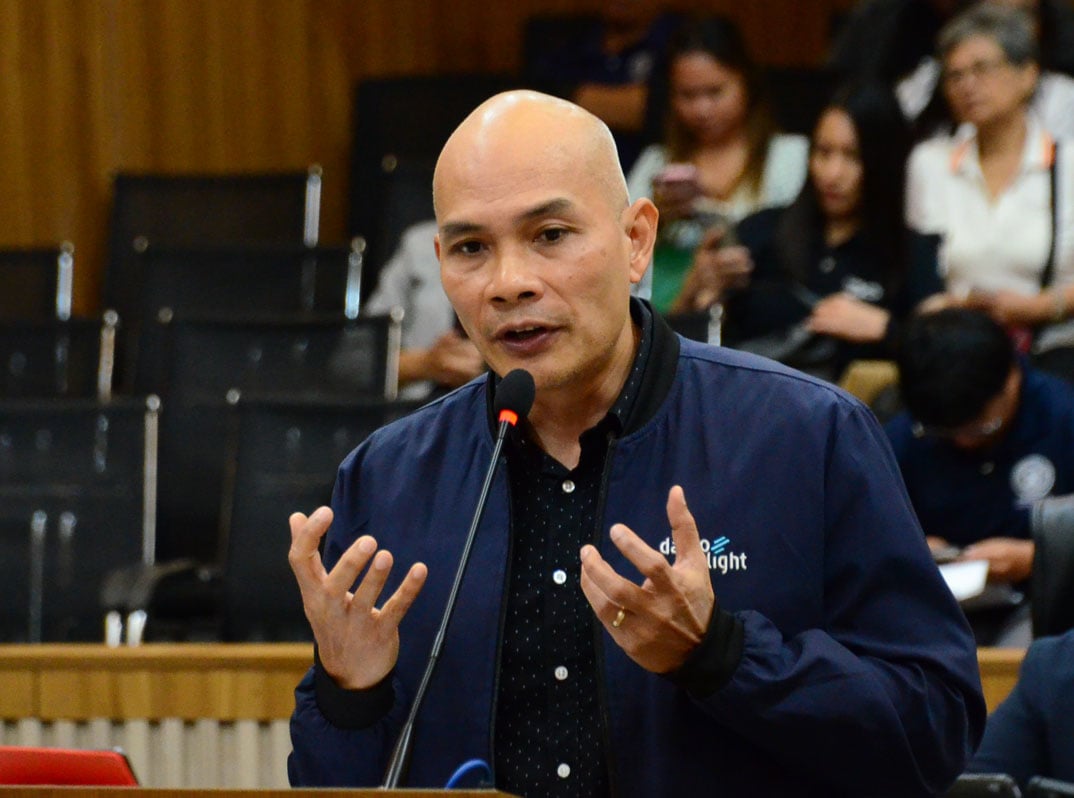
It can be noted that Henriczar Tia, president and COO of Davao Light, confirmed in July that the ERC has extended its moratorium on disconnections for another three months, through October, after an initial three-month order was set to lapse last July.
He clarified, however, that the moratorium does not mean customers should stop paying their bills, and warned that unpaid balances will continue to accumulate.
“We have to pay on time on our bills,” he said, urging customers not to let arrears pile up despite the disconnection freeze.
Davao Light also confirmed to the City Council last August that it is in talks with Therma South Inc. (TSI) for an emergency power supply agreement (EPSA) to address the impact of spikes in spot market prices.
An EPSA is a short-term, negotiated power contract used by distribution utilities to address sudden electricity shortages, grid emergencies, or power gaps during peak demand periods.
Tia said the agreement is expected to be implemented within one to two months, subject to regulatory approval from the ERC and the Department of Energy (DOE).
Meanwhile, the National Grid Corporation of the Philippines announced on Sept. 4, as of 8 a.m., that the available capacity in Mindanao is at 2,549MW and Peak Demand is 2,592MW.
The NGCP declared red alerts from 1 p.m. to 9 p.m., and yellow alerts from 10 a.m. to 1 p.m. and 9 p.m. to 10 p.m.
A red alert status is issued when the power supply is insufficient to meet consumer demand and the transmission grid’s regulating requirement.
Meanwhile, a yellow alert is issued when the operating margin is insufficient to meet the transmission grid’s contingency requirement.
NGCP reported that there are 8 plants on forced outage in September 2026; 11 plants since August; four plants since July; one plant since June; and two plants since January.
One plant has also been on forced outage since 2025, and one plant since 2024, while six plants are running on derated capacities, for a total of 784.5MW unavailable to the grid.
Davao Light continues to closely monitor the situation and will issue advisories should power interruptions become necessary.
“Power interruptions may still be experienced as part of efforts to manage the situation. The need for such measures may lessen if supply conditions improve or demand remains manageable,” it stressed.