
QUEZON CITY — Confirmatory analyses contracted by the EcoWaste Coalition and undertaken by SGS, a global testing company, verified the presence of toxic lead in 27 paint samples imported from China and Thailand that are offered for sale in the domestic market, including e-commerce sites. Dismayed by this egregious breach of the law, the group called on the authorities to adopt stronger measures to reinforce the lead paint ban and thus protect public health.
As per laboratory test results, the 27 paints representing 11 brands were analyzed to contain lead in excess of 90 parts per million (ppm) making them patently illegal to import, distribute and sell in the Philippines, noting the country’s successful completion of the phase-out deadlines for lead-containing decorative paints in December 2016 and lead-containing industrial paints in December 2019 in accordance with the DENR-issued Chemical Control Order (CCO) banning lead in paints and similar surface coatings.
Of the 27 paints, 19 were analyzed to contain lead above 10,000 ppm of which four had staggering lead concentrations exceeding 100,000 ppm, including two products bearing a “No Pb” pictogram despite evidence to the contrary (one product contains 117,000 ppm and the other has 138,000 ppm). Pb is the chemical symbol for lead from its Latin name plumbum.
“The discovery of lead in more imported paints sold locally points to the urgent need to enhance enforcement measures to address gaps and ensure that the lead paint ban is effectively implemented for public health and safety,” said Manny Calonzo, campaigner, EcoWaste Coalition. “We call on the authorities to jointly carry out such measures, including tightening customs controls, intensifying compliance monitoring, charging and penalizing violators, and nominating lead chromates for listing in the Rotterdam Convention, to reinforce the ban on lead, a multi-system toxicant, in paints and similar surface coatings.”
“We urge the government of the Philippines to join Cameroon, Morocco and Switzerland in advocating for the inclusion of lead chromates in the Rotterdam Convention as the treaty’s Prior Informed Consent (PIC) Procedure will help in controlling the global trade of this key ingredient in lead paint production,” said Jeiel Guarino, Global Lead Paint Elimination Campaigner, International Pollutants Elimination Network (IPEN). “If listed, companies that export lead chromates or paints containing them will no longer be allowed to export these goods to a country that has not consented to import them.”
The list of 27 paints found to contain lead includes:
Boston Spray Paint: antirust substrate gray (2,380 ppm);
Collfria Spray Paint: orange red (3,050 ppm);
Colorz Aerosol Spray Paint: medium yellow (57,100 ppm), jade green (35,600 ppm) and flash red (1,900 ppm);
Colorz Chisai Acrylic Spray Paint: canary yellow (56,100 ppm), antirust brown (27,000 ppm), orange red (22,800 ppm), , medium gray (3,790 ppm);
JMJAFA Spray Paint: deep yellow (94,700 ppm);
King Sfon Aerosol Spray: leaf green (62,100 ppm);
Koby Spray Paint: forest green (96,700 ppm);
Nikko Spray All Purpose Quick Drying High Gloss Acrylic: antirust
primer red (8,340 ppm);
Standard Aerosol Spray Paint: medium yellow (182,000 ppm), light green (107,000 ppm);
Standard JR Spray Paint: medium yellow (138,000 ppm), art yellow (117,000 ppm), willow green (79,900 ppm);
Tiger Quick Drying Lacquer Spray Paint: orange (78,000 ppm);
Yatibay Acrylic Spray Paint: blackish green (16,900 ppm); and
YiAD Paint: orange (63,900 ppm), yellow (57,300 ppm), light green (45,500 ppm), green (39,000 ppm), pink (3,560 ppm), blue (5,290 ppm), light sky blue (3,900 ppm).
None of these violative paints is manufactured, imported or distributed by affiliates of the Philippine Paint & Coatings Association, Inc. (PPCAI), a partner of the Global Alliance to Eliminate Lead Paint, together with the Pacific Paint (Boysen) Philippines, Inc., Department of Environment and Natural Resources – Environmental Management Bureau (DENR-EMB), IPEN and the EcoWaste Coalition.
Coinciding with International Lead Poisoning Prevention Week, from October 19 to 25, the EcoWaste Coalition will release an updated Public Notice on Lead-Containing Paints that it has co-published with PPCAI and IPEN to alert and guide consumers in making informed purchasing decisions.
ecowaste coalition
EcoWaste Coalition welcomes progress in crafting a CCO on cancer-causing benzene
QUEZON CITY — The toxics watchdog group EcoWaste Coalition welcomed the progress in the ongoing efforts to develop a Chemical Control Order (CCO) regulating benzene, a known carcinogen, by the Department of Environment and Natural Resources – Environmental Management Bureau (DENR-EMB).
As one of the 10 chemicals or groups of chemicals of major public health concern as identified by the World Health Organization (WHO), the group expressed optimism that the finalization and eventual promulgation of the CCO will contribute to the effective control on the use of benzene with the end view of reducing occupational and environmental exposure to this category one carcinogen, or a substance that can cause cancer in humans as per the International Agency for Research on Cancer (IARC).
The EcoWaste Coalition particularly welcomed the posting of the revised draft CCO for benzene on the EMB website for further public comments. “Unless no technically and economically feasible alternative for replacement is available,” the CCO “prohibits the importation, manufacture or use of benzene and benzene-containing mixtures in the following applications: paints, varnishes, coatings, solvents, and thinners; glues, contact cement and rubber goods; solutions for textiles, fabrics and leathers; inks and dyes; cleaning and degreasing agents; and toys and other children’s products.”
The group in November 2023 submitted pertinent comments to strengthen the original draft CCO, noting that its development and promulgation was in line with the newly adopted Global Framework on Chemicals – For a Planet Free of Harm from Chemicals and Waste (or the GFC), which seeks to “prevent or, where prevention is not feasible, minimize harm from chemicals and waste to protect the environment and human health, including that of vulnerable groups and workers.”
To better understand how benzene is regulated in other countries, the group reached out to partner groups in Asia-Pacific and in Europe. Relevant information on current regulatory controls provided by colleagues from India, Malaysia, South Korea, Australia, and the European Union was compiled and provided to the DENR-EMB.
As reflected in the revised draft CCO, the DENR-EMB has positively considered some of the suggestions provided by the EcoWaste Coalition, such as the following:
1. Prohibition on benzene and benzene-containing mixtures in “toys and other children’s products” to protect Filipino children who are particularly susceptible to risks and harms caused by benzene and other hazardous chemicals;
2. Replacement of the word “may” with “shall” in the provision tasking the DENR-EMB to develop a phase-out plan for the allowed uses of benzene as this will indicate the government’s commitment to green chemistry and show support to the GFC target on “the transition to safer and more sustainable chemical alternatives.”
3. Inclusion of “online marketplace and electronic commerce systems” in the section on liability to address the problem with the digital trade of controlled chemicals, particularly by unauthorized persons or entities.
4. Creation of a new section on “Coordination with Other Government Agencies” for better alignment of benzene-related policies and programs. This will, according to the group, “create better linkage across diverse sectors” (another GFC target), especially among government regulators.
Since the draft prohibition only applies “unless no technically and economically feasible alternative for replacement is available,” the EcoWaste Coalition reiterated its earlier proposal that juridical applicants should be required to provide information to the DENR-EMB on the risks and benefits of the proposed use of benzene and possible alternatives. Adding this in the “General Requirements and Procedures” will support the GFC target on “better transparency and access to information regarding chemicals and their associated risks,” the group said.
Finally, the EcoWaste Coalition suggested a periodic review of implementation of the CCO, with the participation of stakeholders, to assist the DENR-EMB in assessing the effectiveness of the order and the necessary measures to improve compliance and enforcement.
As stated by the WHO: “Human exposure to benzene has been associated with a range of acute and long-term adverse health effects and diseases, including cancer and haematological effects. Exposure can occur occupationally, in the general environment and in the home as a result of the ubiquitous use of benzene-containing petroleum products, including motor fuels and solvents. Active and passive exposure to tobacco smoke is also a significant source of exposure.”
“Public health actions are needed to reduce the exposure of both workers and the general population to benzene,” the WHO emphasized.
EcoWaste Coalition calls on stores to remove illegal lead-containing paints from shelves
QUEZON CITY — In a bid to uphold the law and protect public health, the toxics watchdog group EcoWaste Coalition appealed to socially responsible retail establishments to cease and desist from selling imported paints laden with lead, a potent neurotoxin and endocrine-disrupting chemical banned in paint manufacturing.
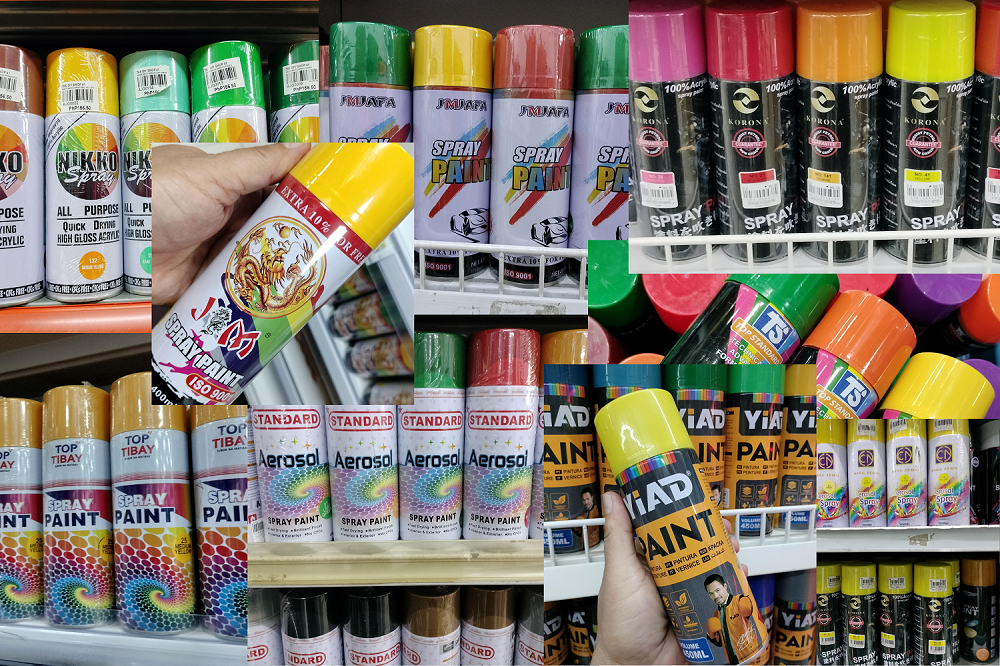
The group, a strong advocate for a society free of harm from chemicals and waste, issued the clarion call after monitoring the local sale of leaded spray paints from China and Thailand in at least 47 general merchandise, hardware and home improvement stores in Region III (Bulacan, Pampanga), Region IV-A (Batangas, Cavite, Laguna, Rizal) and the National Capital Region (12 cities).
According to the investigation conducted by the group from June 10 to Aug. 12, 47 of the 70 stores visited were found selling one or more spray paint brands that have been analyzed to contain lead in excess of 90 parts per million (ppm), the maximum limit set by the Chemical Control Order (CCO) on lead and its compounds.
The CCO promulgated by the Department of Environment and Natural Resources (DENR) in 2013 banned lead-based raw materials in the production of paints and similar surface coatings, and phased out lead-containing decorative paints on Dec. 31, 2016, and lead-containing industrial paints on Dec. 31, 2019.
Among the lead-containing paints found on store shelves were products already flagged by the Food and Drug Administration (FDA) due to their lead content such as the medium yellow JM Spray Paint, canary yellow Koby Spray Paint, grass green and light yellow Nikko Spray All Purpose Quick Drying High Gloss Acrylic, and Jialing red and orange yellow Standard Aerosol Paint.
The group further found leaded YiAD Paint, an aerosol paint made in China, on sale in some chain stores. Manufactured in May 2025, this paint prominently features the image and signature of boxing icon Manny Pacquiao on the front label. The former senator has yet to issue a statement disassociating himself from lead-containing YiAD Paint.
“We are appalled by the proliferation of imported lead-containing paints in the domestic market as if the lead paint ban is not in effect,” said Manny Calonzo, campaigner, EcoWaste Coalition. “The unlawful importation has not eased, as evidenced by our discovery of highly leaded paints with 2024 and 2025 as manufacturing dates, which are being offered for sale to consumers who are not informed of the risks. Government regulators need to flex their muscles and enforce the ban.”
“As for store owners, we appeal to them to shun imported paints unless independently verified as compliant with product safety standards such as the 90 ppm lead content limit. In keeping with their corporate social responsibility, we advise them to ask for third-party certificates of analysis and conformity from their suppliers before making such paints available to their valued customers,” he added.
“To help the Philippines in enforcing the lead paint ban, we request the DENR to nominate lead chromates, the most common lead-based pigments used in paint manufacturing, for listing under the Rotterdam Convention,” suggested Jeiel Guarino, Global Lead Paint Elimination Campaigner, International Pollutants Elimination Network (IPEN). “An affirmative decision by the Conference of the Parties will list lead chromates and lead paints as hazardous chemicals subject to the treaty’s Prior Informed Consent (PIC) Procedure. If listed, companies that export lead chromates or paints containing them will no longer be permitted to export these commodities to a country that has not consented to import them.”
During its market investigation, the EcoWaste Coalition found on the shelves leaded spray paints bearing the names Aeropak, Anton, JM, JMJAFA, King Sfon, Koby, Korona, Nikko, Silvestre, Sinag, Standard, Standard JR, Top Standard, Top Tibay, Yatibay, and YiAD.
Based on the studies conducted by the group, the said paint brands have one or more colors containing lead above the 90 ppm limit as per X-Ray Fluorescence (XRF) and laboratory analyses.
Some of the above named paints can be found in the “Public Notice on Lead-Containing Paints” co-published by the EcoWaste Coalition, Philippine Paint & Coatings Association, Inc. (PPCAI) and IPEN to guide consumers and retailers on paint products with lead content.
FOR US, the EcoWaste Coalition is in a much better job in strengthening its advocacy for government to strictly implement RA 11967 or the Internet Transactions Act.
Yes, the group is correct in calling on government regulators to stop the uncontrolled online trade of mercury and mercury-added products.
For one, it is this failure of regulators to put a handle on the online trading that leads to the proliferation of the toxic product not only in mines processing plant areas but also in what seems to be toxic-free environment like shopping establishments, dealers of school supplies, and others.
Among such products are school supplies like certain brand of papers, crayons and others. The production of the earlier-mentioned materials was earlier found to be using mercury-laden chemicals. Yet, no one seems to care. What with the necessity of its use especially among students in the lower grades.
With EcoWaste’s newfound focus, perhaps parents of students still in the lower grade level can relax since they now have a responsible partner in ensuring their kids can avoid any illness that is derived from toxic substances like mercury.
It is the fervent hope of this humble servant of the masses that the concerned government regulators will listen to the call of the EcoWaste Coalition to do their job. After all, it is for the benefit of the people.
****************************
Well, this is one thing that we have yet to understand.
We are referring to the justification by the Department of Public Works and Highways (DPWH) of the observed long delay in the completion of the Maa-CP Garcia Diversion Highway flyover project. According to the DPWH, it is presently encountering problems in the acquisition of Road-Right-of-Ways in some properties.
What properties is the DPWH XI talking about? Is not the flyover built above the same space that serves as the route of the diversion road? Both approaches of the flyover project rise on the surface of the diversion road and despite the relative width of the flyover, neither of its side encroaches private properties. That is our observation on the project in the many times that we use the Magtuod-Diversion highway every time we come down to the city proper.
So why is the government’s infrastructure agency blaming the supposed non-acquisition of road-right-of-way? Has some private individuals acquired ownership of the space above the diversion highway that the DPWH has to negotiate?
We do not wish to think that DPWH XI officials are engaged in serious jokes. But then then we just need to laugh about it.
Of course, the cited reason that public utilities like the power distributor and the telecommunications companies have still to transfer their poles and other facilities is one valid justification that no one can argue.
****************************
And what a good timing this resolution of Councilor Jessica Bonguyan for the local legislative body to convene itself into a committee as a whole and invite the DPWH, the contractor and all other agencies involved in the long delayed Maa-Diversion Road flyover project.
The recommended convening of the council as a committee of the whole and the appearance as resource persons of representatives from the concerned agencies, contractors and stakeholders is set on Aug. 12, the next regular session of the local legislative body.
We believe that in asking for the appearance of the concerned officials and personalities the council will be satisfactorily briefed of the true status of the project. The same venue will also allow the DPWH to prove that their publicized justification is indeed meritorious and thus deserving of the Davaoenos’ acceptance as gospel truth.
But should the agency fail to present convincing reasons then it can only further buttress the truth to suspicion that the project is victim of the ongoing political squabble between the Davaoeno-led opposition and the current national administration of Ilocano President Ferdinand R. Marcos Jr.
EcoWaste Coalition Tags 1,146 Online Listings for Mercury and Mercury-Added Products
QUEZON CITY — The environmental health and justice group EcoWaste Coalition urged government regulators to stop the uncontrolled online trade of mercury and mercury-added products by actively enforcing Republic Act No. 11967, or the Internet Transactions Act, and imposing the consequent fines and penalties against violators.
In anticipation of the 8th anniversary of the global entry into force of the Minamata Convention on Mercury on August 16, the EcoWaste Coalition raked through e-commerce and social media platforms and found some 1,146 product listings for mercury and mercury-added products. The search, conducted from July 21-31, 2025, was also carried out to support the enforcement of RA 11967, which seeks to “guarantee effective regulation of e-commerce to protect consumer rights.”
Through a common letter sent to the Department of Trade and Industry (DTI), Environmental Management Bureau (EMB) and the Food and Drug Administration (FDA), the group reported to the agencies the unabated use of e-commerce and social media platforms by third-party merchants to advertise, promote and sell mercury and mercury-added products that have been banned to protect human health and the environment from mercury poisoning.
Based on the search conducted, the group identified at least 1,146 of such product listings, including 1,057 for skin lightening products flagged by the FDA for containing mercury and/or for being sold without the necessary authorization; 53 for mercury-based medical devices; 34 for liquid mercury for mining use; and 2 for mercury to counter “kulam” or “barang.”
To stop the illegal online trade, the EcoWaste Coalition appealed to the government regulators to initiate immediate takedown orders and make the online marketplace safe from mercury and mercury-added products.
The group also urged the regulators to apply Section 27 of RA 11967, which establishes the “solidary liability of e-marketplace or digital platform.” As stated in the law, “the e-marketplaces or digital platforms shall be solidarily liable if it fails, after notice, to act expeditiously to remove, or disable access to goods or services appearing on its platform that are prohibited by law, imminently injurious, unsafe, or dangerous.”
The active enforcement of RA 11967 and other pertinent consumer and product safety laws and the application of required fines and penalties, the EcoWaste Coalition said, will deter unscrupulous sellers from engaging in illicit acts or face the consequences for breaking the law.
It will further compel the management of e-commerce and social media platforms to strictly implement their community policies and rules to stop the persistent trade of banned and restricted substances and products, which can pose serious risks to public health and the environment, the group added.
As some of the online dealers are based outside the Philippines, particularly in China, Indonesia and Thailand, the group urged the regulators to reach out with their counterparts for joint law enforcement action, noting that errant sellers “cannot evade legal liability in the Philippines despite lack of legal presence in the country” as per RA 11967.
Moreover, the EcoWaste Coalition urged concerned regulators to inform the public of enforcement and implementation measures for RA 11967, including channels and methods on how concerned citizens and groups can report violations of the law.
Mercury-containing skin lightening products are banned under the ASEAN Cosmetic Directive, the long list of public health warnings issued by the FDA, and the Minamata Convention on Mercury; mercury-based medical devices such as dental amalgam, thermometers and sphygmomanometers are banned under DOH A.O. 2008-0021 and FDA Circular No. 2022-003; mercury for artisanal and small-scale gold mining is banned under Executive Order No. 79 and DENR A.O. 2019-20; and mercury for cultural uses (i.e., to ward off sorcery or witchcraft) is a dangerous practice opposed by DOH as per public advisory dated June 29, 2025
“The determined actions by government regulators will contribute to the protection of human health and the environment from the adverse effects of exposure to mercury, and safeguard the well-being of all digital consumers and the entire society,” the EcoWaste Coalition concluded.
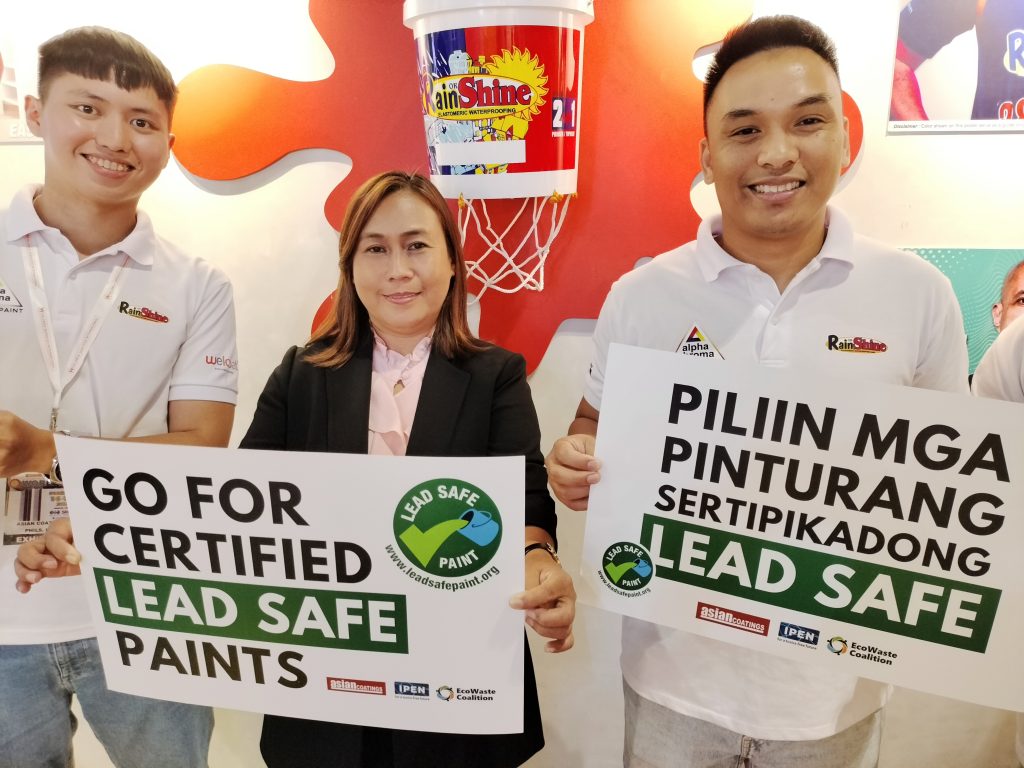
Seven more ‘Made in the Philippines’ paints pass third-party Lead Safe Paint® certification
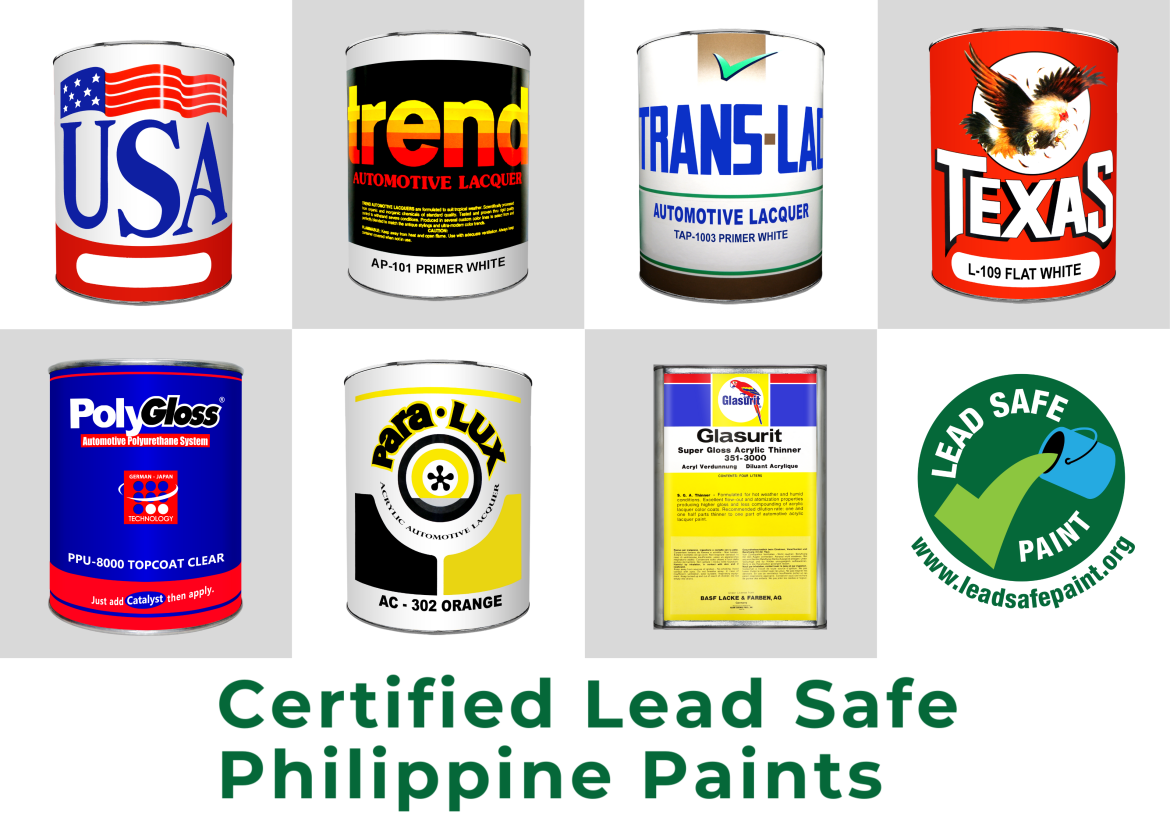
QUEZON CITY — Seven more brands of paints and coatings, mostly used for automotive and industrial applications, manufactured in the Philippines have successfully passed the third-party Lead Safe Paint® Certification, confirming compliance with the strictest regulatory limit for lead content in paints and similar surface coatings.
SCS conducted an independent assessment on behalf of Asian Coatings Philippines, Inc. for USA, Trend, Trans-Lac, Texas, PolyGloss, Paralux and Glasurit paint products and found them in conformity with the regulatory limit of 90 parts per million (ppm) for lead in paint on a dry weight basis. This will bring to 11 the number of its duly certified products, including Alpha Chroma, Arkhon, Rain or Shine, and Welcoat paints.
The International Pollutants Elimination Network (IPEN, the certification owner) and the SCS Global Services (SCS), the certification body) made the announcement that was warmly welcomed by their local partner, the EcoWaste Coalition, an advocate for a zero waste and toxics-free society.
“SCS is really excited to see more brands obtain Lead Safe Paint® Certification. We take pride in helping manufacturers provide paints below 90ppm of lead content, the most stringent international standards currently available. SCS uses a science-based approach to our assessments, allowing consumers to make educated choices that affect the health of family, friends, and other loved ones,” said Rob Emelander, program manager, SCS, a pioneer and leader in the field of sustainability standards and third-party certification.
“Asian Coatings graciously accepts the Lead Safe Paint® Certification for our automotive and industrial paints. This milestone brings our company full circle, as we trace our roots to the vibrant automotive coatings market of the 1970’s. We extend our sincere appreciation to the EcoWaste Coalition for facilitating this important initiative toward environmental sustainability. The Lead Safe mark stands as a testament to the continued trust of our dealers and end-users, and affirms our commitment to producing safer, more responsible products,” stated Redmond Yu, assistant vice president for sales and marketing, Asian Coatings Philippines, Inc., a member of the Philippine Paint & Coatings Association, Inc. (PPCAI), which advocates for lead-safe paint manufacturing and supports voluntary Lead Safe Paint® certification.

“Amidst growing consumer demand for safer paint products, we laud Asian Coatings once again for their efforts to eliminate lead in paints by subjecting seven more paint brands, mostly industrial paints, to a third-party Lead Safe Paint® Certification. These steps undertaken by Asian Coatings will not only help Filipino consumers in making informed choices when buying paints, they will also serve as proof of the company’s compliance with existing lead paint laws in the country,” stated Jeiel Guarino, global lead paint elimination campaigner, IPEN.
“We congratulate Asian Coatings for replacing lead-based ingredients used as pigments, driers, or as anti-corrosive agents in the manufacture of decorative, automotive, and industrial paints, and for having this confirmed through unbiased and trustworthy third-party certification,” said Manny Calonzo, campaigner, EcoWaste Coalition. “Certified lead-safe paints will not pose lead-based paint hazards, especially for workers, women of childbearing age, and children, who are highly vulnerable to the harmful effects of exposure even at low levels, particularly when the paint has deteriorated and scattered contaminated chips or dust, which can be ingested and inhaled.”
IPEN, EcoWaste Coalition, and other civil society groups advocating for a toxics-free future seek the removal of lead in paints for all types of applications, including those used to paint cars, street markings, ships, bridges, steel structures, and others.
Eliminating the use of lead-based raw materials in the production of all paints will protect workers who are exposed to lead in the manufacture of leaded paints used for decorative and industrial purposes, and in the actual application and removal of such paints.
Automotive paints containing lead can be a source of exposure to children and other community members, as small and informal businesses engaged in car repainting and repair are situated in residential areas, especially in low- and middle-income countries like the Philippines.
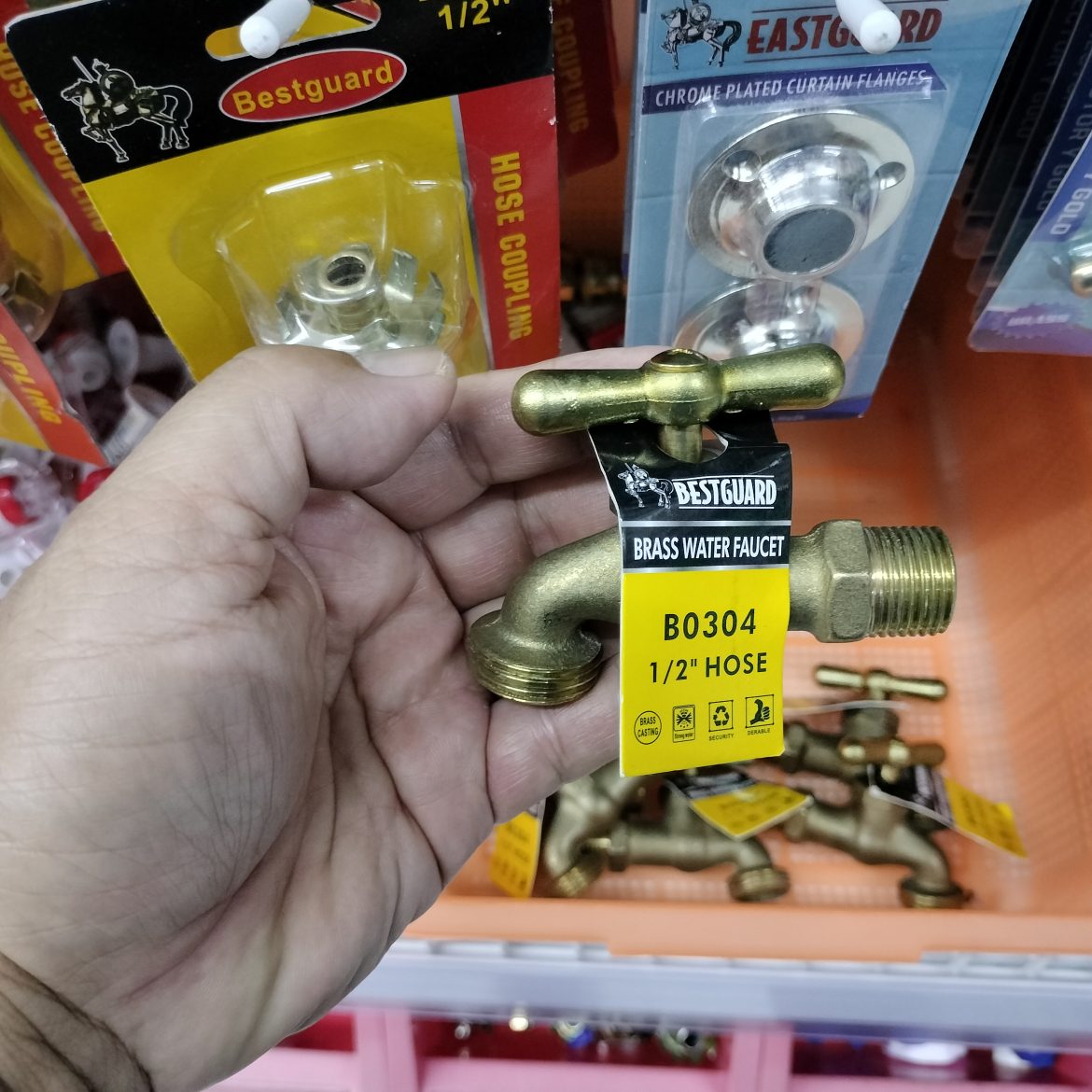
EcoWaste Coalition and 26 CSOs ask DENR and DTI to regulate toxic metals in water faucets
Quezon City. In an urgent request initiated by the EcoWaste Coalition and endorsed by 26 civil society organizations, the Department of Environment and Natural Resources (DENR) and the Department of Trade and Industry (DTI) were asked to regulate toxic metals in water faucets after tests indicated alarming levels of lead, as well as cadmium, in the analyzed products.
In separate responses received on July 2, the DTI through the Bureau of Philippine Standards (BPS) and the DENR through the Environmental Management Bureau (EMB) thanked the EcoWaste Coalition “for (its) continued advocacy in promoting public health and safety” and “for its continued vigilance and support,” assuring the group that their recommendations will be looked into.
Following the discovery of high levels of lead and cadmium in some faucets being sold in the market, the EcoWaste Coalition requested the DTI through the BPS to a) develop mandatory standards limiting lead and cadmium content in faucets and other plumbing fixtures; and b) include faucets in the list of products covered under mandatory certification, along with the appropriate labeling and/or marking requirements.
“Please be assured that your concerns and recommendations are being carefully considered. The BPS will evaluate the matter in coordination with relevant government agencies and stakeholders, in line with its mandate to ensure product quality and consumer safety,” the BPS said.
DENR-EMB informed the EcoWaste Coalition that, “based on (their) records, there are no existing registrants of lead and cadmium manufacturers, specifically for water faucets and other fixtures.”
“We will be coordinating with the Department of Health (DOH) for the possible issuance of public advisory concerning old lead pipes, fixtures with heavy metals content on the health effects on the general public in relation to World Health Organization (WHO) standards. Further, we have taken note of your policy recommendations, and we will further review and coordinate this with other stakeholders,” the EMB said.
In line with the group’s advocacy to protect human health and the environment from hazardous chemicals, the EcoWaste Coalition purchased 27 assorted faucets from 10 general merchandise and hardware stores in Manila City and from five online stores and had them analyzed for chemicals of concern. The samples were obtained from May 18 to 22 for P81 to P320 each. The products had inadequate to zero labeling information.
The group screened the faucets for heavy metals using an Olympus Vanta M Series X-Ray Fluorescence (XRF), a handheld analytical device that can identify materials and elements without destroying the sample.
Based on the XRF screening results, 19 of the 27 faucets screened positive for lead and/or cadmium at levels exceeding the limits under the Restriction of Hazardous Substances or RoHS of the European Union, which are 1,000 and 100 parts per million (ppm) for lead and cadmium, respectively. Also, the levels of lead found on the 19 faucets exceeded the 0.25 percent (equivalent to 2,500 ppm) limit for lead in faucets under the US Reduction of Lead in Drinking Water Act.
The group then chose five samples with high lead content for confirmatory analysis by an independent private laboratory. According to the laboratory tests, the five samples contained lead in the range of 60,400 ppm to 76,100 ppm, making them non-compliant to the EU and US limits.
The investigation conducted by the EcoWaste Coalition was triggered by the product recall order issued by the US Consumer Product Safety Commission (CPSC) last May 15 against nine brands of China-made faucets, “which were tested and found to contain lead that can leach into water at levels that can be particularly harmful to infants, young children and women.”
The CPSC warned, “Lead ingestion can cause harmful neurological effects on infants, young children, and pregnant women, including attention-related behavioral problems, decreased cognitive performance, and lower IQ.” It further advised the public “to stop using and dispose of these faucets immediately.”
Lead and cadmium are highly toxic substances belonging to the DENR’s Priority Chemicals List (PCL) with corresponding Chemical Control Orders (CCOs). These substances are also among the “10 chemicals of major public health concern” as per the WHO.
The implementation of the recommended policy actions, the EcoWaste Coalition said, will contribute to the advancement of the Sustainable Development Goals (i.e., SDG #3 on good health and well-being, SDG #6 on clean water and sanitation and SDG #12 on sustainable consumption and production), as well as the Global Framework on Chemicals – For a Planet Free of Harm from Chemicals and Waste (i.e., strategic objective D on safer alternatives and innovative and sustainable solutions).
It will further advance the realization of the resolution recently adopted by the World Health Assembly urging member states “to commit to a shared vision for a world free of lead exposure and prioritize efforts to address this pressing global health challenge,” among other aspirations, the group emphasized.
EcoWaste Coalition appeals to public to heed DOH’s warning vs. mercury use to counter ‘kulam’ or ‘barang’
Quezon City. The toxics watchdog group EcoWaste Coalition commended the Department of Health (DOH) for issuing a public health advisory warning citizens against the harmful effects of using mercury as an antidote against witchcraft. The group appealed to those engaged in this cultural practice to heed the advice of the DOH for their own health and safety.
“May mga ebidensya na nagpapatunay na ang mercury poisoning ay nagdudulot ng malubhang epekto sa utak, ugat o nerve, bato o kidney, at iba pang organ ng katawan,” the DOH advisory released on June 29 said.
“Tinututulan ng DOH ang sinasabing paggamit ng mercury kontra ‘kulam’ o ‘barang’ dahil sa nasabing panganib nito sa katawan,” the health agency emphasized.
The DOH further encouraged the public to report establishments selling mercury to docbrand@doh.gov.ph, and to call the DOH Toxicology Specialty Centers for additional information on the health effects of mercury exposure.
To recall, the EcoWaste Coalition wrote to the DOH last February 7, 2025 requesting the agency to issue a public health warning against the use of liquid mercury purportedly to counter the ill effects of sorcery (i.e, “kulam” or “barang”), which is promoted in e-commerce and social media platforms.
“People should not be lured into using such a highly toxic chemical, including ‘planting’ mercury into the skin, as a ‘pamatay-bisa’ or antidote to acts of witchery. Toxic mercury has no known function in the human body and there is no level of mercury in the body that is deemed safe; thus the need for the government, the DOH in particular, to urgently warn the public against the adverse impacts of such use of mercury to human health,” the letter said.
Prior to this, the EcoWaste Coalition wrote to the Department of Environment and Natural Resources (DENR) on September 14, 2023 to report the illegal sale of liquid mercury in online shopping sites and in the vicinity of Quiapo Church, Manila by vendors selling amulets, herbal medicines and related stuff.
As stated in the booklet on “Cultural Uses of Mercury” published by the United Nations Environment Program (UNEP), the use of mercury for cultural reasons is a concern because:
a. “Direct and prolonged exposure to mercury is a human health hazard and has an impact on the downstream environment.”
b. “People using mercury for cultural uses are often unaware of mercury’s toxicity and associated risks.”
c. “Often the mercury vapor exposure from cultural use is second-hand, from magico-religious mercury use by a prior occupant of a dwelling.”
d. “The storage, transport and handling of mercury for these purposes can impose risk by introducing opportunities for spills and vapor releases.”
While the Minamata Convention does not cover “products used in traditional or religious practices,” DENR Administrative Order No. 2019-20, or the revised mercury Chemical Control Order (CCO), has excluded such use among the allowable uses of mercury.
With the full enforcement of the Internet Transactions Act, the EcoWaste Coalition urged the health and environmental authorities to use the law to stop the illicit use of e-commerce and social media platforms to advertise and sell liquid mercury, mercurial medical devices, mercury-containing cosmetics and other banned products with mercury.