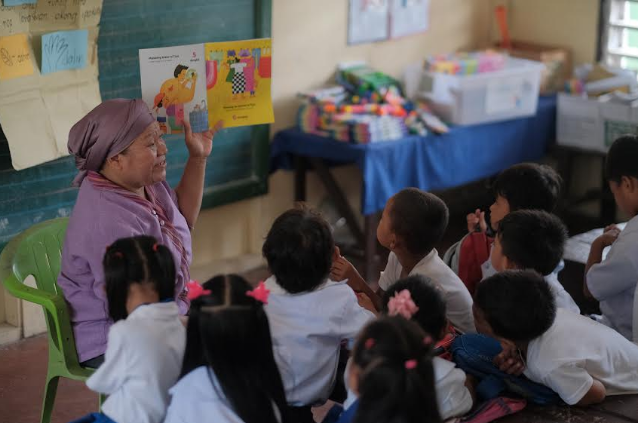

AYALA Corporation is putting greater focus on social infrastructure, bringing together platforms in healthcare, education, community development, and sustainability to support human capital while strengthening its presence in sectors with strong, sustained demand. The move underscores a push to scale essential services and aligns business growth with evolving needs in human capital and access.
Ayala Chairman Jaime Augusto Zobel de Ayala framed the role of the private sector during the recent InvestPH 2026 panel organized by the Philippine Stock Exchange, saying public-private partnerships can broaden private participation and allow government to direct more resources to education and health.
“If you look at how countries move forward, there are three basic pillars. Number one is education, for the future. Number two is making sure citizens are healthy. Number three is ensuring that they earn an income,” Zobel de Ayala said.
That perspective is now being brought together under Alagang Ayala, the Ayala Group’s social infrastructure platform. Ayala believes that by aligning business capabilities with community needs, social infrastructure can create shared value that expands opportunity and advances inclusive progress.
“While continued investment in physical infrastructure is important, we must invest just as intentionally in the social foundations that make thriving possible. Alagang Ayala reflects our conviction that infrastructure must also build people—and, in turn, help build a stronger and more prosperous nation,” said Ayala Corporation Chief Social Infrastructure Officer Paolo F. Borromeo.
Ayala’s healthcare platform, AC Health, was established in 2015 with a vision to help transform health for every Filipino.
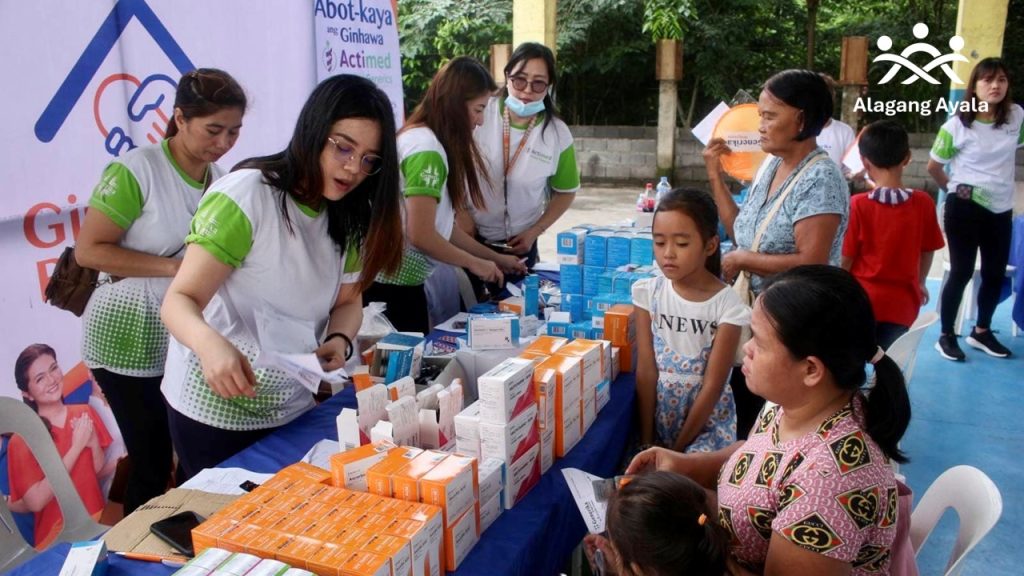
Today, AC Health has touched the lives of more than 6.5 million Filipinos through its network of seven hospitals, 18 multispecialty centers, over 350 corporate clinics, and nearly 900 pharmacies under Generika Drugstore and St. Joseph Drug. Its integrated healthcare ecosystem also includes pharmaceutical importation and distribution businesses, IE Medica and MedEthix, which strengthen its portfolio of trusted healthcare products.
AC Health’s integrated ecosystem gives Ayala a presence across different points of care– from medicines and consultations to hospital services and specialized treatment– enabling Ayala to address the growing demand for quality and affordable healthcare across the Philippines.

Education is another major component, with iPeople serving as the group’s platform for quality and workforce-relevant learning. A joint venture with the Yuchengco Group’s House of Investments, iPeople includes Mapúa University, Mapúa Malayan Colleges, National Teachers College, APEC Schools and the University of Nueva Caceres.
Mapúa’s expanded partnership with Arizona State University gives students access to globally benchmarked content, international pathways, AI-enabled education, and online learning options, supporting skills for a technology-driven economy.
National Teachers College, founded in 1928, was the country’s first higher education institution to offer collegiate programs dedicated to teacher education and is among the Philippines’ top producers of teachers and school administrators.
Ayala Foundation supports public education through its CENTEX programs. In San Marcelino, Zambales, its CENTEX Digital Education pilot reached more than 1,600 Grades 4 to 6 learners in nine public elementary schools. After 12 weeks, average math scores rose from 27 percent to 56 percent. The program is being expanded by DepEd Zambales to 60 schools, with at least 22,500 learners expected to benefit. The Foundation is also expanding its CENTEX Early Grades program, working with local governments, schools, and child development centers to strengthen teaching practices, engage parents, and improve learning outcomes for children ages 3-5 years old.
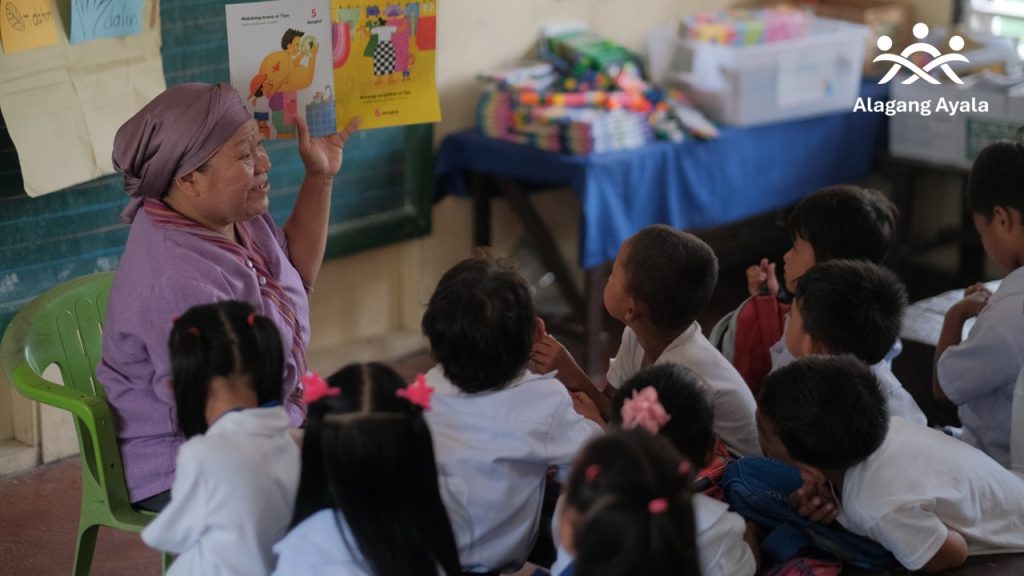
Across its community development programs, the Foundation helps communities build sustainable livelihoods and increase household incomes through integrated, place-based initiatives that improve access to education, health, financial inclusion, and basic services. It also mobilizes volunteers through its public volunteer platform, engaging more than 4,300 individuals who contributed over 129,000 volunteer hours in 2026 alone.
Ayala’s sustainability and mobility platforms add another layer. Through ACEN’s solar, wind, and geothermal projects, the Ayala Group supports access to clean, reliable, and affordable forms of renewable energy. ACEN currently has more than seven gigawatts of attributable renewable energy capacity. Borromeo cited Makati City’s shift to renewable electricity through ACEN as one example of cleaner energy addressing energy security and costs.
Meanwhile, ACMobility is a prime mover in electrifying mobility in the country, building an electric vehicle ecosystem that includes EV distribution and charging infrastructure nationwide. Through this growing ecosystem, ACMobility is helping institutions and consumers alike transition to cleaner, more future-ready transport solutions. An example is Valenzuela City’s shift of its police patrol fleet to electric vehicles, which can help reduce emissions and lower operating costs as it serves the community.
For Ayala, the measure of Alagang Ayala will depend on how these platforms improve access, affordability, resilience, and outcomes as they are scaled, while supporting businesses in areas important to national development.