

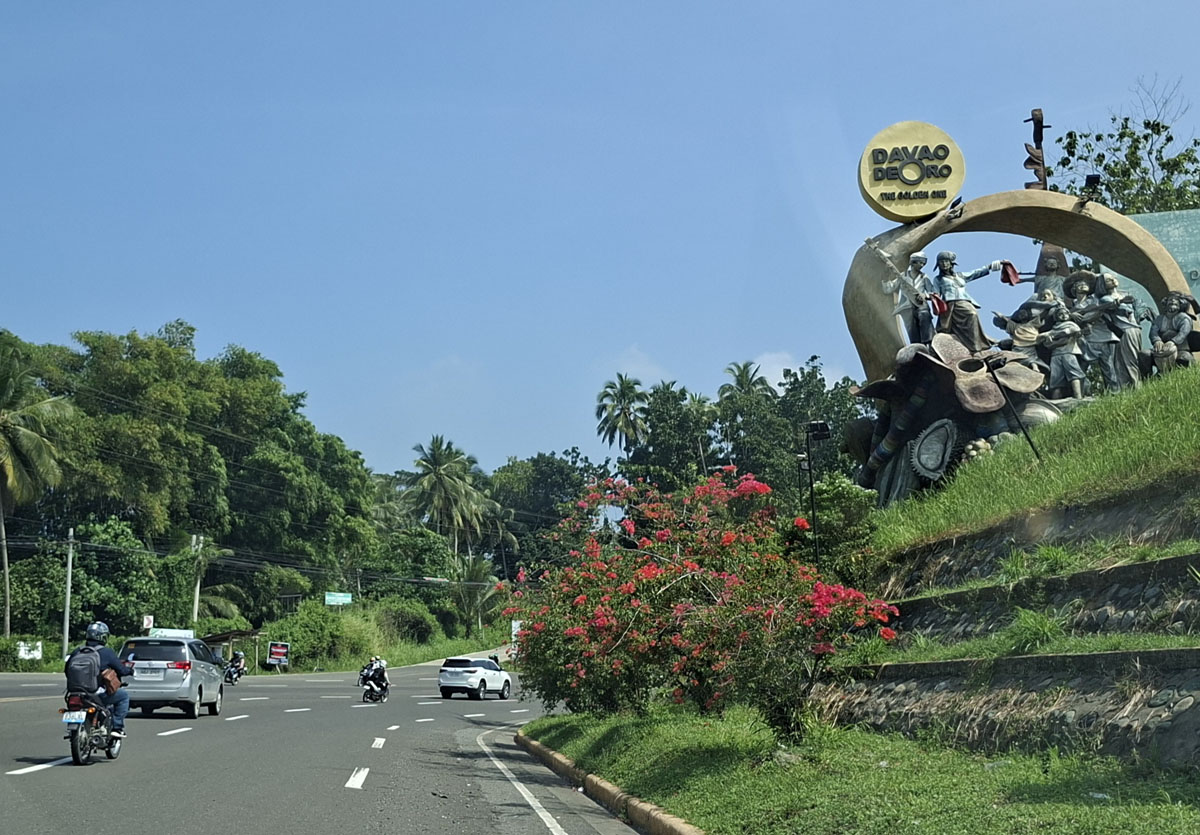
FOR THE ordinary workers in Nabunturan, Davao de Oro, stretching their monthly budget has become an art form. With no extra income to speak of, every peso is carefully accounted for, and indulgence is tabled for a much later date, which, perhaps, never comes.
But in recent months, a silent financial burden has crept into households in town—astronomical electricity bills that doubled or even tripled without warning. And the residents are feeling the squeeze from expenses they can neither explain nor escape.
Savings as a casualty
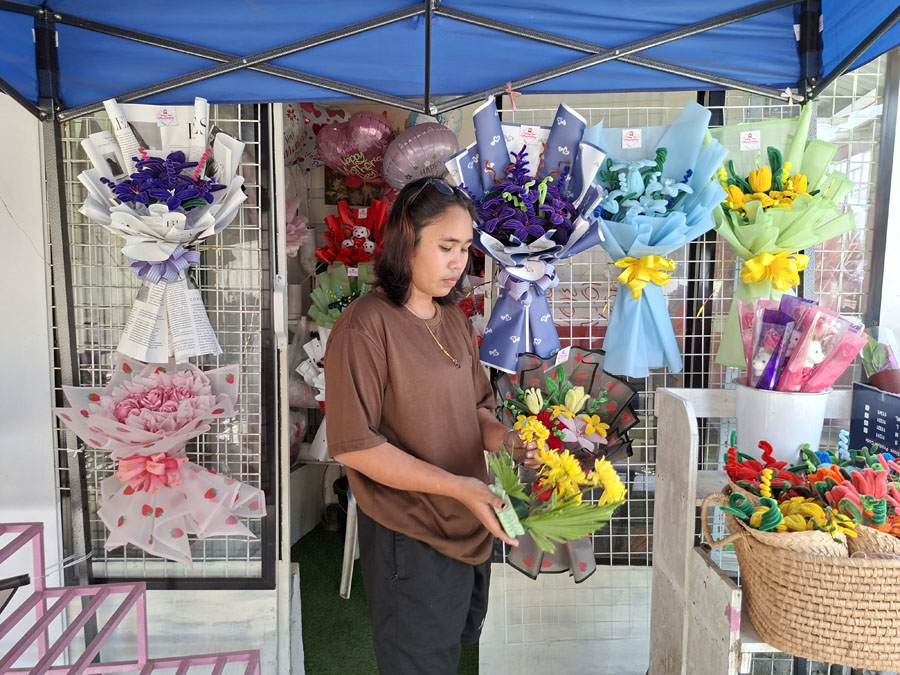
Surprise would be an understatement to describe what flower shop vendor Jess Maramba, 23, felt when she first saw last month’s September bill. The total amount reflected on the bill was P2,400. However, it didn’t take a calculator to know that it would eat up a chunk of her monthly budget.
“In our house, we have different responsibilities. I took care of the electricity bill, and then split the food expenses and the groceries. The problem was that we used to average only P800 a month. So, I admit, I gasped a little,” she recounted.
She only relies on her salary from tending to the flower shop, so unexpected extra electricity charges had her scrambling to dip into her savings: “I did not even ask why we were charged so much. Even if I complain, I really have no choice. I have to pay the bill; otherwise, they would simply cut off our electricity. It’s such a hassle.”
Jess could only hope October would be more graceful to her because she could not afford to double-dip into her savings again.
She wished that with Davao Light and Power Co., consumers like her would get more reprieve in the form of lower electricity rates. While she confessed that power stability might need more improvement, she could handle the brownouts as she has been dealing with them all her life.
“We have brownouts like 2-3 times a month. Sometimes, they go for 12 hours or more,” she said. “I don’t think about them too much as they have become part of our routine.”
What she couldn’t deal with was how she could manage her expenses if this trend continues. “The P2,400 I paid was too much. It really was,” she smiled wryly.
Between light and life
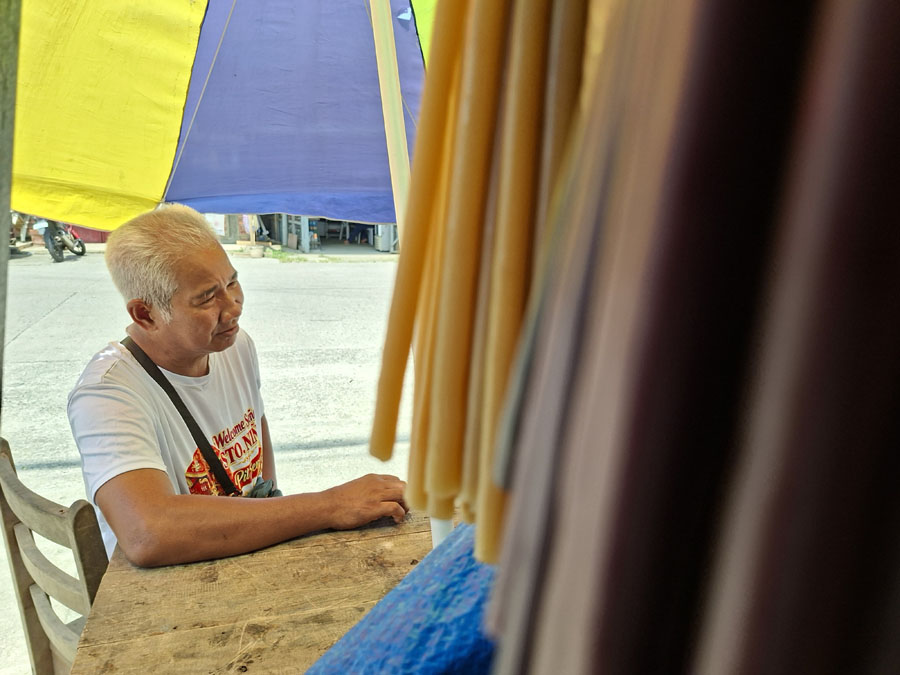
Candle vendor Cesar Constantino, 67, also saw his electricity bill rise to levels that would hurt his pockets.
“My September bill was P800, which doubled my monthly average of P300-P400,” he said. “I don’t understand how it got that high as I am not at home most of the time.”
A native of Ormoc, Cesar took his family to Nabunturan after Typhoon Yolanda flattened their home from winds exceeding 300 kilometers per hour.
He took on odd jobs to raise his three children, who have since left the nest after getting married. So, Cesar lives alone with only a small refrigerator and one electric fan.
A cancer survivor, he also uses whatever earnings he has for the day to buy medication for hypertension.
“Honestly, I still haven’t paid my bill for last month. I am still saving up because I have other expenses, particularly my maintenance medicines,” he added.
Two years ago, with the permission of the priest, he managed to secure a prime spot outside Sta. Teresita sa Batang Hesus Parish to sell candles. But his daily income was not enough, so he expanded his makeshift stall to sell snacks, cup noodles, ballpens, crucifixes, rosaries, and other religious items.
“If I earn P500 a day, P200 of that will be rolled out to pay for loans and replenish my supplies. If I count my budget for medicines, there’s nothing much left of the money,” he said.
“Hopefully, something can be done about the electricity bill. If what they say is true, that Davao Light will take over, I hope they can give us better rates. That’s all I’m asking,” he said.
Working around brownouts
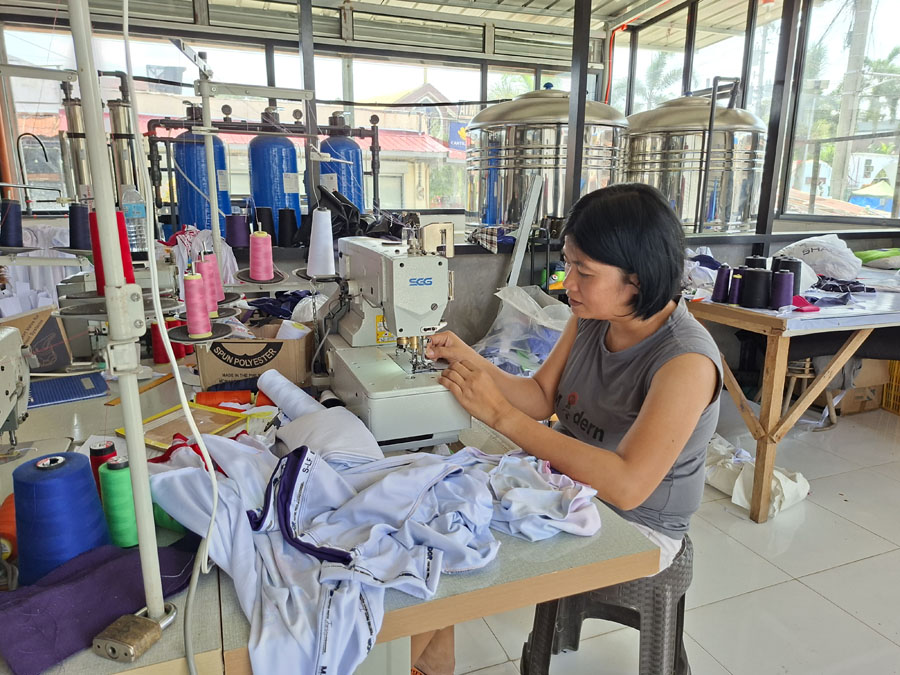
For the entire Saturday this past week, the printing and tailoring shop where 41-year-old Elvie Cuevas works as a seamstress has been closed. Typically, they work 24/7, except, of course, when the electric cooperative posts the dreaded announcement of a 12-hour power interruption like what happened that weekend.
“It was a good thing that we got the notice two days in advance, so we worked overtime last Friday to finish all pending orders,” she said.
While a 12-hour power interruption is not unusual in the town, she said the more common are brownouts that typically last 30 minutes to an hour: “These are unannounced, but also not unexpected, as they happen two to three times a month. So, we don’t have to close shop as the electricity usually returns immediately.”
For the September billing, she noticed a slight increase in their electricity charge. “I paid about P1,500 instead of the usual P1,000 or P1,200. We are four in the household with one refrigerator, rice cooker, and electric fans. I don’t know if our monthly bill is just enough or it’s high just based on the appliances we use.”
Elvie said that electricity eats a significant chunk of her monthly budget. Nonetheless, she said they paid their dues because the alternative would be no light.
With the rising power costs, it limits her elbow room to save. So, she was ecstatic after hearing the news about Davao Light and Power Co. taking over Nordeco in supplying power to Davao de Oro, especially Nabunturan.
“Now, if some company like Davao Light can come in and give us better electricity rates, I would be eternally grateful. As things stand, we have no choice but to just accept things as they are,” she added.
For these three workers, the conversation around Davao Light and Nordeco isn’t about corporate politics but a matter of day-to-day survival. However, the chatter about the utility takeover gives Jess, Cesar, and Elvie a spark of optimism. Perhaps their dream of better rates and more stable power will no longer be an indulgence that will be postponed.