

BY ALEX ALAGON


BY ALEX ALAGON
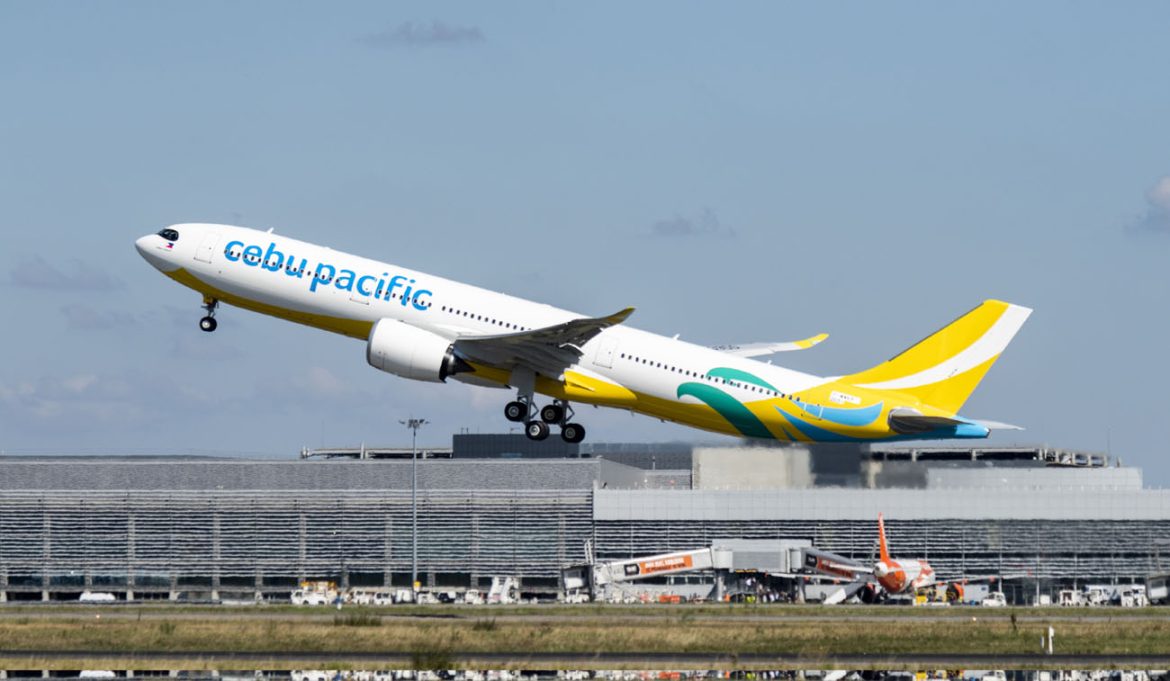
Cebu Pacific is set to launch the first direct service between Clark and Hanoi, offering travelers from north and central Luzon more affordable and accessible gateways between the Philippines and Vietnam.
Starting May 2, CEB will operate flights from Clark to Hanoi three times a week—every Tuesday, Thursday, and Saturday. Meanwhile, flights from Hanoi to Clark will depart every Wednesday, Friday, and Sunday.
“Launching direct flights from Clark to Hanoi is an exciting milestone for Cebu Pacific as we continue to strengthen Clark as a hub,” said Xander Lao, Cebu Pacific President and Chief Commercial Officer. “This route enhances travel options from Clark, allowing passengers from north and central Luzon to reach Hanoi more easily.”

To make the route launch more exciting, from January 28 to February 1, guests may book flights from Clark to Hanoi for as low as PHP 1 one-way base fare, exclusive of fees and surcharges. The travel period will run from May 2 to October 31, 2026.
Hanoi will become the fifth international destination served from CEB’s Clark hub, joining Bangkok, Hong Kong, Tokyo, and Singapore. It will also be CEB’s fifth route to Vietnam. The airline currently operates direct flights from Manila to Da Nang, Hanoi, and Ho Chi Minh City, as well as direct flights from Cebu to Ho Chi Minh City.
In Hanoi, guests can explore the Old Quarter’s historic streets and enjoy local Vietnamese cuisine. They can also take a day trip to Halong Bay and Ninh Binh, known for their limestone formations and natural scenery.
CEB offers various payment options, including credit or debit cards and e-wallets, to book flights and buy add-ons.
CEB currently operates in 37 domestic and 26 international destinations spread across Asia, Australia, and the Middle East.
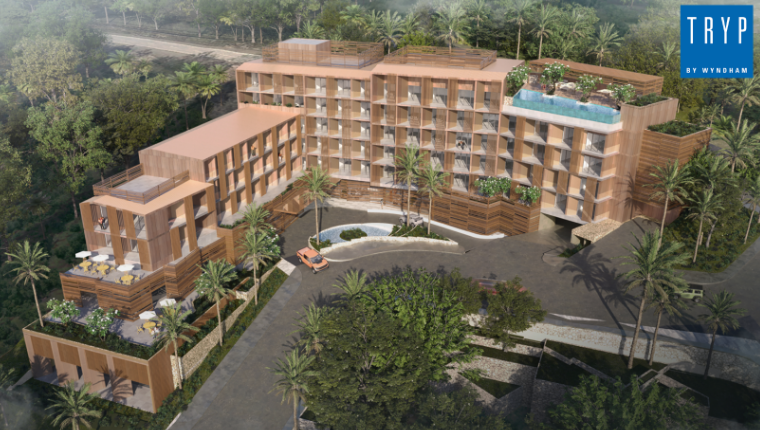
DAMOSA Land enters 2026 with a disciplined growth agenda focused on sustainable expansion and community-centered development across Mindanao, as it outlines plans to scale its portfolio through new projects and strategic expansions outside Metro Manila.
“In 2026, our focus is on scaling responsibly by aligning commercial viability with long-term impact,” said Ricardo F. Lagdameo, president of Damosa Land, Inc. “We continue to see strong opportunities in Mindanao where thoughtful development can unlock economic activity, strengthen local ecosystems, and improve quality of life.”
Amid evolving market demand and broader macroeconomic headwinds, Damosa Land is prioritizing projects that address real market needs. Its 2026 pipeline includes new developments and expansions across Mindanao and select provincial growth corridors, spanning business parks, hospitality assets, and integrated communities designed to support tourism, trade, and local enterprise.
Damosa Land is advancing expansions across its commercial, industrial, and residential portfolio—including Agriya township, Kahi Estates, Damosa IT Park, and ongoing developments within Anflo Industrial Estate.
These developments reflect Damosa Land’s broader strategy of using flagship projects to anchor long-term regional growth. The year begins with a major milestone as Damosa Land kicks off 2026 with the launch of TRYP by Wyndham Samal, its landmark hospitality development on Samal Island.
Beyond its commercial potential, TRYP by Wyndham Samal is expected to serve as a catalyst for tourism growth and local employment, strengthening the Davao–Samal economic corridor and reinforcing Damosa Land’s strategy of using hospitality-led projects to anchor long-term regional development.
“Developments like TRYP by Wyndham Samal reflect a broader shift toward regional, well-planned investments that go beyond individual projects. For Damosa Land, our strategy has always been to build integrated communities—across residential, commercial, industrial, and tourism sectors—that support inclusive growth, generate long-term economic value, and strengthen the regions where we operate,” Lagdameo concluded.

AS THE job market becomes increasingly more competitive, job seekers are facing bigger challenges in standing out in job applications. In the previous year, Jobstreet by SEEK reported a 179% year-on-year surge in job applications per post, indicating that a single role now receives significantly more applications than before. That’s why applying smarter matters more than ever.
With the new year encouraging fresh goals and new beginnings, Jobstreet by SEEK shares tips to help you achieve a job-application glow-up, boosting your chances of getting noticed and hired by your dream company.
“Hiring today values skills alignment and intention. In this competitive labor market, we aim to assist our jobseekers not only to see many opportunities in our platform but also to apply for positions more strategically, so they can land the right role,” said Dannah Majarocon, Jobstreet by SEEK managing director in the Philippines.
To stand out and avoid missed opportunities, here are the most common job application mistakes to watch out for:
Using one resume for every job
One of the most common mistakes job seekers make, especially when trying to apply quickly, is using the same resume for every job. As the hiring process becomes increasingly competitive, a single, generic resume often doesn’t work and is less likely to receive responses.
To stand out in your application, Jobstreet by SEEK encourages job seekers to tailor their resume to each role they are applying for. By customizing your resume to reflect the relevant skills and experiences required for the job, chances are the hirers will perceive that you understand the role and care about the position, which advances you past the screening stage.
Additionally, your chances of hearing back from target companies increase when you incorporate the role-specific keywords they seek in the job posting and tailor them to your experience. This simple yet strategic move also impresses employers, allowing them to see how well you fit the role and how your skills match their needs.
Skipping the job details
When browsing job advertisements online, it’s easy to skim a posting, thinking you’ve already got the gist by its title and brief description. However, overlooking other details can negatively affect your application.
To apply more effectively, job seekers are advised to carefully read the entire job posting, including the preferred skills, required portfolio or attachments, specific technical and soft skills, years of experience, and even the format or method of submission. From there, you can evaluate whether the role aligns with your professional background and tailor your resume and cover letter to highlight relevant experience. Otherwise, it would be more strategic to focus on other opportunities that are a better match with your expertise.
Ignoring salary information
When a candidate is actively and urgently hunting for a job, they tend to submit applications to any hiring companies, hoping to be invited for interviews as soon as possible. However, what jobseekers often miss is the salary information before applying for a role.
Overlooking how compensation aligns with your experience level and industry standards can lead to unmet expectations or dissatisfaction later in the hiring process. Jobstreet by SEEK encourages job seekers to carefully review or discuss salary ranges at the onset and prioritize roles that align with their market value. By understanding pay expectations, job seekers can focus more on the opportunities that align with their career goals and make smarter decisions that lead to more suitable roles.
Nowadays, asking about salary and negotiating is no longer seen as “just about the money” but is considered a standard part of the hiring process, allowing job seekers to advocate for themselves effectively. To start your 2026 career glow-up and get tips for smarter job applications, visit jobstreet.com.ph.
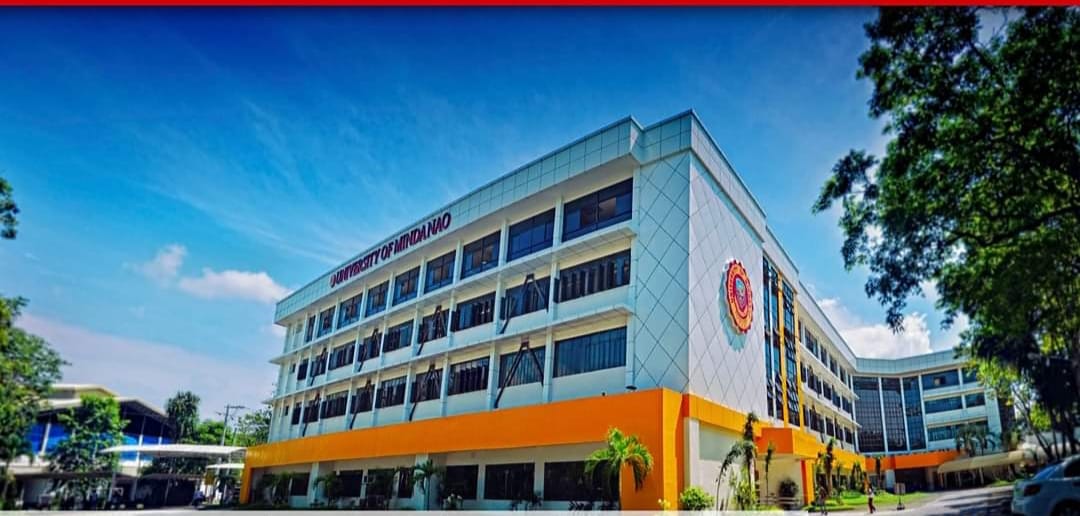
THE UNIVERSITY of Mindanao-Institute of Popular Opinion (UM-IPO) conducted an online survey from Jan. 9-26, 2026, targeting 1,200 Davaoeños from the three districts to describe their satisfaction with the basic services provided by the City Government of Davao.
The survey measured Davaoeños` perception by asking whether they were satisfied, not satisfied, or undecided regarding the services they had availed.
Since the survey was done online via sponsored ads on three Meta platforms (Facebook, Messenger, and Instagram), IPO relied heavily on online, pre-defined, targeted social media users, such as Davaoeños, who met the inclusion criteria and are targeted for contact within the defined geographical radius.
Respondents were defined to be at least 18 years old, have valid/ active email addresses, and have availed the city’s services within the past six months. The survey was done at a 95% confidence level and a 5% margin of error.
When asked about their satisfaction with the basic services of the City Government of Davao (see Table 1), Public Safety and Security (911) received the highest net satisfaction score of 91.4% followed by the Peace and Order with a satisfaction net score of 87.0%.
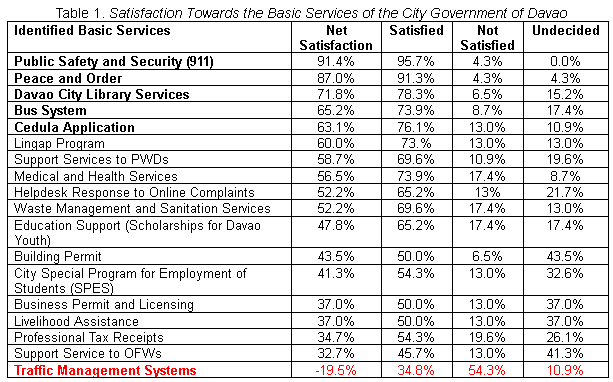
This indicates that Davaoeños recognize the effectiveness of emergency response and law enforcement services of the City. Similarly, among the top five basic services are those directly supporting education and social welfare, such as Davao City Library Services (71.8%), Bus System (65.2%), and Cedula Application (63.1%).
Also, health programs such as Lingap Program (60.0%), support services to PWDs (58.7%), and medical and health services (56.5%) were among the basic services that received a higher positive satisfaction net score.
Meanwhile, helpdesk response to online complaints (52.2%), waste management and sanitation services (52.2%), education support – scholarships for Davao youth (47.8%) and building permits (43.5%) were among the mid-tier services.
On the other hand, business permit and licensing (37.0%), livelihood assistance (37.0%), professional tax receipts (34.7%), and support service to OFWs (32.7%) received the lowest positive net satisfaction score.
Notably, the traffic management system stands out with a negative net satisfaction score of 19.5%, attributed to a majority of residents (54.3%) reporting dissatisfaction. This finding is particularly timely, as traffic congestion remains a perennial issue confronting the City.
When asked about their satisfaction with the courtesy and professionalism of the City personnel, the City obtained a 62.9% net satisfaction score, implying that 6 of every 10 Davaoeños expressed satisfaction with the behavior of the City personnel (refer to Table 2).

When asked about the basic services that need significant attention for improvement (refer to Table 3), traffic management systems emerged as the topmost concern that needs improvement as perceived by Davaoeños, highlighting persistent issues, particularly among students and workers who reported arriving late to school or work due to inefficient signal timing and congestion.

Also, the medical and health services were noted as services offered that need greater improvement, pointing to a manifestation of additional service availability to better accommodate the growing demand.
Also, the education support service, such as scholarships, was perceived as needing improvement in terms of providing more slots and greater inclusivity to allow more qualified Davaoeño youth to benefit from educational assistance.
THE MINDANAO Alliance for Progress (MAP) is calling on Davao Light and Power Company to provide a clear and understandable explanation for the P2.00 per kilowatt-hour electricity rate increase implemented in January 2026, saying the hike has an immediate impact on Davao City households.
“A P2.00 per kilowatt-hour increase is not a small adjustment for families in Davao City,” said Mayet Valdez, MAP coordinator. “For many households, especially in working-class communities, this means choosing between paying the full electric bill on time or falling behind on other basic needs.”
Valdez said that while Davao Light has cited factors such as the Wholesale Electricity Spot Market, Green Energy Auction Allowance, and various ERC-related charges, these explanations remain unclear to most consumers in the city.
“These are technical terms that may make sense to regulators and energy experts, but they mean very little to a family in Buhangin, Toril, Calinan, or Talomo opening a higher electric bill at the end of the month,” she said. “What Davaoeños want — and deserve — is a plain explanation of why they are suddenly paying more.”
MAP urged the power utility to explain the increase in simple Filipino or English and to clearly break down the additional charges.
“Don’t hide behind jargon. Don’t expect ordinary Davao consumers to decode industry language just to understand their bill,” Valdez said. “Explain where the extra P2.00 per kWh is going — how much is due to power plant outages, how much comes from spot market prices, and how much is tied to green energy charges.”
Valdez also raised concerns over advisories urging residents to conserve electricity amid the rate hike.
“Telling people to ‘save electricity’ while raising rates feels disconnected from reality,” she said. “Many Davao City households are already conserving — limiting appliance use, turning off lights early — because they have no choice.”
According to MAP, transparency should not be treated as a mere regulatory requirement.
“Transparency is not just about ERC compliance. It is about respect for consumers,” Valdez said. “If this increase is necessary, then explain it clearly. Speak to Davaoeños as people, not as engineers or regulators.”
“At a time when every peso matters for families in our city, clarity and honesty are the least the public can expect,” she added.

MANILA, Philippines – MILO® has reached a new milestone in its mission to make sports accessible to all Filipinos, introducing over three million kids to various sports and hosting the country’s first fully inclusive marathon for persons with disabilities. These efforts, supported by partners including the Philippine Sports Commission and Department of Education, underscore the brand’s expanded focus on grassroots development and inclusivity.
“In MILO® we believe that ‘Sports is a great teacher’,” shares Carlo Sampan, assistant vice president of MILO® Philippines and Head of MILO® Sports. “It teaches both kids and adults many lessons that they can use in their sports and life, including grit, the value of teamwork, and most importantly, discipline.”
Year on year, MILO® has been able to increase its reach by 50% as they continue to support grassroots sports development nationwide. Through these efforts, MILO® has engaged 3 million children—nearly half of all Filipino kids aged 7–12—opening opportunities for them to participate in various sports. MILO® remains committed to nurturing the next generation of athletes and instilling the values that sports bring to life.

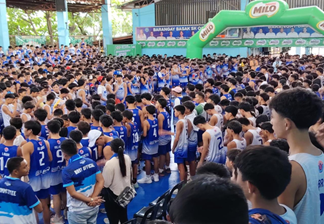
MILO® continues to inspire young athletes nationwide through its extensive sports clinic program, partnering with over 42 sports organizations and conducting more than 1,200 clinics across the Philippines. Recent collaborations include the Philippine Pole Vault Club, SWIM Philippines, Zamboanga Football Club, the Philippine Bowling Federation, and more, providing aspiring athletes with hands-on training, mentorship, and opportunities to develop their skills.
The MILO® Marathon Surigao leg held during National Disability Rights Week became a very memorable venue for people with various disabilities who were given a chance to run their very first marathon.
Organized in partnership with the Philippine Sports Commission (PSC), the event was designed with accessibility and inclusivity in mind. Most notably, the brand redesigned their wayfinding systems to make it easier for runners to navigate the race. Additionally, a sensitivity training booth was also put up to help persons without disabilities better understand how to deal with persons with disabilities–creating a community that truly understands each other’s needs.

July was also the month when MILO® formally launched SAFE Swim, a drowning prevention program in partnership with the Philippine Red Cross. It aims to teach kids and parents water safety including how to stay afloat while in water and what to do in cases of emergency.
The program had a total of 27 sessions throughout the year and a total of 1,593 of parents and kids as participants. This initiative came about after discovering that drowning is the one of the most common causes of death among children aged five to 14 in the Philippines.

All throughout the year, MILO® continues to help make sports accessible to kids from all over the country through its iconic MILO® Sports Clinic. Mounted in partnership with various sports centers, including BEST Sports Center Inc., this program has served as an entry point for roughly 3 million children to try various sports last year, including basketball, volleyball, chess, gymnastics, pole vault, taekwondo, and archery, among many others. Similarly, the MILO® Marathon also successfully completed 25 legs last year, garnering a total of over 180,000 participants from all over Luzon, Visayas, and Mindanao.
Sampan ends, “MILO® is known for supporting athletes from grassroots to greatness because the brand has always believed that great, globally recognized talents can be found everywhere. But through the joint efforts of the brand and our different partners to make sports more inclusive, we realized that greatness can also be defined by personal wins. These are all things we want every Filipino to have access to.”
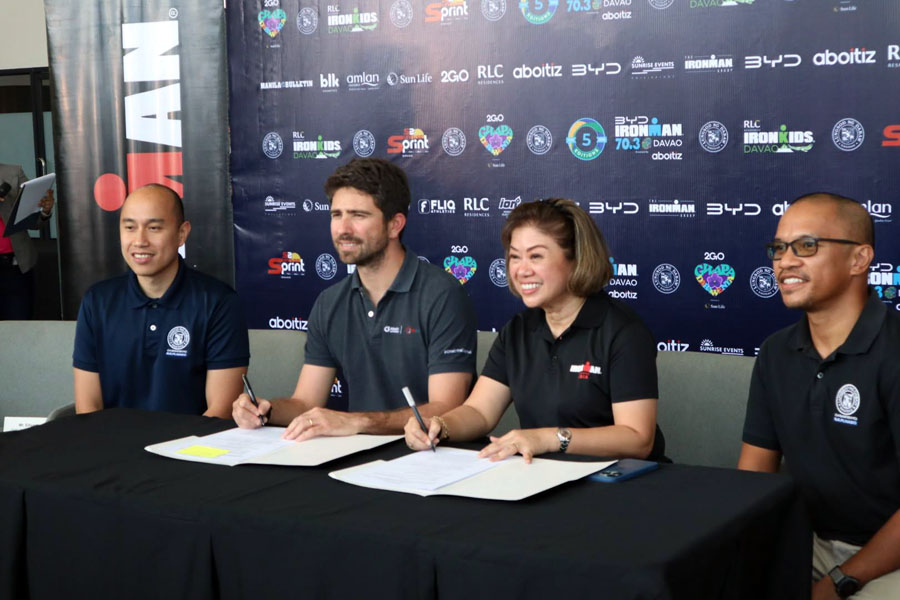
Davao City – The Aboitiz Group in Davao has once again entered into a sponsorship partnership with the City Government of Davao for the premier international endurance sporting event, the Ironman 70.3 Davao.
Mr. Eduardo Aboitiz, the President of the Apo Agua Infrastructure Inc. and Mr. Jokin Aboitiz, First Vice President – Business Development and Corporate Services, AboitizPower Distribution Utilities represented the Aboitiz Group’s Davao Business Units during the Sponsors’ Ceremonial Signing in BYD Showroom, J.P. Laurel Avenue, Bajada, Davao City on January 22, 2026.
During the event, Eduardo underscored the Aboitiz Group’s longstanding support to the local government unit of Davao, reinforcing public-private partnership, as the city takes center stage once more as host of the international sporting event for the fifth time.
“We are proud to support multiple initiatives and events across the city, and we commend Davao’s forward-looking efforts to promote a healthy and active lifestyle for all,” Apo Agua Infrastructure President Eduardo Aboitiz said.
This year’s Ironman 70.3 Davao will showcase the iconic Davao City Coastal Road and offer the majestic view of Mount Apo to first-time and seasoned athletes across the globe, giving them an unforgettable race experience set to happen on March 22, 2026.
“We hope to meet them with a warm Dabawenyo hospitality and foster camaraderie during our city’s chartered anniversary,” Davao City Administrator Atty. Francis Layog stated.
The Aboitiz Group of Companies reiterated its commitment to the overall growth and development of the region, powering its investments through its companies Davao Light and Power Co., Therma South, Inc., Hedcor, Inc., and Apo Agua Infrastructura. The Group continues to support the city through reliable power and bulk water supply, enabling households, businesses, and public institutions to meet daily needs while supporting long-term development for all Davaoñeos. Since 2018, the Aboitiz Group of Companies has been a sponsor of Ironman as part of its long-term partnership with the city.
ON TUESDAY, Chinese Ambassador to the Philippines Jing Quan and Senior Undersecretary of the Department of Public Works and Highways Emial K. Sadain jointly witnessed a significant moment–the official handover of the Bucana Bridge. As evening falls, the entire bridge’s lights illuminate the night sky, adding a beautiful sight to Davao City.
These lights not only brighten the night but also fulfill the aspirations of citizens on both banks for convenient travel, injecting new vitality into Davao’s economic development. It eliminates the previous detour inconvenience, drastically shortening commuting time and significantly improving the efficiency of people and goods movement. It connects not only the land on both sides, but also the interactions between people and the convergence of opportunities.
Notably, the Chinese Consulate General in Davao was established almost simultaneously with this bridge. In 2018, at the invitation of then-Philippine President Rodrigo Duterte, President Xi Jinping of the People’s Republic of China paid a state visit to the Philippines.
The two countries issued a joint statement and signed various agreements and Memoranda of Understanding, including an agreement on the Davao River Bridge Project with full assistance from China. It was also mentioned in the same joint statement that the Chinese Consulate General in Davao City was newly established. Like this bridge, we have witnessed the transformation and progress of this land, becoming a special symbol of our friendship.
Today, China’s bridge-building technology continues to reach across the globe, erecting bridges of friendship, livelihood, and development. Guided by practical solutions and underpinned by technological innovation, bridges constructed by China have become iconic landmarks and calling cards for many countries. They provide crucial support in enhancing people’s well-being, strengthening industrial foundations, improving investment environments, and promoting industrial upgrading. As the Chinese Consul General in Davao, I take great pride in this achievement.
Today, the Bucana Bridge stands ready to serve the community. By day, it provides a safe passage for our journeys; by night, it illuminates our way home with warm lights. It carries our hopes for a more convenient life and connects our shared aspirations for a brighter future. It will not only be a transportation facility but also become a new landmark in Davao City, further advancing the development of its coastal highway network.
May this bridge endure as long as our friendship and cooperation, forever renewed. May the lives of the people of Davao grow ever brighter and warmer, like the dazzling lights on the bridge.
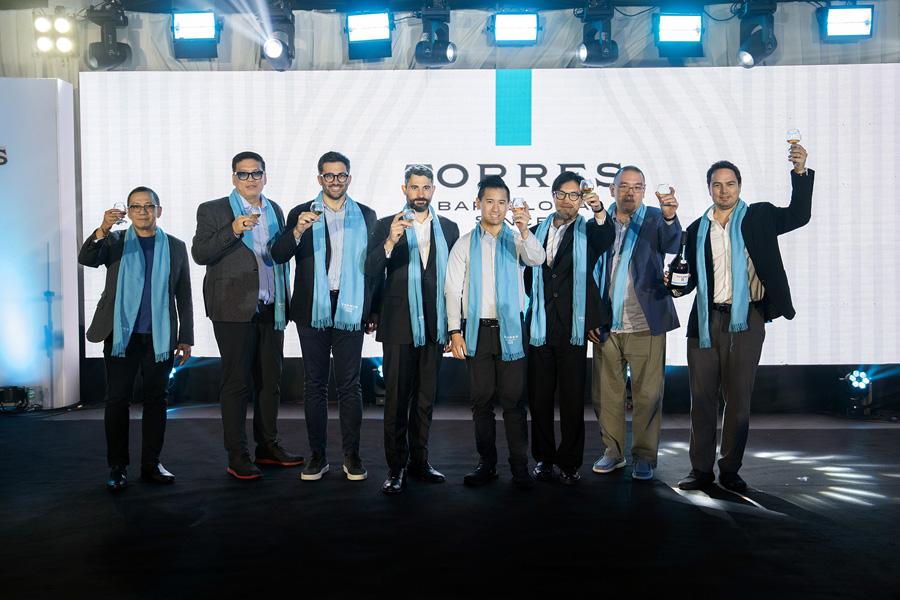
MANILA, Philippines — Spain-based spirits brand Torres is officially entering the country through a distribution partnership with Tanduay. In its Philippine market debut, it will be introducing Torres 5 Light and other products that showcase its established portfolio and heritage in spirits-making.
“The arrival of Torres in the Philippines marks the coming of two great houses that are united by a shared commitment to excellence and growth. This partnership reflects our vision to offer Filipino consumers world-class spirits,” said Lucio Tan III, President and CEO of Tanduay.
Christian Visalli, Torres Spirits Global Managing Director, shared that they are looking forward to introducing Torres 5 Light to Filipino consumers.
“We are proud to bring the rich heritage of Spanish brandy to the Philippines. With Tanduay as our distributor, we are confident that Torres products will reach Filipino consumers who appreciate exceptional spirits with authentic Spanish tradition,” he said.
A Spanish Brandy Elevated for the Filipino Taste
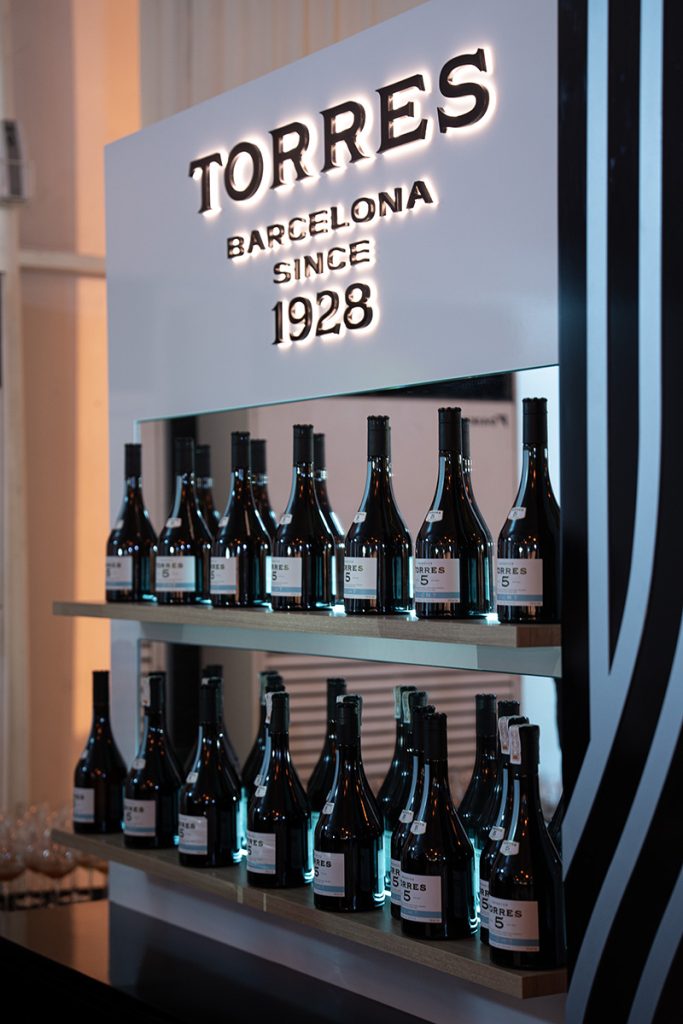
Torres’ initial product lineup for the Philippines is bannered by Torres 5 Light. Crafted from quality grapes and aged using the Solera method in oak barrels, this brandy has a lighter, more approachable profile that feels right at home in local drinking moments while at the same time offering a refined, premium feel.
Best enjoyed over ice, it has a clear-medium-gold appearance with delicate aromas of grape, dried fruits, and vanilla, and a smooth, subtly sweet taste featuring notes of prune, grape, and vanilla, Bottled at 25% ABV, Torres 5 Light is a masterful balance of tradition, craftsmanship, and approachable enjoyment.
Torres 5 Light will be distributed nationwide along with Torres’ other premium products that cater to different types of drinkers – from the young and adventurous to the refined and sophisticated.
A Brand Steeped in Tradition and History
The Torres family has been cultivating vineyards in Penedès, Spain since the 16th century. In 1870, Jaime Torres Vendrell founded Casa Torres, a company dedicated to wine. Its brandy-making business started in 1928 when Juan Torres Casals started using oak barrels to age brandy made from the best white wines from Penedès.
Torres 5 Light will be available at leading supermarkets and groceries nationwide. Other Torres products will also be available in the first quarter of the year.