
BY ALEX ALAGON
Contributor
COMELEC clears Escudero, contractor in ₱30-million donation case
The electoral watchdog Commission on Elections’ Political Finance and Affairs Department (PFAD) has dropped its investigation into the alleged illegal campaign donation of ₱30 million to Senator Francis Escudero by a construction-contractor, finding no breach of election law.
The contractor at the center of the controversy, Centerways Construction and Development Inc. — led by its president, Lawrence Lubiano — was accused of making a prohibited contribution, because under Section 95(c) of the Omnibus Election Code (OEC), companies holding government contracts or subcontracts are barred from donating to electoral campaigns.
In a nine-page resolution, PFAD concluded that Lubiano and Centerways are legally distinct entities. The mere fact that Lubiano serves as Centerways’ president is insufficient, in the absence of evidence showing fraud, bad faith, or an attempt to evade legal obligations, to treat the company and Lubiano as one.
Because PFAD found “no evidence to support a complaint that Section 95(c) of the OEC was violated,” the investigation was terminated and Escudero’s acceptance of the donation was deemed legally permissible.
While Lubiano admitted that he personally contributed ₱30 million to Escudero’s 2022 senatorial campaign, he maintained that the funds came from his personal account — not from Centerways. That distinction was central to PFAD’s decision.
Under the OEC, contractors (or firms engaged in government works) are prohibited from making campaign donations.
However, PFAD upheld the legal doctrine of separate juridical personality — meaning a juridical person (the corporation) and a natural person (Lubiano) are different, unless there is strong evidence to prove they are effectively “aliases” of one another.
Because PFAD found no proof that Lubiano used the company as a conduit for the donation, and because the contribution was declared and is purportedly personal, the donation to Escudero is considered lawful.
In September 2025, Lubiano admitted giving the ₱30 million donation to Escudero — but insisted it came from his own pocket and not from Centerways.
In early October, PFAD had issued a show-cause order against Escudero and Lubiano, calling on them to explain the donation under the OEC.
Escudero submitted a manifestation, arguing the donation was legal, properly declared, and complied with existing rules.
Now, with PFAD’s resolution, that complaint has been formally closed.
Marcos admin’s evidence-based approach good for flood control probe: Chiz
SENATOR Francis “Chiz” Escudero commended on Tuesday President Ferdinand Marcos Jr. for pursuing evidence-based investigations into the flood control budget irregularities that have led to the filing of corruption and malversation cases, stressing the importance of accountability and cautioning against diversions that only protect the guilty and harm the innocent.
During the Senate plenary deliberations on the Department of Public Works and Highways (DPWH) budget, Escudero said the administration, as stated by Secretary Vince Dizon, has indeed chosen to follow the evidence wherever it leads, even when politically sensitive.
“Binabati ko po ang administrasyon dahil hindi sila sumunod at nagpadala sa anumang script o sarswela para ilihis ang mga tunay na salarin tulad ng sinabi ko nung ako ay huling tumayo at nagsalita dito sa Senado,” he said. “Ayon mismo kay Secretary Dizon, ang sinusundan lamang nila, base sa kautusan ng Pangulong Marcos, ay kung saan sila dinala ng ebidensya.”
The Ombudsman has already filed corruption and malversation charges before the Sandiganbayan against former Ako Bicol Rep. Zaldy Co, former DPWH Undersecretary Wilfredo Bernardo, former DPWH Bulacan 1st District Engineer Henry Alcantara, former DPWH Bulacan 1st District Assistant Engineer Brice Hernandez, and directors of Sunwest Corporation in connection with flood control project anomalies.
The Independent Commission for Infrastructure, which has been tasked by the President to lead the investigations, has turned over documents to the Office of the Ombudsman in relation to the role of former House Speaker and Leyte Rep. Martin Romualdez in the anomalies to determine possible administrative or criminal accountability under the Anti-Graft and Corrupt Practices Act, the Code of Conduct and Ethical Standards, and other applicable laws.
The Bicolano senator praised the administration for its determination to uphold justice, even when investigations touch close to home. He noted that the President’s directive to “follow the evidence” has ensured that accountability is pursued consistently and without diversion.
“Alam kong hindi naging madali ang desisyong ito para kay Pangulong Marcos nang malaman niya na posibleng sangkot ang kaniyang pinsan. Kaya, binabati ko ang kaniyang sigasig na panagutin ang mga tunay at dapat managot, at ang pagtutol niya sa anumang dibersyon dahil marami nang mga inosenteng tao ang nadamay sa tangkang paglilihis na ito,” he stressed.
Escudero reminded the public that while anger against corruption is justified, judgment must be based on facts and evidence, and not on speculation or intrigue.
“Dapat lang tayong magalit sa korupsyon at anumang uri ng pag-abuso sa kapangyarihan. Subalit, huwag tayo maging padalos-dalos sa paghusga. Maging mapanuri din tayo sa mga mema na nais lamang magpunla ng pagkakawatak-watak natin di lamang dito sa Senado kundi sa buong bansa,” he concluded.
Hotelogix secures BIR Certification to help Philippine hotels achieve tax compliance
With this certification, Hotelogix becomes one of the few cloud-based Hotel PMS providers to meet the stringent fiscal requirements mandated by the Philippine government
Singapore – Hotelogix, a globally leading provider of cloud-based hospitality technology solutions, announced its recent certification by the Bureau of Internal Revenue (BIR) in the Philippines. With this, Hotelogix aims to empower hotels across the Philippines to streamline their tax filing processes, reduce administrative burdens, and remain compliant with mandatory government regulations.
The BIR is the Philippines’ national agency under the Department of Finances, which is responsible for assessing and collecting all internal taxes, fees, and charges, and enforcing all forfeitures, penalties, and fines related to them. It mandates that businesses, including hotels, issue BIR-compliant official receipts, maintain accurate books of accounts, and submit timely tax filings. In recent years, the BIR has intensified its push toward digitalization, requiring all types of hotels to adopt certified systems that ensure transparency, traceability, and real-time reporting.
“Becoming BIR-certified is a strategic milestone in our journey with hotels across the Philippines,” said Aditya Sanghi, CEO of Hotelogix. “It means that the same solution they already trust to run day-to-day operations can now also underpin regulatory compliance. We want to give hotels the confidence to grow, knowing that compliance, governance, and guest service are all supported by one modern, secure, and future-ready system.”
Hotelogix is a leading cloud PMS provider in the Philippines with over 10,000 active users and 15,000+ keys. Several growing hotel groups, including Global Officium Limited Inc (GOLI), Enable Hospitality, Araw Hospitality Group, Astoria Hotels and Resorts, Azalea Hotels and Residences, The Henry Hotels, etc., trust Hotelogix to power their operations and growth. With BIR certification, hotels using Hotelogix will be able to issue proper tax documents, file accurate tax returns, and financial statements in accordance with the BIR mandate. This milestone further reinforces Hotelogix’s leadership position and paves the way for increasing adoption as hotels nationwide prioritise compliance and digital transformation.
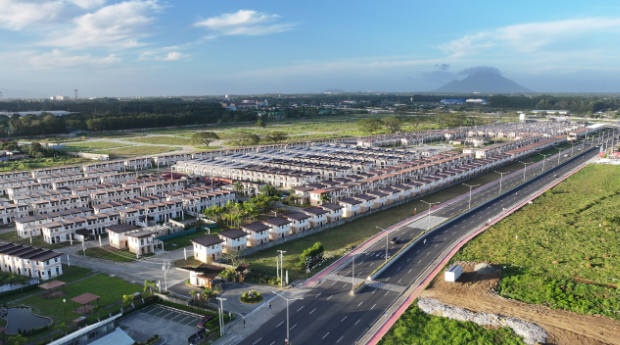
Metro Nuvali in the Rising South Launches the Future of CALABARZON Ayala Land Unveils a Bold New Way to City in the South’s Premier Business Capital
Southern Luzon welcomes the dawn of a new capital of ambition. Ayala Land launches Metro Nuvali — a 200-hectare central business district rising in the heart of CALABARZON, envisioned as the South’s defining address for enterprise, culture, and public life.
Anchored within Nuvali’s 2,500-hectare eco-community, Metro Nuvali embodies a new way to city — where commerce, civic spaces, and sustainable living come together in a seamlessly connected environment framed by green corridors, dynamic plazas, and future-ready infrastructure.
A Three-District Blueprint for Growth
Lakeside District (100 hectares)
A reimagined destination for shopping, dining, and leisure — anchored by Ayala Malls Nuvali, a Super Regional Mall seamlessly integrated with the lakeside, Seda Hotel, and future office towers. Nearly 50,000 sqm of new retail will open by next year, highlighted by a flagship multi-level wing and wellness venues.

Central District (40 hectares)
The commercial and cultural core of Metro Nuvali, featuring modern office towers, collaborative workspaces, and a three-hectare Central Park complementing the East Bloc Garden. It offers a dynamic environment where business, creativity, and open space intersect.
Civic District (60 hectares)
The institutional heart of the new metro — anchored by the Santa Rosa Civic Complex, a two-hectare development housing a Satellite City Hall, Convention Center, Hotel, and Command Center. Within the same district, the Nuvali Parish Church stands as a landmark for faith and community. With direct frontage along Casile–Tagaytay Road, it opens a bold new gateway linking Cavite, Tagaytay, and Laguna.
All three districts will be seamlessly connected to Nuvali’s larger ecosystem — through major road networks, public transport links, and walkable green corridors that foster mobility and community life.
Building on over a decade of progress, Metro Nuvali represents the culmination of Ayala Land’s long-term vision for a sustainable southern metropolis — one that combines enterprise, nature, and community in perfect balance.
Connectivity That Powers Growth
Metro Nuvali connects seamlessly to the broader Nuvali estate ecosystem — including Solenad, the 36-hectare sports and arts hub; Nuvali Commons, the estate’s social quarter; and South Nuvali, a network of green neighborhoods and parks. Its accessibility will further expand with the upcoming Carmona–Biñan Link Road, targeted for completion in 2028, linking the district to SLEX, CALAX, and the future CTBEX, ensuring unmatched regional connectivity.
Investing in the South’s Next Growth Capital
For over 15 years, Nuvali has set the standard for sustainable living in Southern Luzon. Now, Metro Nuvali builds on that legacy — emerging as CALABARZON’s premier business capital and a landmark investment opportunity for enterprises and visionaries.
With its scale, infrastructure, and Ayala Land’s hallmark of long-term estate development, Metro Nuvali leads the South’s next wave of growth — where the future of business, lifestyle, and connectivity converge.
The future is closer than you think.
Tanduay Flavored Mixes Bundle Makes Festive Sipping Effortless
MANILA, Philippines — The Tanduay Flavored Mixes Bundle is a great gift for anyone who loves to celebrate the Holidays with a perfectly mixed drink.
Available until supplies last, each bundle includes 700ml bottles of the Daiquiri and Zesty Storm flavors and a free highball glass. It comes in a paper bag for easy gifting and can be purchased via SHOTS.PH, Tanduay’s official web store.
“The Tanduay Flavored Mixes Bundle is the perfect way to share the joy of flavor this season. It’s a simple way to make Holiday gatherings a little more memorable,” said Roy Kristoffer Sumang, International Business Development Manager of Tanduay.
Tanduay Flavored Mixes Daiquiri offers fresh, juicy lemonade flavors with notes of cherry and almond cake. You can catch a whiff of fresh cherries, zesty lemon, and candied almond when you enjoy this drink, which only has 15% ABV (alcohol by volume or ABV (the measurement that determines the percentage of alcohol in a drink). It’s the kind of ready-to-drink cocktail that you can enjoy anytime, whether you’re winding down or sharing a festive moment with friends.
Tanduay Flavored Mixes Zesty Storm, meanwhile, is a classy mix of rum and flavors of citrus fruits with hints of cucumber and ginger. It has refreshing aromas of ginger and cucumber with a hint of lemon juice and a slice of lime. Also at 15% ABV, it is perfect for pairing with light bites or adding a touch of festive cheer to any event.
The Tanduay Flavored Mixes Bundle is now available for only PhP300. Stock up before it runs out! Stay updated on Tanduay’s latest products, events, and promotions by following its official accounts on Facebook, Instagram, and TikTok.
New Manulife report finds Asians want to live better, not just longer, as they prepare for a 40-year retirement
2025 Manulife Financial Resilience and Longevity Report reveals quality of life and financial independence are top priorities for Asia’s aging population
MANILA, Philippines – As people across Asia live longer than ever before, a growing number are prioritizing purpose and quality in a longer life, according to the 2025 Financial Resilience and Longevity Report for Asia (the “Report”) unveiled by Manulife Wealth & Asset Management (Manulife WAM). The Report reveals that as longevity rises across the region, people aspire to live independently and healthily in retirement, but many still face challenges in achieving lasting financial resilience.
The Report, which focuses on Hong Kong, Malaysia, Indonesia, and the Philippines, builds on Manulife’s established commitment to longevity preparedness and is exemplified by the recent launch of Manulife’s Longevity Institute, a global platform that seeks to drive action to help people live longer, healthier, and more financially secure lives.

Calvin Chiu, Head of Asia Retirement, Manulife and Chief Executive Officer, Manulife Investment Management Hong Kong said, “Longevity is reshaping how people across Asia think about retirement. We’re seeing people rethink what retirement means—not simply living longer, but living better. Financial independence, health, and well-being now define success in this new era of longevity.”
Living Better, Not Just Longer
The report shows that most Asians prioritize quality of life over longevity itself. Fewer than 1 in 10 respondents said they wanted to live longer regardless of circumstances, while half said they value living a meaningful life, and over one-third expressed a desire not to be a burden on others. When envisioning later life, people overwhelmingly said they hope to be financially independent, stay physically and mentally active, and age gracefully while maintaining their desired standard of living.
These findings highlight a strong desire for autonomy and wellbeing, with many viewing health and financial stability as deeply connected. Across all four markets, three-quarters of respondents believe that their financial wellbeing affects their physical and mental health, while 85% said financial wellbeing influences their mental state during retirement.
“People across Asia want to enjoy their extended lifespans with dignity, purpose, and freedom,” added Chiu. “That requires a shift in mindset—from saving for retirement to planning for longevity.”
Asia’s Financial Readiness Gap
Despite this awareness, less than half of respondents across Asia believe they will have enough funds to retire comfortably. Confidence varies widely across markets, from just 48% in Hong Kong to 77% in Indonesia. Mid-career individuals aged between 45 and 54 are the least optimistic about their preparedness, underscoring a need for more proactive financial planning.
Cash continues to dominate the average Asian portfolio, representing roughly half of non-property investments, reflecting ongoing caution toward risk. Many respondents cited fear of capital loss and lack of investment knowledge as reasons for avoiding higher-yielding assets. Property, once the cornerstone of Asian retirement planning, is losing its dominance. While most still regard it as important, only 3 in 10 now see it as less of a priority than before.
“Holding too much cash and relying solely on property can leave people vulnerable to inflation and income shortfalls,” said Chiu. “Building financial resilience means diversifying across income-generating and inflation-protected assets—and doing so early.”
Advice Matters: Professional Guidance Drives Confidence
The Report found a clear link between financial advice and confidence. Across all four markets, people who work with a financial planner are significantly more likely to feel ready for the future. In Indonesia, for example, 89% of those with a financial planner said they expect to have sufficient funds for retirement, compared to 63% of those without one. In Hong Kong, that gap widens further, with 62% of people who work with a planner feel confident versus only 29% without. Insurance agents and financial planners from insurance companies remain the most common sources of advice across Asia, followed by bank relationship managers and independent advisors.
“Professional advice can make all the difference,” Chiu added. “With the right guidance, people can move from simply saving to actively investing, giving them greater control over their future income and lifestyle.”
Generational and Market Insights Across Asia
Regional patterns reveal both progress and disparity. In Hong Kong, less than half (48%) of respondents believe they will have sufficient funds for retirement. However, many are taking action—around two-thirds (65%) plan to shift part of their cash into higher-return investments. In Malaysia, confidence is moderate, with 58% expecting to be financially ready. Many Malaysians expressed strong interest in pension solutions that provide steady retirement income and protection against inflation.
In contrast, Indonesia emerged as the most financially confident market, with 77% of respondents believing they will have enough savings for the future. Indonesians also show the willingness to diversify, with 69% saying they are now more open to investing for income rather than holding property. Meanwhile, the Philippines reflects both optimism and transition: while just over half (52%) of respondents feel financially prepared for the future, 73% now prefer income-generating investments over property (71%), signaling a generational shift in retirement thinking.
These market insights collectively underscore a growing recognition that living longer requires new investment habits, diversified portfolios, and a stronger focus on financial literacy.
The Report also highlights a common insight across generations. Younger, mid-life and older groups consistently ranked a work-free new chapter as their top priority when it comes to retirement outlook. This desire is strongest among the younger group (25-34) at 55% and the older group (60+) at 58%, while mid-life groups (45–59) show a more balance view with many leaning toward balancing work and life with continued employment at the same time.
A Call to Action: Building Longevity Confidence
As life expectancy continues to rise, the Report urges individuals, employers, and financial planners to rethink traditional retirement strategies. Manulife WAM advocates a more holistic approach to longevity—one that combines early financial planning, diversified investments, and continuous professional guidance to help people thrive through longer retirements. “Longevity should be a source of optimism, not anxiety,” Chiu concluded. “With the right financial habits and guidance, people can turn longer lives into better lives—and that’s the vision driving our work at Manulife.”
WTCMM’s Business Broadcast exploresthe Halal Economy: From Farm to Finance
THE WORLD Trade Center Metro Manila (WTCMM) hosted the Business Broadcast: The Halal Economy Forum – From Farm to Finance, a one-day event that brought together over a hundred participants from government agencies and the business community. The forum explored the growing opportunities within the Halal ecosystem—from agriculture and food production to banking, finance, and investment.
“Halal is no longer just a religious designation—it is a national development strategy.” This was the prevailing message of the Forum as officials and industry experts highlighted how the Halal economy represents a powerful framework for inclusive growth, food security, and ethical finance.
In the Philippine context, Halal is gaining traction not only because of the growing domestic Muslim market but also due to rising demand from export markets in the Middle East, Southeast Asia, Europe, and North America. With its robust agricultural base and strategic location, the Philippines holds vast potential to become a competitive Halal hub in Asia Pacific.
The morning session focused on Halal food production and the opportunities for small and medium enterprises (SMEs) to scale through certification and compliance with international standards. Ms. Juhainah Javier of Mubarak Fresh Foods shared her inspiring entrepreneurial story—starting her business with just two kilos of product sold daily, which grew to more than 100 kilos a day after she obtained her Halal certification. Her success demonstrated the credibility and market access that certification brings, especially for businesses seeking to penetrate institutional and export markets.
Engr. Zamzamin L. Ampatuan, undersecretary for regulations and infrastructure at the Department of Agriculture, underscored that Halal food production offers the Philippines a pathway to food security, export competitiveness, and rural empowerment.

underscored the opportunities that Halal food production offers the Philippines.
“Halal is a standard of hygiene, ethics, and quality. Our farmers are ready to meet that standard,” he said, noting the government’s commitment to supporting Halal-compliant food infrastructure, including a ₱350-million poultry facility in Tarlac.
Ampatuan cited that the domestic Halal food demand already exceeds ₱6.6 billion annually, with dairy, beef, and poultry comprising nearly 90% of local consumption. He called for greater investment in scaling production and aligning agricultural programs with global Halal protocols.
A panel discussion followed, featuring experts who provided practical guidance on how businesses—both emerging and established—can take advantage of gaps in the Halal value chain, particularly in certification, logistics, and product diversification.
The afternoon session transitioned to Halal finance, opening with a compelling presentation from Atty. Arifa Alah of the Bangko Sentral ng Pilipinas (BSP). She provided a clear and straightforward explanation of the difference between conventional banking and Islamic banking, emphasizing how both systems can serve as vital sources of capital for entrepreneurs and enterprises.
Dato’ Abdul Malik Melvin Castelino, Ambassador of Malaysia to the Philippines, delivered the keynote address, emphasizing that Islamic finance is not a niche concept but a scalable, ethical framework supporting inclusive development and cross-border investment.

“Malaysia’s success in building a dual banking system shows that Islamic finance can coexist with conventional models while expanding access and deepening trust,”
Meanwhile, Dr. Aleem Siddiqui M. Guiapal, program head of the Philippine Halal Industry Development at the Department of Trade and Industry, urged the institutionalization of Islamic finance to attract ethical capital and support the growth of Halal enterprises.
“Halal is now a global lifestyle economy. We must build systems that integrate food, finance, and faith into a cohesive development strategy,” he said, citing the successful issuance of a $1-billion Sukuk bond in 2023 as proof of growing investor confidence.
The afternoon culminated with another panel discussion where experts addressed audience questions on Islamic banking, finance, and insurance. The session provided clarity on how businesses can access Shariah-compliant financing instruments and Takaful (Islamic insurance) to expand operations or enhance resilience against market risks.
The forum aligned closely with the goals of the Philippine Halal Industry Development Strategic Plan 2023–2028, which seeks to double Halal-certified output, generate 120,000 jobs, and attract ₱230 billion in investments. With over 3,000 Halal-certified products and a growing reputation in Muslim-friendly tourism, the Philippines is steadily positioning itself as a regional Halal hub.
Organized by WTCMM, the event was supported by the Department of Trade and Industry – Halal Office, Bangko Sentral ng Pilipinas, Maybank Philippines, Etiqa Philippines, Miguelitos, and M Catering. Their active participation reflected a shared commitment to advancing the Halal economy as a driver of national development.
Part of the WTCMM Business Club’s Business Broadcast series, the Halal Economy Forum forms part of the organization’s continuing trade education program, where experts and industry leaders discuss trends and insights aimed at empowering entrepreneurs and companies to harness new market opportunities.
Through its Business Broadcast platform, the World Trade Center Metro Manila continues to serve as a strategic venue for dialogue and collaboration among government, industry, and the entrepreneurial community. The Halal Economy Forum: From Farm to Finance not only expanded awareness of Halal opportunities but also deepened the national conversation on building an economy anchored on ethics, inclusivity, and sustainable growth.
By bringing together experts, entrepreneurs, and policymakers under one roof, WTCMM reaffirmed its role as a catalyst for knowledge-sharing, capacity-building, and business empowerment in the Philippines’ evolving trade landscape.
IN EVERY season of Philippine politics, truth often appears like a distant island. It is visible from time to time, yet always surrounded by noise, distraction, and strategic silence. But in the past weeks, truth has come unusually close. The nation has been shaken by confession videos, accusations among political allies, and swirling allegations that stretch from Congress to powerful political families. It feels as if the fragile curtain that hides corruption has been pulled back, even if only for a moment.
And yet, in that moment of clarity, the noise suddenly grows louder. Officials panic. Backpedaling begins. Narratives twist overnight. Old grudges are resurrected. Unrelated issues dominate headlines. Allies contradict one another while the public watches with a mix of exhaustion and forced curiosity.
This is what happens when the truth is near. It becomes heavier. Those holding it feel the weight pressing against their hands. Those running from it feel the heat rising behind them. Power trembles. Silence becomes strategy. And the louder the truth echoes, the more desperate the attempts to drown it out.
The anatomy of a political storm
The recent confession video involving Congressman Zaldy Co did not simply reveal allegations. It exposed an entire system that shakes under pressure. His trembling voice, the references to luggages of cash, the mention of powerful individuals, and the suddenness of the confession painted a picture of a political environment on the brink of collapse.
People immediately sensed that the country was closer to something real. Something unfiltered. Something unscripted. And that was precisely why panic erupted.
Truth is dangerous in a political system built on fragile alliances. It threatens careers. It threatens narratives that politicians have spent years perfecting. It threatens the illusion of unity. And most of all, it threatens the comfort of those who have controlled the flow of information for far too long.
Silence as a shield
When scandals erupt, powerful people rarely explain themselves. Instead, they retreat into calculated quietness. Silence is treated as a protective layer. It allows them to observe public reaction before committing to a narrative. It gives their strategists time to design answers that sound official but reveal nothing. It allows space for distractions to be injected into the public consciousness.
The silence that follows a confession is never innocent. It is a strategic pause. It is a chance to reorganize influence. It is a way of controlling attention without speaking a word.
But silence also communicates something else. It communicates fear. It communicates avoidance. It communicates disrespect for the public.
In development communication, silence from leaders is considered a crisis signal. When those entrusted with power refuse to engage, they are telling the people that truth is negotiable, that public trust is dispensable, and that accountability is optional.
When noise becomes a weapon
As soon as silence settles, the noise begins. Suddenly, politicians begin attacking each other on unrelated issues. Long-forgotten controversies resurface. Social media becomes flooded with side stories that distract from the central issue. Commentators debate subjects that do not matter. Rumors circulate wildly. Everything becomes chaotic.
This chaos is not accidental. Diversionary tactics thrive on confusion. When too many topics dominate public attention, the public becomes overwhelmed. People begin to feel fatigued, and in that fatigue, they lose the energy to pursue the truth.
Noise becomes a tool. It blurs timelines. It confuses motives. It weakens outrage. It keeps citizens chasing shadows while the real story escapes.
There is a Filipino saying that goes, “Kapag malapit na ang katotohanan, mas malakas ang ingay.” The closer we get to the truth, the louder the noise becomes. This past week has proven that true once again.
The fragility of trust
The weight of the truth does not only affect politicians. It falls heavily on the shoulders of citizens.
Ordinary Filipinos are tired. They are tired of corruption scandals with no resolution. Tired of officials who speak only when it suits them. Tired of the endless loop of controversy, denial, spectacle, and forgetting.
Public trust is fragile because it has been broken too many times. People have learned to expect disappointment. They have learned that truth in politics is slippery, easily reshaped, easily denied.
This is why every confession or testimony, whether genuine or coerced, carries tremendous emotional weight. Filipinos long for honesty. They long for leaders who speak clearly, act decisively, and admit wrongdoing when necessary. They long for institutions they can rely on.
But how can trust grow in an environment where truth is hidden behind layers of noise? How can hope survive when silence is rewarded more than honesty? How can development thrive when communication is weaponized to protect the powerful?
Truth as a development imperative
Development communication teaches that truth and transparency are cornerstones of progress. Institutions strengthen when people believe in them. Communities participate when they understand what is at stake. Policies succeed when leaders communicate honestly with the public.
Truth is not merely a moral value. It is a developmental requirement.
A society where truth is manipulated cannot build genuine progress because every plan, every reform, and every promise rests on shaky ground. Without truth, institutions crumble. Without truth, public servants lose legitimacy. Without truth, citizens disengage.
Lies weaken a nation twice. First by stealing resources, and second by stealing hope.
What happens when Filipinos refuse distraction
There is, however, a growing awareness among citizens. People are beginning to recognize diversionary tactics for what they are. They refuse to be misled by sudden political quarrels. They refuse to be distracted by half truths. They trace timelines, revisit statements, analyze inconsistencies, and compare confessions.
The public is learning to focus.
And when the public focuses, power shifts.
The noise loses its effect. Silence becomes suspicious rather than strategic. Narratives fail to distract. Citizens begin to see patterns and connect dots. And when citizens become vigilant, truth becomes harder to bury.
This collective vigilance is one of the few forces strong enough to counter corruption. It is a form of resistance rooted in awareness. It reminds the powerful that the people are not as easily manipulated as before.
The weight we all carry
The nation stands at a moment of significance. The weight of the truth is pressing. It is heavy because it reveals the rot in our political system. It is heavy because it exposes how deeply corruption has shaped our institutions. It is heavy because it challenges us to ask difficult questions about the kind of leadership we tolerate.
But it is also heavy because it carries hope. If truth is close enough to cause this much noise, then it means the country is closer to confronting what needs to be changed. Truth brings discomfort before it brings clarity. It brings turbulence before it brings justice. It brings noise before it brings accountability.
A call to stay focused
The next days will be loud. That is how power behaves when threatened. But now is not the time to look away. Now is not the time to be distracted by carefully planted issues. Now is not the time to allow noise to drown out what matters.
We must stay focused on the facts. We must stay focused on the investigation. We must stay focused on the people responsible. We must stay focused on the truth.
Because the weight of the truth is not meant to crush us. It is meant to guide us. It is meant to show us where the cracks in our system lie. It is meant to remind us that progress cannot be built on deception.
It is meant to teach us that silence, when used to hide the truth, is the loudest warning of all.
——————————————————————————
Kethelle I. Sajonia is a college instructor at the University of Southeastern Philippines, Mintal Campus. She is currently in the final phase of her Doctor of Communication degree at the University of the Philippines. Her research interests include inclusivity, education, communication, and social development. She actively engages in scholarly research and community-based initiatives that advocate for inclusive and transformative communication practices.