



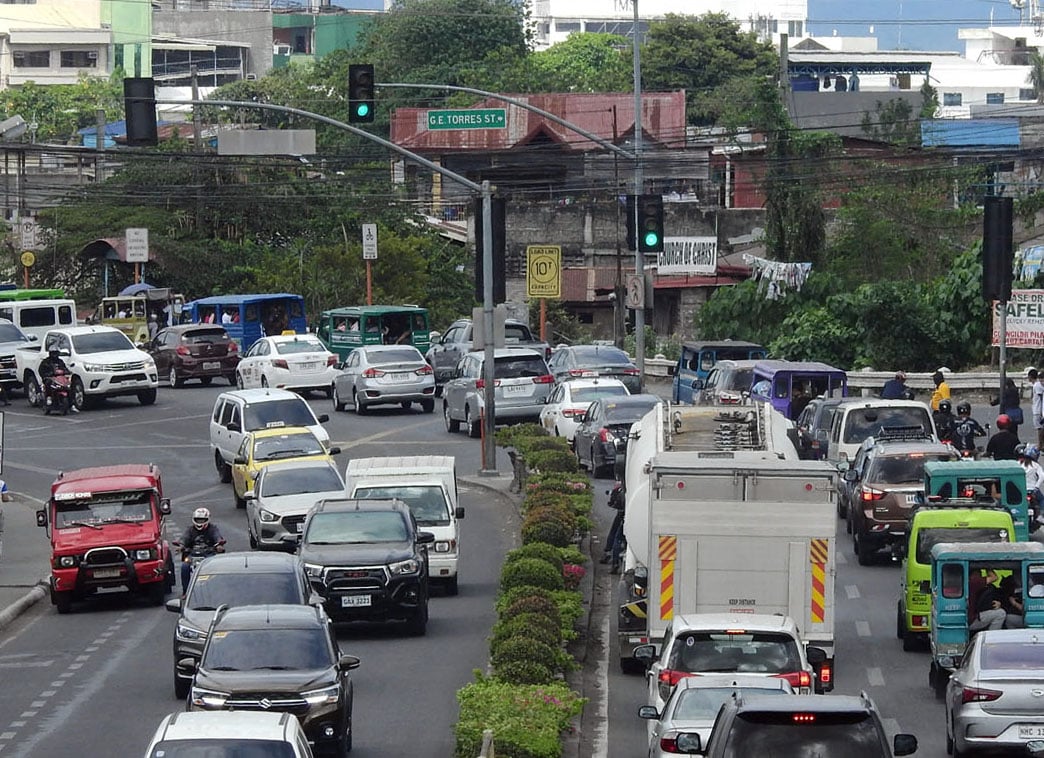
- CTTMO to replace all traffic lights for upcoming modern bus system
DAVAO City’s existing traffic signaling network is set for a modern overhaul to integrate with the upcoming Davao Bus Project, a transport official revealed on Wednesday.
Speaking at the Davao Peace and Security Press Corps media briefing at The Royal Mandaya Hotel, Leonardo Pamplona, Traffic Enforcement and Street Management Division head, said current traffic light repairs are frozen to prepare for the transition.
The division is under the City Transport and Traffic Management Office.
“The plan for the Davao Bus System is that our traffic signaling will be linked directly to the bus system,” Pamplona told reporters. “That’s why CTTMO cannot procure or plan for isolated repairs right now—there is a broader plan that all traffic lights will be replaced with more modern units.”
Pamplona noted that while there are currently around 70 traffic light locations, the upcoming system will introduce advanced, real-time traffic management technology aligned with high-priority public transport routes.
150-enforcer shortage
Alongside the upgrades, CTTMO is also grappling with significant field manpower constraints.

Pamplona said the agency urgently needs at least 150 additional traffic enforcers to cover critical intersections and unmanaged thoroughfares.
However, funding constraints have limited hiring to replacing outgoing personnel rather than expanding the plantilla force.
“In terms of personnel, we have been requesting additional workforce, but it needs to be deliberated by the higher-ups to justify the need,” Pamplona explained. “We have already submitted our justification, but budgetary requirements are likely holding it back for now.”
To maintain baseline enforcement, the CTTMO opens its recruitment pool every six months to replace personnel who have retired, resigned, or left their positions. However, these intakes only cover vacancies rather than expanding the total workforce.
The CTTMO continues to maximize its current personnel deployment across primary bottlenecks while awaiting final budgetary releases for additional enforcers and the rollout of the smart traffic signaling network.

