



BY JULIANE PATENA
THERE are journeys measured by kilometers, and then there are journeys measured by identity.
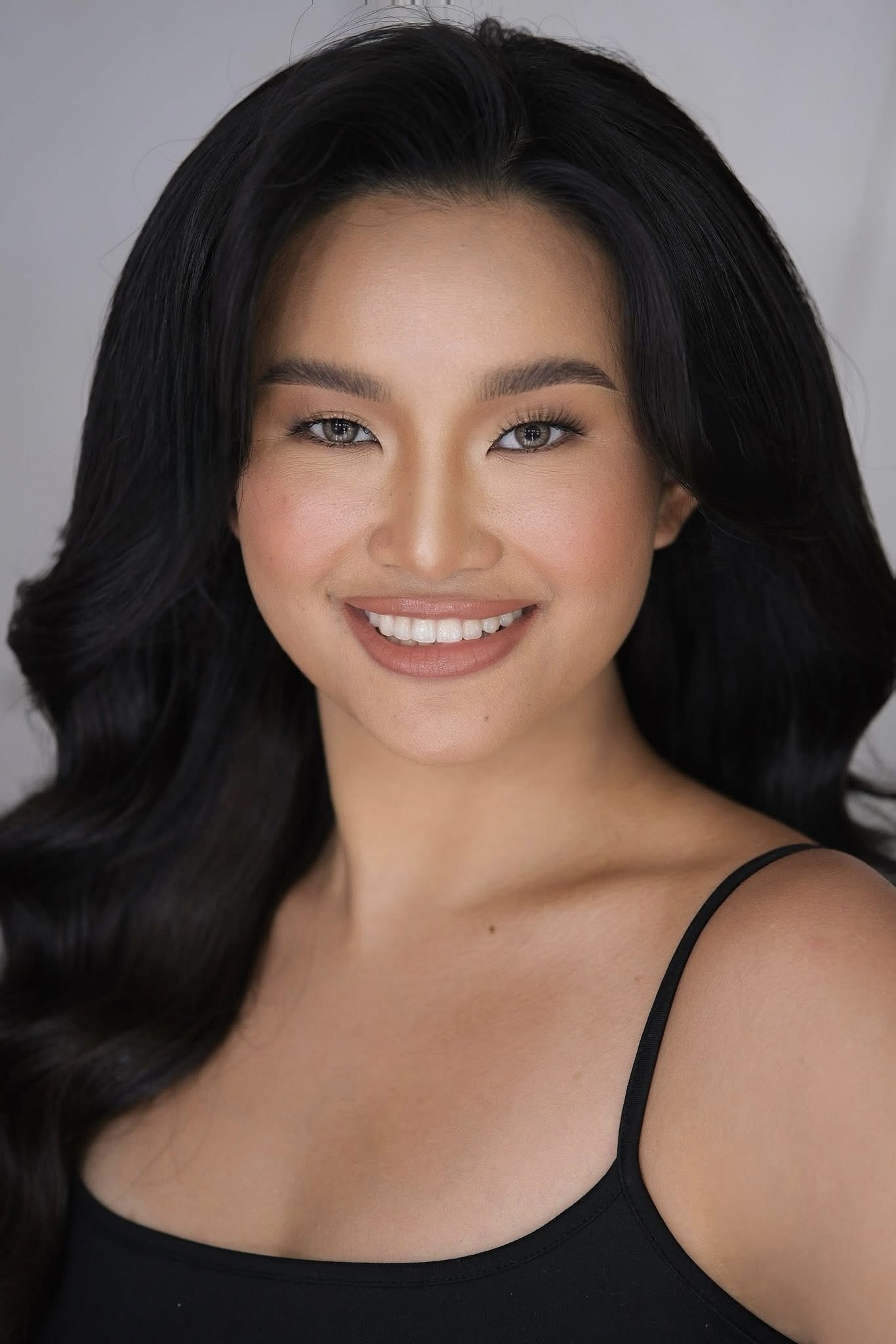
Mine began in Tagum City, Davao del Norte, where I grew up as an outgoing, spirited child who loved to sing, dance, dress up, and pose for photographs. My mum inspired my love for fashion and creativity, while my late father gave me the confidence to walk into any room with a smile. If you asked people who knew me growing up, they would probably describe me as a child who was always full of personality.
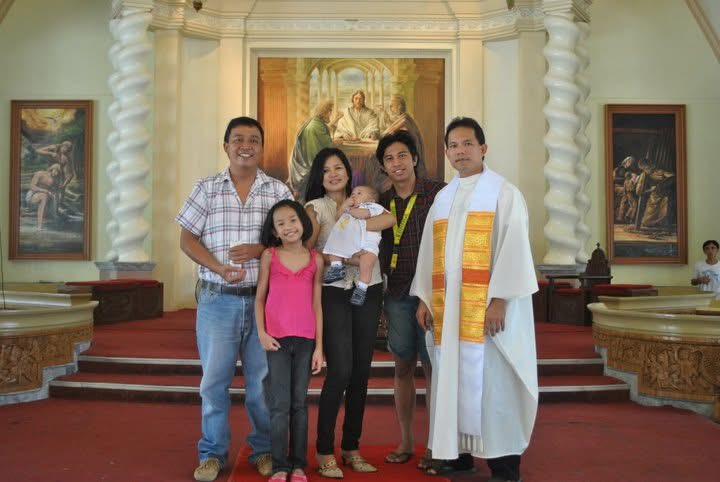
Like many Filipino families, ours didn’t have everything, but we always had each other. Some of my fondest memories were simple ones such as selling ice in long plastic bags to earn money for school notebooks, celebrating birthdays surrounded by family, and experiencing the true meaning of bayanihan. Even during difficult times, I knew that if our family ever needed help, someone would always be there.
Those early years taught me something I didn’t fully appreciate until much later. Home isn’t defined by what you own, but by the people who stand beside you.
When I was twelve years old, everything changed.
On September 11, 2014, my family boarded a plane to Australia. I still keep my boarding passes from that day. To most people, they’re just pieces of paper, but to me, they’re a reminder of the biggest leap of faith my family had ever taken.
Two months before we left, my parents organized what became one of my most treasured childhood memories. For the first time, we celebrated my birthday with lechon, hired a karaoke machine, and invited my classmates to a combined birthday and farewell party. It wasn’t extravagant by many standards, but to us, it was everything. Looking back now, I realize my parents wanted me to leave the Philippines carrying joyful memories rather than fear of the unknown.
Like many children, I imagined Australia through postcards and television. I thought it was Sydney, the Opera House, the Harbour Bridge, and endless city lights.
Instead, we arrived in Leeton, a small rural town in New South Wales.
The transition from bustling Tagum to rural Australia was overwhelming. English wasn’t my strongest language, and understanding Australian accents felt like learning a completely new language. The Filipino community was very small, made up mostly of workers, and I struggled to find people who understood the world I had left behind.
We didn’t even have internet when we first arrived. To speak with relatives and friends back home, I would walk around twenty minutes to the local shopping center just to connect to Wi-Fi. Those walks became my lifeline to the Philippines.
Then came high school.
Like many migrant students, I wanted nothing more than to fit in. Instead, I experienced bullying and discrimination during my first years in Australia.
What began as comments and exclusion gradually affected every part of my life. I lost confidence, withdrew into myself, and dreaded going to school each morning. My school attendance became very poor because there were days I simply couldn’t bring myself to walk through the school gates. I wasn’t just struggling academically; I was struggling emotionally.
I remember spending recess and lunch breaks alone. One incident that has stayed with me happened after I refused to lend my phone to a classmate because I had already used all my mobile data. Shortly afterwards, she shoved me from behind while shouting a racial insult.
No child should ever have to question whether they belong because of where they come from.
The bullying didn’t end when the school day finished. It stayed with me for years.
Even into my early twenties, I found myself constantly changing my appearance, my hairstyle, and the way I dressed because I believed that if I looked different, perhaps I would finally fit in.
The hardest part to admit is this. I slowly became less Filipino because I thought it would make me more accepted.
But losing my identity never gave me the sense of belonging I was searching for. It only created distance between who I was and who I was meant to become.
Looking back now, I realise that so many young people growing up between cultures experience the same quiet struggle. We often think belonging means becoming someone else, when in reality, it begins by accepting who we already are.
Years later, that understanding slowly transformed my life.
In 2020, I was honored to be selected as an official candidate for Miss Philippines Australia, representing New South Wales. However, after much reflection, I made the difficult decision to withdraw from the competition.
At the time, I couldn’t quite explain why. I simply knew in my heart that it wasn’t my time yet. I believed there was a season of growth I still needed to experience before I could truly represent something greater than myself.
Five years later, I returned.
This time, I wasn’t just entering a pageant; I was stepping onto the stage with purpose.
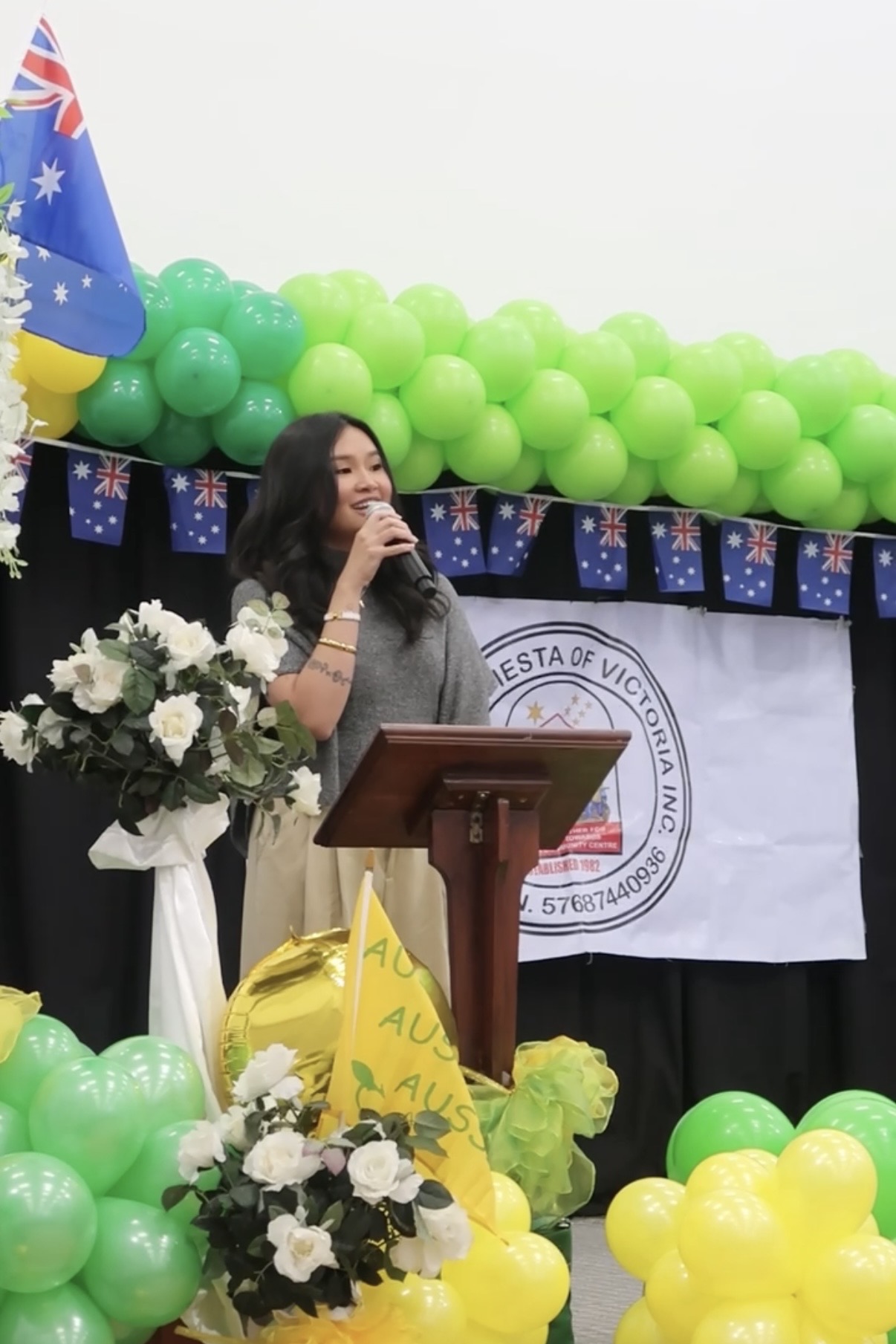
Although I didn’t win the crown in 2025, I walked away with something far more valuable than a title. The experience opened doors I never imagined possible. I became involved in Filipino cultural events across Melbourne, was appointed Secretary of the Batang Mindanao Association of Australia, and found myself surrounded by people who celebrated the very culture I had once tried to hide.
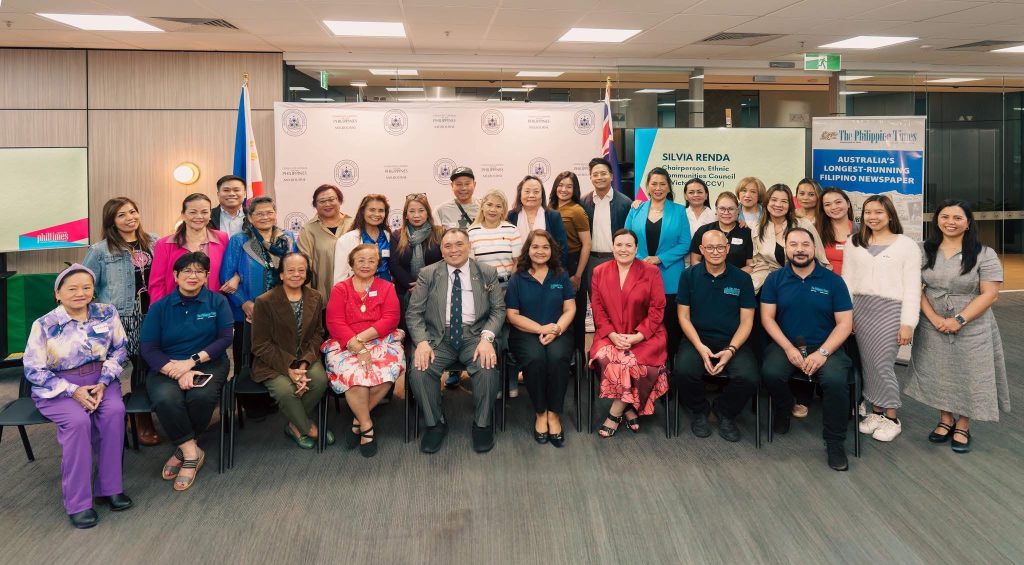
My involvement also allowed me to engage in broader community initiatives that strengthened cultural representation and connection among Filipino organizations in Melbourne, including participation in a partnership session at the Philippine Consulate General in Melbourne where I engaged with community leaders and organizations working together to support the diaspora.
For the first time in years, I wasn’t trying to fit in. I was finally proud to stand out.
Looking back now, withdrawing in 2020 wasn’t a setback. It was preparation.
Earlier this year, I returned home to Davao and Tagum for the month of May.
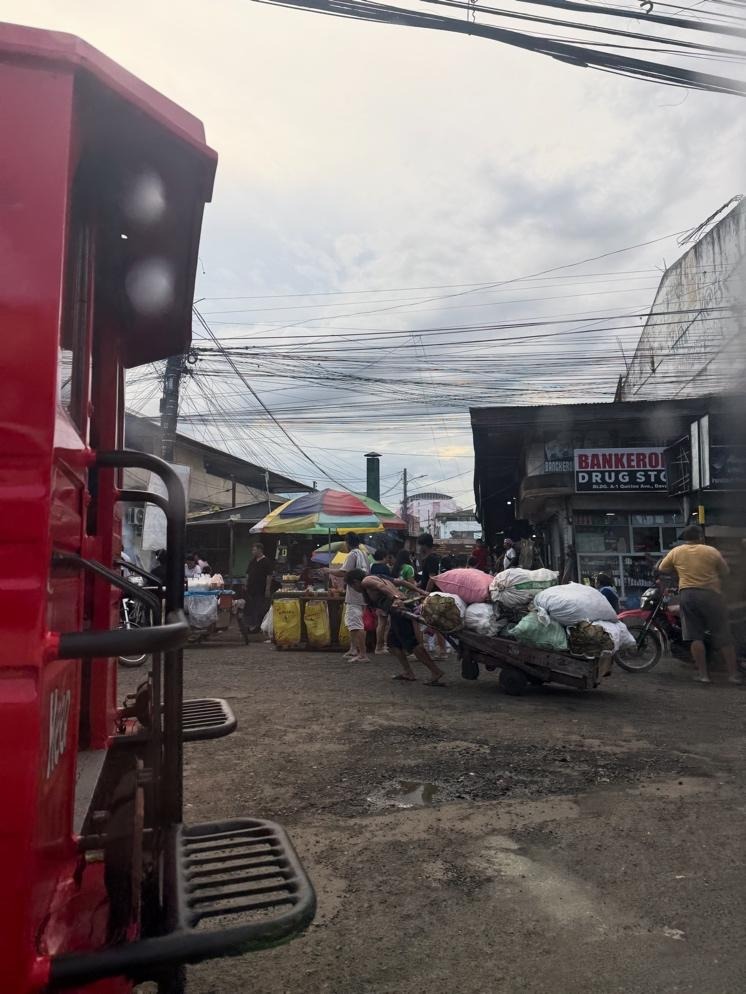
That trip changed me once again.
I saw men pulling heavy wooden carts beneath the afternoon sun. I met drivers working long hours just to provide for their families. I saw children approaching strangers, not only asking for food, but also for money. Yet despite these realities, I was greeted with smiles, kindness, and generosity everywhere I went.
What struck me most was not their resilience, but the conditions that made resilience necessary.
We often celebrate people for working hard, for enduring hardship, and for finding ways to keep going. But somewhere along the way, we’ve stopped asking a more important question.
Why should anyone have to endure these conditions in the first place?
The man pulling that wooden cart deserves more than our admiration. He deserves fair wages that reflect the value of his labor. He deserves equipment that protects his body instead of wearing it down. He deserves safe working conditions, security, and the opportunity to provide for his family without sacrificing his health.
The same is true for the tricycle drivers, market vendors, labourers, delivery riders, and countless others whose work keeps our communities moving every single day.
Hard work should never be mistaken for a substitute for dignity.
It reminded me of something my father always told me.
“When you become successful, help other people.”
For years, I believed that meant waiting until I had achieved something significant.
Standing in the streets of Davao, I found myself asking a different question.
Why should kindness wait for success?
Whether it was tipping drivers, buying meals, or helping where I could, I realised that meaningful service doesn’t begin when we finally have everything. It begins when we choose to see people, to recognize their dignity, and to use whatever we have, however small, to make someone’s day a little easier.
That realisation became the foundation of my advocacy.
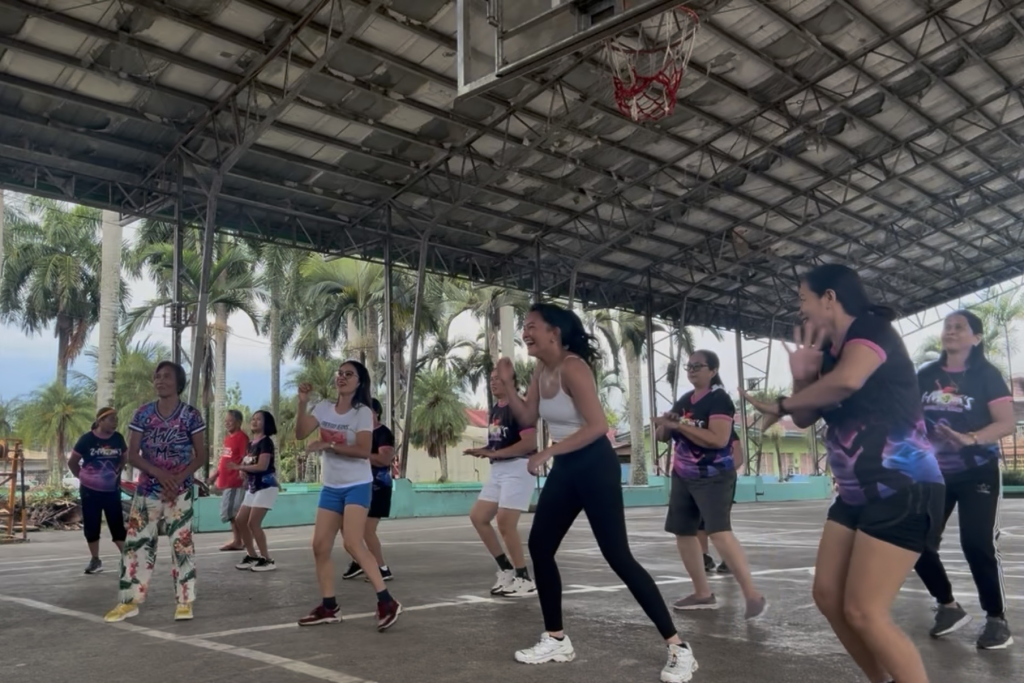
Proud Roots, Strong Future was born from my own journey of losing and rediscovering my identity.
Growing up in Australia, there were moments when I believed becoming less Filipino would help me fit in. Instead, I learned that true belonging comes from embracing who you are, not hiding it. Returning home to Mindanao reminded me that our culture is far more than traditions, festivals, and food. It is compassion. It is resilience. It is bayanihan. It is a deep sense of responsibility to care for one another.
That is the heart of this advocacy.
Proud Roots, Strong Future seeks to empower young Filipinos, particularly those growing up in the diaspora, to embrace their heritage with confidence while developing the skills, leadership, and compassion to become active contributors to their communities. I want young people to understand that being proud of our roots is not simply about celebrating our identity. It is about allowing that identity to shape the way we lead, serve, and create opportunities for others.
I hope to work alongside Filipino organizations, community leaders, businesses, schools, charities, and volunteers across Australia to build initiatives that celebrate our culture while making a meaningful difference both here and in the Philippines. Whether through fundraising events, cultural programs, youth leadership workshops, volunteer initiatives, disaster relief efforts, educational support, or partnerships with grassroots organizations, my goal is to create opportunities that encourage collective action rather than individual recognition.
There are many challenges facing communities in the Philippines, including poverty, limited access to educational opportunities, disaster recovery, and the long-term impacts of natural disasters that continue to affect families across Mindanao and beyond. While these issues cannot be solved overnight, I believe every act of service, every partnership, and every conversation has the power to create lasting change.
This is not something I can accomplish alone.
It takes a village to raise a child, and I believe it also takes a community to build a movement.
Real change is never created by one person. It is built by people who choose to stand together, contribute what they can, and believe that even the smallest act of kindness can create a ripple effect far greater than themselves.
My role is not to be the hero of this story.
My role is to bring people together.
To create spaces where young Filipinos feel seen, heard, and empowered to lead.
To strengthen the connection between Filipinos in Australia and communities in the Philippines.
To amplify the voices of those whose stories too often go unheard.
To remind every young Filipino that success is not measured solely by personal achievement, but by the lives we uplift along the way.
Proud Roots, Strong Future is still in its early stages, but every meaningful movement begins with a single step. My hope is that this advocacy grows into something much bigger than myself, a platform that inspires future generations of Filipinos to embrace their identity, lead with compassion, and build stronger communities wherever life may take them.

