

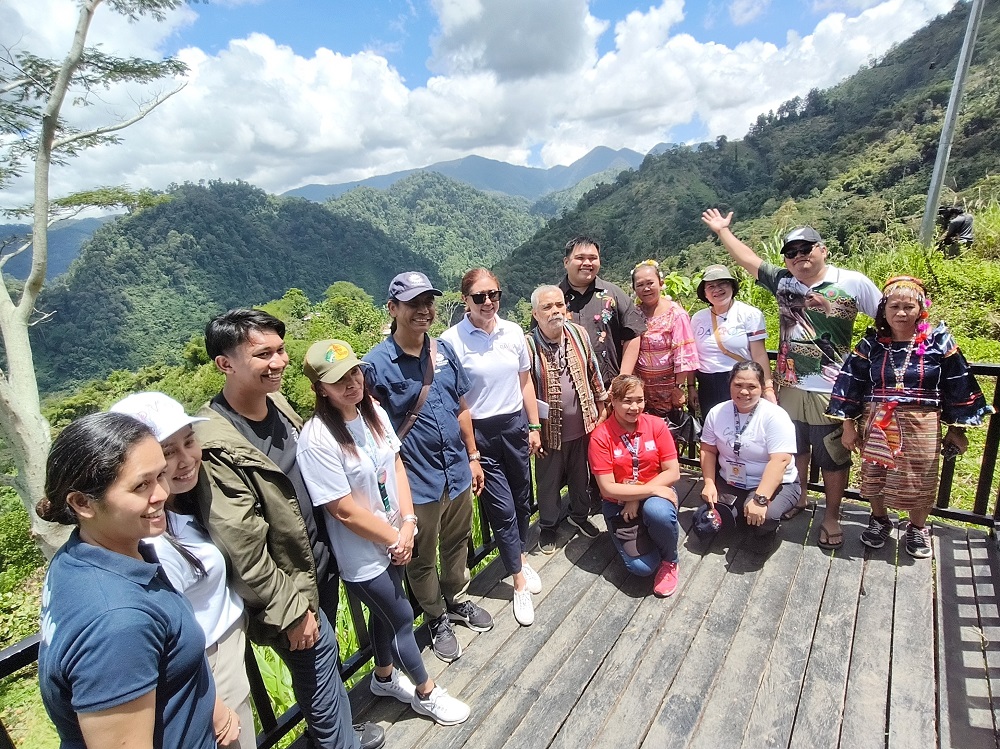
IN A move toward a careful merging of advocating for sustainable conservation, cultural preservation, and responsible tourism, the Philippine Eagle Foundation led a site visit and community engagement last May 6 across two of Davao City’s indigenous upland communities.
Supported by the Department of Tourism XI, Davao City Tourism Operations Office, and Department of Social Welfare and Development, the delegation visited the Obu Manuvu community in Sitio Luyan, Barangay Tambobong, Baguio District, and the Matigsalug community in Barangay Datu Salumay, Marilog District.
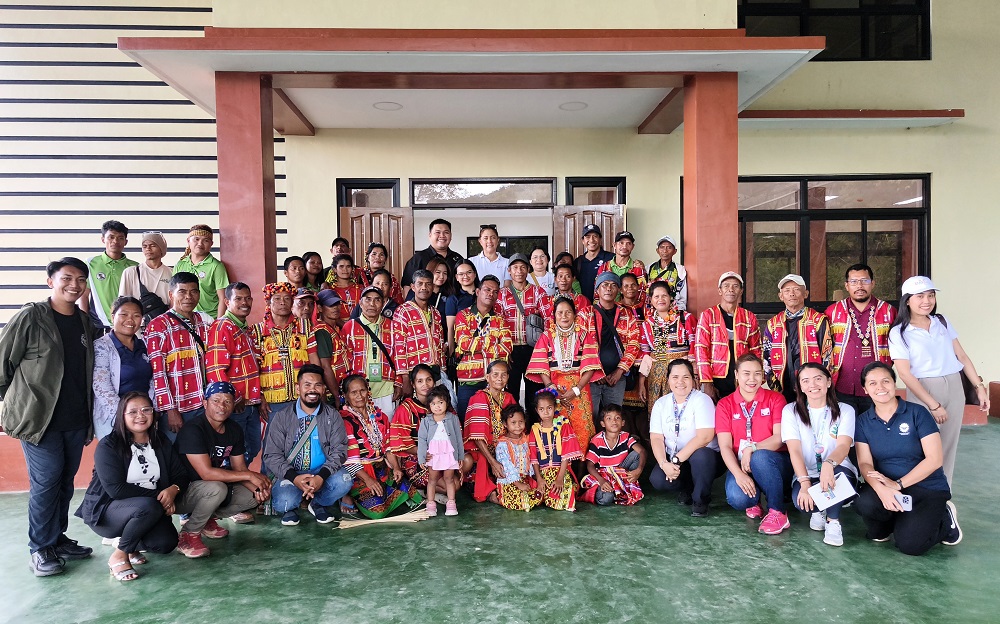
Both areas serve as critical buffer zones, situated in safe proximity to active nesting sites of the critically endangered Philippine Eagle.
The visit to Sitio Luyan held particular historical weight, as the site has been monitored by the PEF since the early 1980s. However, it was a deeper discovery in 2010 regarding the community’s indigenous conservation methods that truly strengthened the partnership.
“We were glad to learn about their concept of ‘pusaka’, which refers to their traditional concept of sanctifying and protecting valuable ancestral lands, landscapes, and wildlife ecosystems as sacred heritage,” said PEF director for operations, Dr. Jayson Ibanez. This system of stewardship is a cornerstone for many of Davao’s indigenous groups in protecting the biodiversity of Mount Apo.
Ibanez further emphasized the depth of their commitment, noting, “it also helped that they also have their concept of ‘muhingod’, which is the community’s philosophy of care, accountability, and sustainable protection of ancestral domains. More than just residents or settlers, they also have a moral obligation to their land, which is consistent with PEF’s conservation endeavors.
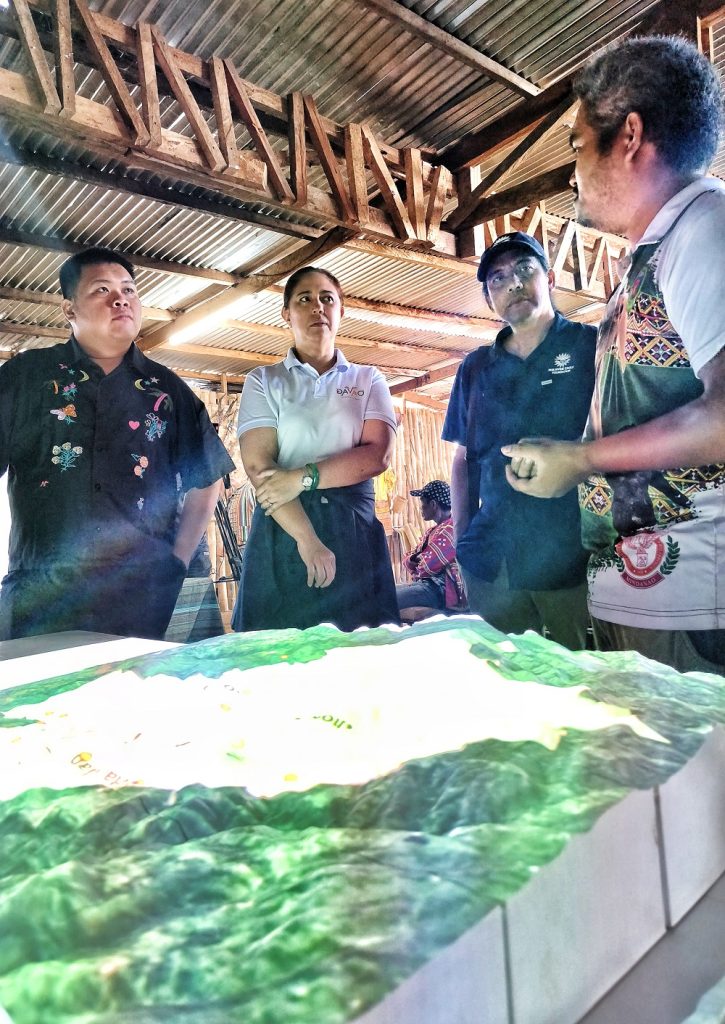
During the engagement in Sitio Luyan, the visiting officials were briefed through visual presentations led by Obu Manuvu Indigenous Political Structure Head Lipatuan Joel Unad Sr. and youth leader Suduan Joel Unad Jr.
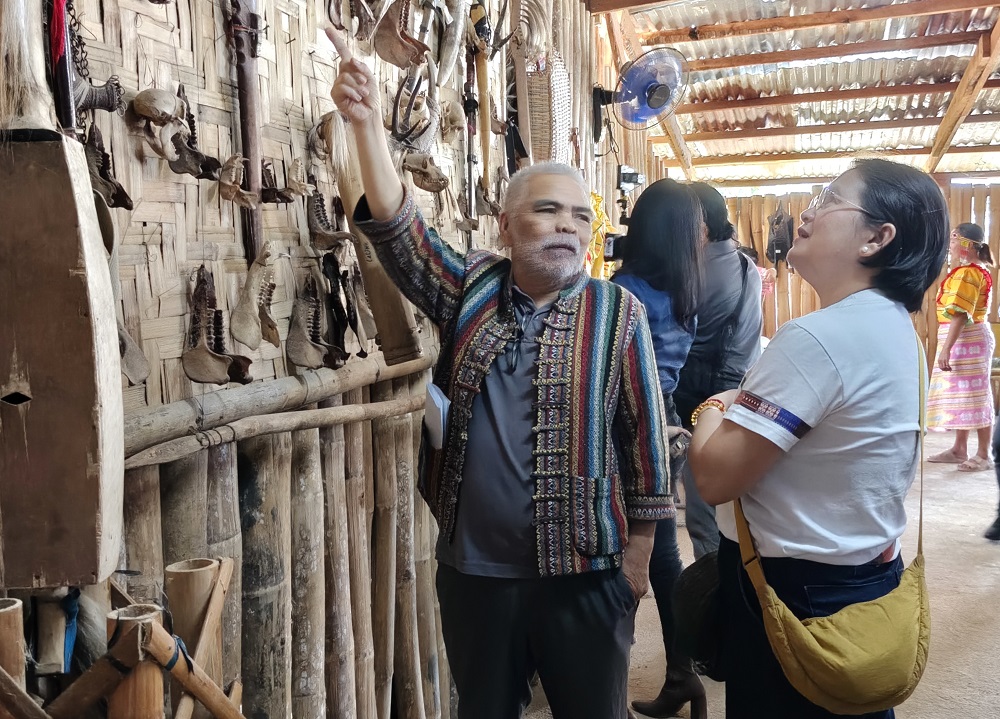
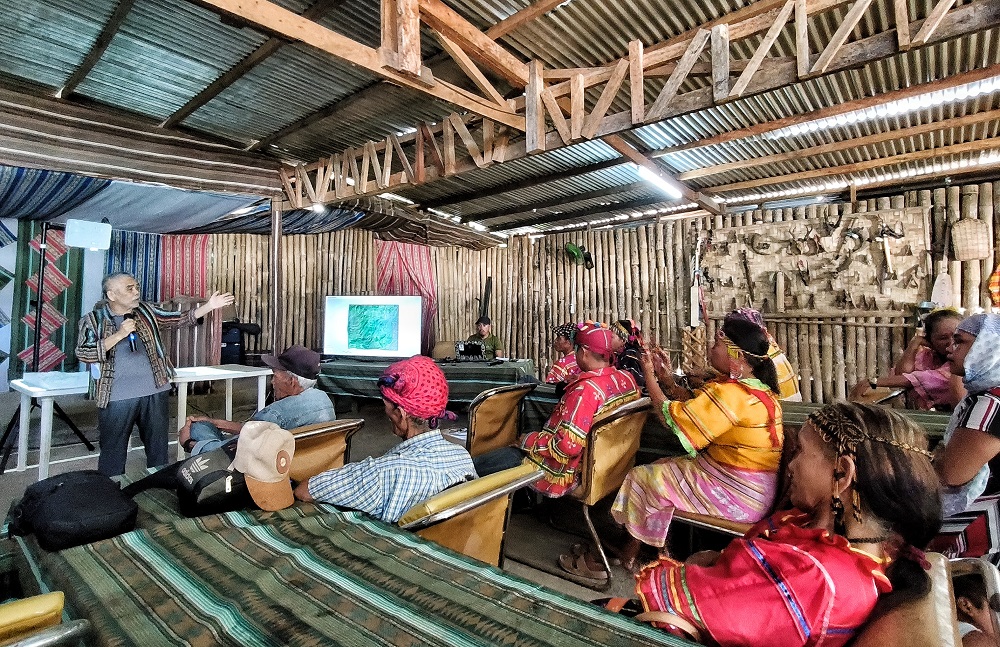
These presentations offered insights into the tribe’s way of life, followed by a tour of their central nursery and the view deck that afforded a panoramic vista of their ancestral domain. The immersive experience was capped with a lunch featuring traditional Obu Manuvu fare.
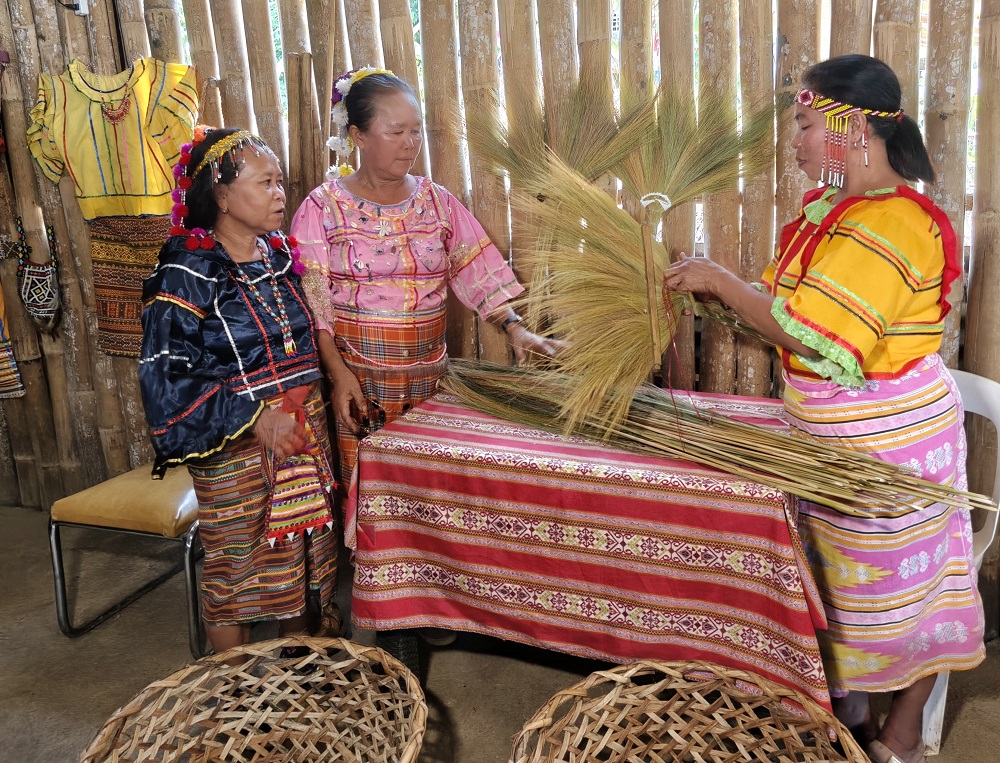
A similar exchange occurred in Barangay Datu Salumay, where the Matigsalug community showcased their rich heritage through audio-visual presentations, highlighting their unique local gastronomy and traditional handicrafts.
In a proactive response to these cultural showcases, DOT XI regional director Tanya Rabat-Tan pledged the agency’s full support for the communities’ future endeavors in eco and heritage tourism.
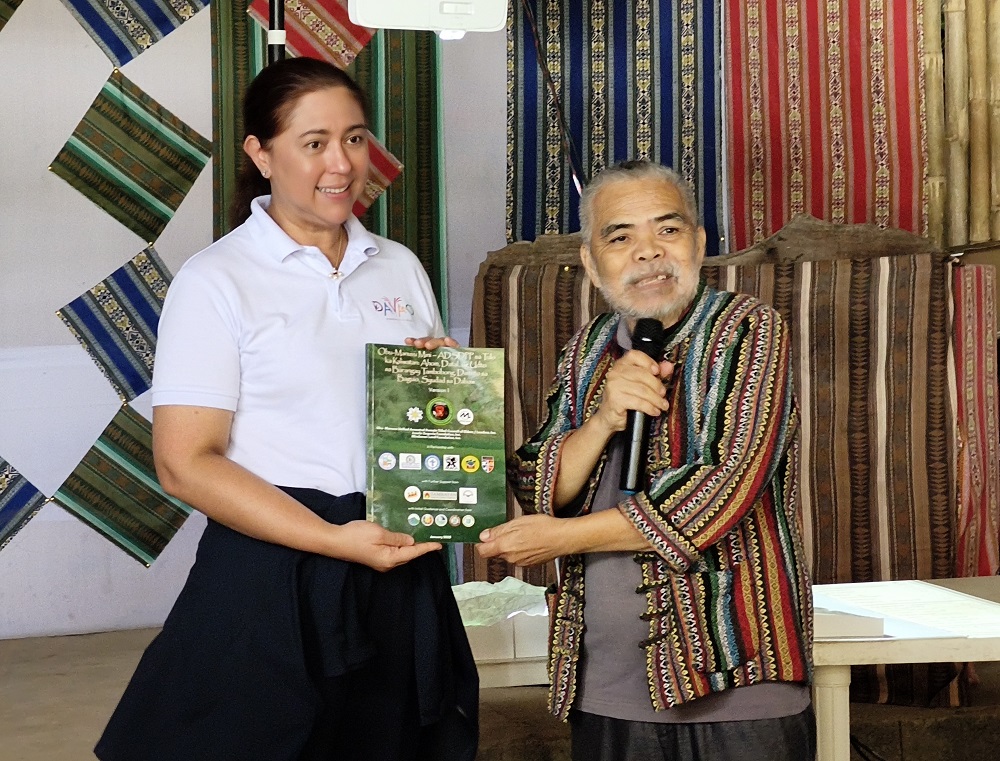
This commitment is part of a recent memorandum of agreement with PEF, focusing on the development of specialized tourism plans, infrastructure recommendations, and training programs that integrate eco-tourism with culture-based conservation.
The DCTOO has similarly pledged its support, pending the approval of formal plans by the City Council.
Reflecting on the collaborative effort, Dr. Ibanez remarked, “This is, in a way, a step forward to the growing partnerships that we have established. We’re very honored to have the DOT XI, DCTOO, and DSWD to help out with the growing model of indigenous development here in their ancestral domain.”