
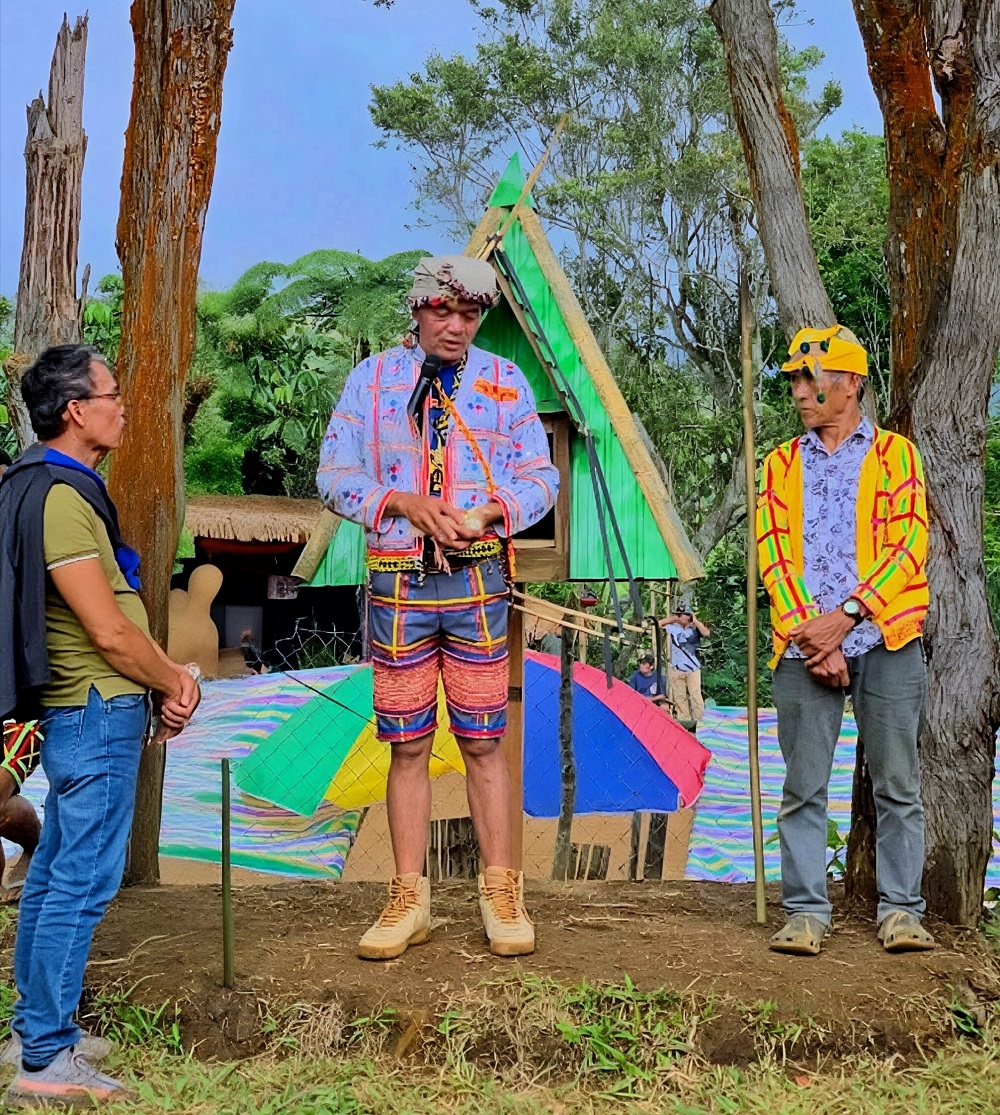
HIGH in the mist-shrouded mountains of Tamayong, Calinan District, the scent of woodsmoke and indigenous delicacies signaled a milestone: 32 years of unyielding Bagobo-Klata heritage.
From April 11 to 12, Sitio Sicao transformed into a colorful tapestry of culture and tradition for “Araw ng Sitio Sicao,” under the theme “Garbo sa Sitio Sicao: 32 Ka Tuig sa Kultura, Tradisyon ug Panaghiusa” (Pride of Sitio Sicao: 32 Years of Culture, Tradition, and Unity), proving that indigenous culture isn’t a relic of the past, but a blueprint for a sustainable future.
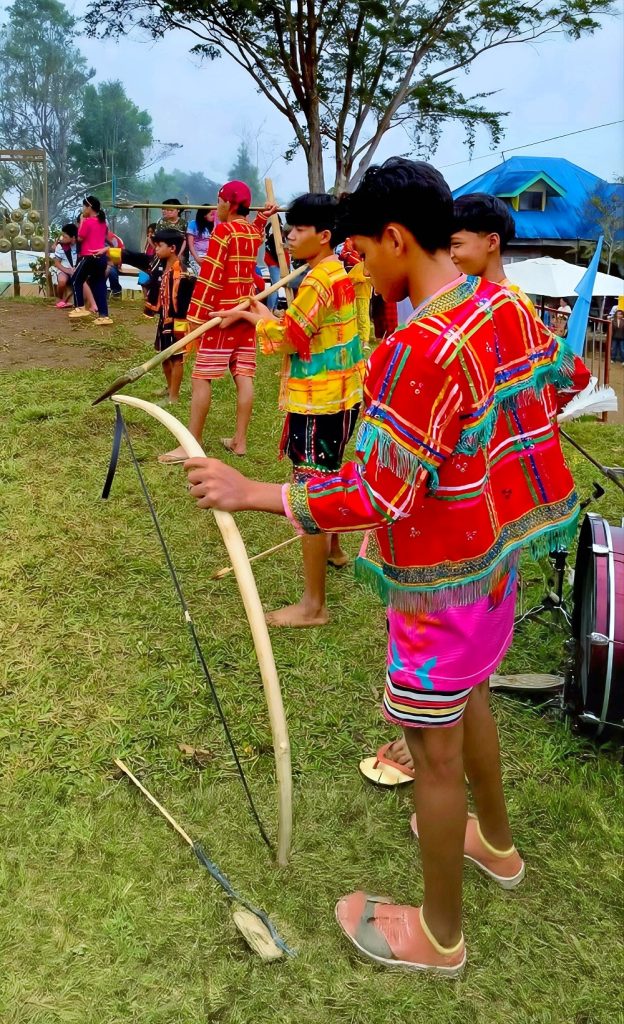
The festivities kicked off under the stars with the search for Mr. and Ms. Sicao 2026 and the soothing rhythms of Lexpraastylaa Band, drawing a spirited mix of mountaineers, hikers, and travelers into the mountain’s embrace. As dawn broke, the community shifted from celebration to conservation, launching a meaningful foot parade and a tree-planting activity.
At the heart of the weekend lay the sacred tribal rituals led by Apo Ernesto Sicao and the Council of Elders—a poignant reminder that while the modern world charges forward, the village’s connection to its ancestral spirits remains a steadfast anchor.
This reverence for the land culminated in the grand opening of the Mount Sicao Camp Site, a collaboration between the LifeBank Foundation (LBF) and the Bagobo-Klata Tribal Council under the “Environmental Protection and Management cum Sustainable Livelihood within the Ancestral Domain of the Bagobo-Klata Indigenous People in Barangay Tamayong” project.
This new ecotourism destination represents a bold leap into community-led tourism that protects the environment as fiercely as it empowers the local economy.
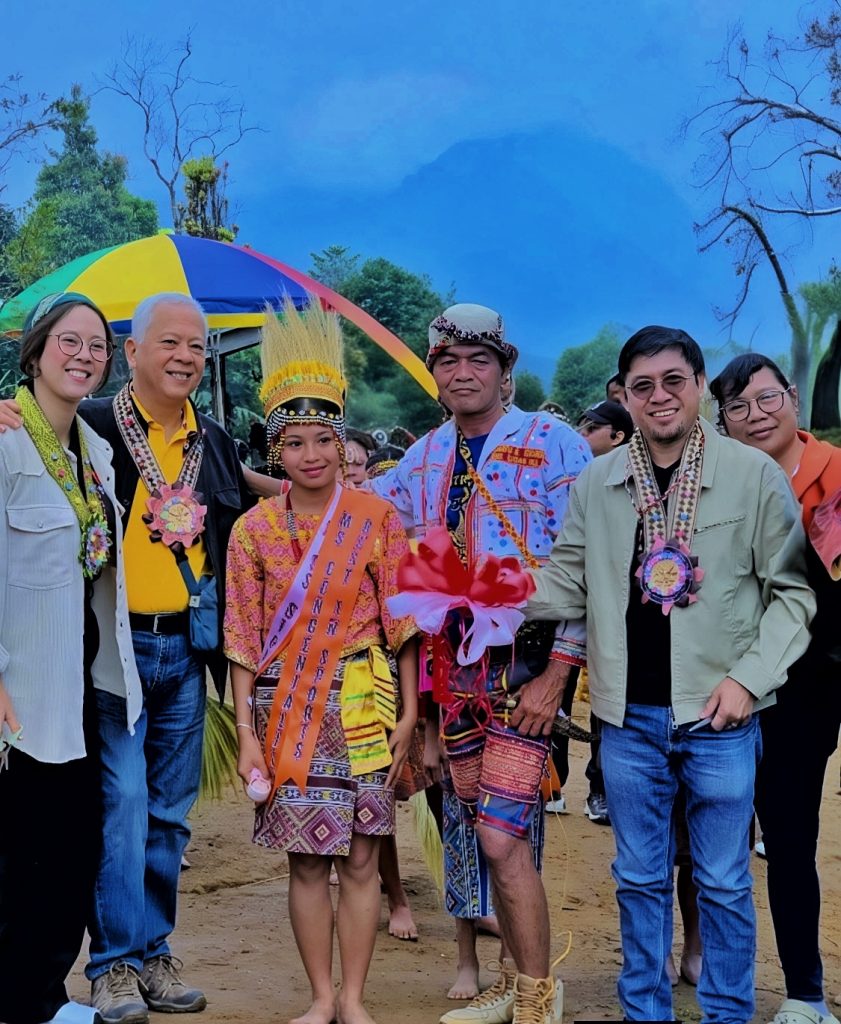
Dignitaries, including LBF founder Dr. Vincent Perlas, Davao City Indigenous Peoples Mandatory Representative (IPMR) Demetrio B. Bolo, Sr., Bagobo-Klata IPs Head Pongu-o Castelo Mantawel, and Mutya ng Davao 2024 Hanna Maj Piccio, joined to pledge their support in advancing indigenous peoples’ rights, sustainable development, and cultural preservation.
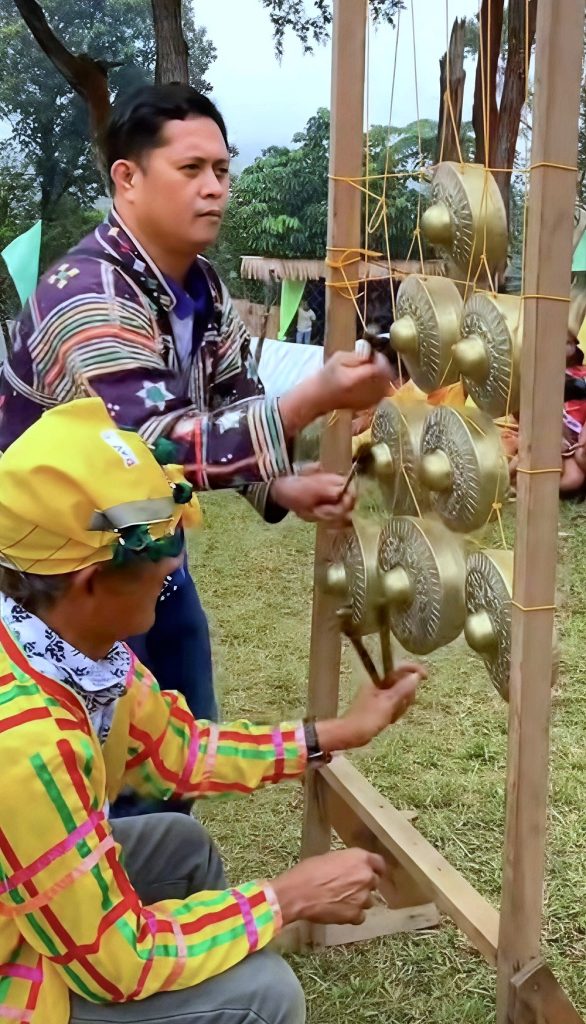
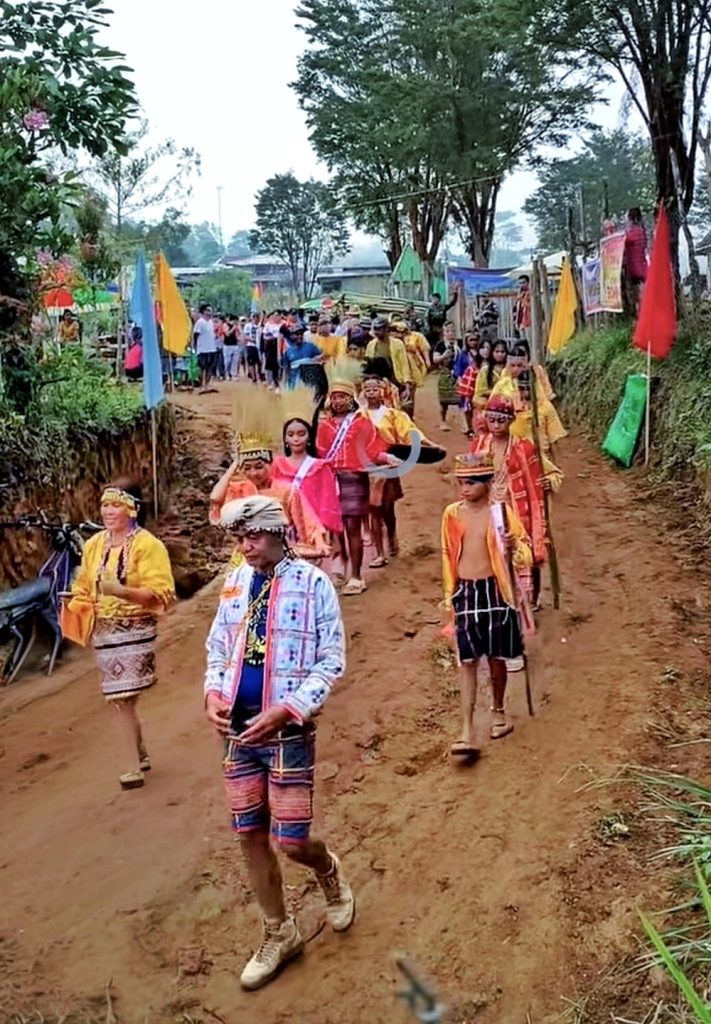
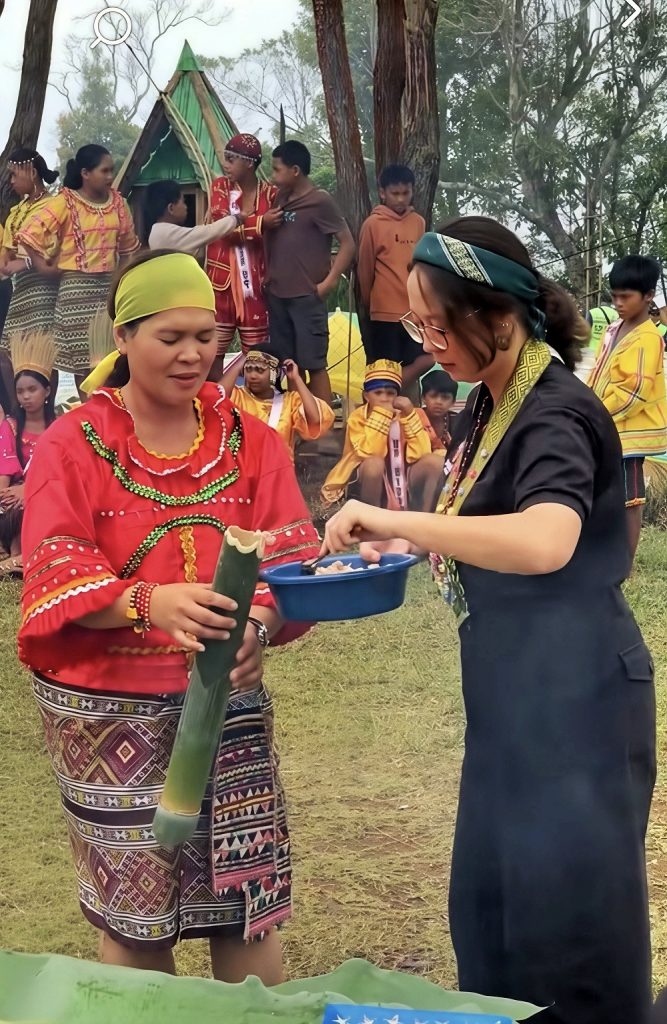
Apart from the traditional tribal games, the village also celebrated its culinary identity with the Nilotlot Festival, where the flavors of the mountain were brought to life through slow-cooked mastery using bamboo tubes.
As the event closed with a call to unity from LBF-Sicao project coordinator Joshua Donato, the message was clear: Sitio Sicao isn’t just surviving; it is flourishing. By rooting themselves in ancestral pride, this community is showing the world that true progress doesn’t mean leaving your heritage behind—it means growing from it toward a bolder, greener, and more inclusive tomorrow.