

BY ALEX ALAGON

BY ALEX ALAGON
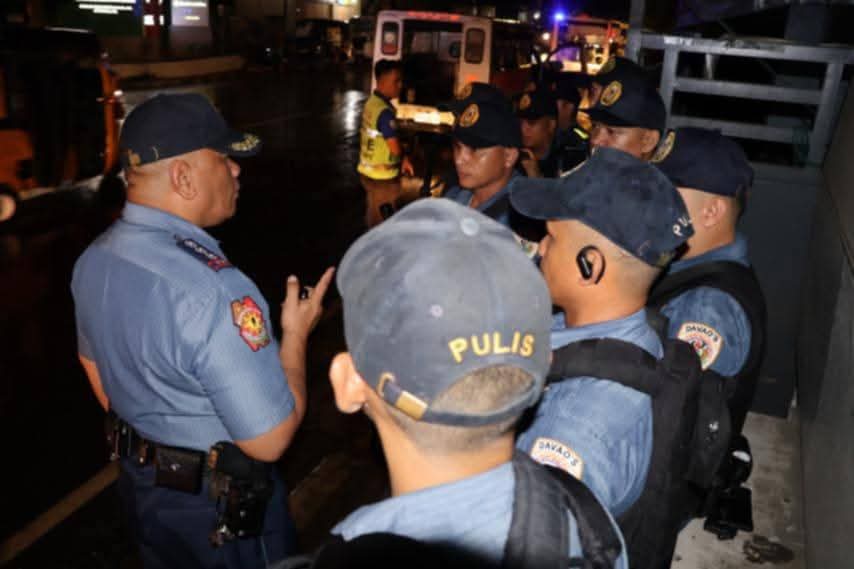
THE DAVAO City Police Office (DCPO) showcased its rapid response capabilities by apprehending two theft suspects in separate incidents, each in under three minutes.
The swift arrests highlighted the effectiveness of the Philippine National Police’s “5-minute response time” policy.
On Aug. 20, at approximately 5 p.m., Sasa Police Station 4 personnel responded to a call in Insular Village, Barangay Vicente Hizon. They arrived in less than three minutes to find residents had detained a suspect who had stolen electric wires.
The suspect was promptly taken into custody by the responding team, led by station commander Maj Noel L. Macolbacol Jr.
Just three days later, personnel from Bunawan Police Station 6, under the command of station commander Maj Janus Lumbaya B. Macli-ing, demonstrated an even quicker response.
They reached Barangay Manganyan in just 1 minute and 58 seconds after receiving the report. At the scene, they arrested a 28-year-old man caught stealing scrap metals from a residential compound.
Acting city director Col Mannan C. Muarip said the incidents served as a testament to the police force’s vigilance and effective implementation of the PNP chief Nicolas Torres III’s flagship initiative, proving that the “5-minute response time” is a tangible reality in Davao City.
Photo courtesy of DCPO

CITY government officials, regional offices, and security forces honor the courage of World War II soldiers and ordinary citizens to mark National Heroes Day at Osmena Park on Monday, Aug. 25.
Acting Vice Mayor Rodrigo Duterte and Commo Phillips Y. Soria, commander of the Coast Guard District Southeastern Mindanao, led the wreath-laying followed by a gun salute.
In his welcome message, Duterte emphasized that Davaoeños should not only honor those who are immortalized in books but also ordinary citizens who carried the weight of sacrifice in building the country as it is now.
“It is our hope for everyone, especially the youth, to collectively honor the memory of our heroes not with mere words, but with action. By upholding the rule of law, promoting unity over division, and being heroes in our own rights, we are creating a society worthy of their sacrifices” Duterte said.
He added that heroism should be passed down to the next generations to re-live the courage of the heroes.
“Let us all proudly carry the legacy passed down by our heroes with courage, integrity and resolute hope for our better future building a stronger, more united and more resilient Philippines for the years ahead,” he said.
Soria, the guest speaker, said that National Heroes Day is not just about remembering the past, but a meaningful reminder to reflect and to take action to ensure a bright future.
He shared that BRP 83-01, an 83-meter aluminum hub vessel of the Coast Guard, is named after Gabriela Silang who symbolized resistance; BRP 97-01 is named after Teresa Magbanua, a former teacher who fought against American colonizers; BRP 97-02 is named after Melchora Aquino or known Tandang Sora who provided refuge to the injured.
“We in the Philippine Coast Guard guard are proud to have ships that bear their names not just as steel vessels but as floating symbols of the sacrifices made by the men and women of our country,” Soria said.
He stressed heroism is not just about uniforms or ships, “it’s something that lives in all of us no matter what your role is.
“Whether you are the LGU worker in Davao handling documents with integrity, the traffic aide braving the sun and rain to keep our roads safe, the dedicated teacher shaping young minds, the health worker reaching the most remote sitios and barrios, or the farmer providing for his community despite of hardships,” Soria added.

THE DAVAO City Police Office (DCPO) arrested 94 individuals and confiscated over P600,000 of illegal drugs from Aug. 17 to Aug. 23.
Acting city director Col Mannan C. Muarip said they conducted 36 anti-illegal drug operations leading to the arrest of 41 suspects.
Authorities seized a total of 99.77 grams of shabu, with a standard drug price (SDP) value of over P678,000, and 110.10 grams of marijuana, valued at P13,212.
The DCPO also focused on tracking down individuals with standing warrants. A total of 39 operations against wanted persons resulted in 39 arrests, 13 of whom were classified as “most wanted.”
Additionally, 12 anti-illegal gambling operations were carried out, resulting in the apprehension of 12 gamblers and the seizure of P4,790 in bet money. All 12 cases have been filed.
Crackdown on loose firearms
In a concerted effort to reduce the number of illegal weapons in the city, the police conducted six operations targeting loose firearms.
These efforts led to the arrest of two suspects and the seizure of three firearms. Two additional firearms were surrendered and one was turned in for safekeeping.
Photo courtesy of DCPO
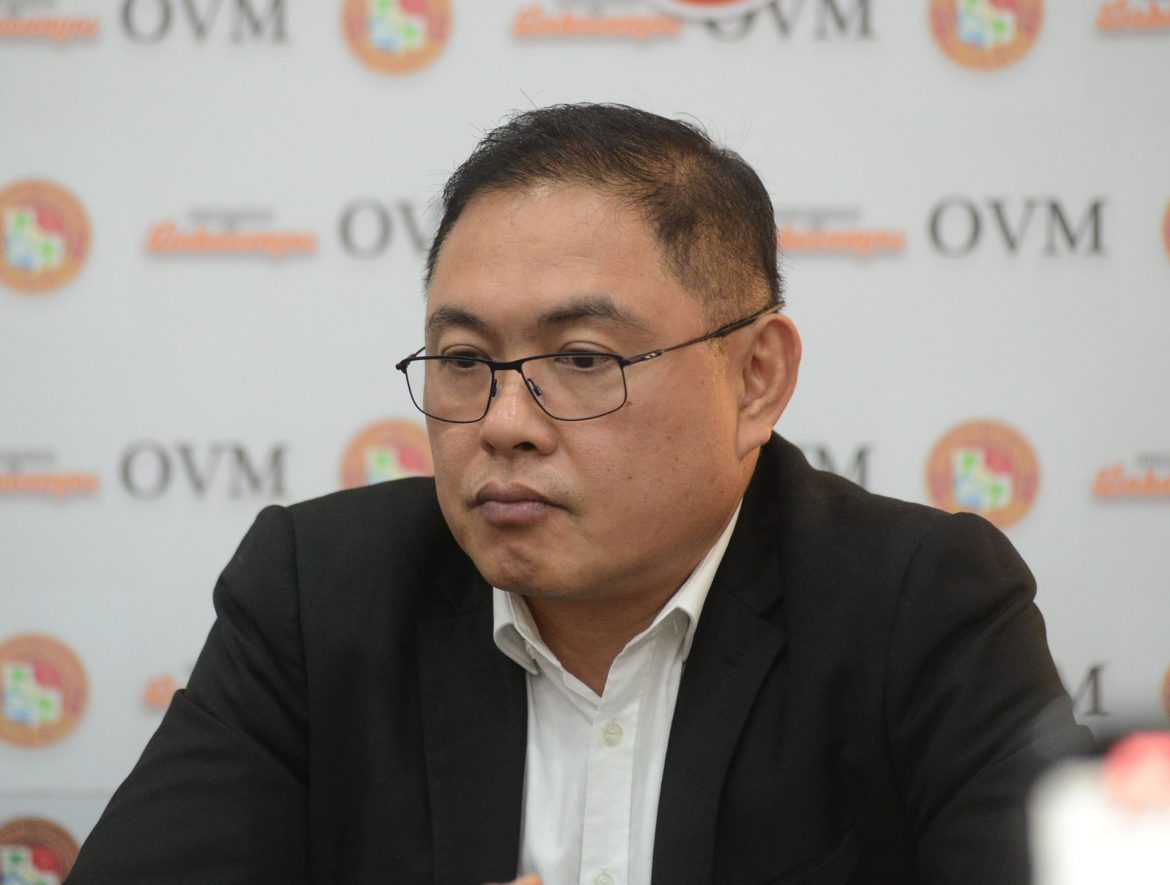
A LAWMAKER here pushed to establish a funded greenhouse program to propagate forest trees for reforestation and promote urban greening.
Councilor Temujin Ocampo, committee chair on environment, is seeking to institutionalize an ordinance for the program in a bid to protect and preserve forests.
“Forests are the lifeblood of our environment. Our forests are not merely trees 一they are the very foundation of Iife. They purify the air we breathe, safeguard our water sources, stabilize our soil, and sustain the rich biodiversity that defines our locality,” he said in privilege speech.
“However, in Davao City, a significant increase in urbanization, land conversion, and deforestation has left us vulnerable to the risks of flooding, soil erosion, and biodiversity decline,” he added.
The program will be dedicated to the propagation of both endemic forest species such as but not limited to Narra, Molave, and Lawaan and select exotic species such as Eucalyptus and Gemelina that have proven value in soil stabilization, timber, and community livelihood.
The greenhouse program is aimed to secure a steady supply of quality seedlings for reforestation, urban greening, and barangay-based rehabilitation efforts.
It will promote ecological balance by prioritizing indigenous and endemic species while regulating the controlled use of exotics.
Through increased tree planting, it also aimed to strengthen climate resilience by addressing flooding and soil erosion.
The program is also seen as income generating as it will support livelihoods by introducing fruit-bearing and agroforestry tree species that provide food and income.
It is also eyed as a platform to foster partnerships and collaborative action among the city government, DENR, academe, NGOS, and communities for long-term forest protection by combining technical expertise, community engagement, and policy support.
“By institutionalizing this greenhouse program, we are not only investing in trees, but also in the future of our children, the safety of our community, and the resilience of our city,” Ocampo stressed.

DPWH: Bucana Bridge now 94% completeby
THE DEPARTMENT of Public Works and Highways (DPWH) has announced that the 1,340-meter Bucana Bridge Project is now 94% complete.
In a press release, Senior Undersecretary Emil K. Sadain reported the bridge is nearing completion and is expected to open to motorists by the last quarter of 2025.
“The entire superstructure has been finished, and only minor works remain,” the statement stated.
Minor works include the installation of traffic barriers and pedestrian railings, painting of the 19.5-meter-high pylons with the first layer already applied, and preparation for the waterproofing and asphalt overlay of the bridge deck.
Meanwhile, construction activities on the approach roads are ongoing, including the laying and compaction of embankment soil, subbase cascourse preparation, drainage system installation, construction of a concrete fence, and installation of guardrails.
Sadain said with the bridge nearing its official opening, “it stands not only as a vital infrastructure asset for Davao City” but also as a symbol of the country’s commitment to build resilient, future-ready infrastructure.
The China Aid Localized Project, or known as the Bucana Bridge, is a key component of the Davao City Coastal Road Network, designed to improve traffic flow and enhance connectivity across the Davao River.
Bucana Bridge features a four-lane, six-span extradosed bridge stretching 480.20 meters across the Davao River, with a total project length of 1,340 meters when including the 860 meters approach roads.
Funded through a ₱3.126-billion China Aid Grant program of the Government of the People’s Republic of China, the Bucana Bridge is considered “landmark achievement of sustained international cooperation and high-quality project implementation.
”The construction of the bridge began in November 2023 and once completed will ease traffic congestion in downtown Davao, offering a more efficient route between Barangays 76-A Bucana and Matina Aplaya.

Today our country celebrates National Heroes Day. By virtue of Republic Act 9492, the last Monday of August of every year is designated a national holiday “to serve as an opportunity for the nation to remember the sacrifices and contributions of all Filipino heroes and the bravery exemplified for our people.”
Who can be considered a hero? A hero is a complex word and can vary across cultures, contexts, and time periods. However, there is a set of core principles that are widely accepted to define a hero.
“But being a national hero is about someone whose actions and ideals contributed profoundly to the formation, preservation, or betterment of the nation. Their heroism is officially recognized by the state or unofficially cemented in the people’s collective memory. “
At its heart, heroism involves at least four components: (1) courage in the face of risk; (2) self-sacrifice for a greater good; (3) noble intentions; and (4) extraordinary action.
So a hero is one that performs an act of extraordinary courage and self-sacrifice, motivated by altruism and a moral imperative, that benefits others or defends a crucial principle, and in doing so, inspires people.
Being a hero is not about a single act, a one-time, big-time thing. It is about a pattern of action and character that inspires others.
Of course, there are everyday heroes like our teachers, healthcare workers, caregivers, community organizers, civic volunteers who make significant sacrifices daily for the well-being of others. Their heroism is found in their unwavering commitment.
But being a national hero is about someone whose actions and ideals contributed profoundly to the formation, preservation, or betterment of the nation. Their heroism is officially recognized by the state or unofficially cemented in the people’s collective memory.
Our Philippine national heroes are those who embody the values our nation aspires to such as freedom (“kalayaan”), justice (“katarungan”), peace (“kapayapaan”), love of country (“pagmamahal sa bayan”).
In the Philippine context, a hero is “bayani” and is often thought of as someone who serves the community (“bayan”). That is why the root word of “bayanihan” is actually “bayani” because it is the act of helping others and doing something heroic for your country.
As I reflect on who my favorite heroes are, I realize they are artists and creatives.
Just last week, I have been fortunate enough to spend time in the presence of two legendary Davaoeños, both Datu Bago Awardees, both fellow Ateneans, both my heroes — National Artist for Dance Agnes Locsin and National Artist for Music Nominee Joey Ayala.
They are my heroes because they have helped me discover our rich cultural heritage and helped shape my Davaoeño identity through their music and dance. They helped decolonize my mind and heart and I became indigenized in the process. And I consider myself a better Filipino and a better human because of their influence. I believe countless other Filipinos have been inspired by them and their work.
Joey’s music and lyrics articulated the contradictions, the struggles, and the aspirations of Davaoeños in the 70s and 80s — my growing up years — when we were known as the “killing fields of Asia.” His songs held up a mirror to Davao and Philippine society under martial law. I became more socially aware listening to him sing his songs than to all the speeches and lectures from politicians and activists.
He made me care about the environment because he sang about it so beautifully and with much reverence. His love songs are both romantic and patriotic and they taught me to choose a partner who not only loves me but also our community with the same intensity and commitment.
Joey inspired my writing. He taught me how to be true to myself so I can express that self more clearly and more eloquently.
Agnes, on the other hand, taught me to respect and cherish my physical body and appreciate what it can do in whatever shape it is in. I took dance classes under her when I was already in my mid-30s and it was a life-changing experience.
She is a generous teacher who is very proud of her Davaoeño and Filipino heritage so learning to dance with her is also a lesson in history and culture.
I only learned to love ballet when Agnes made it our own with her groundbreaking neo-ethnic choreography. She re-interpreted our Philippine tribal dances, practices, beliefs, and legends into the framework of classical ballet and modern dance. This creative innovation resulted in a truly Filipino dance form that is more accessible and relatable to all.
I watched Agnes’ latest creation, “Surbaybal” (Survival), during its special preview last Thursday, the death anniversary of Ninoy Aquino, at the Locsin Dance Workshop Quirino Studio Theater. I had the privilege of watching it with Joey and the experience was so profound I am still reeling from it (imagine my two heroes at the same time and place).
Agnes and Joey are each other’s favorite collaborators. Joey surprised Agnes dropping by unannounced on her preview and Agnes surprised Joey by featuring his song, “Walang Hanggang Paalam,” in one dance scene that tells the story of the struggle of two dancers working and living overseas. Joey was pensive as he watched the dancers move to his song. He told me later that the song was actually sparked by Ninoy’s assassination.
“Surbaybal” is a dance theater performance of how Davaoeños survived martial law in the 70s and 80s; how real life professional dancers coped with living and working outside the Philippines; and how Filipinos navigated the Covid-19 pandemic. It is truly a brilliant piece of storytelling through sounds, music, dance, images, objects, fashion, lights and shadows. I hope all Filipinos get to experience it and be transformed by it.
In a diverse country such as ours, art can transcend regional, linguistic, and social differences. We are now a nation divided and a work of art can create a sense of shared experience and common humanity, fostering unity. I believe our survival as a nation rests in the hands of our artists.
Our artists fight the battles of memory, identity, and aspiration. The most important battle is the battle for the Filipino mind and spirit. Art is essential and should not be treated as an afterthought or even as a luxury. It is a vital tool for our liberation. And that is why our national artists are laid to rest in the Libingan ng mga Bayani.
###

BY ALEX ALAGON
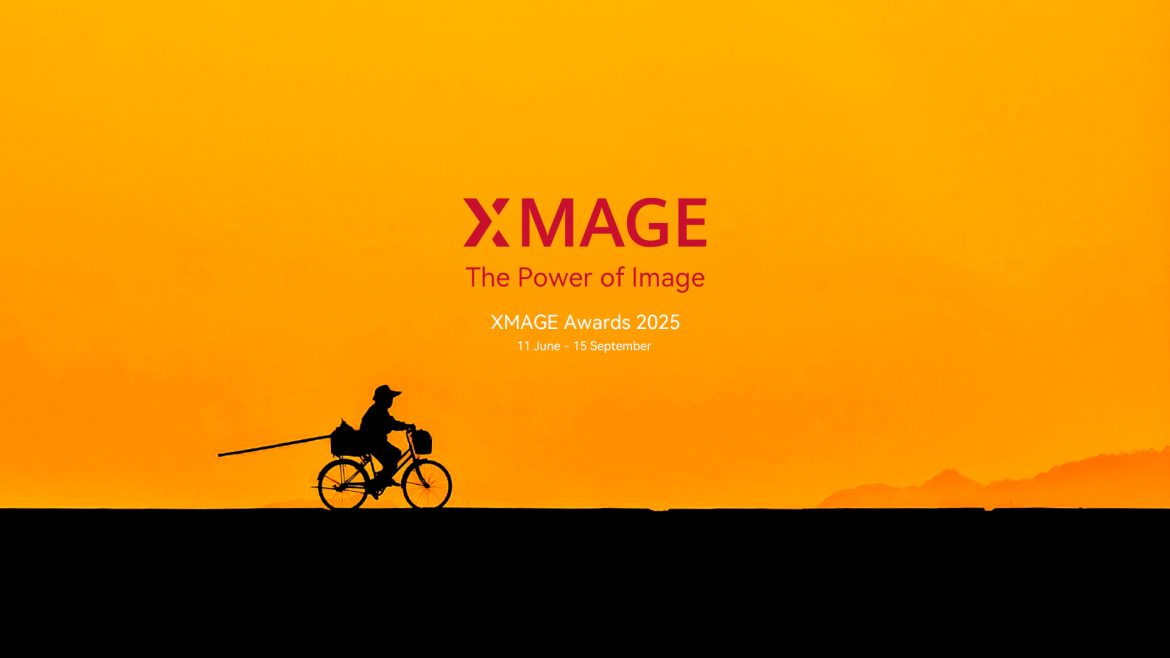
MANILA, Philippines — HUAWEI is once again calling on photographers and hobbyists to share their unique perspective for the HUAWEI XMAGE Awards 2025, a yearly global mobile photography competition that celebrates life through images. Accepting submissions until September 15, 2025, the contest offers a platform for photographers from around the globe to take their talents into the international spotlight and inspire the world through their lens.
Open to all HUAWEI smartphone users, the competition welcomes submissions across 8 creative categories, each designed to highlight diverse forms of visual storytelling. These include So Far So Close, Faces, Colour & Shade, Good Night, A Heartwarming World, Experimental Lab, Storyboard, and Action.
Recognizing the world’s finest mobile photography with XMAGE 100
For this year’s competition, three exceptional photographers will be crowned Grand Prize winners, each taking home USD 10,000, while 97 other talented participants will be awarded USD 1,500 each.
Their work will be judged by an international panel of nine distinguished experts from the world’s most respected visual arts institutions, bringing together a wide range of professional backgrounds and perspectives. Among them is Liu Heung Shing, a Pulitzer-Prize-winning photojournalist. Chen Xiaobo, leading editor at Xinhua News Agency and imaging researcher. Wang Chuan, professor and doctoral supervisor at the Central Academy of Fine Arts, and an artist. The jury also includes documentary photographer Chen Jie and visual sociologist Nichole Fernandez. Florence Bourgeois, Director of Paris Photo, and Shoair Mavlian, director of The Photographers’ Gallery. They are joined by Fannie Escoulen, curator of visual arts. Completing the panel is Li Changzhu, chief strategy officer of the Huawei Health Team.
As part of HUAWEI’s exclusive photography brand and initiative, outstanding works will be compiled for XMAGE 100, a curated global showcase of exceptional mobile photography. These selected pieces will be featured in international exhibitions, HUAWEI content campaigns, and future events, giving photographers more opportunities to be seen worldwide and celebrated for their vision.
Filipino Visual Storytellers Shine at XMAGE 2024
The Philippines made its mark at last year’s XMAGE Awards, with multiple Filipino photographers earning recognition on the global stage. Notably, there was Justin Mendoza, a Filipino account manager, who emerged as one of the three Grand Winners for his captivating shot “Pick a Beak”, taken on a HUAWEI P30 Pro. The image, portraying a pelican standing behind a fisherman, earned high praise from the panel of international judges.
Pick a Beak – Justin Mendoza shot using the HUAWEI P30 Pro
The awards also celebrated Ferdinand Bendana, a multimedia coordinator, whose “Eagle’s Eye”, shot on a HUAWEI Mate 50 Pro, won the prestigious Best of Mate Series Award. These achievements highlight how Filipino talent continues to inspire and excel in mobile photography worldwide.
Eagle’s Eye – Ferdinand Bendana shot using the HUAWEI Mate 50 Pro
HUAWEI continues to push smartphone photography forward, empowering photographers to capture life’s moments with professional precision at their fingertips. The XMAGE Awards provide mobile photographers everywhere with a platform to craft and share breathtaking visuals, uniting audiences in celebrating the power of images.
Take a Bold Step Forward in Smartphone Photography with the HUAWEI Pura 80 Series
Designed for those who aspire to stand out, the new series empowers every user to capture lifelike clarity in every frame. Both the HUAWEI Pura 80 Ultra and Pura 80 Pro are equipped with an Ultra Lighting Main Camera, delivering vivid and bright images whether it’s an afternoon stroll through bustling city streets, a quiet coffee break, or a once-in-a-lifetime trip abroad.
The HUAWEI Pura 80 Ultra elevates professional creativity with its 1-Inch Ultra Lighting HDR Camera. This powerful sensor reproduces colors and light with stunning accuracy, creating photorealistic images. Its industry-leading HDR video also enables users to record glowing sunsets or fire-lit performances in striking detail.
The HUAWEI Pura 80 Pro with its Ultra Lighting Macro Telephoto Camera, shows intricate details from far away or up close. From dazzling night scenes to the fine textures of traditional woven fabrics, this gives photographers the freedom to explore creative storytelling even in low-light places.
Bringing color to life like never before, the HUAWEI Pura 80 Ultra and HUAWEI Pura 80 Pro also come equipped with the powerful XMAGE Ultra Chroma capabilities, giving photographers the tools to produce images with unmatched richness and dynamic range. With the HUAWEI Pura 80 Series, anyone from casual hobbyists to professional photographers can create visuals that leave a lasting, true to life impression.
Share Your Vision and Lead with Your Lens at the HUAWEI XMAGE Awards 2025
HUAWEI invites photographers and hobbyists to showcase their creative vision in this year’s competition. Participants can submit up to 30 entries, including photos and videos. All entries must be captured using a HUAWEI smartphone. Images should be in JPG, JPEG, or PNG file format under 30 MB, while videos should be MP4 under 400 MB, with its original EXIF data intact.
Entries can be submitted via the XMAGE Awards website, HUAWEI Community, or My HUAWEI app using a HUAWEI ID. Photographers can also share their work on Instagram by posting with #HUAWEIXMAGE or following @huaweixmageawards, and ensure their profile is set to public.
To learn more about the HUAWEI Pura 80 Series and the XMAGE Awards 2025, visit HUAWEI’s official website or social media accounts (Facebook | Instagram).
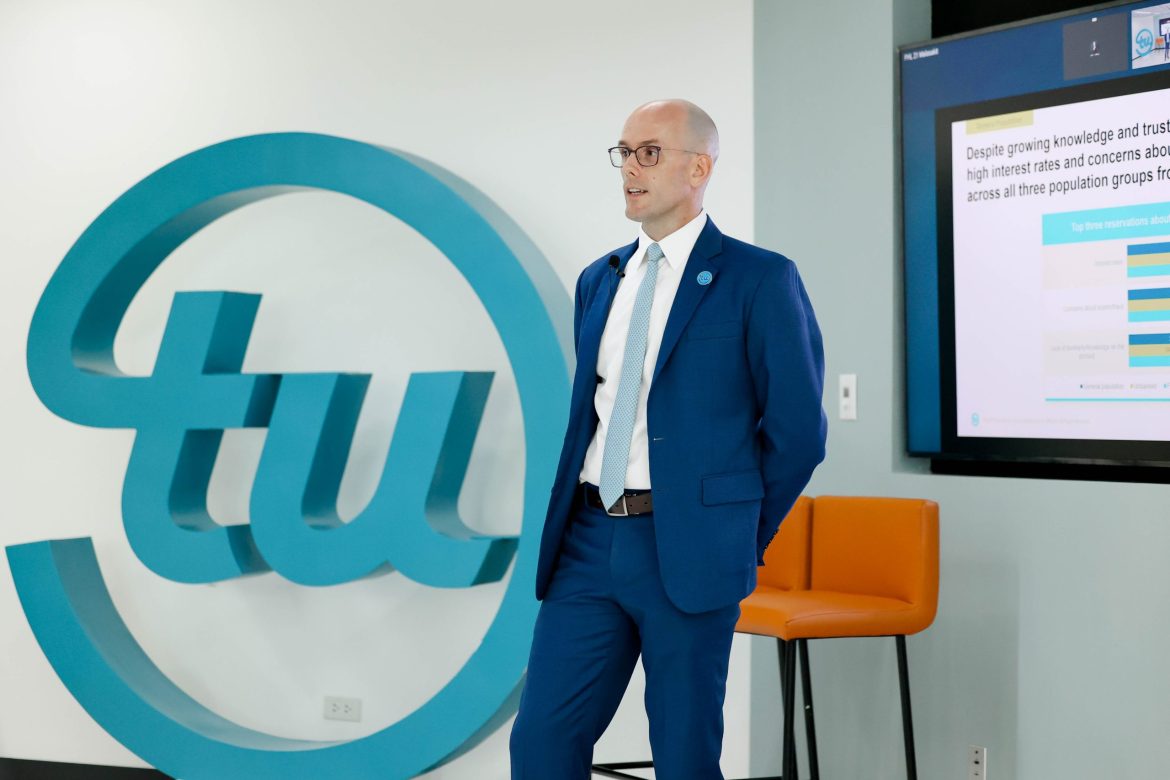
MANILA, Philippines – TransUnion (NYSE: TRU), a global information and insights company and the Philippines’ first comprehensive private credit reference agency, today released its third annual Credit Perception Index (CPI). As an important part of TransUnion’s ongoing commitment to promote credit literacy and financial inclusion in the country, the CPI examines how Filipinos perceive credit, the drivers and barriers influencing their behavior, and the implications for the broader financial ecosystem.
The Philippines’ 2025 CPI score stands at 73 out of 100, only slightly lower than 74 in 2024, signifying overall stability in credit sentiment. While most CPI score factors, such as favorability, concept knowledge, product knowledge, reservations, and stigmas, remained relatively steady, trust in credit products increased significantly by six points.
Conversely, credit messaging receptivity—the likelihood to use credit after learning about its potential benefits—dropped by nine points. This decline may be attributed to external factors such as higher interest rates and growing concerns about digital fraud.
TransUnion CPI Score and Score Factors of the General Population

Knowledge and interest remain strong
The overall stability of the CPI score is underpinned by a well-established understanding of credit and a growing appetite to engage with financial products. More than two-thirds (69%) of Filipinos say they are knowledgeable about what credit is, in general. Moreover, interest in learning about specific credit products grew, especially for payday loans (+7 percentage points [pp]), micro loans (+7pp), mobile loans (+6pp), personal loans (+5pp), and buy now, pay later (BNPL) (+5pp).
“We are glad to see the CPI score holding largely steady in 2025, supported by growing trust in credit products. More encouragingly, this year’s CPI results also tell us that Filipinos are eager to learn more about financial options that are relevant, accessible, and suited to their needs,” said Peter Faulhaber, president and CEO of TransUnion Philippines. “This increasing openness is a positive indicator of progress. As financial literacy deepens, we anticipate even greater familiarity, trust, and responsible use of credit – key pillars in building a more inclusive and robust financial ecosystem in the Philippines.”
Barriers to credit use linger
Despite positive gains in trust and openness, external factors continue to hold back Filipinos from actively using credit. Across all three population groups surveyed—the general population, the unbanked, and the financial technology (FinTech) users—high interest rates emerged as the top deterrent to credit usage, cited by 59%, 52% and 61%, respectively. Concerns about scams and fraud followed closely, affecting 52% of the general population, 47% of the unbanked, and 52% of FinTech users. These figures highlight widespread apprehension about security threats across different population groups, regardless of their CPI score.
Indeed, security and trust emerged as key consumer considerations when choosing to engage with financial institutions, cited by more than half (58%) of the respondents, just slightly behind convenience at 60%.
These findings underscore a critical challenge: while trust is improving, consumers still require stronger assurances through safer and more supportive credit environments. Addressing these concerns will be key to unlocking broader participation in the credit ecosystem and advancing financial inclusion across all segments of the population.
Narrowing gap between general population and the unbanked
A closer look at population segments reveals that the TransUnion CPI score for the unbanked Filipinos rose by two points—from 65 in 2024 to 67 in 2025—reducing the gap with the general population from nine to six points. Notably, this two-point increase among the unbanked also outpaced that of the general population (+2 points vs. -1 point). This improvement was primarily driven by significant gains in credit product trust (+9 points) and knowledge (+8 points).
TransUnion CPI Scores of the Three Population Groups
| General Population | Unbanked Population | FinTech Users | |
| 2025 | 73 | 67 | 74 |
| 2024 | 74 | 65 | N/A |
The unbanked also demonstrated enhanced understanding across nearly all credit products surveyed, with marked progress in knowledge of mobile loans (+16pp), payday loans (+15pp), automotive loans (+13pp), micro loans (+12pp), personal loans (+10pp), and BNPL (+10pp). These trends suggest growing familiarity with formal credit options, although overall knowledge (56%) still trails behind the general population (69%).
FinTech emerges as the first financial product among younger generations
Recognizing the increasing influence and widespread adoption of FinTech in the country, TransUnion introduced FinTech users as a new population group in this year’s CPI. Among the respondents, FinTech usage is nearly universal, with 91% reporting they use at least one digital financial product.
Most commonly used FinTech products include eWallets (77%), online banks (51%), and digital payment apps (47%). Notably, over one-third (35%) of the general population reported an eWallet as their first financial product, surpassing bank accounts (30%). This trend is especially evident among younger generations, with Gen Z (47%) and Millennials (37%) more likely to start their financial journey with an eWallet, while Gen X and Baby Boomers favored bank accounts at 40% and 34%, respectively.
In terms of credit perceptions, among the three population groups surveyed (general, FinTech, unbanked), FinTech users posted the highest CPI score in 2025 at 74, along with the highest level of general credit knowledge (71%), outperforming both the general population and the unbanked.
“The strong performance of FinTech users and the narrowing gap between the unbanked and general population reflect encouraging momentum toward greater financial inclusion,” said Faulhaber. “However, to fully unlock the benefits of credit and drive broader adoption, we must continue addressing persistent barriers – especially concerns around fraud and security that still deter many Filipinos from engaging with credit. By fostering trust and enhancing financial education, we can empower more Filipinos to participate confidently in the credit economy, helping build a financially resilient population that supports the nation’s journey toward upper-middle income status.”
For more information and insights, please view the full report of the TransUnion Credit Perception Index study.