

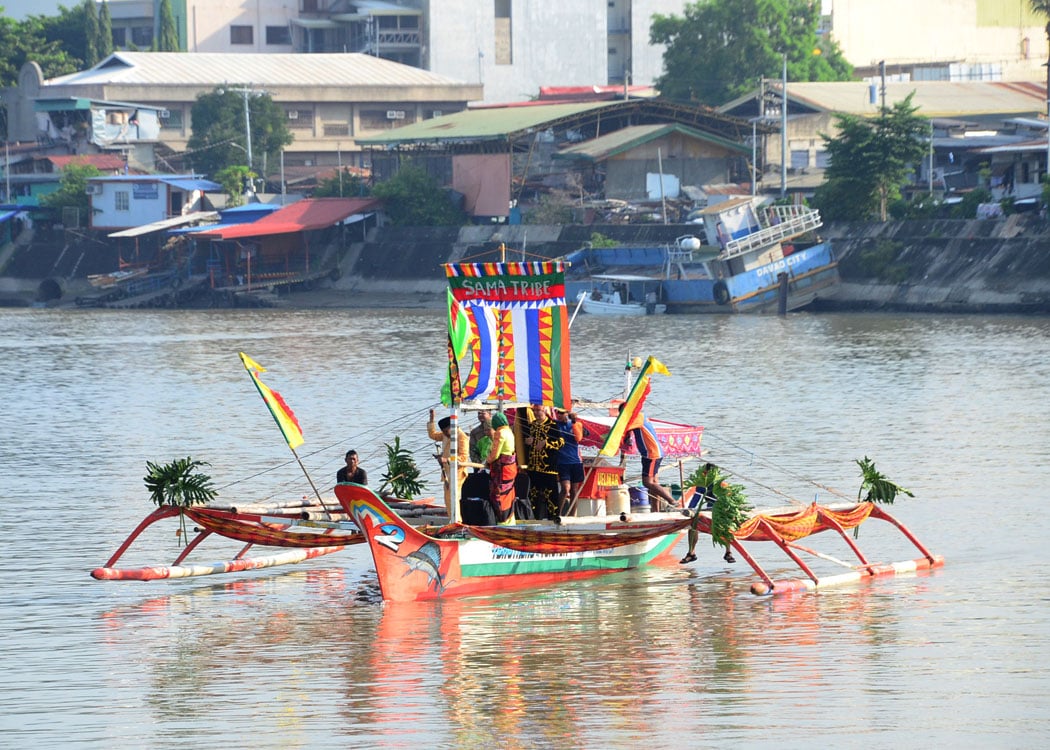
SUBANG Sinugdanan ug Panagtagbo, a traditional cultural rite celebrating the historical convergence of Davao’s 11 ethnolinguistic tribes, made a comeback on Friday, Aug. 7, to kick off the month-long Kadayawan Festival 2026.
Following a seven-year hiatus since 2019, city officials, deputy mayors, and representatives from the city’s Indigenous Peoples and Moro communities gathered at Tionko Field along the Davao River.
The event featured a fluvial parade from Magallanes along the Davao River up to the Tionko Soccer Field, reenacting the pre-colonial arrival and trade of the city’s early settlements.
The Moro and IP groups aboard the two primary vessels symbolize the historic arrival and meeting of the 11 tribes.
Mayor Sebastian Duterte, in his message delivered by Councilor Myrna Dalodo-Ortiz, chairperson of the City Council committee on tourism and beautification, highlighted the historical significance of the Davao River as the birthplace of the city’s shared identity.
“Davao City’s rich history started on the banks of the Davao River, where it welcomed the arrival of our indigenous Lumad and Muslim communities who chose to reside in the land, building their settlements and engaging in barter and trade,” Ortiz said, reading Mayor Duterte’s statement.
“Over the years, our indigenous cultural communities have created a vibrant and diverse tapestry of history, culture, and traditions, becoming a vital pillar of our city’s identity,” she stressed.
In an earlier interview, Gabriel Nakan, deputy mayor of the Maguindanao tribe, emphasized that the return of the live reenactment reflects the enduring harmony among the city’s recognized ethnolinguistic tribes.
“Most Muslims, except for the Kagan tribe, arrived as immigrants from other regions. We came from other cities and the indigenous peoples warmly welcomed us to live in Davao City,” he said.
“Since then, there has been no conflict among the 11 ethnolinguistic tribes. This event highlights how that peaceful welcome took place,” he added.
Under this year’s theme, “We Are One KadayaONE,” the festival highlights the collective heritage of the five Lumad tribes: Ata, Bagobo-Klata, Bagobo-Tagabawa, Matigsalug, and Obu-Manuvu, and six Moro groups: Iranun, Kagan, Maguindanaon, Maranao, Sama, and Tausug.
Duterte urged residents and visitors to honor their roots and join the festivities as the city prepared a full lineup of cultural showcases, trade fairs, and street performances scheduled throughout August.