



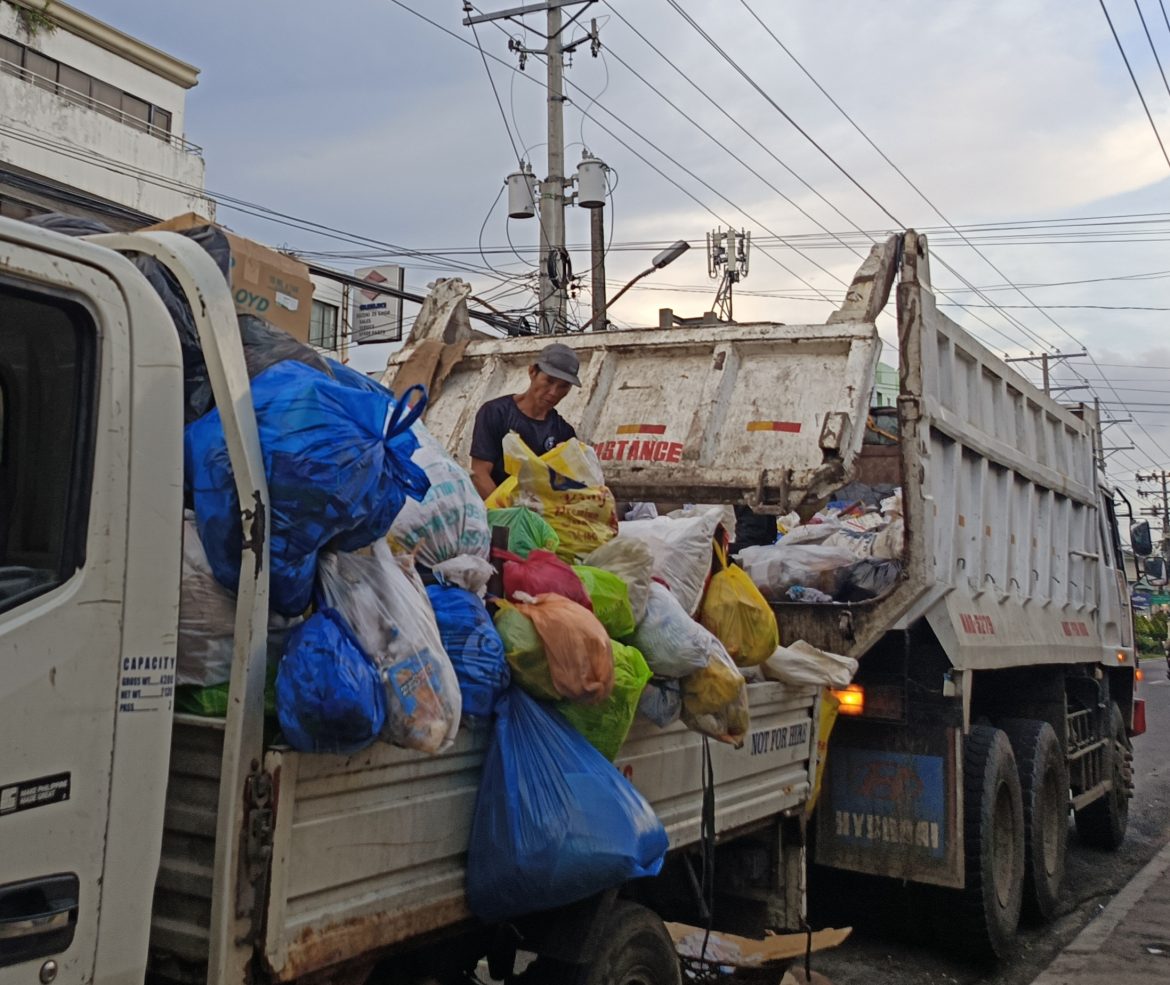
A LAWMAKER proposed a landmark measure aimed at providing social protection, health benefits, and institutional safeguards for both formal and informal waste workers in the city.
Proponent Councilor Temujin Ocampo titled the proposed ordinance as the “Davao City Waste Workers’ Magna Carta.”
In a privilege speech delivered in the 20th City Council regular session on Aug. 25, Ocampo has emphasized the essential role of waste collectors, street sweepers, sorters, and informal waste pickers to the city’s sanitation.
“Without them, Davao City would grind to a halt within 48 hours. They keep our roads clean, minimize or even prevent severe urban flooding that other cities in the country are suffering by clearing clogged waterways, and protect public health by managing hundreds of tons of daily waste,” Ocampo said.
He noted that waste workers face severe occupational hazards, including exposure to hazardous substances, medical waste, and infectious diseases without adequate safety gear or social protection.
“Our informal waste workers, the recyclers and the mangangalakal who perform vital resource recovery operate entirely outside the safety net of formal protections, facing systemic poverty and social stigma,” he stressed.
The councilor cited that Davao City is recognized as one of the cleanest and greenest in the country, even second in Southeast Asia, there’s an even pressing need to “take care of the very workers who keep it clean” to maintain its distinction as a “premier, sustainable, and green modern metropolis.”
The proposed ordinance seeks to mandate the provisions on health and safety guarantees, hazard pay and social security, formalization of livelihood, among others.
The ordinance aims to mandate free bi-annual distribution of heavy-duty personal protective equipment, annual medical check-ups, and mandatory vaccinations against tetanus, Hepatitis B, and typhoid.
It also pushed for a minimum 10% monthly hazard allowance for salaried waste personnel, alongside facilitated enrollment in PhilHealth and SSS for informal waste workers.
The ordinance directs for a voting seat on the Davao City Ecological Solid Waste Management Board reserved for an accredited waste worker representative In terms of livelihood formalization, the city government will provide technical and financial support to assist informal waste pickers in organizing into accredited green jobs cooperatives.
The proposed measure was passed on first reading and referred to the Committee on Labor as the lead committee, jointly with the Committee on Environment and Natural Resources.
