

- Tourists lose over P100-K to scam; cybercops urge vigilance
RESORT officials and anti-cybercrime police warned travelers to be wary of fraudulent Facebook pages posing as luxury resorts, after scammers duped guests—including a Manila traveler who lost over ₱100,000—through bogus seasonal promos.
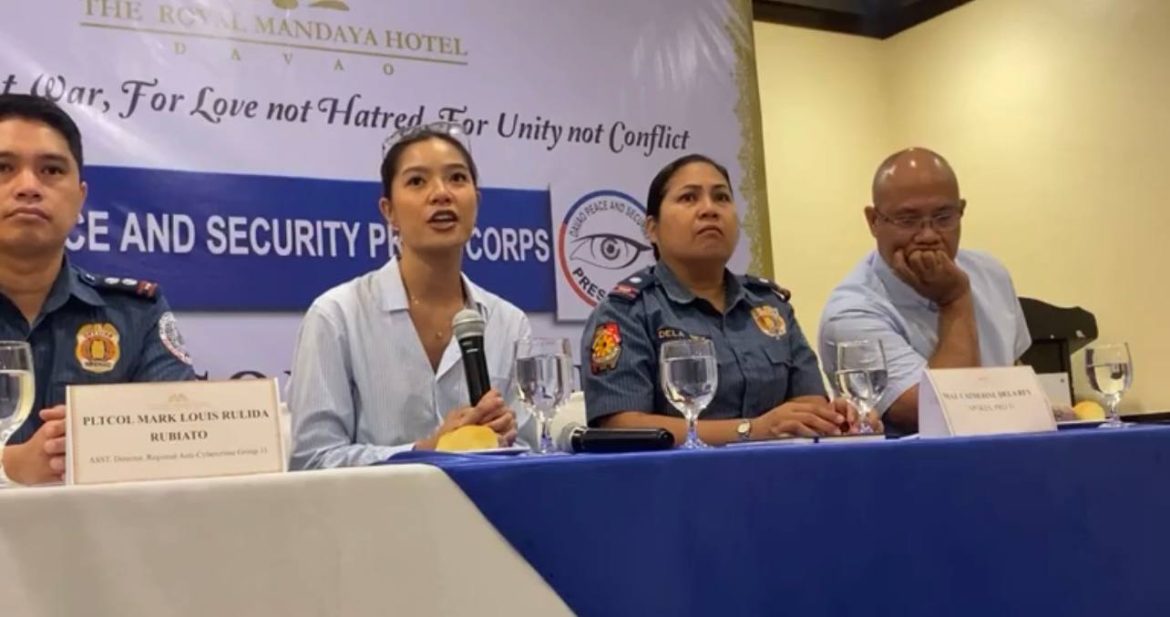
Speaking during the Davao Peace and Security Press Corps (DPSPC) media briefing at The Royal Mandaya Hotel on Wednesday, Nov. 25, Discovery Samal security director LTCOL Rex Derilo said scammers target major hotels nationwide by cloning social media pages offering bogus 50% discounts timed around peak holidays like Christmas and Valentine’s Day.
“First, they enter the fake Facebook page offering a 50-percent discount timed around seasonal holidays,” Derilo explained, noting that both local and foreign guests are lured into making online reservations via fraudulent bank accounts, e-wallets, or QR codes.
Scammers then ask victims to pay an inflated “environmental fee” of over ₱4,000 before cutting off communication once the money is transferred.
Discovery Samal marketing manager Joanna Alajar disclosed that the resort receives weekly complaints from victims of fake booking pages.
In one recent case, a guest from Manila spent more than ₱100,000 on a fraudulent page and flew to Davao only to discover no reservation existed upon arriving at the resort.
“It really hurts us because we know that is hard-earned money,” Alajar said, adding that the resort is coordinating with cybercrime authorities to assist affected guests.
Alajar said Discovery Samal has repeatedly flagged the copycat pages to Meta, noting that scammers easily generate alias names on QR payment codes and list fake contact numbers. She urged clients to book exclusively through the resort’s official website or direct reservation lines rather than transacting via unverified social media pages.
Meanwhile, PLTCOL Mark Louis Rubiato, assistant regional director of the Regional Anti-Cybercrime Unit XI, said investigators must secure court-approved warrants to disclose computer data (WDCD) before Meta can release account ownership details.
“It’s not magic; we have to work on it and wait for Meta’s disclosure,” Rubiato said, advising the public to check a Facebook page’s “Page Transparency” tab—where recently created pages serve as a major red flag—and verify official contact numbers before sending payments.